Xpeng Launches New Premium SUV GX to Compete in EV Market
Written by Emily J. Thompson, Senior Investment Analyst
Updated: 1 day ago
0mins
Source: Newsfilter
- Market Positioning Upgrade: Xpeng's launch of the new full-size SUV GX, priced from 279,800 to 359,800 yuan, signifies a strategic shift away from low-cost competition towards the premium segment, demonstrating its commitment to expanding its product lineup.
- Technological Innovation: The GX features Xpeng's proprietary Turing chips and the latest VLA 2.0 system, enabling autonomous driving capabilities, including the ability to pull over if the driver is incapacitated, marking a significant advancement in smart driving technology.
- Sales Expectations: Despite the strategic significance of the GX, analysts expect only a moderate near-term impact on overall sales, with Morningstar's Vincent Sun forecasting a 12% increase in total deliveries to 482,400 vehicles this year, partly supported by the new launch.
- Intensifying Market Competition: As Xpeng pivots towards the premium market, competitors like BYD and Li Auto are also launching new models, indicating a trend towards high-end and diversified offerings in the Chinese EV market, which enhances brand perception and profit margins.
Trade with 70% Backtested Accuracy
Stop guessing "Should I Buy TSLA?" and start using high-conviction signals backed by rigorous historical data.
Sign up today to access powerful investing tools and make smarter, data-driven decisions.
Analyst Views on TSLA
Wall Street analysts forecast TSLA stock price to fall
30 Analyst Rating
12 Buy
11 Hold
7 Sell
Hold
Current: 417.850

Low
25.28
Averages
401.93
High
600.00
Current: 417.850
Low
25.28
Averages
401.93
High
600.00
About TSLA
Tesla, Inc. designs, develops, manufactures, sells and leases high-performance fully electric vehicles and energy generation and storage systems, and offers services related to its products. Its segments include automotive, and energy generation and storage. The automotive segment includes the design, development, manufacturing, sales and leasing of high-performance fully electric vehicles, and sales of automotive regulatory credits. It also includes sales of used vehicles, non-warranty maintenance services and collisions, part sales, paid supercharging, insurance services revenue and retail merchandise sales. The energy generation and storage segment include the design, manufacture, installation, sales and leasing of solar energy generation and energy storage products and related services and sales of solar energy systems incentives. Its consumer vehicles include the Model 3, Y, S, X and Cybertruck. Its lithium-ion battery energy storage products include Powerwall and Megapack.
About the author

Emily J. Thompson
Emily J. Thompson, a Chartered Financial Analyst (CFA) with 12 years in investment research, graduated with honors from the Wharton School. Specializing in industrial and technology stocks, she provides in-depth analysis for Intellectia’s earnings and market brief reports.
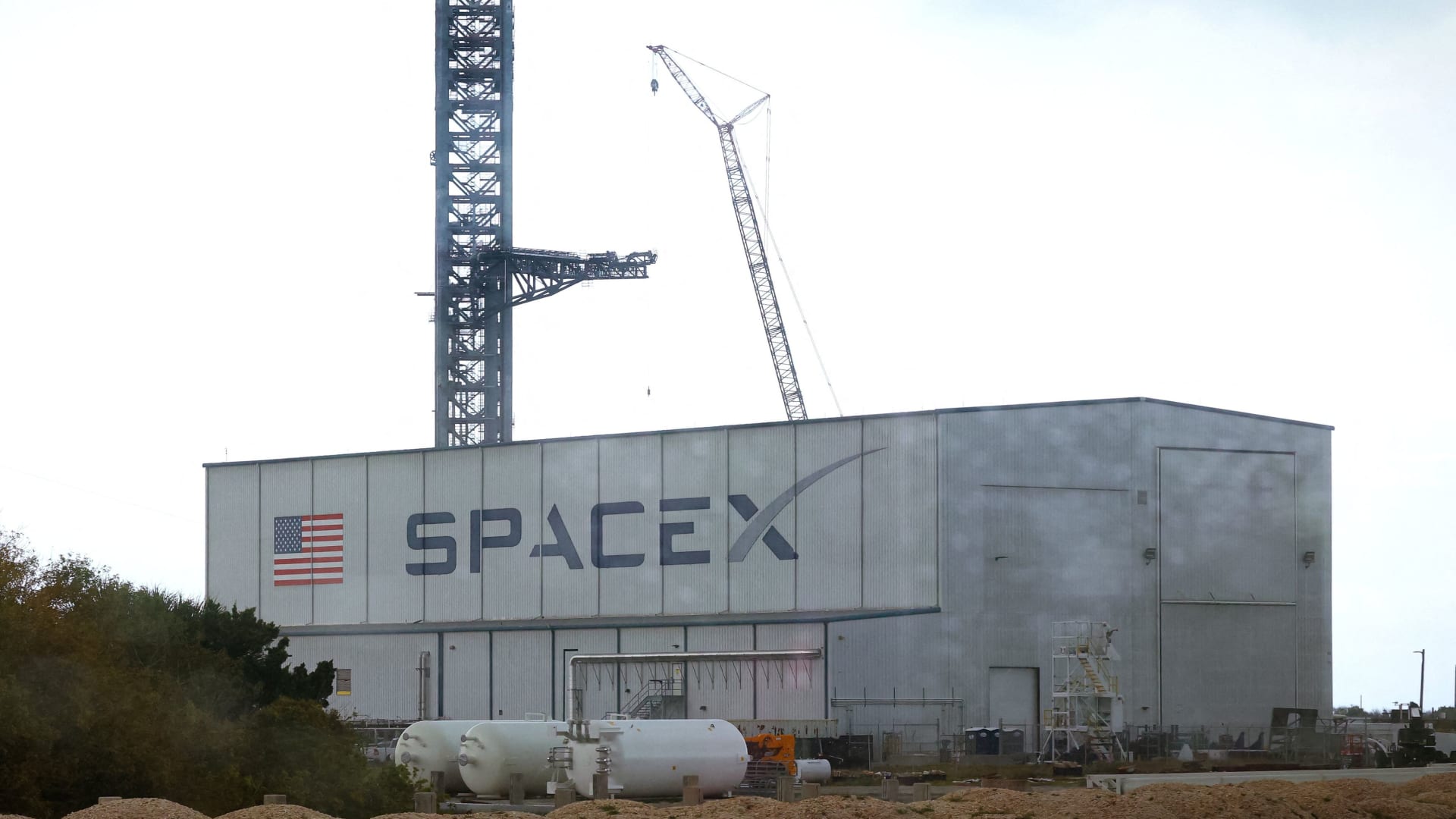
SpaceX's Unique Lock-Up Structure in IPO Filing

- Innovative Lock-Up Structure: SpaceX's IPO filing introduces a unique lock-up structure that allows insiders to sell shares in phases after the IPO, thereby mitigating the stock pressure typically associated with a traditional lock-up expiration while potentially increasing the float sooner.
- Phased Selling Mechanism: According to the S-1 filing, insiders can sell up to 20% of their locked shares after the first earnings report, with an additional 10% if the stock trades 30% above the IPO price, which will help enhance market liquidity.
- Nasdaq Inclusion Strategy: This lock-up structure is a response to new Nasdaq rules allowing companies with market caps above the top 40 members to be included in the Nasdaq 100 index weeks after their IPO, with SpaceX expected to qualify, thus attracting more institutional investors.
- Founder Lock-Up Clause: While insiders can gradually sell shares, founder Elon Musk will remain locked up and cannot participate in the early-release provisions, a measure aimed at maintaining market stability and boosting investor confidence.
See More

Tesla Faces Competitive Pressures and Stock Volatility
- Intensifying Market Competition: Tesla's stock has been on a downward trend since the start of 2026, with waning investor enthusiasm attributed to increasing competition and shrinking margins, which have negatively impacted confidence in the company's future prospects.
- Uncertain Future Outlook: Despite Tesla's impressive market cap of $1.5 trillion, there are hopes for a future pivot towards robot sales; however, this transformation may take years to materialize, leaving the current operational challenges unaddressed in the short term.
- Impact of SpaceX IPO: With SpaceX planning to go public on June 12, there is a risk that investors may shift their funds from Tesla to SpaceX, putting additional pressure on Tesla's stock, especially since it is often categorized as an
See More

SpaceX Plans IPO by June 12, Impacting Tesla
- SpaceX IPO Plans: Reports indicate that SpaceX is planning to go public by June 12, which could attract significant investor interest and potentially lead to a capital outflow from Tesla, impacting its stock performance.
- Pressure on Tesla's Stock: With the upcoming SpaceX IPO, Tesla's stock may face downward pressure, although it still boasts a market cap of $1.5 trillion, and investor confidence in its future remains intact.
- Intensifying Market Competition: Tesla has had a rocky start to 2026, facing intense competition and shrinking margins, and while there is hope for future expansion into robot sales, this transformation may take years to materialize.
- Investor Sentiment: Despite Tesla's valuation being at a staggering 370 times earnings, investors are still willing to pay a premium largely based on their trust in CEO Elon Musk, but the SpaceX IPO could shift this dynamic significantly.
See More
Hyperliquid Poised for Regulatory Breakthrough

- Market Leadership: Hyperliquid currently holds over 70% of the decentralized perpetual futures open interest, establishing itself as a key player in popularizing this financial derivative, thereby solidifying its leadership in the crypto trading space.
- Revenue Growth Potential: The platform's trading fees are projected to generate nearly $619 million in annual revenue, with 97% of protocol fees allocated for HYPE buybacks and burns, continuously reducing circulating supply and enhancing returns for holders.
- SEC Innovation Exemption: The SEC's planned innovation exemption could allow decentralized finance platforms to offer tokenized stock trading during an experimental period, potentially providing Hyperliquid with a legal pathway to enter the U.S. market, significantly expanding its user base.
- Competitive Environment Challenges: While the SEC's new regulations may present opportunities for Hyperliquid, it faces increasing competition from numerous other crypto exchanges and traditional financial institutions eager to launch perpetual futures and tokenized stocks, necessitating cautious risk assessment for investors.
See More

SEC's Rule Change Paves Way for Hyperliquid's U.S. Operations
- Regulatory Impact: The SEC's plan to introduce an innovation exemption for tokenized stock trading could pave the way for Hyperliquid's legal operations in the U.S. market, significantly enhancing its competitive position in the decentralized finance space.
- Market Leadership: Hyperliquid currently holds over 70% of the open interest in decentralized perpetual futures, with trading fees projected to generate nearly $619 million in annual revenue, indicating a solidification of its leading role in the financial derivatives market.
- Technological Innovation: The HIP-3 framework launched by Hyperliquid allows developers to deploy their own perpetual futures markets by staking HYPE tokens, further popularizing tokenized stocks, particularly with listings of popular equities like Tesla and Nvidia.
- Market Risks and Opportunities: While the SEC's exemption could present significant market opportunities for Hyperliquid, the lack of long-term rule changes could hinder its U.S. expansion plans, especially amid increasing competition from other major crypto exchanges.
See More

Amazon Set to Outperform Tesla and SpaceX

- Market Enthusiasm: With SpaceX's IPO on the horizon, Tesla's market cap peaked at $1.5 trillion before dropping to $1.25 trillion, reflecting strong investor interest in Musk-related entities but also indicating potential market volatility risks.
- AWS Growth Surge: Amazon Web Services (AWS) reported a 28% year-over-year revenue increase to $37.6 billion last quarter, with projections suggesting operating income could reach $61.5 billion over the next 12 months, significantly outpacing the earnings power of Tesla and SpaceX.
- Retail Potential in North America: Amazon's North American retail segment saw net sales grow by 12% year-over-year to $438 billion, with expectations to rise to $491 billion in the next year, while operating margin is projected to increase from 7.3% to 8%, enhancing overall profitability.
- Valuation Outlook: Amazon's market cap is expected to grow from $2.77 trillion to $3.25 trillion in the next 12 months, showcasing its robust earnings potential in cloud and retail, while Tesla and SpaceX may struggle to match this financial performance.
See More
SpaceX's Unique Lock-Up Structure in IPO Filing
- Innovative Lock-Up Structure: SpaceX's IPO filing introduces a unique lock-up structure that allows insiders to sell shares in phases after the IPO, thereby mitigating the stock pressure typically associated with a traditional lock-up expiration while potentially increasing the float sooner.
- Phased Selling Mechanism: According to the S-1 filing, insiders can sell up to 20% of their locked shares after the first earnings report, with an additional 10% if the stock trades 30% above the IPO price, which will help enhance market liquidity.
- Nasdaq Inclusion Strategy: This lock-up structure is a response to new Nasdaq rules allowing companies with market caps above the top 40 members to be included in the Nasdaq 100 index weeks after their IPO, with SpaceX expected to qualify, thus attracting more institutional investors.
- Founder Lock-Up Clause: While insiders can gradually sell shares, founder Elon Musk will remain locked up and cannot participate in the early-release provisions, a measure aimed at maintaining market stability and boosting investor confidence.
See More
Tesla Faces Competitive Pressures and Stock Volatility
- Intensifying Market Competition: Tesla's stock has been on a downward trend since the start of 2026, with waning investor enthusiasm attributed to increasing competition and shrinking margins, which have negatively impacted confidence in the company's future prospects.
- Uncertain Future Outlook: Despite Tesla's impressive market cap of $1.5 trillion, there are hopes for a future pivot towards robot sales; however, this transformation may take years to materialize, leaving the current operational challenges unaddressed in the short term.
- Impact of SpaceX IPO: With SpaceX planning to go public on June 12, there is a risk that investors may shift their funds from Tesla to SpaceX, putting additional pressure on Tesla's stock, especially since it is often categorized as an
See More
SpaceX Plans IPO by June 12, Impacting Tesla
- SpaceX IPO Plans: Reports indicate that SpaceX is planning to go public by June 12, which could attract significant investor interest and potentially lead to a capital outflow from Tesla, impacting its stock performance.
- Pressure on Tesla's Stock: With the upcoming SpaceX IPO, Tesla's stock may face downward pressure, although it still boasts a market cap of $1.5 trillion, and investor confidence in its future remains intact.
- Intensifying Market Competition: Tesla has had a rocky start to 2026, facing intense competition and shrinking margins, and while there is hope for future expansion into robot sales, this transformation may take years to materialize.
- Investor Sentiment: Despite Tesla's valuation being at a staggering 370 times earnings, investors are still willing to pay a premium largely based on their trust in CEO Elon Musk, but the SpaceX IPO could shift this dynamic significantly.
See More
Hyperliquid Poised for Regulatory Breakthrough
- Market Leadership: Hyperliquid currently holds over 70% of the decentralized perpetual futures open interest, establishing itself as a key player in popularizing this financial derivative, thereby solidifying its leadership in the crypto trading space.
- Revenue Growth Potential: The platform's trading fees are projected to generate nearly $619 million in annual revenue, with 97% of protocol fees allocated for HYPE buybacks and burns, continuously reducing circulating supply and enhancing returns for holders.
- SEC Innovation Exemption: The SEC's planned innovation exemption could allow decentralized finance platforms to offer tokenized stock trading during an experimental period, potentially providing Hyperliquid with a legal pathway to enter the U.S. market, significantly expanding its user base.
- Competitive Environment Challenges: While the SEC's new regulations may present opportunities for Hyperliquid, it faces increasing competition from numerous other crypto exchanges and traditional financial institutions eager to launch perpetual futures and tokenized stocks, necessitating cautious risk assessment for investors.
See More
SEC's Rule Change Paves Way for Hyperliquid's U.S. Operations
- Regulatory Impact: The SEC's plan to introduce an innovation exemption for tokenized stock trading could pave the way for Hyperliquid's legal operations in the U.S. market, significantly enhancing its competitive position in the decentralized finance space.
- Market Leadership: Hyperliquid currently holds over 70% of the open interest in decentralized perpetual futures, with trading fees projected to generate nearly $619 million in annual revenue, indicating a solidification of its leading role in the financial derivatives market.
- Technological Innovation: The HIP-3 framework launched by Hyperliquid allows developers to deploy their own perpetual futures markets by staking HYPE tokens, further popularizing tokenized stocks, particularly with listings of popular equities like Tesla and Nvidia.
- Market Risks and Opportunities: While the SEC's exemption could present significant market opportunities for Hyperliquid, the lack of long-term rule changes could hinder its U.S. expansion plans, especially amid increasing competition from other major crypto exchanges.
See More
Amazon Set to Outperform Tesla and SpaceX
- Market Enthusiasm: With SpaceX's IPO on the horizon, Tesla's market cap peaked at $1.5 trillion before dropping to $1.25 trillion, reflecting strong investor interest in Musk-related entities but also indicating potential market volatility risks.
- AWS Growth Surge: Amazon Web Services (AWS) reported a 28% year-over-year revenue increase to $37.6 billion last quarter, with projections suggesting operating income could reach $61.5 billion over the next 12 months, significantly outpacing the earnings power of Tesla and SpaceX.
- Retail Potential in North America: Amazon's North American retail segment saw net sales grow by 12% year-over-year to $438 billion, with expectations to rise to $491 billion in the next year, while operating margin is projected to increase from 7.3% to 8%, enhancing overall profitability.
- Valuation Outlook: Amazon's market cap is expected to grow from $2.77 trillion to $3.25 trillion in the next 12 months, showcasing its robust earnings potential in cloud and retail, while Tesla and SpaceX may struggle to match this financial performance.
See More