Whole Foods Market Expands with Smaller Format Stores in Major Cities
Written by Emily J. Thompson, Senior Investment Analyst
Updated: 54 minutes ago
0mins
Should l Buy AMZN?
Source: Newsfilter
- New Store Launch Plan: Whole Foods Market has announced plans to open smaller format Daily Shop stores in Boston, Chicago, and Philadelphia over the next two years, further expanding its market presence in densely populated urban areas.
- Lease Signings: Three leases have been signed so far in Boston's Seaport, Chicago's Wicker Park, and South Street in Philadelphia, with opening dates yet to be announced, enhancing the brand's physical footprint in major cities.
- Product Selection and Shopping Experience: Daily Shop will feature fresh produce, meat, seafood, and 365 brand products, emphasizing the display of high-demand items and a streamlined shopping process to meet everyday customer needs and improve shopping efficiency.
- International Expansion and Market Feedback: The concept was first launched in New York City in 2024 and has opened its first international store in London, with plans to continue expanding this successful model based on strong customer feedback.
Trade with 70% Backtested Accuracy
Stop guessing "Should I Buy AMZN?" and start using high-conviction signals backed by rigorous historical data.
Sign up today to access powerful investing tools and make smarter, data-driven decisions.
Analyst Views on AMZN
Wall Street analysts forecast AMZN stock price to rise
44 Analyst Rating
41 Buy
3 Hold
0 Sell
Strong Buy
Current: 265.820

Low
175.00
Averages
280.01
High
325.00
Current: 265.820
Low
175.00
Averages
280.01
High
325.00
About AMZN
Amazon.com, Inc. provides a range of products and services to customers. The products offered through its stores include merchandise and content it has purchased for resale and products offered by third-party sellers. The Company’s segments include North America, International and Amazon Web Services (AWS). It serves consumers through its online and physical stores and focuses on selection, price, and convenience. Customers access its offerings through its websites, mobile apps, Alexa, devices, streaming, and physically visiting its stores. It also manufactures and sells electronic devices, including Kindle, Fire tablet, Fire TV, Echo, Ring, Blink, and eero, and develops and produces media content. It serves developers and enterprises of all sizes, including start-ups, government agencies, and academic institutions, through AWS, which offers a set of on-demand technology services, including compute, storage, database, analytics, and machine learning, and other services.
About the author

Emily J. Thompson
Emily J. Thompson, a Chartered Financial Analyst (CFA) with 12 years in investment research, graduated with honors from the Wharton School. Specializing in industrial and technology stocks, she provides in-depth analysis for Intellectia’s earnings and market brief reports.

Whole Foods Market Expands with Smaller Format Stores in Major Cities

- New Store Launch Plan: Whole Foods Market has announced plans to open smaller format Daily Shop stores in Boston, Chicago, and Philadelphia over the next two years, further expanding its market presence in densely populated urban areas.
- Lease Signings: Three leases have been signed so far in Boston's Seaport, Chicago's Wicker Park, and South Street in Philadelphia, with opening dates yet to be announced, enhancing the brand's physical footprint in major cities.
- Product Selection and Shopping Experience: Daily Shop will feature fresh produce, meat, seafood, and 365 brand products, emphasizing the display of high-demand items and a streamlined shopping process to meet everyday customer needs and improve shopping efficiency.
- International Expansion and Market Feedback: The concept was first launched in New York City in 2024 and has opened its first international store in London, with plans to continue expanding this successful model based on strong customer feedback.
See More

Amazon and Alphabet Report Strong Cloud Growth

- AWS Growth Surge: Amazon's Q1 revenue rose 17% year-over-year to $181.5 billion, with AWS revenue increasing 28% to $37.6 billion, marking its fastest growth in 15 quarters, indicating a robust momentum that is likely to solidify its market leadership in cloud computing.
- Increased Capital Expenditure Plans: Amazon plans to boost capital expenditures to around $200 billion in 2026, a 56% increase from 2025, which will support its cloud infrastructure expansion; despite free cash flow dropping from $25.9 billion to $1.2 billion, management remains confident in future customer commitments.
- Google Cloud Performance: Alphabet's Q1 revenue grew 22% to $109.9 billion, with cloud revenue soaring 63% to $20 billion, and cloud operating income tripling year-over-year to $6.6 billion, showcasing Google's strong growth potential in the cloud market.
- Capital Expenditure Guidance Raised: Alphabet raised its 2026 capital expenditure guidance to $180 billion to $190 billion, reflecting strong expectations for cloud service demand; despite facing compute constraints, management remains optimistic about future growth prospects.
See More

Cybersecurity Faces New Challenges from AI-Driven Attacks

- Urgency in Cybersecurity: Lee Klarich from Palo Alto Networks highlighted that companies face a narrow three-to-five-month window to enhance software defenses against hackers leveraging AI technology, necessitating immediate action to avoid being reactive.
- Threat from AI Models: The emergence of advanced AI models like Anthropic's Mythos places unprecedented pressure on cybersecurity teams to bolster defenses in anticipation of cyberattacks that could exploit previously unknown software vulnerabilities.
- Need for Industry Collaboration: Klarich emphasized the necessity for the cybersecurity industry to innovate collaboratively, developing new techniques to detect attack methods, including virtual patching capabilities, with Palo Alto Networks set to roll out initial capabilities soon.
- Abuse of AI Tools: Despite Google thwarting an attempt at a mass exploitation event using AI, hackers are already exploiting existing AI tools to target software vulnerabilities, underscoring the severity of the cybersecurity landscape.
See More

Broadcom Sues EU Antitrust Regulators Over Legal Privilege


- Legal Privilege Protection: Broadcom has filed a lawsuit in the General Court of Luxembourg to safeguard its legal professional privilege in the U.S., emphasizing the importance of this right in its global operations, particularly concerning the antitrust case related to its VMware acquisition.
- Cooperation vs. Confrontation: While Broadcom claims to cooperate with the European Commission's information requests, its lawsuit indicates a firm stance on legal privilege, which could impact its relationship with regulators and future compliance strategies.
- Antitrust Complaint Context: Following Broadcom's 2023 acquisition of VMware, it faces an antitrust complaint from CISPE, which is urging regulators to temporarily halt Broadcom's cloud service provider program in Europe, highlighting the intense competition in the market.
- Industry Reaction: CISPE criticized Broadcom's lawsuit, arguing that the company cannot demand full disclosure from CISPE members affected by its practices while maintaining opacity around its own internal communications, potentially leading to a broader trust crisis within the industry.
See More
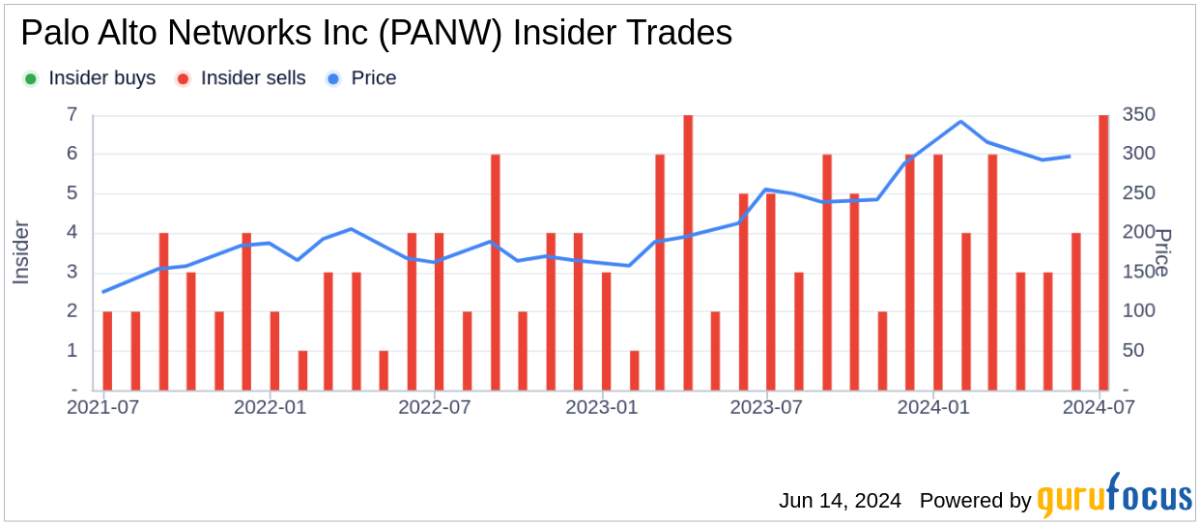
Cybersecurity Faces New Challenges from AI Attacks
- Urgent Defense Window: Lee Klarich, the tech chief at Palo Alto Networks, emphasized that companies must enhance their cybersecurity defenses within a narrow three-to-five-month window to counter the escalating threat of AI-driven attacks, highlighting the urgency for businesses to act swiftly to mitigate potential losses.
- Threat from AI Models: The emergence of new models like Anthropic's Mythos and OpenAI's GPT-5.5-Cyber has significantly enhanced hackers' ability to exploit unknown software vulnerabilities, compelling cybersecurity teams to accelerate their defensive measures in preparation for an impending wave of cyberattacks.
- Call for Industry Innovation: Klarich stressed the need for innovation within the cybersecurity industry to tackle new attack techniques, including the development of virtual patching capabilities, with Palo Alto Networks set to roll out its first set of related capabilities very soon to help businesses defend more effectively against AI-driven threats.
- White House Response: In response to concerns over AI-driven attacks, the White House held meetings with bank leaders and tech giants, while Google recently thwarted an attempt at a mass exploitation event using AI, underscoring the industry's heightened awareness of this emerging threat.
See More
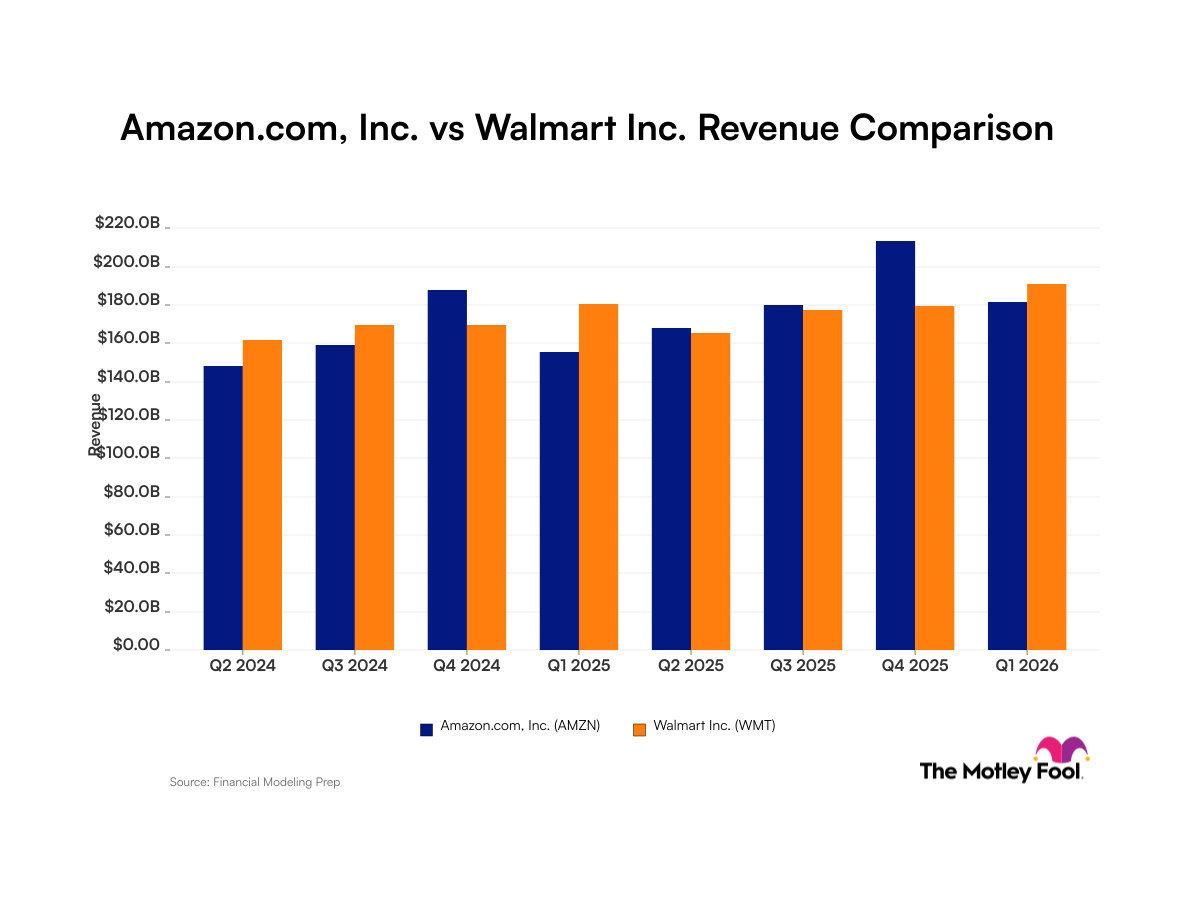
Amazon and Walmart's E-commerce Rivalry Intensifies

- Revenue Growth Comparison: Amazon's total revenue reached $181 billion in the latest quarter, marking a 17% year-over-year increase and surpassing Walmart's trailing $742 billion annual revenue for the first time, highlighting its strong growth potential in e-commerce and cloud computing.
- Rise of AI Assistants: Both Amazon and Walmart have launched AI shopping assistants, with Amazon's Rufus assistant seeing user numbers double, while Walmart's Sparky assistant has driven higher order values, indicating the critical role of AI technology in future e-commerce competition.
- Retail Market Scale: Despite Amazon's retail sales of $70 billion being lower than Walmart's $191 billion quarterly revenue, the rapid growth of Amazon's non-retail services, such as AWS, provides significant momentum for its future development.
- Strategic Investment Focus: Both companies are making substantial investments in AI, suggesting that future retail winners may depend on the capabilities of their AI tools and services, with Amazon's cloud service growth influencing its investment strategy for its online store.
See More
Whole Foods Market Expands with Smaller Format Stores in Major Cities
- New Store Launch Plan: Whole Foods Market has announced plans to open smaller format Daily Shop stores in Boston, Chicago, and Philadelphia over the next two years, further expanding its market presence in densely populated urban areas.
- Lease Signings: Three leases have been signed so far in Boston's Seaport, Chicago's Wicker Park, and South Street in Philadelphia, with opening dates yet to be announced, enhancing the brand's physical footprint in major cities.
- Product Selection and Shopping Experience: Daily Shop will feature fresh produce, meat, seafood, and 365 brand products, emphasizing the display of high-demand items and a streamlined shopping process to meet everyday customer needs and improve shopping efficiency.
- International Expansion and Market Feedback: The concept was first launched in New York City in 2024 and has opened its first international store in London, with plans to continue expanding this successful model based on strong customer feedback.
See More
Amazon and Alphabet Report Strong Cloud Growth
- AWS Growth Surge: Amazon's Q1 revenue rose 17% year-over-year to $181.5 billion, with AWS revenue increasing 28% to $37.6 billion, marking its fastest growth in 15 quarters, indicating a robust momentum that is likely to solidify its market leadership in cloud computing.
- Increased Capital Expenditure Plans: Amazon plans to boost capital expenditures to around $200 billion in 2026, a 56% increase from 2025, which will support its cloud infrastructure expansion; despite free cash flow dropping from $25.9 billion to $1.2 billion, management remains confident in future customer commitments.
- Google Cloud Performance: Alphabet's Q1 revenue grew 22% to $109.9 billion, with cloud revenue soaring 63% to $20 billion, and cloud operating income tripling year-over-year to $6.6 billion, showcasing Google's strong growth potential in the cloud market.
- Capital Expenditure Guidance Raised: Alphabet raised its 2026 capital expenditure guidance to $180 billion to $190 billion, reflecting strong expectations for cloud service demand; despite facing compute constraints, management remains optimistic about future growth prospects.
See More
Cybersecurity Faces New Challenges from AI-Driven Attacks
- Urgency in Cybersecurity: Lee Klarich from Palo Alto Networks highlighted that companies face a narrow three-to-five-month window to enhance software defenses against hackers leveraging AI technology, necessitating immediate action to avoid being reactive.
- Threat from AI Models: The emergence of advanced AI models like Anthropic's Mythos places unprecedented pressure on cybersecurity teams to bolster defenses in anticipation of cyberattacks that could exploit previously unknown software vulnerabilities.
- Need for Industry Collaboration: Klarich emphasized the necessity for the cybersecurity industry to innovate collaboratively, developing new techniques to detect attack methods, including virtual patching capabilities, with Palo Alto Networks set to roll out initial capabilities soon.
- Abuse of AI Tools: Despite Google thwarting an attempt at a mass exploitation event using AI, hackers are already exploiting existing AI tools to target software vulnerabilities, underscoring the severity of the cybersecurity landscape.
See More
Broadcom Sues EU Antitrust Regulators Over Legal Privilege
- Legal Privilege Protection: Broadcom has filed a lawsuit in the General Court of Luxembourg to safeguard its legal professional privilege in the U.S., emphasizing the importance of this right in its global operations, particularly concerning the antitrust case related to its VMware acquisition.
- Cooperation vs. Confrontation: While Broadcom claims to cooperate with the European Commission's information requests, its lawsuit indicates a firm stance on legal privilege, which could impact its relationship with regulators and future compliance strategies.
- Antitrust Complaint Context: Following Broadcom's 2023 acquisition of VMware, it faces an antitrust complaint from CISPE, which is urging regulators to temporarily halt Broadcom's cloud service provider program in Europe, highlighting the intense competition in the market.
- Industry Reaction: CISPE criticized Broadcom's lawsuit, arguing that the company cannot demand full disclosure from CISPE members affected by its practices while maintaining opacity around its own internal communications, potentially leading to a broader trust crisis within the industry.
See More
Cybersecurity Faces New Challenges from AI Attacks
- Urgent Defense Window: Lee Klarich, the tech chief at Palo Alto Networks, emphasized that companies must enhance their cybersecurity defenses within a narrow three-to-five-month window to counter the escalating threat of AI-driven attacks, highlighting the urgency for businesses to act swiftly to mitigate potential losses.
- Threat from AI Models: The emergence of new models like Anthropic's Mythos and OpenAI's GPT-5.5-Cyber has significantly enhanced hackers' ability to exploit unknown software vulnerabilities, compelling cybersecurity teams to accelerate their defensive measures in preparation for an impending wave of cyberattacks.
- Call for Industry Innovation: Klarich stressed the need for innovation within the cybersecurity industry to tackle new attack techniques, including the development of virtual patching capabilities, with Palo Alto Networks set to roll out its first set of related capabilities very soon to help businesses defend more effectively against AI-driven threats.
- White House Response: In response to concerns over AI-driven attacks, the White House held meetings with bank leaders and tech giants, while Google recently thwarted an attempt at a mass exploitation event using AI, underscoring the industry's heightened awareness of this emerging threat.
See More
Amazon and Walmart's E-commerce Rivalry Intensifies
- Revenue Growth Comparison: Amazon's total revenue reached $181 billion in the latest quarter, marking a 17% year-over-year increase and surpassing Walmart's trailing $742 billion annual revenue for the first time, highlighting its strong growth potential in e-commerce and cloud computing.
- Rise of AI Assistants: Both Amazon and Walmart have launched AI shopping assistants, with Amazon's Rufus assistant seeing user numbers double, while Walmart's Sparky assistant has driven higher order values, indicating the critical role of AI technology in future e-commerce competition.
- Retail Market Scale: Despite Amazon's retail sales of $70 billion being lower than Walmart's $191 billion quarterly revenue, the rapid growth of Amazon's non-retail services, such as AWS, provides significant momentum for its future development.
- Strategic Investment Focus: Both companies are making substantial investments in AI, suggesting that future retail winners may depend on the capabilities of their AI tools and services, with Amazon's cloud service growth influencing its investment strategy for its online store.
See More