WHO Declares Public Health Emergency Due to Ebola Outbreak
Written by Emily J. Thompson, Senior Investment Analyst
Updated: 14 hours ago
0mins
Should l Buy MRK?
Source: Newsfilter
- Epidemic Overview: The WHO has declared a public health emergency due to the rare Bundibugyo strain of Ebola, with over 100 deaths and nearly 400 infections reported in the Democratic Republic of Congo, highlighting the urgent need for public health interventions in the region.
- Virus Characteristics: Bundibugyo has a mortality rate of 30% to 40%, which, while lower than the Zaire strain, still poses significant transmission risks, particularly to healthcare workers in hospital settings.
- Treatment Status: There are currently no approved vaccines or drugs for Bundibugyo, and emergency use authorization will be necessary for deploying any experimental treatments, with candidates including Merck's Ervebo and NanoViricides' NV-387.
- Testing Challenges: Although tests for Bundibugyo exist, initial testing failed to detect the virus accurately, resulting in lost response time, which underscores the critical importance of rapid testing and public health measures in controlling the outbreak.
Trade with 70% Backtested Accuracy
Stop guessing "Should I Buy MRK?" and start using high-conviction signals backed by rigorous historical data.
Sign up today to access powerful investing tools and make smarter, data-driven decisions.
Analyst Views on MRK
Wall Street analysts forecast MRK stock price to rise
16 Analyst Rating
11 Buy
5 Hold
0 Sell
Moderate Buy
Current: 111.380

Low
95.00
Averages
119.53
High
139.00
Current: 111.380
Low
95.00
Averages
119.53
High
139.00
About MRK
Merck & Co., Inc. is a global health care company that delivers health solutions through its prescription medicines, including biologic therapies, vaccines and animal health products. Its Pharmaceutical segment includes human health pharmaceutical and vaccine products. The Company sells its human health pharmaceutical products primarily to drug wholesalers and retailers, hospitals, government agencies and managed health care providers. It sells these human health vaccines primarily to physicians, wholesalers, distributors and government entities. Its Animal Health segment discovers, develops, manufactures and markets a range of veterinary pharmaceutical and vaccine products, as well as health management solutions and services, for the prevention, treatment and control of disease in all livestock and companion animal species. Its products include KEYTRUDA (pembrolizumab) injection, for intravenous use; WELIREG (belzutifan) tablets, for oral use; Ohtuvayre (ensifentrine) and others.
About the author

Emily J. Thompson
Emily J. Thompson, a Chartered Financial Analyst (CFA) with 12 years in investment research, graduated with honors from the Wharton School. Specializing in industrial and technology stocks, she provides in-depth analysis for Intellectia’s earnings and market brief reports.

WHO Declares Public Health Emergency Due to Ebola Outbreak

- Epidemic Overview: The WHO has declared a public health emergency due to the rare Bundibugyo strain of Ebola, with over 100 deaths and nearly 400 infections reported in the Democratic Republic of Congo, highlighting the urgent need for public health interventions in the region.
- Virus Characteristics: Bundibugyo has a mortality rate of 30% to 40%, which, while lower than the Zaire strain, still poses significant transmission risks, particularly to healthcare workers in hospital settings.
- Treatment Status: There are currently no approved vaccines or drugs for Bundibugyo, and emergency use authorization will be necessary for deploying any experimental treatments, with candidates including Merck's Ervebo and NanoViricides' NV-387.
- Testing Challenges: Although tests for Bundibugyo exist, initial testing failed to detect the virus accurately, resulting in lost response time, which underscores the critical importance of rapid testing and public health measures in controlling the outbreak.
See More

WHO Panel to Discuss Ebola Vaccine Options Amid Outbreak
- Outbreak Overview: The WHO reports that the Ebola outbreak in eastern Democratic Republic of Congo has resulted in 131 suspected deaths and 500 linked cases, highlighting the severity of the public health crisis in the region.
- Public Health Emergency: Both the WHO and the Africa CDC have declared the outbreak a public health emergency, underscoring the urgent need for effective countermeasures to address the situation.
- Vaccine Development Status: Currently, there are no approved vaccines or treatments for the Bundibugyo strain of Ebola; however, Merck's Ervebo vaccine has shown partial protective effects against this strain in animal studies, indicating potential avenues for intervention.
- Expert Meeting Objectives: A panel of experts from the WHO will meet on Tuesday to discuss possible vaccine options and the best strategies to tackle the outbreak, ensuring that decisions are based on scientific evidence given the lack of effective countermeasures.
See More
Merck's Antibody-Drug Conjugate Candidate Achieves Phase Trial Success
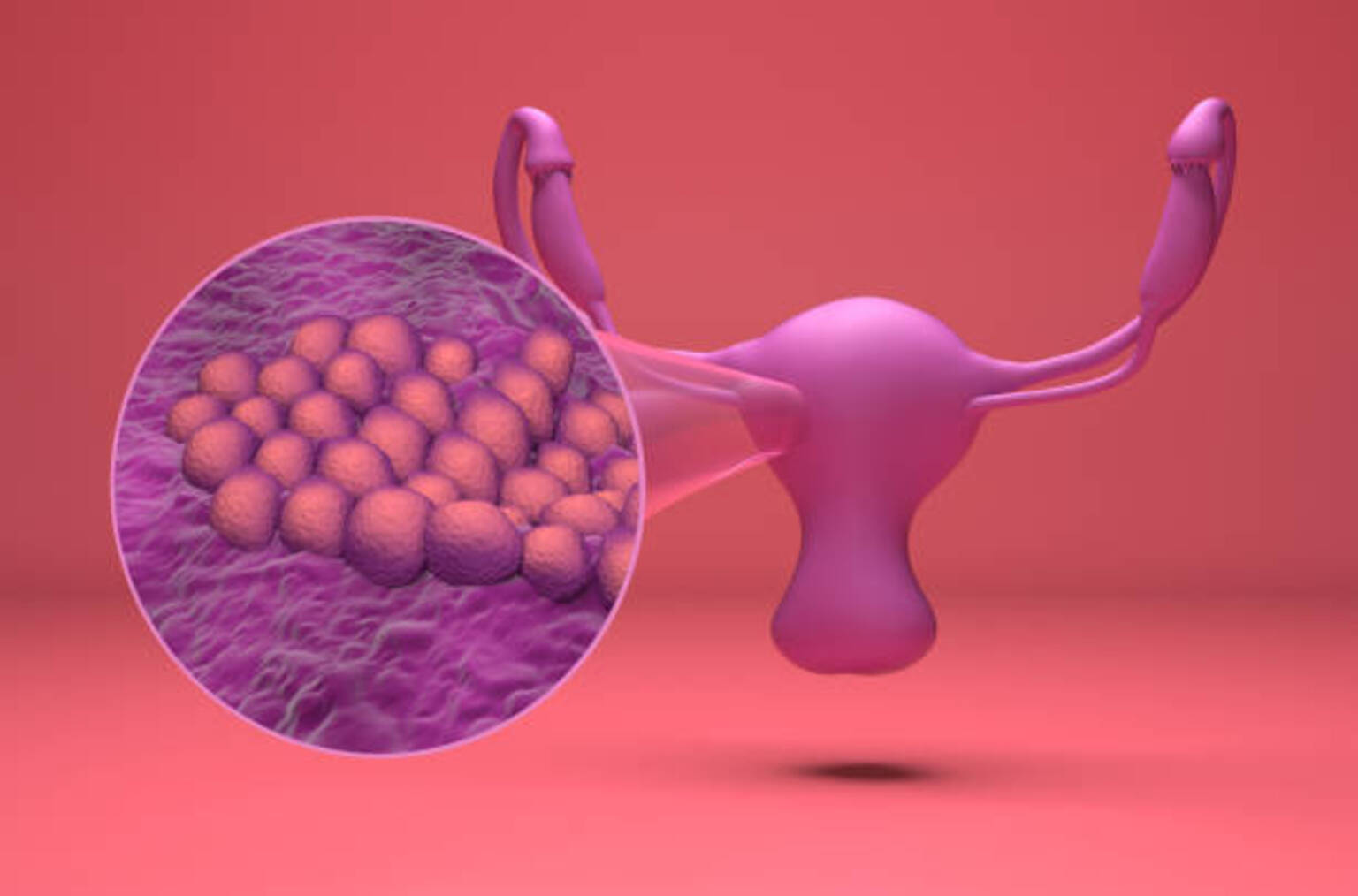
- Clinical Trial Success: Merck's antibody-drug conjugate candidate sacituzumab tirumotecan achieved both primary endpoints in a phase 3 trial for endometrial cancer patients, indicating a significant breakthrough in treatment options.
- Statistical Significance: The interim analysis revealed that sac-TMT demonstrated statistically significant improvements in overall survival and progression-free survival compared to the physician's choice of treatment, underscoring its clinical efficacy and competitive edge.
- Patient Background: The enrolled patients had previously undergone platinum-based chemotherapy and anti-PD-1/L1 immunotherapy, which further validates sac-TMT's potential application in refractory cases and may provide new options for future treatment regimens.
- Ongoing Development Plans: Merck has 17 other ongoing late-stage trials across multiple tumor types, reflecting the company's continued investment in the antibody-drug conjugate space and its commitment to developing new therapies.
See More
Regeneron Stock Plummets After Melanoma Treatment Fails Phase 3 Trial

- Clinical Trial Failure: Regeneron's experimental melanoma treatment failed to meet expectations in Phase 3 testing, leading to a significant stock price drop on Monday, severely undermining market confidence in its future product pipeline.
- Severe Market Reaction: The stock plummeted over 20%, reflecting investor concerns about the company's research capabilities, which could impact future financing and partnership opportunities, further weakening its market position.
- Significant Financial Impact: This failure may lead to downward revisions in revenue expectations for the coming quarters, particularly threatening its market share in melanoma treatment and affecting overall financial health.
- Strategic Reevaluation Needed: In light of the R&D setback, Regeneron may need to reassess its product pipeline and research strategies to restore investor confidence and ensure long-term sustainable growth.
See More
Regeneron’s Combination Therapy Fails Late-Stage Trial Against Keytruda
- Trial Failure: Regeneron (REGN) announced that its late-stage trial failed to meet the primary endpoint of progression-free survival against Merck’s (MRK) Keytruda, indicating insufficient efficacy of its combination therapy, which may impact the company's future market competitiveness.
- Study Scale and Results: The Phase 3 study evaluated over 1,500 subjects aged 12 and older, revealing that the combination therapy did not achieve statistical significance in progression-free survival, reflecting limitations in the treatment approach.
- Safety Assessment: Despite the disappointing results, Regeneron stated that the combination therapy did not indicate new safety signals, which may alleviate some investor concerns regarding the drug's safety profile.
- Ongoing Research Plans: Regeneron is currently conducting another Phase 3 trial comparing its combination therapy to Bristol Myers’ (BMY) Opdualag, demonstrating the company's continued exploration of treatment options despite facing challenges.
See More
Regeneron's Fianlimab Trial Fails to Meet Key Goals
- Trial Results: Regeneron's pivotal late-stage melanoma trial for its experimental drug fianlimab, combined with Libtayo, failed to meet its primary endpoint, as the fianlimab arm showed numerical improvement in progression-free survival but lacked statistical significance, leading to a slight decline in stock price during after-hours trading.
- Survival Data: In the high-dose arm, patients had a median progression-free survival of 11.5 months compared to 6.4 months for those on Keytruda alone, indicating a potential benefit but failing to meet clinical trial statistical requirements, highlighting challenges in market competition.
- Market Reaction: Despite 22 out of 29 analysts rating Regeneron stock as 'Buy' or higher, retail sentiment on Stocktwits remained bearish, reflecting concerns about the company's future performance, especially with the investigational status of the drug.
- Future Outlook: Regeneron is continuing a separate late-stage trial comparing the same combination against Bristol Myers Squibb’s Opdualag; although this trial's results are disappointing, the company is striving to establish a foothold in the rapidly growing melanoma immunotherapy market, with full results to be presented at an upcoming medical meeting.
See More
WHO Declares Public Health Emergency Due to Ebola Outbreak
- Epidemic Overview: The WHO has declared a public health emergency due to the rare Bundibugyo strain of Ebola, with over 100 deaths and nearly 400 infections reported in the Democratic Republic of Congo, highlighting the urgent need for public health interventions in the region.
- Virus Characteristics: Bundibugyo has a mortality rate of 30% to 40%, which, while lower than the Zaire strain, still poses significant transmission risks, particularly to healthcare workers in hospital settings.
- Treatment Status: There are currently no approved vaccines or drugs for Bundibugyo, and emergency use authorization will be necessary for deploying any experimental treatments, with candidates including Merck's Ervebo and NanoViricides' NV-387.
- Testing Challenges: Although tests for Bundibugyo exist, initial testing failed to detect the virus accurately, resulting in lost response time, which underscores the critical importance of rapid testing and public health measures in controlling the outbreak.
See More
WHO Panel to Discuss Ebola Vaccine Options Amid Outbreak
- Outbreak Overview: The WHO reports that the Ebola outbreak in eastern Democratic Republic of Congo has resulted in 131 suspected deaths and 500 linked cases, highlighting the severity of the public health crisis in the region.
- Public Health Emergency: Both the WHO and the Africa CDC have declared the outbreak a public health emergency, underscoring the urgent need for effective countermeasures to address the situation.
- Vaccine Development Status: Currently, there are no approved vaccines or treatments for the Bundibugyo strain of Ebola; however, Merck's Ervebo vaccine has shown partial protective effects against this strain in animal studies, indicating potential avenues for intervention.
- Expert Meeting Objectives: A panel of experts from the WHO will meet on Tuesday to discuss possible vaccine options and the best strategies to tackle the outbreak, ensuring that decisions are based on scientific evidence given the lack of effective countermeasures.
See More
Merck's Antibody-Drug Conjugate Candidate Achieves Phase Trial Success
- Clinical Trial Success: Merck's antibody-drug conjugate candidate sacituzumab tirumotecan achieved both primary endpoints in a phase 3 trial for endometrial cancer patients, indicating a significant breakthrough in treatment options.
- Statistical Significance: The interim analysis revealed that sac-TMT demonstrated statistically significant improvements in overall survival and progression-free survival compared to the physician's choice of treatment, underscoring its clinical efficacy and competitive edge.
- Patient Background: The enrolled patients had previously undergone platinum-based chemotherapy and anti-PD-1/L1 immunotherapy, which further validates sac-TMT's potential application in refractory cases and may provide new options for future treatment regimens.
- Ongoing Development Plans: Merck has 17 other ongoing late-stage trials across multiple tumor types, reflecting the company's continued investment in the antibody-drug conjugate space and its commitment to developing new therapies.
See More
Regeneron Stock Plummets After Melanoma Treatment Fails Phase 3 Trial
- Clinical Trial Failure: Regeneron's experimental melanoma treatment failed to meet expectations in Phase 3 testing, leading to a significant stock price drop on Monday, severely undermining market confidence in its future product pipeline.
- Severe Market Reaction: The stock plummeted over 20%, reflecting investor concerns about the company's research capabilities, which could impact future financing and partnership opportunities, further weakening its market position.
- Significant Financial Impact: This failure may lead to downward revisions in revenue expectations for the coming quarters, particularly threatening its market share in melanoma treatment and affecting overall financial health.
- Strategic Reevaluation Needed: In light of the R&D setback, Regeneron may need to reassess its product pipeline and research strategies to restore investor confidence and ensure long-term sustainable growth.
See More
Regeneron’s Combination Therapy Fails Late-Stage Trial Against Keytruda
- Trial Failure: Regeneron (REGN) announced that its late-stage trial failed to meet the primary endpoint of progression-free survival against Merck’s (MRK) Keytruda, indicating insufficient efficacy of its combination therapy, which may impact the company's future market competitiveness.
- Study Scale and Results: The Phase 3 study evaluated over 1,500 subjects aged 12 and older, revealing that the combination therapy did not achieve statistical significance in progression-free survival, reflecting limitations in the treatment approach.
- Safety Assessment: Despite the disappointing results, Regeneron stated that the combination therapy did not indicate new safety signals, which may alleviate some investor concerns regarding the drug's safety profile.
- Ongoing Research Plans: Regeneron is currently conducting another Phase 3 trial comparing its combination therapy to Bristol Myers’ (BMY) Opdualag, demonstrating the company's continued exploration of treatment options despite facing challenges.
See More
Regeneron's Fianlimab Trial Fails to Meet Key Goals
- Trial Results: Regeneron's pivotal late-stage melanoma trial for its experimental drug fianlimab, combined with Libtayo, failed to meet its primary endpoint, as the fianlimab arm showed numerical improvement in progression-free survival but lacked statistical significance, leading to a slight decline in stock price during after-hours trading.
- Survival Data: In the high-dose arm, patients had a median progression-free survival of 11.5 months compared to 6.4 months for those on Keytruda alone, indicating a potential benefit but failing to meet clinical trial statistical requirements, highlighting challenges in market competition.
- Market Reaction: Despite 22 out of 29 analysts rating Regeneron stock as 'Buy' or higher, retail sentiment on Stocktwits remained bearish, reflecting concerns about the company's future performance, especially with the investigational status of the drug.
- Future Outlook: Regeneron is continuing a separate late-stage trial comparing the same combination against Bristol Myers Squibb’s Opdualag; although this trial's results are disappointing, the company is striving to establish a foothold in the rapidly growing melanoma immunotherapy market, with full results to be presented at an upcoming medical meeting.
See More