WELIREG and KEYTRUDA Combination Shows Positive Phase 3 Results in Kidney Cancer
Written by Emily J. Thompson, Senior Investment Analyst
Updated: Feb 28 2026
0mins
Should l Buy MRK?
Source: Newsfilter
- Clinical Trial Breakthrough: The combination of WELIREG and KEYTRUDA demonstrated a significant improvement in disease-free survival in the LITESPARK-022 trial, reducing the risk of disease recurrence or death by 28% (HR=0.72, p=0.0003), providing a new treatment option for kidney cancer patients.
- FDA Priority Review: Based on the trial results, the U.S. FDA has accepted supplemental applications for the combination therapy for priority review, with a target action date set for June 19, 2026, potentially accelerating the market introduction of this therapy.
- Significant Patient Benefit: In the trial, the 24-month disease-free survival rate for the KEYTRUDA plus WELIREG arm was 80.7%, significantly higher than the 73.7% for KEYTRUDA monotherapy, bringing new hope to treatment strategies for renal cell carcinoma.
- Good Safety Profile: The safety of the combination therapy was consistent with previous studies, with no new safety signals observed, and 69.5% of patients completed the treatment, indicating good tolerability and the potential to reshape clinical practice.
Trade with 70% Backtested Accuracy
Stop guessing "Should I Buy MRK?" and start using high-conviction signals backed by rigorous historical data.
Sign up today to access powerful investing tools and make smarter, data-driven decisions.
Analyst Views on MRK
Wall Street analysts forecast MRK stock price to fall
16 Analyst Rating
11 Buy
5 Hold
0 Sell
Moderate Buy
Current: 120.840

Low
95.00
Averages
119.53
High
139.00
Current: 120.840
Low
95.00
Averages
119.53
High
139.00
About MRK
Merck & Co., Inc. is a global health care company that delivers health solutions through its prescription medicines, including biologic therapies, vaccines and animal health products. Its Pharmaceutical segment includes human health pharmaceutical and vaccine products. The Company sells its human health pharmaceutical products primarily to drug wholesalers and retailers, hospitals, government agencies and managed health care providers. It sells these human health vaccines primarily to physicians, wholesalers, distributors and government entities. Its Animal Health segment discovers, develops, manufactures and markets a range of veterinary pharmaceutical and vaccine products, as well as health management solutions and services, for the prevention, treatment and control of disease in all livestock and companion animal species. Its products include KEYTRUDA (pembrolizumab) injection, for intravenous use; WELIREG (belzutifan) tablets, for oral use; Ohtuvayre (ensifentrine) and others.
About the author

Emily J. Thompson
Emily J. Thompson, a Chartered Financial Analyst (CFA) with 12 years in investment research, graduated with honors from the Wharton School. Specializing in industrial and technology stocks, she provides in-depth analysis for Intellectia’s earnings and market brief reports.

Impact of Trump's Tariffs One Year Later


- Widespread Tariff Impact: Trump's tariff policies have placed significant economic pressure on U.S. businesses over the past year, with approximately 80% to 85% of costs absorbed by companies, leading to reduced profits and increased consumer prices, thereby exacerbating overall economic uncertainty.
- Retail Sector Adaptation: While large retailers like Walmart have emerged relatively unscathed, smaller businesses have been severely impacted, with Home Depot aiming to limit purchases from any single country to 10% to reduce dependency and enhance supply chain flexibility.
- Automotive Industry Cost Surge: Automakers such as General Motors and Toyota are facing tariff impacts estimated at up to $9.5 billion, and although the Trump administration has taken steps to alleviate overlapping tariffs, overall costs remain significant, forcing companies to reassess their supply chain strategies.
- Pharmaceutical Sector Stability: Pharmaceutical companies have secured three-year tariff exemptions through pricing agreements with Trump, although new tariffs impose 100% on companies that do not reach agreements, the overall industry is still striving to increase investments in U.S. manufacturing.
See More

Trump Administration Plans 100% Tariffs on Imported Pharmaceuticals

- Tariff Policy Shift: The Trump administration is preparing to impose tariffs of up to 100% on branded drugs from companies that have not negotiated price reductions, potentially impacting major pharmaceutical firms like Eli Lilly, Pfizer, and Novo Nordisk, thereby increasing price volatility in the drug market.
- Manufacturing Incentives: Drugmakers can reduce or avoid tariffs by relocating production to the U.S. or negotiating deals with the administration, aiming to stimulate domestic manufacturing and potentially leading to a resurgence of investments in the pharmaceutical sector.
- Tariff Implementation Details: The draft proposal includes a 20% tariff for companies planning to onshore production, escalating to 100% in four years, which could significantly influence the long-term strategic positioning of the pharmaceutical industry.
- National Security Considerations: The tariff proposal stems from a Commerce Department investigation that identified certain pharmaceutical imports as a national security risk, highlighting the government's heightened focus on the security of drug supply chains.
See More
Merck's Keytruda Approved by EU for Ovarian Cancer Treatment

- Therapy Approval: Merck's anti-PD-1 therapy Keytruda, in combination with chemotherapy drug paclitaxel, has received approval from the European Commission as a late-line treatment option for certain adult ovarian cancer patients, showcasing the company's ongoing innovation in cancer treatment.
- Defined Indication: The approval is specifically for patients with platinum-resistant epithelial ovarian, fallopian tube, or primary peritoneal carcinoma, where PD-L1 levels must exceed a certain threshold, ensuring precision and effectiveness in treatment that could significantly improve patient survival rates.
- Market Impact: The therapy's launch will cover all 27 EU member states, along with Iceland, Liechtenstein, and Norway, which is expected to generate substantial revenue growth for Merck in the European market while enhancing its market share in oncology.
- Launch Strategy Considerations: Merck indicated that national reimbursement policies and other factors will influence the launch plans for Keytruda plus paclitaxel, reflecting the complexities and challenges in the company's global market strategy.
See More

Merck Reports Strong Phase 3 Results for Oral PCSK9 Inhibitor

- Clinical Trial Success: On March 30, 2026, Merck announced positive results from the CORALreef AddOn trial, demonstrating that the oral PCSK9 inhibitor enlicitide reduced LDL-C levels by 64.6% when combined with statins, indicating its potential in cardiovascular disease treatment.
- High Patient Success Rate: The trial showed that 78.2% of patients achieved the LDL-C target of less than 55 mg/dL, highlighting enlicitide's effectiveness and good patient adherence, which may lay the groundwork for future market promotion.
- Strategic Acquisition: On March 25, 2026, Merck acquired clinical-stage oncology company Terns Pharmaceuticals for $6.7 billion, aiming to expand its hematology portfolio and strengthen its position in oncology, reflecting its commitment to diversification strategies.
- Stable Safety Profile: Enlicitide's safety profile remained consistent with previous trials, with no serious adverse events reported, providing confidence for its future market launch and potentially attracting more investor interest in its market performance.
See More

Merck Schedules Q1 2026 Earnings Call for April 30
- Earnings Call Scheduled: Merck will hold its Q1 2026 sales and earnings conference call on April 30 at 9:00 a.m. ET, where executives will provide an overview of the company's quarterly performance, aimed at enhancing investor confidence and transparency.
- Participation Details: Investors, journalists, and the public can access the live audiowebcast of the call via the provided link, with a replay and related financial disclosures available on the company’s website, ensuring broad dissemination and accessibility of information.
- Company Vision: Merck is committed to leveraging cutting-edge science to improve lives globally, with over 130 years of history focused on developing important medicines and vaccines, aspiring to be the premier research-intensive biopharmaceutical company, showcasing its strategic positioning in the industry.
- Forward-Looking Statements: The company’s release includes forward-looking statements that highlight potential risks and uncertainties, including industry competition, economic factors, and challenges in new product development, reminding investors to consider various factors that may affect actual results.
See More
FDA Poised to Allow Pharmacies to Sell Injectable Peptides
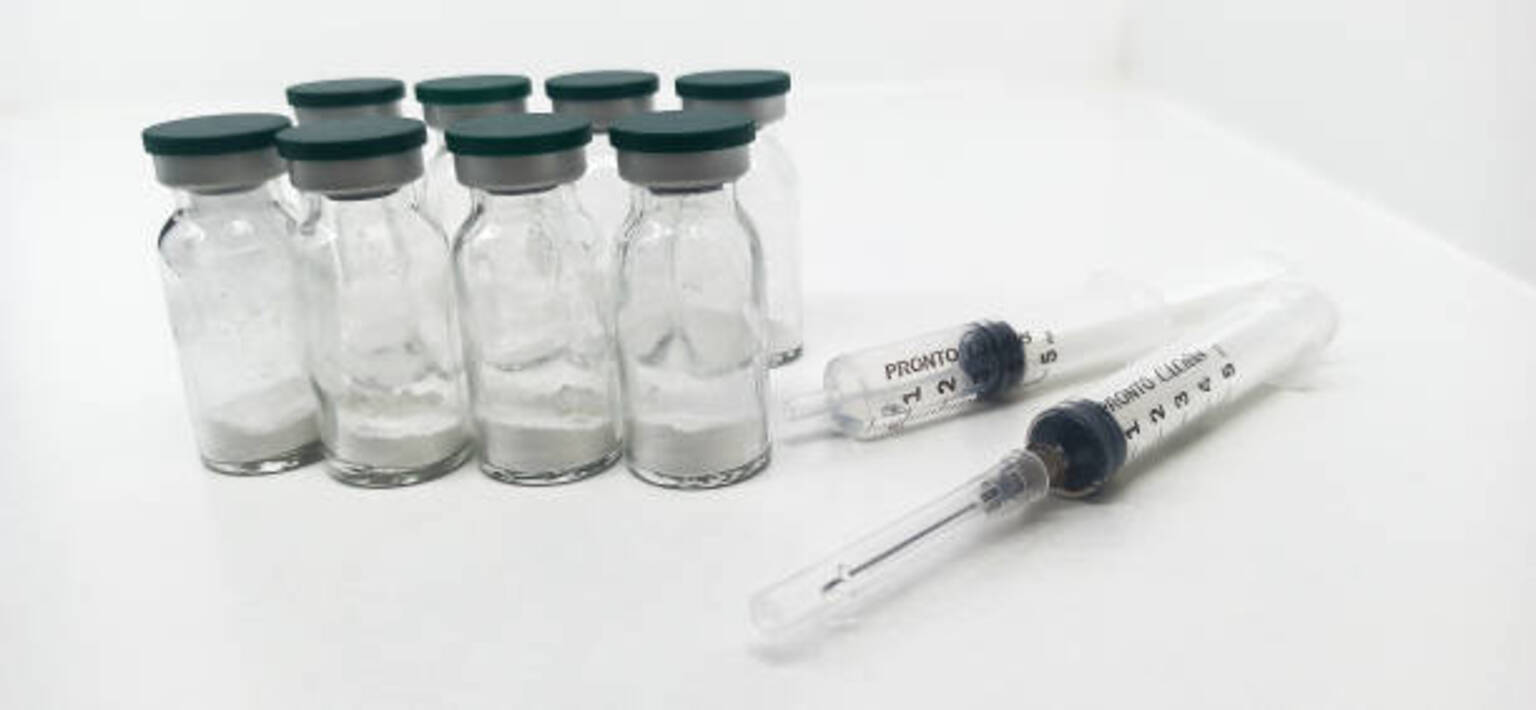
- Policy Shift Outlook: The FDA is likely to permit compounding pharmacies to sell injectable peptides again, a move that would be a victory for HHS Secretary Robert F. Kennedy Jr., despite opposition from many senior FDA officials regarding the safety of these products.
- Safety Risk Alerts: The FDA's updated list of banned peptides includes cesium chloride and chloral hydrate, with the former linked to irregular heartbeat and the latter associated with dosing errors and oversedation, highlighting significant safety concerns surrounding these substances.
- Regulatory Review Meeting: The FDA plans to schedule a meeting of its Pharmacy Compounding Advisory Committee to discuss medical evidence for the peptides and vote on whether to allow pharmacies to resume production, indicating a serious regulatory focus on product safety.
- Market Condition Analysis: Scott Brunner, CEO of the Alliance for Pharmacy Compounding, expressed concerns that consumers are likely purchasing unproven illicit products or research-grade items, as there are no pharmaceutical-grade versions available from FDA-registered manufacturers, illustrating the chaotic state of the market and lack of effective oversight.
See More
Impact of Trump's Tariffs One Year Later
- Widespread Tariff Impact: Trump's tariff policies have placed significant economic pressure on U.S. businesses over the past year, with approximately 80% to 85% of costs absorbed by companies, leading to reduced profits and increased consumer prices, thereby exacerbating overall economic uncertainty.
- Retail Sector Adaptation: While large retailers like Walmart have emerged relatively unscathed, smaller businesses have been severely impacted, with Home Depot aiming to limit purchases from any single country to 10% to reduce dependency and enhance supply chain flexibility.
- Automotive Industry Cost Surge: Automakers such as General Motors and Toyota are facing tariff impacts estimated at up to $9.5 billion, and although the Trump administration has taken steps to alleviate overlapping tariffs, overall costs remain significant, forcing companies to reassess their supply chain strategies.
- Pharmaceutical Sector Stability: Pharmaceutical companies have secured three-year tariff exemptions through pricing agreements with Trump, although new tariffs impose 100% on companies that do not reach agreements, the overall industry is still striving to increase investments in U.S. manufacturing.
See More
Trump Administration Plans 100% Tariffs on Imported Pharmaceuticals
- Tariff Policy Shift: The Trump administration is preparing to impose tariffs of up to 100% on branded drugs from companies that have not negotiated price reductions, potentially impacting major pharmaceutical firms like Eli Lilly, Pfizer, and Novo Nordisk, thereby increasing price volatility in the drug market.
- Manufacturing Incentives: Drugmakers can reduce or avoid tariffs by relocating production to the U.S. or negotiating deals with the administration, aiming to stimulate domestic manufacturing and potentially leading to a resurgence of investments in the pharmaceutical sector.
- Tariff Implementation Details: The draft proposal includes a 20% tariff for companies planning to onshore production, escalating to 100% in four years, which could significantly influence the long-term strategic positioning of the pharmaceutical industry.
- National Security Considerations: The tariff proposal stems from a Commerce Department investigation that identified certain pharmaceutical imports as a national security risk, highlighting the government's heightened focus on the security of drug supply chains.
See More
Merck's Keytruda Approved by EU for Ovarian Cancer Treatment
- Therapy Approval: Merck's anti-PD-1 therapy Keytruda, in combination with chemotherapy drug paclitaxel, has received approval from the European Commission as a late-line treatment option for certain adult ovarian cancer patients, showcasing the company's ongoing innovation in cancer treatment.
- Defined Indication: The approval is specifically for patients with platinum-resistant epithelial ovarian, fallopian tube, or primary peritoneal carcinoma, where PD-L1 levels must exceed a certain threshold, ensuring precision and effectiveness in treatment that could significantly improve patient survival rates.
- Market Impact: The therapy's launch will cover all 27 EU member states, along with Iceland, Liechtenstein, and Norway, which is expected to generate substantial revenue growth for Merck in the European market while enhancing its market share in oncology.
- Launch Strategy Considerations: Merck indicated that national reimbursement policies and other factors will influence the launch plans for Keytruda plus paclitaxel, reflecting the complexities and challenges in the company's global market strategy.
See More
Merck Reports Strong Phase 3 Results for Oral PCSK9 Inhibitor
- Clinical Trial Success: On March 30, 2026, Merck announced positive results from the CORALreef AddOn trial, demonstrating that the oral PCSK9 inhibitor enlicitide reduced LDL-C levels by 64.6% when combined with statins, indicating its potential in cardiovascular disease treatment.
- High Patient Success Rate: The trial showed that 78.2% of patients achieved the LDL-C target of less than 55 mg/dL, highlighting enlicitide's effectiveness and good patient adherence, which may lay the groundwork for future market promotion.
- Strategic Acquisition: On March 25, 2026, Merck acquired clinical-stage oncology company Terns Pharmaceuticals for $6.7 billion, aiming to expand its hematology portfolio and strengthen its position in oncology, reflecting its commitment to diversification strategies.
- Stable Safety Profile: Enlicitide's safety profile remained consistent with previous trials, with no serious adverse events reported, providing confidence for its future market launch and potentially attracting more investor interest in its market performance.
See More
Merck Schedules Q1 2026 Earnings Call for April 30
- Earnings Call Scheduled: Merck will hold its Q1 2026 sales and earnings conference call on April 30 at 9:00 a.m. ET, where executives will provide an overview of the company's quarterly performance, aimed at enhancing investor confidence and transparency.
- Participation Details: Investors, journalists, and the public can access the live audiowebcast of the call via the provided link, with a replay and related financial disclosures available on the company’s website, ensuring broad dissemination and accessibility of information.
- Company Vision: Merck is committed to leveraging cutting-edge science to improve lives globally, with over 130 years of history focused on developing important medicines and vaccines, aspiring to be the premier research-intensive biopharmaceutical company, showcasing its strategic positioning in the industry.
- Forward-Looking Statements: The company’s release includes forward-looking statements that highlight potential risks and uncertainties, including industry competition, economic factors, and challenges in new product development, reminding investors to consider various factors that may affect actual results.
See More
FDA Poised to Allow Pharmacies to Sell Injectable Peptides
- Policy Shift Outlook: The FDA is likely to permit compounding pharmacies to sell injectable peptides again, a move that would be a victory for HHS Secretary Robert F. Kennedy Jr., despite opposition from many senior FDA officials regarding the safety of these products.
- Safety Risk Alerts: The FDA's updated list of banned peptides includes cesium chloride and chloral hydrate, with the former linked to irregular heartbeat and the latter associated with dosing errors and oversedation, highlighting significant safety concerns surrounding these substances.
- Regulatory Review Meeting: The FDA plans to schedule a meeting of its Pharmacy Compounding Advisory Committee to discuss medical evidence for the peptides and vote on whether to allow pharmacies to resume production, indicating a serious regulatory focus on product safety.
- Market Condition Analysis: Scott Brunner, CEO of the Alliance for Pharmacy Compounding, expressed concerns that consumers are likely purchasing unproven illicit products or research-grade items, as there are no pharmaceutical-grade versions available from FDA-registered manufacturers, illustrating the chaotic state of the market and lack of effective oversight.
See More