Wayve Raises $1.5 Billion, Valuation Reaches $8.6 Billion
Written by Emily J. Thompson, Senior Investment Analyst
Updated: Feb 25 2026
0mins
Source: Benzinga
- Innovative Funding: Wayve announced on Wednesday that it successfully raised $1.5 billion, enhancing its global operations and pushing its valuation to $8.6 billion, reflecting strong market confidence in its autonomous driving technology.
- Strong Investor Lineup: The funding round was led by Eclipse, Balderton, and SoftBank's Vision Fund 2, with participation from Ontario Teachers' Pension Plan, Baillie Gifford, and other global institutional investors, further strengthening Wayve's capital position.
- Technology Licensing Strategy: Wayve plans to license its technology to automakers as an advanced driver-assistance system, having signed an agreement with Nissan to integrate its AI into Nissan's ProPilot system by 2027, showcasing its market expansion potential.
- Market Competition Landscape: Despite Tesla facing challenges in the robotaxi market, Dan Ives from Wedbush Securities forecasts that Tesla will capture 80% of the market share by 2026, highlighting competitive opportunities for Wayve in this sector.
Trade with 70% Backtested Accuracy
Stop guessing "Should I Buy BIDU?" and start using high-conviction signals backed by rigorous historical data.
Sign up today to access powerful investing tools and make smarter, data-driven decisions.
Analyst Views on BIDU
Wall Street analysts forecast BIDU stock price to rise
13 Analyst Rating
11 Buy
2 Hold
0 Sell
Strong Buy
Current: 121.660

Low
140.00
Averages
170.39
High
215.00
Current: 121.660
Low
140.00
Averages
170.39
High
215.00
About BIDU
Baidu Inc is a Chinese language Internet search provider. The Company operates its businesses through two segments, Baidu Core segment and iQIYI segment. Baidu Core segment mainly provides search-based, feed-based, and other online marketing services, as well as products and services from the Company’s new artificial intelligence (AI) initiatives, such as display advertisement and based on performance criteria other than cost-per-click, cloud services, smart devices and services, non-marketing consumer-facing services such as membership, and intelligent driving. iQIYI segment produces, aggregates and distributes a wide variety of professionally produced content, as well as a broad spectrum of other video content, in a variety of formats, including a variety of products and services encompassing online video, online games, online literature, comics and others.
About the author

Emily J. Thompson
Emily J. Thompson, a Chartered Financial Analyst (CFA) with 12 years in investment research, graduated with honors from the Wharton School. Specializing in industrial and technology stocks, she provides in-depth analysis for Intellectia’s earnings and market brief reports.

Alibaba and Baidu Designated as Military Companies by U.S. DoD

- Military Company Designation: The U.S. Department of Defense has added Alibaba (BABA) and Baidu (BIDU) to its list of Chinese military companies, based on new criteria that indicate indirect affiliations with various Chinese government bodies, which could lead to increased scrutiny.
- Procurement Ban Consequences: Being listed means Alibaba and Baidu face potential DoD procurement bans, investment restrictions, and supply chain exclusions, which could severely impact their operations in the U.S. market.
- Challenges in Technology Acquisition: The new regulations will complicate Alibaba and Baidu's ability to obtain U.S. technology licenses, potentially hindering their innovation and competitiveness, particularly in the AI sector.
- Contractual Risks Ahead: Starting June 30, 2026, the DoD will prohibit direct contracts with any military company, extending to the entire supply chain by June 30, 2027, which significantly increases operational risks for Alibaba and Baidu.
See More

US Defense Department Adds Alibaba, Baidu, BYD to Military Companies List
- Military Companies List Update: The U.S. Department of Defense has added Alibaba, Baidu, and BYD to its updated list of military companies, indicating these firms are seen as contributors to China's military-civil fusion, potentially impacting their operations in the U.S.
- Procurement Contract Restrictions: Under Section 1260H of the National Defense Authorization Act, the Pentagon will prohibit entering into, extending, or renewing any procurement contracts with these companies or their affiliates, which may limit their business activities in the U.S. market.
- National Security Risk Alert: The inclusion on the list serves to notify the public and private sector of potential national security risks associated with these entities, reflecting heightened U.S. vigilance against foreign technology and intellectual property transfers.
- Market Sentiment Shift: Retail sentiment for Alibaba and Baidu has turned bearish, with Alibaba's stock down approximately 19% year-to-date, while Baidu and BYD have also seen declines of about 2.3%, indicating a decrease in investor confidence in these companies.
See More

Tencent's Chief AI Scientist Envisions Future of AGI

- AGI Vision: Tencent's Chief AI Scientist Yao Shunyu aims to establish a long-term AGI organization, emphasizing the importance of foundational knowledge and frontier exploration, indicating China's ambition in the global AI race.
- Application Transformation: In light of U.S. chip controls, Chinese companies are accelerating the application of AI technology in sectors like factories and consumer electronics, reflecting a focus on practical technology that could drive rapid industry growth.
- Intensified Talent Competition: Uncertainty over U.S. immigration policies has led more Chinese nationals to seek work in their home country, even at lower pay, which may enhance China's talent pool and innovation capacity in the AI sector.
- Investment in Basic Research: China plans to increase investment in basic research over the next five years to pursue scientific breakthroughs, demonstrating the country's commitment to technological advancement and proactive response to global tech competition.
See More

Cathie Wood Increases Holdings in Three Stocks: Analysis


- Alphabet Growth Potential: Alphabet, with a market cap exceeding $4 trillion, has seen its stock price soar 116% over the past year, with projected revenue growth of 21% and earnings per share growth of 32% by 2026, indicating robust profitability and market demand.
- Meta Platforms Acceleration: Meta has reached 3.56 billion daily active users and is expected to achieve its fourth consecutive year of revenue growth, currently trading at a forward P/E of 19, showcasing its strong appeal in the social media sector.
- Alibaba Market Challenges: Despite Alibaba's revenue growth slowing to just 3% in fiscal 2026 after four years of single-digit growth, its stock price doubled last year, reflecting market confidence in its future potential.
- AI Chip Market Entry: Similar to Alphabet, Alibaba is entering the AI chip market; despite facing trade restrictions between China and the U.S., its e-commerce platforms provide financial flexibility to pursue new opportunities.
See More

ARK Investment Management Aggressively Buys Alphabet Stock

- Aggressive Stock Acquisition: ARK Investment Management has been rapidly increasing its stake in Alphabet (GOOGL), disclosing the acquisition of 267,582 shares valued at approximately $96 million on Wednesday, reflecting strong confidence in the company's AI business.
- Strong AI Business Growth: Following the release of the Google Gemini 3 AI model, the company's quarterly reports have markedly improved, with cloud revenue growing 63% to $20 billion in the March quarter, significantly exceeding analysts' average estimate of a 50.1% increase, thereby establishing a solid foundation for future growth.
- Market Reaction and Stock Volatility: Despite ARK's aggressive buying, Alphabet's stock experienced a roughly 4% drop due to concerns over dilution from its plan to raise $80 billion through new equity issuance to expand its AI capabilities, causing investor apprehension.
- Retail Sentiment Remains Bullish: On Stocktwits, retail sentiment for GOOGL remains 'bullish,' with investors generally believing that large institutions and pension funds are seizing the opportunity to increase their investments in AI-related stocks during the current pullback.
See More
China's Tech Self-Sufficiency Accelerates

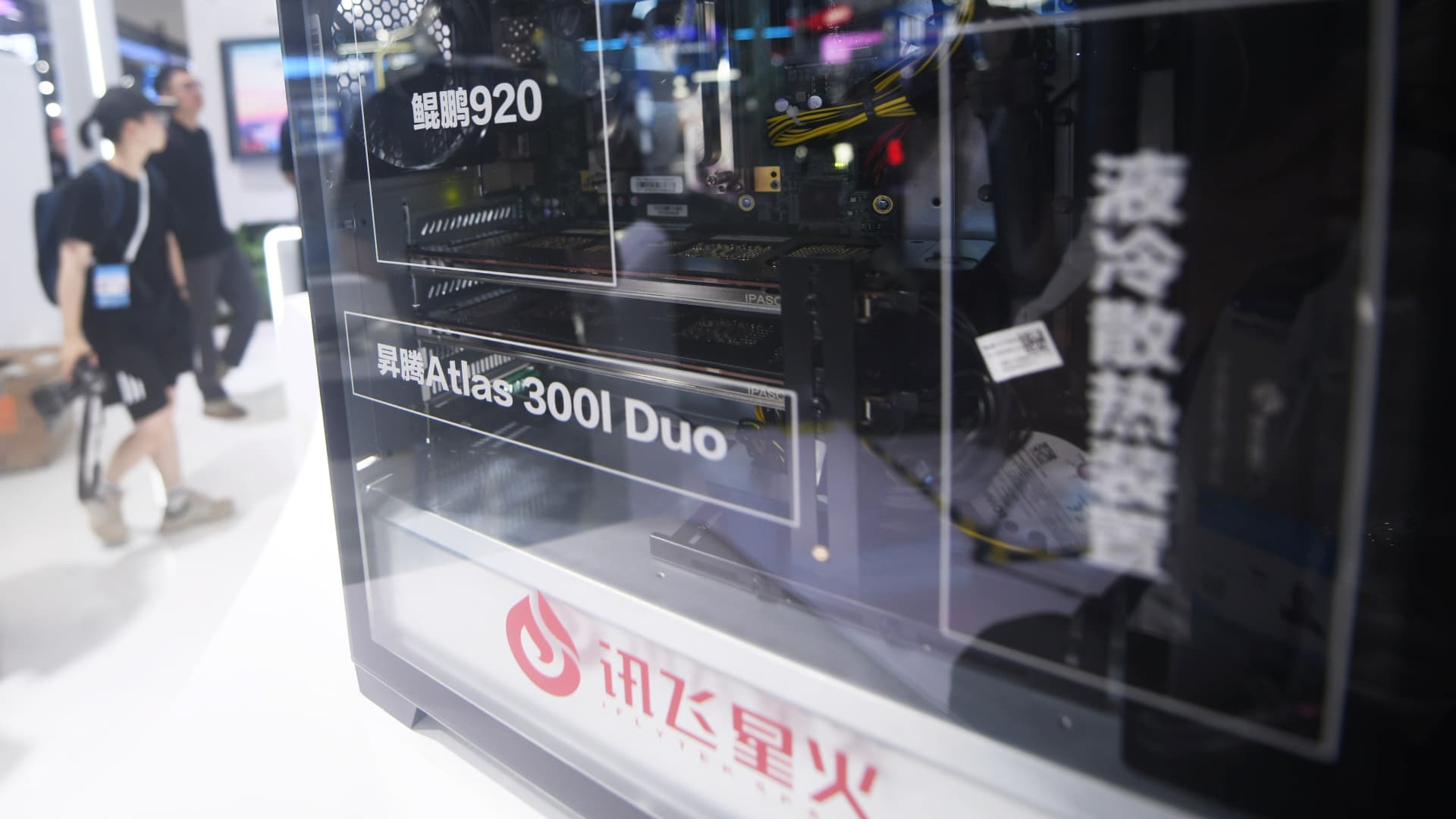
- Diversified Chip Supply: Zelostech plans to utilize multiple chip suppliers from China and abroad over the next year, moving away from reliance on Nvidia chips, which will significantly reduce costs for its self-driving systems and enhance market competitiveness.
- Vehicle Scale Expansion: Currently operating over 25,000 vehicles across more than 20 countries primarily for logistics, Zelostech aims for rapid expansion, which will greatly enhance its data collection capabilities in the autonomous driving sector and strengthen its industry influence.
- Domestic Chip Adoption: Chinese EV manufacturers like Nio and BYD are increasing investments in their own semiconductors, with Nio planning a fivefold increase in computing power spending, indicating a strong push to reduce dependence on Nvidia and promote local technology development.
- Technological Collaboration and Innovation: Huawei is adopting new scientific methods for chip development and plans to incorporate them into future products, signaling a resurgence for Chinese tech giants under U.S. restrictions, potentially accelerating the application and development of domestic chips.
See More
Alibaba and Baidu Designated as Military Companies by U.S. DoD
- Military Company Designation: The U.S. Department of Defense has added Alibaba (BABA) and Baidu (BIDU) to its list of Chinese military companies, based on new criteria that indicate indirect affiliations with various Chinese government bodies, which could lead to increased scrutiny.
- Procurement Ban Consequences: Being listed means Alibaba and Baidu face potential DoD procurement bans, investment restrictions, and supply chain exclusions, which could severely impact their operations in the U.S. market.
- Challenges in Technology Acquisition: The new regulations will complicate Alibaba and Baidu's ability to obtain U.S. technology licenses, potentially hindering their innovation and competitiveness, particularly in the AI sector.
- Contractual Risks Ahead: Starting June 30, 2026, the DoD will prohibit direct contracts with any military company, extending to the entire supply chain by June 30, 2027, which significantly increases operational risks for Alibaba and Baidu.
See More
US Defense Department Adds Alibaba, Baidu, BYD to Military Companies List
- Military Companies List Update: The U.S. Department of Defense has added Alibaba, Baidu, and BYD to its updated list of military companies, indicating these firms are seen as contributors to China's military-civil fusion, potentially impacting their operations in the U.S.
- Procurement Contract Restrictions: Under Section 1260H of the National Defense Authorization Act, the Pentagon will prohibit entering into, extending, or renewing any procurement contracts with these companies or their affiliates, which may limit their business activities in the U.S. market.
- National Security Risk Alert: The inclusion on the list serves to notify the public and private sector of potential national security risks associated with these entities, reflecting heightened U.S. vigilance against foreign technology and intellectual property transfers.
- Market Sentiment Shift: Retail sentiment for Alibaba and Baidu has turned bearish, with Alibaba's stock down approximately 19% year-to-date, while Baidu and BYD have also seen declines of about 2.3%, indicating a decrease in investor confidence in these companies.
See More
Tencent's Chief AI Scientist Envisions Future of AGI
- AGI Vision: Tencent's Chief AI Scientist Yao Shunyu aims to establish a long-term AGI organization, emphasizing the importance of foundational knowledge and frontier exploration, indicating China's ambition in the global AI race.
- Application Transformation: In light of U.S. chip controls, Chinese companies are accelerating the application of AI technology in sectors like factories and consumer electronics, reflecting a focus on practical technology that could drive rapid industry growth.
- Intensified Talent Competition: Uncertainty over U.S. immigration policies has led more Chinese nationals to seek work in their home country, even at lower pay, which may enhance China's talent pool and innovation capacity in the AI sector.
- Investment in Basic Research: China plans to increase investment in basic research over the next five years to pursue scientific breakthroughs, demonstrating the country's commitment to technological advancement and proactive response to global tech competition.
See More
Cathie Wood Increases Holdings in Three Stocks: Analysis
- Alphabet Growth Potential: Alphabet, with a market cap exceeding $4 trillion, has seen its stock price soar 116% over the past year, with projected revenue growth of 21% and earnings per share growth of 32% by 2026, indicating robust profitability and market demand.
- Meta Platforms Acceleration: Meta has reached 3.56 billion daily active users and is expected to achieve its fourth consecutive year of revenue growth, currently trading at a forward P/E of 19, showcasing its strong appeal in the social media sector.
- Alibaba Market Challenges: Despite Alibaba's revenue growth slowing to just 3% in fiscal 2026 after four years of single-digit growth, its stock price doubled last year, reflecting market confidence in its future potential.
- AI Chip Market Entry: Similar to Alphabet, Alibaba is entering the AI chip market; despite facing trade restrictions between China and the U.S., its e-commerce platforms provide financial flexibility to pursue new opportunities.
See More
ARK Investment Management Aggressively Buys Alphabet Stock
- Aggressive Stock Acquisition: ARK Investment Management has been rapidly increasing its stake in Alphabet (GOOGL), disclosing the acquisition of 267,582 shares valued at approximately $96 million on Wednesday, reflecting strong confidence in the company's AI business.
- Strong AI Business Growth: Following the release of the Google Gemini 3 AI model, the company's quarterly reports have markedly improved, with cloud revenue growing 63% to $20 billion in the March quarter, significantly exceeding analysts' average estimate of a 50.1% increase, thereby establishing a solid foundation for future growth.
- Market Reaction and Stock Volatility: Despite ARK's aggressive buying, Alphabet's stock experienced a roughly 4% drop due to concerns over dilution from its plan to raise $80 billion through new equity issuance to expand its AI capabilities, causing investor apprehension.
- Retail Sentiment Remains Bullish: On Stocktwits, retail sentiment for GOOGL remains 'bullish,' with investors generally believing that large institutions and pension funds are seizing the opportunity to increase their investments in AI-related stocks during the current pullback.
See More
China's Tech Self-Sufficiency Accelerates
- Diversified Chip Supply: Zelostech plans to utilize multiple chip suppliers from China and abroad over the next year, moving away from reliance on Nvidia chips, which will significantly reduce costs for its self-driving systems and enhance market competitiveness.
- Vehicle Scale Expansion: Currently operating over 25,000 vehicles across more than 20 countries primarily for logistics, Zelostech aims for rapid expansion, which will greatly enhance its data collection capabilities in the autonomous driving sector and strengthen its industry influence.
- Domestic Chip Adoption: Chinese EV manufacturers like Nio and BYD are increasing investments in their own semiconductors, with Nio planning a fivefold increase in computing power spending, indicating a strong push to reduce dependence on Nvidia and promote local technology development.
- Technological Collaboration and Innovation: Huawei is adopting new scientific methods for chip development and plans to incorporate them into future products, signaling a resurgence for Chinese tech giants under U.S. restrictions, potentially accelerating the application and development of domestic chips.
See More