Warren Buffett Retires, Greg Abel Takes Over as CEO
Written by Emily J. Thompson, Senior Investment Analyst
Updated: May 08 2026
0mins

Source: NASDAQ.COM
- Record Cash Reserves: Berkshire Hathaway's cash pile has surged from $106 billion to a record $397 billion over the past four years, indicating a cautious investment strategy in the current high-valuation market, with Abel poised to deploy this capital during price dislocations.
- Continued Net Stock Sales: Over the last 14 quarters, Buffett and Abel have net sold approximately $195 billion in stocks, reflecting their concerns about current market valuations and demonstrating the company's patience in seeking suitable investment opportunities.
- Buffett Indicator Hits All-Time High: As of April 30, the Buffett Indicator reached 227%, surpassing the peaks seen during the Dot Com Bubble and the Global Financial Crisis, indicating that U.S. stock market valuations are at historic highs, potentially signaling an impending market correction.
- Shift in Investment Strategy: Buffett and Abel have adjusted their investment strategy during the bull market, emphasizing cash reserves in a high-valuation environment, which suggests their vigilance regarding future market volatility and a potential search for investment opportunities during market pullbacks.
Trade with 70% Backtested Accuracy
Stop guessing "Should I Buy BAC?" and start using high-conviction signals backed by rigorous historical data.
Sign up today to access powerful investing tools and make smarter, data-driven decisions.
Analyst Views on BAC
Wall Street analysts forecast BAC stock price to rise
19 Analyst Rating
15 Buy
4 Hold
0 Sell
Strong Buy
Current: 54.170

Low
55.00
Averages
61.64
High
71.00
Current: 54.170
Low
55.00
Averages
61.64
High
71.00
About BAC
Bank of America Corporation is a bank holding company and a financial holding company. Its segments include Consumer Banking, Global Wealth & Investment Management (GWIM), Global Banking and Global Markets. Consumer Banking segment offers a range of credit, banking and investment products and services to consumers and small businesses. The GWIM includes two businesses: Merrill Wealth Management, which provides tailored solutions to meet clients' needs through a full set of investment management, brokerage, banking and retirement products and Bank of America Private Bank, which provides comprehensive wealth management solutions. Global Banking segment provides a range of lending-related products and services, integrated working capital management and treasury solutions, and underwriting and advisory services. Global Markets segment offers sales and trading services and research services to institutional clients across fixed-income, credit, currency, commodity, and equity businesses.
About the author

Emily J. Thompson
Emily J. Thompson, a Chartered Financial Analyst (CFA) with 12 years in investment research, graduated with honors from the Wharton School. Specializing in industrial and technology stocks, she provides in-depth analysis for Intellectia’s earnings and market brief reports.
Bank of America Provides Free Tickets for World Cup 2026 to Veterans
- Veteran Support: Bank of America partners with Vet Tix to donate $2 million, providing 4,547 free World Cup tickets to veterans, active military, and first responders, showcasing appreciation for those who serve.
- Nationwide Coverage: The tickets will cover all stages of the tournament across 11 U.S. host cities, ensuring that eligible military families can participate in this global event, thereby enhancing community cohesion.
- Celebrating America's 250th: As part of the America 250 celebration, Bank of America will host a BofA Fan Experience on the National Mall in Washington, D.C., offering family-friendly activities and live match viewing, further enhancing brand visibility.
- Long-term Commitment: With over a century of providing specialized financial services to military personnel, Bank of America aims to continue supporting veterans and their families through this initiative, demonstrating its ongoing commitment to social responsibility.
See More
Market Shifts to Expect Fed Rate Hike in 2026


- Market Expectation Shift: At the beginning of 2026, experts anticipated at least one or two rate cuts by the Federal Reserve, but now there is over a 50% chance priced into the market for a rate hike, indicating a significant shift in investor sentiment regarding future monetary policy.
- Stocks to Watch: Analysts have identified five stocks that could benefit from the anticipated rate hike, although specific stocks were not mentioned, suggesting increased confidence in certain companies amidst a rising interest rate environment.
- Historical Returns Comparison: According to Motley Fool, previously recommended stocks like Netflix and Nvidia yielded returns of 443,191% and 1,258,838% respectively, highlighting the potential for substantial gains from carefully selected stocks during market fluctuations.
- Investment Recommendations: While JPMorgan Chase was not included in the current top 10 stock recommendations, analysts emphasize that investors should consider these stocks' potential returns, especially in the current market context where new investment opportunities may arise.
See More

Market Shifts to Fed Rate Hike Expectations, Five Stocks May Benefit
- Market Expectation Shift: At the beginning of 2026, experts widely anticipated at least one or two rate cuts from the Federal Reserve; however, the market now prices in over a 50% chance of a rate hike, indicating growing concerns over a shift in monetary policy.
- Investor Reaction: As expectations for a rate hike rise, investors may reassess their portfolios, particularly in interest-sensitive sectors like finance and real estate, which could see positive impacts from such a shift.
- Stock Selection: In a rising rate environment, certain stocks may benefit, especially those with strong cash flows and stable earnings, as these companies can maintain competitiveness amid increasing interest rates.
- Future Outlook: Should the Federal Reserve proceed with a rate hike, it would have profound implications for the market, potentially driving funds toward more defensive stocks while also affecting the overall economic growth outlook.
See More

Bank of America Highlights Attractive Stock Opportunities


- Quality Stock Recommendations: Analyst Chen Luo from Bank of America highlights Yum China as a compelling buy opportunity despite a 10% drop in 2026, attributing the weakness to liquidity rather than fundamentals, with positive same-store sales growth indicating financial soundness.
- Aramark's Market Advantage: Analyst Curtis Nagle notes that Aramark has established a first-mover advantage with its Nexus platform launch, which is expected to generate several hundred million in revenue, positioning the company for significant earnings upside from data center buildouts, with shares up nearly 45% in 2026.
- Bath & Body Works' Successful Turnaround: Analyst Lorraine Hutchinson emphasizes that management's effective strategies are driving brand transformation, particularly through Amazon partnerships that attract customers willing to pay more for convenience, despite a 13% stock decline this year, sales and margins are expected to stabilize.
- Growth Potential for Church & Dwight: Analysts see Church & Dwight as having a compelling risk/reward setup due to long-term volume improvements and market share gains, with 36% exposure to value products mitigating private label risks, and potential for tuck-in M&A to enhance market position.
See More
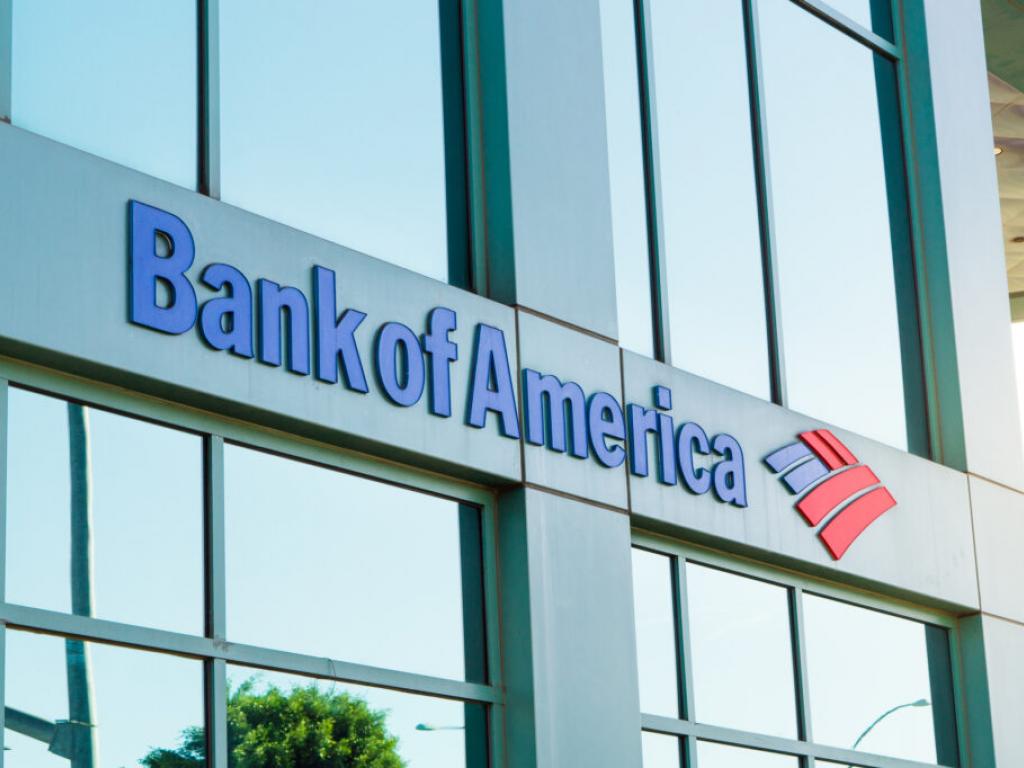
Bank of America Executive Stacy Brandon Retires After 39 Years
- Executive Retirement: Stacy Brandon retires after 39 years at Bank of America, having served as president of Upstate South Carolina for over a decade, marking a significant leadership transition that may impact market strategy and client relations.
- New President Appointment: Chip McLeod is appointed as the new president, bringing over 30 years of experience in wealth management, and is expected to drive market share growth by building strong local connections and enhancing client service quality.
- Market Growth Strategy: McLeod will be responsible for driving Bank of America's market share growth in Upstate by leveraging the resources of the company's eight lines of business, aiming to deepen relationships with clients and communities for sustainable business development.
- Community Engagement: McLeod is actively involved in community activities across South Carolina, having been appointed to the Council of Advisors on Consumer Credit, demonstrating his commitment to local economic and social responsibilities, which may enhance the company's brand image in the region.
See More

Bank of America Appoints New President for Upstate South Carolina
- Leadership Change: Bank of America has appointed Chip McLeod as the new president for Upstate South Carolina, succeeding Stacy Brandon, who retired after 39 years, indicating a strategic shift in the company's leadership approach.
- Market Expansion Strategy: McLeod will lead efforts to grow market share in Upstate by building strong local connections and identifying opportunities to deepen client relationships, thereby enhancing the company's competitive position in the region.
- Community Engagement: Since 2020, Bank of America has invested $3.8 million in Upstate South Carolina to empower community leadership and economic mobility, while employees have volunteered over 26,000 hours, reflecting the company's commitment to local support.
- Loan Support: The bank has extended $67.8 million in small business loans and $643 million in commercial loans in the Upstate, fueling economic growth and entrepreneurship, further solidifying its position as the #1 small business lender in the U.S.
See More
Bank of America Provides Free Tickets for World Cup 2026 to Veterans
- Veteran Support: Bank of America partners with Vet Tix to donate $2 million, providing 4,547 free World Cup tickets to veterans, active military, and first responders, showcasing appreciation for those who serve.
- Nationwide Coverage: The tickets will cover all stages of the tournament across 11 U.S. host cities, ensuring that eligible military families can participate in this global event, thereby enhancing community cohesion.
- Celebrating America's 250th: As part of the America 250 celebration, Bank of America will host a BofA Fan Experience on the National Mall in Washington, D.C., offering family-friendly activities and live match viewing, further enhancing brand visibility.
- Long-term Commitment: With over a century of providing specialized financial services to military personnel, Bank of America aims to continue supporting veterans and their families through this initiative, demonstrating its ongoing commitment to social responsibility.
See More
Market Shifts to Expect Fed Rate Hike in 2026
- Market Expectation Shift: At the beginning of 2026, experts anticipated at least one or two rate cuts by the Federal Reserve, but now there is over a 50% chance priced into the market for a rate hike, indicating a significant shift in investor sentiment regarding future monetary policy.
- Stocks to Watch: Analysts have identified five stocks that could benefit from the anticipated rate hike, although specific stocks were not mentioned, suggesting increased confidence in certain companies amidst a rising interest rate environment.
- Historical Returns Comparison: According to Motley Fool, previously recommended stocks like Netflix and Nvidia yielded returns of 443,191% and 1,258,838% respectively, highlighting the potential for substantial gains from carefully selected stocks during market fluctuations.
- Investment Recommendations: While JPMorgan Chase was not included in the current top 10 stock recommendations, analysts emphasize that investors should consider these stocks' potential returns, especially in the current market context where new investment opportunities may arise.
See More
Market Shifts to Fed Rate Hike Expectations, Five Stocks May Benefit
- Market Expectation Shift: At the beginning of 2026, experts widely anticipated at least one or two rate cuts from the Federal Reserve; however, the market now prices in over a 50% chance of a rate hike, indicating growing concerns over a shift in monetary policy.
- Investor Reaction: As expectations for a rate hike rise, investors may reassess their portfolios, particularly in interest-sensitive sectors like finance and real estate, which could see positive impacts from such a shift.
- Stock Selection: In a rising rate environment, certain stocks may benefit, especially those with strong cash flows and stable earnings, as these companies can maintain competitiveness amid increasing interest rates.
- Future Outlook: Should the Federal Reserve proceed with a rate hike, it would have profound implications for the market, potentially driving funds toward more defensive stocks while also affecting the overall economic growth outlook.
See More
Bank of America Highlights Attractive Stock Opportunities
- Quality Stock Recommendations: Analyst Chen Luo from Bank of America highlights Yum China as a compelling buy opportunity despite a 10% drop in 2026, attributing the weakness to liquidity rather than fundamentals, with positive same-store sales growth indicating financial soundness.
- Aramark's Market Advantage: Analyst Curtis Nagle notes that Aramark has established a first-mover advantage with its Nexus platform launch, which is expected to generate several hundred million in revenue, positioning the company for significant earnings upside from data center buildouts, with shares up nearly 45% in 2026.
- Bath & Body Works' Successful Turnaround: Analyst Lorraine Hutchinson emphasizes that management's effective strategies are driving brand transformation, particularly through Amazon partnerships that attract customers willing to pay more for convenience, despite a 13% stock decline this year, sales and margins are expected to stabilize.
- Growth Potential for Church & Dwight: Analysts see Church & Dwight as having a compelling risk/reward setup due to long-term volume improvements and market share gains, with 36% exposure to value products mitigating private label risks, and potential for tuck-in M&A to enhance market position.
See More
Bank of America Executive Stacy Brandon Retires After 39 Years
- Executive Retirement: Stacy Brandon retires after 39 years at Bank of America, having served as president of Upstate South Carolina for over a decade, marking a significant leadership transition that may impact market strategy and client relations.
- New President Appointment: Chip McLeod is appointed as the new president, bringing over 30 years of experience in wealth management, and is expected to drive market share growth by building strong local connections and enhancing client service quality.
- Market Growth Strategy: McLeod will be responsible for driving Bank of America's market share growth in Upstate by leveraging the resources of the company's eight lines of business, aiming to deepen relationships with clients and communities for sustainable business development.
- Community Engagement: McLeod is actively involved in community activities across South Carolina, having been appointed to the Council of Advisors on Consumer Credit, demonstrating his commitment to local economic and social responsibilities, which may enhance the company's brand image in the region.
See More
Bank of America Appoints New President for Upstate South Carolina
- Leadership Change: Bank of America has appointed Chip McLeod as the new president for Upstate South Carolina, succeeding Stacy Brandon, who retired after 39 years, indicating a strategic shift in the company's leadership approach.
- Market Expansion Strategy: McLeod will lead efforts to grow market share in Upstate by building strong local connections and identifying opportunities to deepen client relationships, thereby enhancing the company's competitive position in the region.
- Community Engagement: Since 2020, Bank of America has invested $3.8 million in Upstate South Carolina to empower community leadership and economic mobility, while employees have volunteered over 26,000 hours, reflecting the company's commitment to local support.
- Loan Support: The bank has extended $67.8 million in small business loans and $643 million in commercial loans in the Upstate, fueling economic growth and entrepreneurship, further solidifying its position as the #1 small business lender in the U.S.
See More