Walmart vs. Costco: A Competitive Analysis
Written by Emily J. Thompson, Senior Investment Analyst
Updated: May 19 2026
0mins

Source: Fool
- Revenue Comparison: Walmart reported $161.5 billion in revenue for Q2 2024, while Costco generated $58.5 billion in the same period; despite Costco's impressive 9.2% year-over-year growth, Walmart's scale advantage leads to superior market performance.
- Technology Investments: Walmart is undertaking a massive store remodeling initiative aimed at enhancing customer experience and driving future sales growth, whereas Costco is rolling out membership card scanners nationwide to improve operational efficiency, highlighting their differing technological focuses.
- Net Margin Differences: As of January 2026, Walmart's net income margin stands at 2.3%, slightly lower than Costco's 2.9%; however, Walmart's stock has surged 115% over the past two years, significantly outperforming Costco's 30% return.
- Future Outlook: With increased investments in AI and e-commerce, Walmart's AI shopping assistant Sparky is already driving higher order values, while Costco is also striving to enhance checkout speed and employee productivity through digital initiatives, making technological leverage crucial for both companies in the next five years.
Trade with 70% Backtested Accuracy
Stop guessing "Should I Buy WMT?" and start using high-conviction signals backed by rigorous historical data.
Sign up today to access powerful investing tools and make smarter, data-driven decisions.
Analyst Views on WMT
Wall Street analysts forecast WMT stock price to rise
26 Analyst Rating
25 Buy
1 Hold
0 Sell
Strong Buy
Current: 113.060

Low
119.00
Averages
125.75
High
136.00
Current: 113.060
Low
119.00
Averages
125.75
High
136.00
About WMT
Walmart Inc. is a technology-powered omnichannel retailer. The Company is engaged in the operation of retail and wholesale stores and clubs, as well as eCommerce Websites and mobile applications, located throughout the United States (U.S.), Africa, Canada, Central America, Chile, China, India and Mexico. It operates in three reportable segments: Walmart U.S., Walmart International and Sam's Club U.S. The Walmart U.S. segment includes the Company's mass merchandising concept in the U.S., as well as eCommerce, which includes omni-channel initiatives and certain other business offerings such as advertising services. The Walmart International segment consists of the Company's operations outside of the U.S. through its subsidiaries, as well as eCommerce and omni-channel initiatives. The Sam's Club U.S. segment includes the warehouse membership clubs in the U.S., as well as samsclub.com and omni-channel initiatives.
About the author

Emily J. Thompson
Emily J. Thompson, a Chartered Financial Analyst (CFA) with 12 years in investment research, graduated with honors from the Wharton School. Specializing in industrial and technology stocks, she provides in-depth analysis for Intellectia’s earnings and market brief reports.

Walmart's Expenses Grow Faster Than Expected

- Expense Growth Exceeds Expectations: Walmart reported that its expenses are growing faster than anticipated, which may impact future profitability and indicates challenges in cost control for the company.
- Investment Recommendation Shift: Despite Walmart's significant market presence, The Motley Fool's analyst team did not include it in their current list of top investment stocks, reflecting a cautious market sentiment regarding its future performance.
- Historical Return Comparison: Compared to previously recommended stocks like Netflix and Nvidia, which achieved returns of 462,983% and 1,375,447% respectively, Walmart has not demonstrated the same investment appeal, indicating a relative weakness in investor sentiment.
- Market Performance Discrepancy: With Stock Advisor's total average return at 995%, significantly surpassing the S&P 500's 212%, this further underscores Walmart's competitive disadvantage in the current market landscape.
See More

Opportunities in Dividend Stocks Amid Economic Challenges

- Walmart's Strong Performance: Walmart's Q1 2027 revenue grew by 7.3% year-over-year to $177.8 billion, with adjusted EPS rising 8.2% to $0.66, although its stock fell due to second-quarter guidance falling short of expectations, reflecting market caution about future performance.
- E-commerce Growth: Walmart's e-commerce sales surged 26% year-over-year, not only boosting overall sales but also providing higher-margin opportunities, particularly in advertising and third-party seller services, further enhancing its competitive edge.
- Visa and Mastercard's Market Position: Visa and Mastercard have established a duopoly in the payment network space, and despite facing regulatory pressures and market fluctuations, both maintain strong competitive advantages due to network effects, with Visa being the preferred payment method for merchants.
- Future Growth Potential: Both companies have significant growth potential in underdeveloped markets with lower credit card penetration, presenting higher risks but also greater upside, and their increasing free cash flow ensures the sustainability of their dividend policies, making them top long-term investment choices.
See More

Walmart's Stock Drop Presents Buying Opportunity
- Strong Performance Yet Stock Drop: Walmart's Q1 2027 revenue rose 7.3% year-over-year to $177.8 billion, with adjusted EPS increasing 8.2% to $0.66; however, the stock fell due to second-quarter guidance falling short of analyst expectations, highlighting market sensitivity to high valuations.
- E-commerce Growth Surge: Walmart's e-commerce sales grew 26% year-over-year in the latest quarter, significantly outpacing traditional retail, indicating the company's ability to capitalize on the shift to online shopping, which could enhance profits and market share.
- Stable Dividend Policy: As a 'Dividend King', Walmart has raised its dividend for 50 consecutive years, remaining resilient even in the current economic climate, suggesting that long-term holders could achieve superior returns, especially with reinvested dividends.
- Duopoly in Payment Industry: Visa and Mastercard dominate the payment network space, facing regulatory pressures and market challenges, yet both possess substantial market potential with a combined addressable market exceeding $11 trillion, making them solid long-term holdings.
See More

US Retailers Face Consumer Spending Pressure Amid Rising Gas Prices

- Changing Consumer Spending: While retailers like Dollar Tree and Walmart continue to see sales, consumer spending patterns are becoming more selective, prioritizing essentials and value-driven purchases, which is impacting overall retail performance as discretionary spending declines.
- Lower-Income Cutbacks: The CFO of Dollar General noted that core lower-income customers are cutting back on expenses, including food, while higher-income shoppers are increasingly turning to discount retailers, indicating a shift in consumer demographics and market pressures.
- Impact of Gas Prices on Spending: Analysts warn that if the national average gas price remains above $4.00 per gallon, discretionary spending could face increased pressure, particularly during the upcoming back-to-school and holiday shopping seasons, potentially affecting retailer revenues.
- K-Shaped Recovery: Despite strong spending from higher-income consumers on apparel and luxury beauty products, lower-income households are pulling back under inflationary pressures, highlighting a K-shaped recovery in U.S. consumer spending that retailers must navigate carefully.
See More
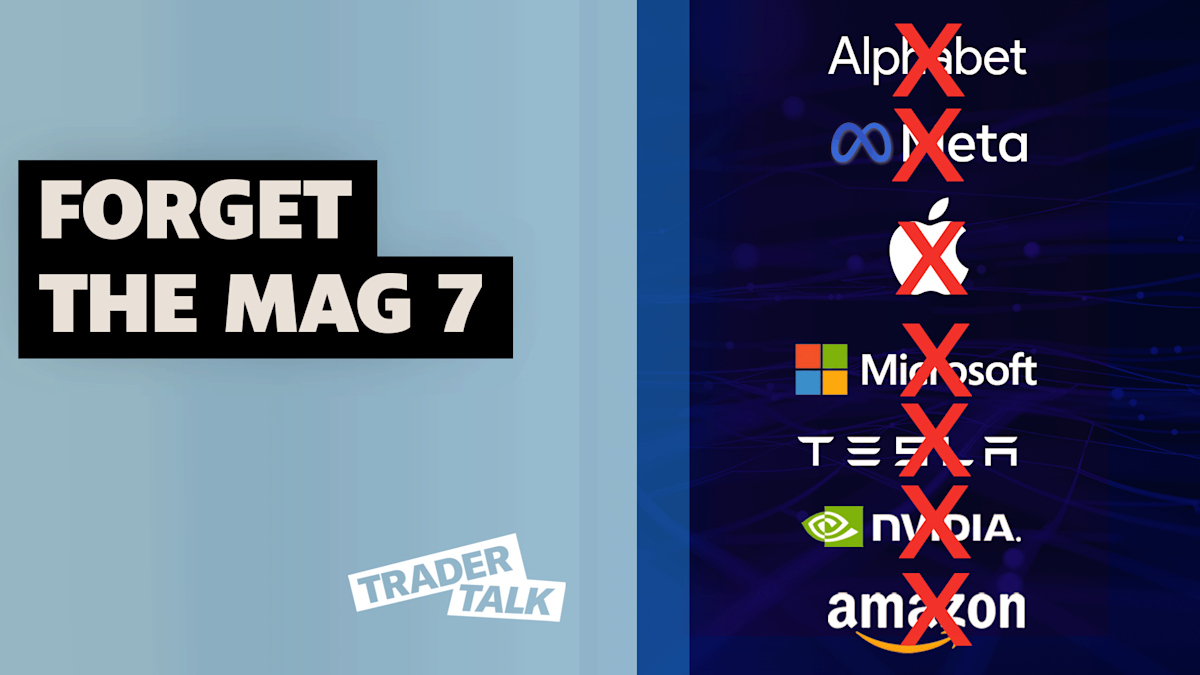
Capital Shifts Towards Tech Infrastructure Amid AI Boom

- Market Dynamics: The first half of 2026 has seen significant market volatility, with the ongoing Iran conflict not deterring oil-exporting nations from profiting, thereby stabilizing the tech sector and demonstrating market resilience to geopolitical tensions.
- International Investment Resurgence: Sean O'Hara from Pacer ETFs highlights a revival in international markets driven by a weaker dollar and valuation adjustments, particularly with the launch of a new ETF in collaboration with NASDAQ, which has exceeded performance expectations and rekindled global investor interest in emerging markets.
- Data Center Construction Trends: The demand for data centers is surging, with hyper-scalers expected to invest $4 to $6 trillion over the next three years in infrastructure, including data centers and cooling systems, reflecting the long-term potential of AI technology development.
- Energy and Cooling System Shortages: Experts warn of impending shortages in chips and cooling systems, particularly against the backdrop of rapid AI advancements, which will drive investments and technological innovations in related sectors, creating new market opportunities.
See More

Walmart Faces Challenges but Holds Significant Potential
- Consumer Caution: Following Walmart's fiscal Q1 2027 earnings report, its stock price dropped 11.5% from May 20 to May 29, indicating investor concerns about its future performance amidst cautious consumers, persistent inflation, and high fuel costs.
- Walmart+ Membership Growth: Launched in 2020, the Walmart+ subscription service shows that members spend four times more than non-members and visit Walmart's website seven times more annually, highlighting its significant impact on customer loyalty and spending.
- Diversified Revenue Sources: The first-quarter earnings report revealed double-digit revenue growth from Walmart+, indicating the company's strengthening of other revenue streams, including advertising and online sales, enhancing its resilience against market fluctuations.
- Optimistic Future Outlook: Although Walmart did not raise its fiscal 2027 guidance, investor sentiment remains optimistic about its potential, as the continued growth of Walmart+ memberships and expansion of other revenue sources are expected to drive stronger growth in the future.
See More
Walmart's Expenses Grow Faster Than Expected
- Expense Growth Exceeds Expectations: Walmart reported that its expenses are growing faster than anticipated, which may impact future profitability and indicates challenges in cost control for the company.
- Investment Recommendation Shift: Despite Walmart's significant market presence, The Motley Fool's analyst team did not include it in their current list of top investment stocks, reflecting a cautious market sentiment regarding its future performance.
- Historical Return Comparison: Compared to previously recommended stocks like Netflix and Nvidia, which achieved returns of 462,983% and 1,375,447% respectively, Walmart has not demonstrated the same investment appeal, indicating a relative weakness in investor sentiment.
- Market Performance Discrepancy: With Stock Advisor's total average return at 995%, significantly surpassing the S&P 500's 212%, this further underscores Walmart's competitive disadvantage in the current market landscape.
See More
Opportunities in Dividend Stocks Amid Economic Challenges
- Walmart's Strong Performance: Walmart's Q1 2027 revenue grew by 7.3% year-over-year to $177.8 billion, with adjusted EPS rising 8.2% to $0.66, although its stock fell due to second-quarter guidance falling short of expectations, reflecting market caution about future performance.
- E-commerce Growth: Walmart's e-commerce sales surged 26% year-over-year, not only boosting overall sales but also providing higher-margin opportunities, particularly in advertising and third-party seller services, further enhancing its competitive edge.
- Visa and Mastercard's Market Position: Visa and Mastercard have established a duopoly in the payment network space, and despite facing regulatory pressures and market fluctuations, both maintain strong competitive advantages due to network effects, with Visa being the preferred payment method for merchants.
- Future Growth Potential: Both companies have significant growth potential in underdeveloped markets with lower credit card penetration, presenting higher risks but also greater upside, and their increasing free cash flow ensures the sustainability of their dividend policies, making them top long-term investment choices.
See More
Walmart's Stock Drop Presents Buying Opportunity
- Strong Performance Yet Stock Drop: Walmart's Q1 2027 revenue rose 7.3% year-over-year to $177.8 billion, with adjusted EPS increasing 8.2% to $0.66; however, the stock fell due to second-quarter guidance falling short of analyst expectations, highlighting market sensitivity to high valuations.
- E-commerce Growth Surge: Walmart's e-commerce sales grew 26% year-over-year in the latest quarter, significantly outpacing traditional retail, indicating the company's ability to capitalize on the shift to online shopping, which could enhance profits and market share.
- Stable Dividend Policy: As a 'Dividend King', Walmart has raised its dividend for 50 consecutive years, remaining resilient even in the current economic climate, suggesting that long-term holders could achieve superior returns, especially with reinvested dividends.
- Duopoly in Payment Industry: Visa and Mastercard dominate the payment network space, facing regulatory pressures and market challenges, yet both possess substantial market potential with a combined addressable market exceeding $11 trillion, making them solid long-term holdings.
See More
US Retailers Face Consumer Spending Pressure Amid Rising Gas Prices
- Changing Consumer Spending: While retailers like Dollar Tree and Walmart continue to see sales, consumer spending patterns are becoming more selective, prioritizing essentials and value-driven purchases, which is impacting overall retail performance as discretionary spending declines.
- Lower-Income Cutbacks: The CFO of Dollar General noted that core lower-income customers are cutting back on expenses, including food, while higher-income shoppers are increasingly turning to discount retailers, indicating a shift in consumer demographics and market pressures.
- Impact of Gas Prices on Spending: Analysts warn that if the national average gas price remains above $4.00 per gallon, discretionary spending could face increased pressure, particularly during the upcoming back-to-school and holiday shopping seasons, potentially affecting retailer revenues.
- K-Shaped Recovery: Despite strong spending from higher-income consumers on apparel and luxury beauty products, lower-income households are pulling back under inflationary pressures, highlighting a K-shaped recovery in U.S. consumer spending that retailers must navigate carefully.
See More
Capital Shifts Towards Tech Infrastructure Amid AI Boom
- Market Dynamics: The first half of 2026 has seen significant market volatility, with the ongoing Iran conflict not deterring oil-exporting nations from profiting, thereby stabilizing the tech sector and demonstrating market resilience to geopolitical tensions.
- International Investment Resurgence: Sean O'Hara from Pacer ETFs highlights a revival in international markets driven by a weaker dollar and valuation adjustments, particularly with the launch of a new ETF in collaboration with NASDAQ, which has exceeded performance expectations and rekindled global investor interest in emerging markets.
- Data Center Construction Trends: The demand for data centers is surging, with hyper-scalers expected to invest $4 to $6 trillion over the next three years in infrastructure, including data centers and cooling systems, reflecting the long-term potential of AI technology development.
- Energy and Cooling System Shortages: Experts warn of impending shortages in chips and cooling systems, particularly against the backdrop of rapid AI advancements, which will drive investments and technological innovations in related sectors, creating new market opportunities.
See More
Walmart Faces Challenges but Holds Significant Potential
- Consumer Caution: Following Walmart's fiscal Q1 2027 earnings report, its stock price dropped 11.5% from May 20 to May 29, indicating investor concerns about its future performance amidst cautious consumers, persistent inflation, and high fuel costs.
- Walmart+ Membership Growth: Launched in 2020, the Walmart+ subscription service shows that members spend four times more than non-members and visit Walmart's website seven times more annually, highlighting its significant impact on customer loyalty and spending.
- Diversified Revenue Sources: The first-quarter earnings report revealed double-digit revenue growth from Walmart+, indicating the company's strengthening of other revenue streams, including advertising and online sales, enhancing its resilience against market fluctuations.
- Optimistic Future Outlook: Although Walmart did not raise its fiscal 2027 guidance, investor sentiment remains optimistic about its potential, as the continued growth of Walmart+ memberships and expansion of other revenue sources are expected to drive stronger growth in the future.
See More