Walmart Drops Nearly 8% Due to High Fuel Costs Impacting Margins
Written by Emily J. Thompson, Senior Investment Analyst
Updated: 38 minutes ago
0mins

Source: NASDAQ.COM
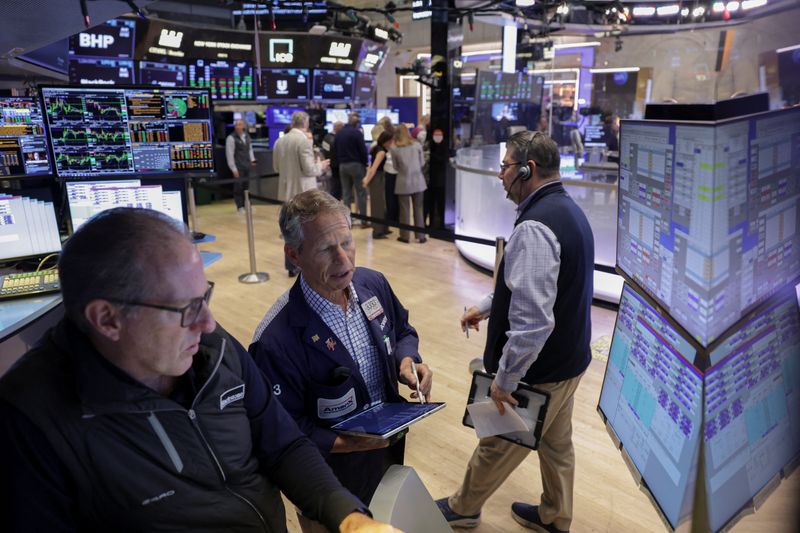
- Walmart Stock Decline: Walmart's stock dropped nearly 8% due to high fuel costs impacting margins, despite beating revenue expectations; the soft guidance negatively affected market sentiment, dragging down both the Dow and Nasdaq indexes.
- Nvidia's Performance Miss: Nvidia reported $81.6 billion in quarterly revenue and provided a $91 billion guidance for the next quarter along with an $80 billion buyback, yet its stock fell 1.7%, indicating that the market's high expectations overshadowed even strong results, reflecting investor caution about future growth.
- Quantum Computing Gains: The Trump administration's $2 billion initiative to boost domestic quantum capabilities led to an 8.4% increase in IBM's stock, while D-Wave Quantum and Rigetti Computing surged about 25%, demonstrating the positive impact of government spending on emerging technology sectors.
- Increased Market Volatility: Following a week of significant market fluctuations, investors are advised to remain patient and diversified; although current market sentiment is unstable, the fundamentals for long-term investments have not changed, emphasizing the importance of focusing on broader economic trends rather than short-term volatility.
Trade with 70% Backtested Accuracy
Stop guessing "Should I Buy WMT?" and start using high-conviction signals backed by rigorous historical data.
Sign up today to access powerful investing tools and make smarter, data-driven decisions.
Analyst Views on WMT
Wall Street analysts forecast WMT stock price to fall
26 Analyst Rating
25 Buy
1 Hold
0 Sell
Strong Buy
Current: 130.850

Low
119.00
Averages
125.75
High
136.00
Current: 130.850
Low
119.00
Averages
125.75
High
136.00
About WMT
Walmart Inc. is a technology-powered omnichannel retailer. The Company is engaged in the operation of retail and wholesale stores and clubs, as well as eCommerce Websites and mobile applications, located throughout the United States (U.S.), Africa, Canada, Central America, Chile, China, India and Mexico. It operates in three reportable segments: Walmart U.S., Walmart International and Sam's Club U.S. The Walmart U.S. segment includes the Company's mass merchandising concept in the U.S., as well as eCommerce, which includes omni-channel initiatives and certain other business offerings such as advertising services. The Walmart International segment consists of the Company's operations outside of the U.S. through its subsidiaries, as well as eCommerce and omni-channel initiatives. The Sam's Club U.S. segment includes the warehouse membership clubs in the U.S., as well as samsclub.com and omni-channel initiatives.
About the author

Emily J. Thompson
Emily J. Thompson, a Chartered Financial Analyst (CFA) with 12 years in investment research, graduated with honors from the Wharton School. Specializing in industrial and technology stocks, she provides in-depth analysis for Intellectia’s earnings and market brief reports.

Walmart to Host Q1 2027 Earnings Call on May 21, 2026

- Earnings Call Announcement: Walmart is set to hold a conference call on May 21, 2026, at 8:00 AM ET to discuss its Q1 2027 earnings results, aiming to provide investors and analysts with insights into the company's financial performance and market conditions.
- Live Webcast Access: Investors can access the live webcast by logging onto Walmart's dedicated webpage, ensuring transparency and timely information dissemination, thereby enhancing communication with shareholders.
- Enhanced Financial Transparency: This call will serve as a platform for Walmart to showcase its market performance and strategic direction, helping investors better understand the company's operational status and financial health.
- Market Reaction Anticipation: While specific financial data has yet to be released, the market is keenly interested in Walmart's performance amid economic fluctuations, which is expected to have a notable impact on its stock price.
See More

Walmart Q1 Fiscal 2027 Earnings Call Insights
- Strong Sales Growth: Walmart achieved nearly 6% constant currency sales growth in Q1, despite absorbing $175 million in higher fuel costs, demonstrating the company's resilience and adaptability in the market.
- E-commerce Momentum: E-commerce sales grew by 26%, while the advertising business saw a global increase of 37%, indicating Walmart's success in digital transformation and further solidifying its market position.
- Price Investment Strategy: The company continues to invest in pricing with approximately 7,200 rollbacks to address consumer budget pressures and attract more customers, which is expected to positively impact future sales growth.
- Robust Outlook: Walmart reiterated its full-year sales growth guidance of 3.5% to 4.5% and projected EPS between $2.75 and $2.85, reflecting management's confidence in future performance.
See More
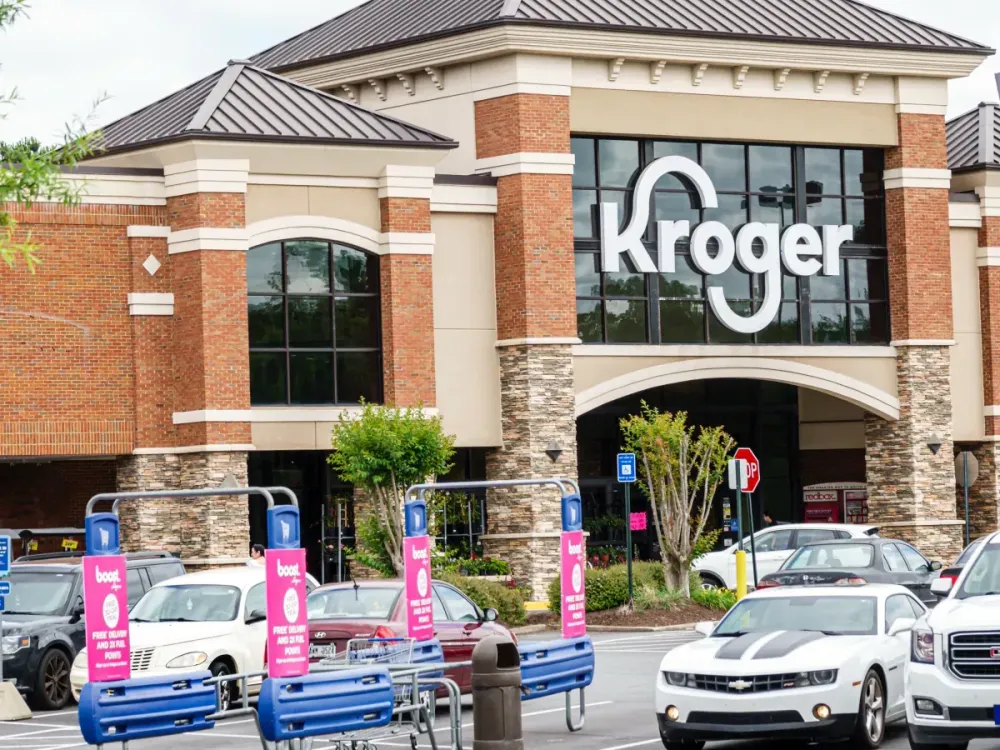
Kroger's New CEO Plans Major Price Cuts to Regain Market Share

- Pricing Strategy: Kroger's new CEO Greg Foran announced a major pricing strategy aimed at reclaiming market share by implementing significant price reductions across thousands of product categories to attract budget-conscious consumers.
- New Store Openings: Kroger plans to open 70 to 80 new stores next year, focusing on regions where it currently lacks presence, thereby supporting its overall growth objectives and enhancing market competitiveness.
- Operational Efficiency: To support the price cuts without eroding profit margins, Kroger will rely on backend operational efficiencies, expecting substantial capital savings through supply chain optimizations and expanded use of artificial intelligence technology.
- Acquisition Setback: Following a major regulatory setback last year when a U.S. federal court blocked Kroger's $25 billion acquisition of Albertsons, the company has shifted its focus entirely toward organic growth and internal investments to navigate market challenges.
See More
Market Volatility Amid Quantum Computing Surge

- Walmart's Earnings Warning: Walmart's stock dropped nearly 8% due to high fuel costs impacting margins, despite beating revenue expectations; this soft guidance weighs on both the Dow and Nasdaq, highlighting challenges faced by the retail sector amid rising costs.
- Nvidia's Tepid Response: Nvidia reported $81.6 billion in quarterly revenue and provided a $91 billion guidance, yet its stock fell about 1.7%, indicating that even stellar results fail to meet sky-high market expectations, affecting the S&P 500 and Nasdaq performance.
- Quantum Computing Gains: The Trump administration's $2 billion initiative to enhance domestic quantum capabilities led to an 8.4% surge in IBM's stock, while D-Wave Quantum and Rigetti Computing soared approximately 25%, showcasing the positive impact of government spending on emerging tech sectors.
- Increased Market Volatility: Following a week of unpredictable trading, investors face dual pressures from high gas prices and ongoing uncertainty, yet long-term investors are advised to remain patient and diversified, as short-term fluctuations do not alter the fundamental value of quality companies.
See More
US Stocks Edge Up as Economic Data Shows Stability

- Economic Stability: US weekly initial unemployment claims fell by 3,000 to 209,000, close to the expected 210,000, indicating stability in the labor market and boosting investor confidence in economic recovery.
- Manufacturing Expansion: The May S&P manufacturing PMI unexpectedly rose by 0.8 to 55.3, surpassing expectations of 53.8, marking the strongest pace of expansion in four years, which could drive investment and growth in related sectors.
- Oil Price Volatility: WTI crude oil prices retreated after an initial 4% gain, influenced by market reactions to the situation in Iran, highlighting the uncertainty in the energy market that may impact the overall economy.
- Corporate Earnings Performance: So far, 83% of the 466 S&P 500 companies have beaten earnings estimates, with Q1 earnings projected to climb 12% year-over-year, providing support for the stock market despite a slowdown in the tech sector.
See More

Walmart Drops Nearly 8% Due to High Fuel Costs Impacting Margins
- Walmart Stock Decline: Walmart's stock dropped nearly 8% due to high fuel costs impacting margins, despite beating revenue expectations; the soft guidance negatively affected market sentiment, dragging down both the Dow and Nasdaq indexes.
- Nvidia's Performance Miss: Nvidia reported $81.6 billion in quarterly revenue and provided a $91 billion guidance for the next quarter along with an $80 billion buyback, yet its stock fell 1.7%, indicating that the market's high expectations overshadowed even strong results, reflecting investor caution about future growth.
- Quantum Computing Gains: The Trump administration's $2 billion initiative to boost domestic quantum capabilities led to an 8.4% increase in IBM's stock, while D-Wave Quantum and Rigetti Computing surged about 25%, demonstrating the positive impact of government spending on emerging technology sectors.
- Increased Market Volatility: Following a week of significant market fluctuations, investors are advised to remain patient and diversified; although current market sentiment is unstable, the fundamentals for long-term investments have not changed, emphasizing the importance of focusing on broader economic trends rather than short-term volatility.
See More
Walmart to Host Q1 2027 Earnings Call on May 21, 2026
- Earnings Call Announcement: Walmart is set to hold a conference call on May 21, 2026, at 8:00 AM ET to discuss its Q1 2027 earnings results, aiming to provide investors and analysts with insights into the company's financial performance and market conditions.
- Live Webcast Access: Investors can access the live webcast by logging onto Walmart's dedicated webpage, ensuring transparency and timely information dissemination, thereby enhancing communication with shareholders.
- Enhanced Financial Transparency: This call will serve as a platform for Walmart to showcase its market performance and strategic direction, helping investors better understand the company's operational status and financial health.
- Market Reaction Anticipation: While specific financial data has yet to be released, the market is keenly interested in Walmart's performance amid economic fluctuations, which is expected to have a notable impact on its stock price.
See More
Walmart Q1 Fiscal 2027 Earnings Call Insights
- Strong Sales Growth: Walmart achieved nearly 6% constant currency sales growth in Q1, despite absorbing $175 million in higher fuel costs, demonstrating the company's resilience and adaptability in the market.
- E-commerce Momentum: E-commerce sales grew by 26%, while the advertising business saw a global increase of 37%, indicating Walmart's success in digital transformation and further solidifying its market position.
- Price Investment Strategy: The company continues to invest in pricing with approximately 7,200 rollbacks to address consumer budget pressures and attract more customers, which is expected to positively impact future sales growth.
- Robust Outlook: Walmart reiterated its full-year sales growth guidance of 3.5% to 4.5% and projected EPS between $2.75 and $2.85, reflecting management's confidence in future performance.
See More
Kroger's New CEO Plans Major Price Cuts to Regain Market Share
- Pricing Strategy: Kroger's new CEO Greg Foran announced a major pricing strategy aimed at reclaiming market share by implementing significant price reductions across thousands of product categories to attract budget-conscious consumers.
- New Store Openings: Kroger plans to open 70 to 80 new stores next year, focusing on regions where it currently lacks presence, thereby supporting its overall growth objectives and enhancing market competitiveness.
- Operational Efficiency: To support the price cuts without eroding profit margins, Kroger will rely on backend operational efficiencies, expecting substantial capital savings through supply chain optimizations and expanded use of artificial intelligence technology.
- Acquisition Setback: Following a major regulatory setback last year when a U.S. federal court blocked Kroger's $25 billion acquisition of Albertsons, the company has shifted its focus entirely toward organic growth and internal investments to navigate market challenges.
See More
Market Volatility Amid Quantum Computing Surge
- Walmart's Earnings Warning: Walmart's stock dropped nearly 8% due to high fuel costs impacting margins, despite beating revenue expectations; this soft guidance weighs on both the Dow and Nasdaq, highlighting challenges faced by the retail sector amid rising costs.
- Nvidia's Tepid Response: Nvidia reported $81.6 billion in quarterly revenue and provided a $91 billion guidance, yet its stock fell about 1.7%, indicating that even stellar results fail to meet sky-high market expectations, affecting the S&P 500 and Nasdaq performance.
- Quantum Computing Gains: The Trump administration's $2 billion initiative to enhance domestic quantum capabilities led to an 8.4% surge in IBM's stock, while D-Wave Quantum and Rigetti Computing soared approximately 25%, showcasing the positive impact of government spending on emerging tech sectors.
- Increased Market Volatility: Following a week of unpredictable trading, investors face dual pressures from high gas prices and ongoing uncertainty, yet long-term investors are advised to remain patient and diversified, as short-term fluctuations do not alter the fundamental value of quality companies.
See More
US Stocks Edge Up as Economic Data Shows Stability
- Economic Stability: US weekly initial unemployment claims fell by 3,000 to 209,000, close to the expected 210,000, indicating stability in the labor market and boosting investor confidence in economic recovery.
- Manufacturing Expansion: The May S&P manufacturing PMI unexpectedly rose by 0.8 to 55.3, surpassing expectations of 53.8, marking the strongest pace of expansion in four years, which could drive investment and growth in related sectors.
- Oil Price Volatility: WTI crude oil prices retreated after an initial 4% gain, influenced by market reactions to the situation in Iran, highlighting the uncertainty in the energy market that may impact the overall economy.
- Corporate Earnings Performance: So far, 83% of the 466 S&P 500 companies have beaten earnings estimates, with Q1 earnings projected to climb 12% year-over-year, providing support for the stock market despite a slowdown in the tech sector.
See More
Walmart Drops Nearly 8% Due to High Fuel Costs Impacting Margins
- Walmart Stock Decline: Walmart's stock dropped nearly 8% due to high fuel costs impacting margins, despite beating revenue expectations; the soft guidance negatively affected market sentiment, dragging down both the Dow and Nasdaq indexes.
- Nvidia's Performance Miss: Nvidia reported $81.6 billion in quarterly revenue and provided a $91 billion guidance for the next quarter along with an $80 billion buyback, yet its stock fell 1.7%, indicating that the market's high expectations overshadowed even strong results, reflecting investor caution about future growth.
- Quantum Computing Gains: The Trump administration's $2 billion initiative to boost domestic quantum capabilities led to an 8.4% increase in IBM's stock, while D-Wave Quantum and Rigetti Computing surged about 25%, demonstrating the positive impact of government spending on emerging technology sectors.
- Increased Market Volatility: Following a week of significant market fluctuations, investors are advised to remain patient and diversified; although current market sentiment is unstable, the fundamentals for long-term investments have not changed, emphasizing the importance of focusing on broader economic trends rather than short-term volatility.
See More