Wall Street Major Indexes Decline as Economic Data Impacts Market
Written by Emily J. Thompson, Senior Investment Analyst
Updated: Mar 13 2026
0mins

Source: seekingalpha
- Market Impact from Economic Data: Major Wall Street indexes closed lower on Friday, with the S&P 500 down 0.6%, the Dow down 0.2%, and the Nasdaq down 0.9%, indicating investor reactions to the latest PCE inflation and GDP reports.
- Paramount Skydance Gains Attention: Paramount Skydance attracted attention in after-hours trading as the NFL discusses extending its Sunday football broadcasting deal with CBS through the 2033-2034 season, potentially increasing the total contract value to approximately $3.1 billion, reflecting the company's confidence in long-term partnerships.
- StoneX Group Faces Compensation: StoneX Group is ordered by a FINRA arbitration panel to pay about $1.8 million to BTIG, despite BTIG being liable for roughly $1.0 million to StoneX, highlighting the financial pressures stemming from legal disputes.
- Cameco's Stock Decline: Cameco's stock fell 6.4% on Friday to its lowest level in two months as the Trump administration explores alternatives to Westinghouse for reviving the U.S. nuclear industry, indicating uncertainty for the company amid shifting policy landscapes.
Trade with 70% Backtested Accuracy
Stop guessing "Should I Buy PSKY?" and start using high-conviction signals backed by rigorous historical data.
Sign up today to access powerful investing tools and make smarter, data-driven decisions.
Analyst Views on PSKY
Wall Street analysts forecast PSKY stock price to rise
15 Analyst Rating
1 Buy
7 Hold
7 Sell
Moderate Sell
Current: 10.280

Low
8.00
Averages
14.08
High
19.00
Current: 10.280
Low
8.00
Averages
14.08
High
19.00
About PSKY
Paramount Skydance Corp is a global media and entertainment company. The Company operates through three segments, including Studios, Direct-to-Consumer, and TV Media. Its TV Media segment includes domestic and international broadcast networks and owned television stations, domestic cable networks and international extensions of certain of its domestic cable network brands, and domestic and international television studio operations. The TV Media includes CBS television network, through which it distributes entertainment, news and public affairs, and sports programming. TV Media also includes a number of digital properties such as CBS News 24/7 and CBS Sports. Its Direct-to-Consumer segment consists of its portfolio of domestic and international pay and free streaming services, including Paramount+, Pluto TV and BET+. Its other portfolio includes Nickelodeon, MTV, BET, Comedy Central, Showtime, Paramount+, Skydance's Animation, Film, Television, Interactive/Games, and others.
About the author

Emily J. Thompson
Emily J. Thompson, a Chartered Financial Analyst (CFA) with 12 years in investment research, graduated with honors from the Wharton School. Specializing in industrial and technology stocks, she provides in-depth analysis for Intellectia’s earnings and market brief reports.

Paramount Earnings Preview: Revenue Expected Flat

- Earnings Announcement: Paramount is set to announce its earnings this Tuesday before market hours, with analysts expecting revenue to remain flat year-on-year, improving from a 2.7% decline in the same quarter last year, indicating the company's pursuit of stability amid challenges.
- Revenue Performance: Last quarter, Paramount reported revenues of $7.35 billion, up 2.2% year-on-year, not only beating analyst expectations but also showing strong performance in EPS and EBITDA, reflecting the company's resilience in the market.
- Market Sentiment: Despite missing Wall Street's revenue estimates multiple times over the past two years, analysts covering Paramount have reaffirmed their estimates in the last 30 days, suggesting confidence in the company's future performance.
- Industry Context: The broader consumer discretionary sector has faced an average decline of 2.1% over the past month, with Paramount's stock also down 1.4%, reflecting a cautious market sentiment towards the industry.
See More
Stephen Colbert Returns to TV as Guest Host
- Controversial Show End: Colbert's departure from CBS's Late Show sparked speculation regarding his relationship with the Trump administration, although Paramount stated financial factors were the sole reason, highlighting the struggles of late-night programming amid the rise of streaming.
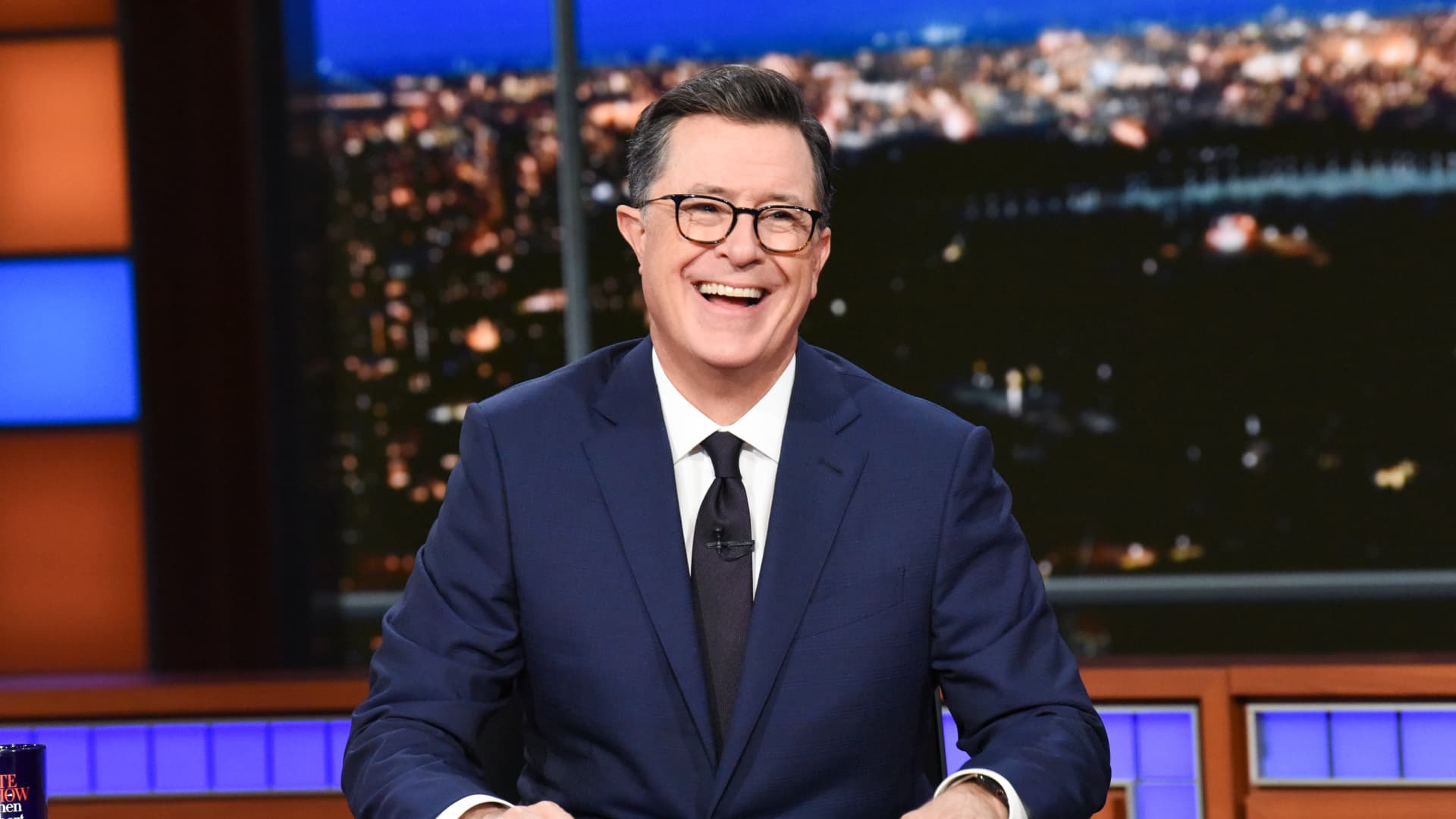
- Unexpected Local TV Return: Just 23 hours after leaving CBS, Colbert guest-hosted Monroe, Michigan's local show, Only in Monroe, showcasing his love for television and gratitude towards the audience.
- Historical Program Reference: Colbert recalled his previous guest hosting in 2015 on Only in Monroe, emphasizing his connection to Michigan while inviting future appearances, reflecting his rapport with local viewers.
- Diverse Guest Lineup: The program featured guests like Michigan-born musician Jack White and actor Jeff Daniels, and included a video call with Byron Allen, enhancing the show's entertainment value and local flavor.
See More
Paramount Hires Lawyer to Defend Merger Deal
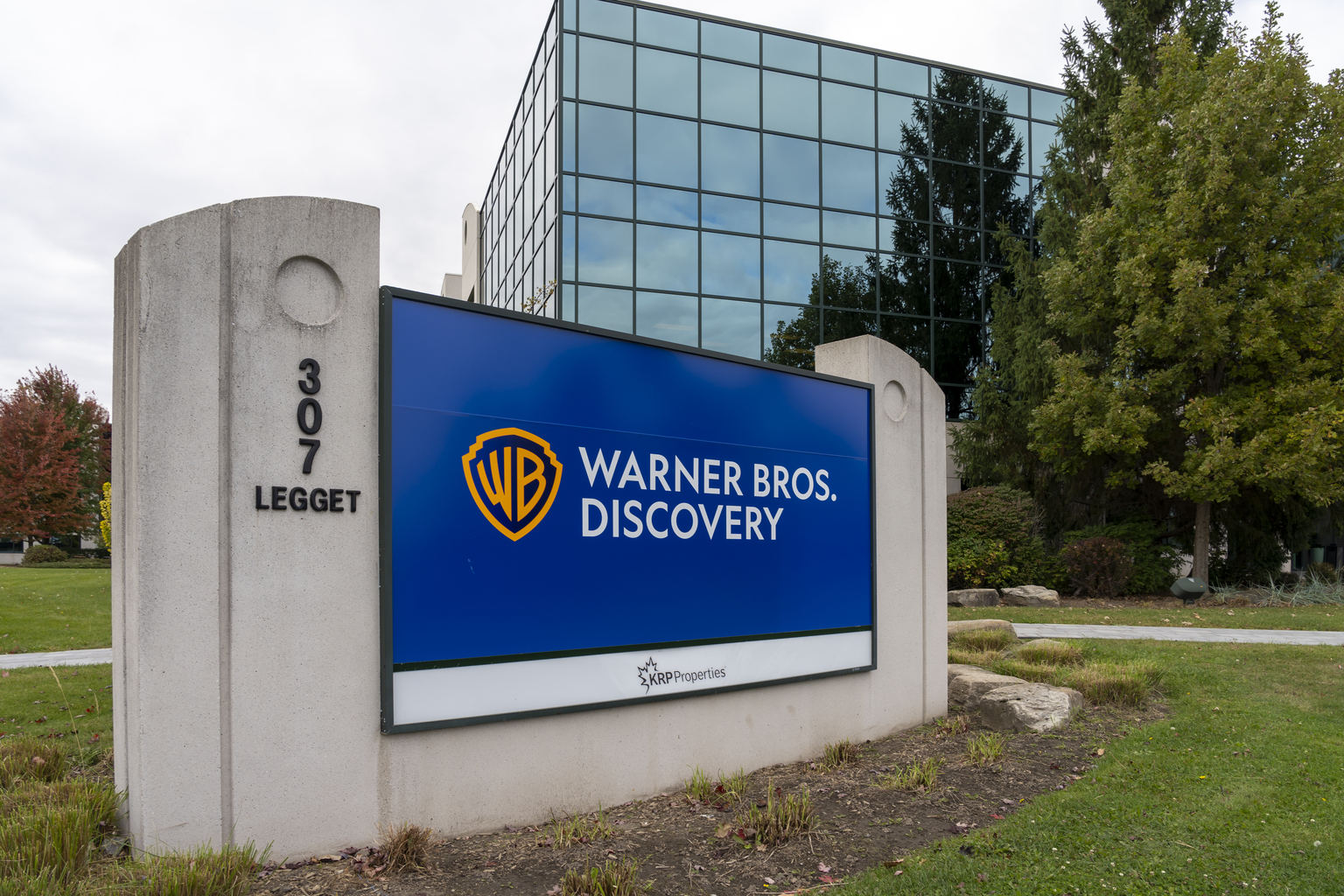
- Merger Legal Challenge: Paramount Skydance has hired 'legal superstar' Jeffrey Kessler to defend its $110 billion acquisition of Warner Bros., demonstrating strong support for the deal despite potential legal challenges from California's Attorney General, which could impact the transaction's progress.
- Increased Legal Risks: Following a New York federal jury's ruling that Live Nation overcharged customers and illegally tied venue usage, resulting in at least $700 million in penalties, investor concerns about legal risks surrounding the Warner Bros. deal have risen, potentially affecting market confidence.
- Uncertain Acquisition Timeline: Although Paramount Skydance aims to finalize the Warner Bros. acquisition by July, legal challenges could delay this goal, impacting the company's strategic plans and market positioning.
- Enhanced Financing Support: JPMorgan has increased Warner Bros.' loan capacity to $10 billion to support Paramount's acquisition, reflecting confidence in the financial markets regarding the deal and potentially providing funding assurance for future integration efforts.
See More
Trump Predicts More Late-Night Shows Will Be Canceled


- Trump's Remarks: Trump stated on social media that CBS's cancellation of 'The Late Show' marks the 'Beginning of the End' for 'untalented, nasty, highly overpaid' late-night hosts, suggesting that more shows will follow suit, indicating his strong dissatisfaction with media and threats to free speech.
- Declining Ratings: CBS announced the cancellation of 'The Late Show' last year due to financial reasons, despite it being the top-rated late-night show for 11 seasons, reflecting a long-term decline in viewership and advertising revenue that could impact the future of the entire industry.
- FCC Investigation: The FCC is investigating whether ABC's 'The View' violated equal time rules, as the Trump administration exerts pressure on programming it dislikes, highlighting regulatory interference in media content that may affect the independence of show production.
- Political Ramifications: Trump's comments and the actions of the FCC have sparked strong backlash from Democrats and critics, who view it as an attempt to silence political satire, potentially having far-reaching implications for future political commentary and media freedom.
See More

Stephen Colbert Bids Farewell to Late Night Show After 11 Seasons
- Emotional Farewell: Stephen Colbert signed off with a heartfelt chat with Paul McCartney, thanking the audience and emphasizing the show's role in political satire, despite CBS's financial reasons for cancellation, raising concerns about free speech.
- Viewership and Influence: According to Nielsen data, the 'Late Show' has been the most-watched late-night talk show since the 2017-2018 season, averaging 2.1 million viewers this season, reflecting its significant cultural impact in America.
- Political Backlash and Controversy: The show's cancellation sparked strong opposition from Democrats and critics who viewed it as an attack on political satire, potentially affecting free speech in the media landscape, highlighting the tense environment.
- Fans' Nostalgia and Regret: Outside the theater, fans expressed sadness over Colbert's departure, marking the end of an era and emphasizing the late-night show's importance in American culture, reflecting a deep desire for humor and entertainment amidst societal challenges.
See More
Wall Street Banks Boost Warner Bros Loan Package to Over $10 Billion

- Loan Size Increase: Wall Street banks have raised the loan package for Warner Bros from $5 billion to over $10 billion, with the U.S. dollar term loan increasing to $9 billion, reflecting strong market confidence in the company's refinancing efforts.
- Merger Progression: This financing facilitates Warner Bros' planned merger with Paramount Skydance, valued at approximately $110 billion, indicating a significant consolidation of media assets that will enhance competitive positioning in the industry.
- Major Banks Involved: Top banks including JPMorgan, Barclays, and Deutsche Bank are acting as bookrunners for this transaction, suggesting a positive outlook on Warner Bros' future and the potential for substantial financing and service fees.
- Significant Financing Earnings: JPMorgan has already earned $189 million in financing and other fees related to Warner Bros transactions, highlighting its strong influence and profitability within the media sector.
See More
Paramount Earnings Preview: Revenue Expected Flat
- Earnings Announcement: Paramount is set to announce its earnings this Tuesday before market hours, with analysts expecting revenue to remain flat year-on-year, improving from a 2.7% decline in the same quarter last year, indicating the company's pursuit of stability amid challenges.
- Revenue Performance: Last quarter, Paramount reported revenues of $7.35 billion, up 2.2% year-on-year, not only beating analyst expectations but also showing strong performance in EPS and EBITDA, reflecting the company's resilience in the market.
- Market Sentiment: Despite missing Wall Street's revenue estimates multiple times over the past two years, analysts covering Paramount have reaffirmed their estimates in the last 30 days, suggesting confidence in the company's future performance.
- Industry Context: The broader consumer discretionary sector has faced an average decline of 2.1% over the past month, with Paramount's stock also down 1.4%, reflecting a cautious market sentiment towards the industry.
See More
Stephen Colbert Returns to TV as Guest Host
- Controversial Show End: Colbert's departure from CBS's Late Show sparked speculation regarding his relationship with the Trump administration, although Paramount stated financial factors were the sole reason, highlighting the struggles of late-night programming amid the rise of streaming.
- Unexpected Local TV Return: Just 23 hours after leaving CBS, Colbert guest-hosted Monroe, Michigan's local show, Only in Monroe, showcasing his love for television and gratitude towards the audience.
- Historical Program Reference: Colbert recalled his previous guest hosting in 2015 on Only in Monroe, emphasizing his connection to Michigan while inviting future appearances, reflecting his rapport with local viewers.
- Diverse Guest Lineup: The program featured guests like Michigan-born musician Jack White and actor Jeff Daniels, and included a video call with Byron Allen, enhancing the show's entertainment value and local flavor.
See More
Paramount Hires Lawyer to Defend Merger Deal
- Merger Legal Challenge: Paramount Skydance has hired 'legal superstar' Jeffrey Kessler to defend its $110 billion acquisition of Warner Bros., demonstrating strong support for the deal despite potential legal challenges from California's Attorney General, which could impact the transaction's progress.
- Increased Legal Risks: Following a New York federal jury's ruling that Live Nation overcharged customers and illegally tied venue usage, resulting in at least $700 million in penalties, investor concerns about legal risks surrounding the Warner Bros. deal have risen, potentially affecting market confidence.
- Uncertain Acquisition Timeline: Although Paramount Skydance aims to finalize the Warner Bros. acquisition by July, legal challenges could delay this goal, impacting the company's strategic plans and market positioning.
- Enhanced Financing Support: JPMorgan has increased Warner Bros.' loan capacity to $10 billion to support Paramount's acquisition, reflecting confidence in the financial markets regarding the deal and potentially providing funding assurance for future integration efforts.
See More
Trump Predicts More Late-Night Shows Will Be Canceled
- Trump's Remarks: Trump stated on social media that CBS's cancellation of 'The Late Show' marks the 'Beginning of the End' for 'untalented, nasty, highly overpaid' late-night hosts, suggesting that more shows will follow suit, indicating his strong dissatisfaction with media and threats to free speech.
- Declining Ratings: CBS announced the cancellation of 'The Late Show' last year due to financial reasons, despite it being the top-rated late-night show for 11 seasons, reflecting a long-term decline in viewership and advertising revenue that could impact the future of the entire industry.
- FCC Investigation: The FCC is investigating whether ABC's 'The View' violated equal time rules, as the Trump administration exerts pressure on programming it dislikes, highlighting regulatory interference in media content that may affect the independence of show production.
- Political Ramifications: Trump's comments and the actions of the FCC have sparked strong backlash from Democrats and critics, who view it as an attempt to silence political satire, potentially having far-reaching implications for future political commentary and media freedom.
See More
Stephen Colbert Bids Farewell to Late Night Show After 11 Seasons
- Emotional Farewell: Stephen Colbert signed off with a heartfelt chat with Paul McCartney, thanking the audience and emphasizing the show's role in political satire, despite CBS's financial reasons for cancellation, raising concerns about free speech.
- Viewership and Influence: According to Nielsen data, the 'Late Show' has been the most-watched late-night talk show since the 2017-2018 season, averaging 2.1 million viewers this season, reflecting its significant cultural impact in America.
- Political Backlash and Controversy: The show's cancellation sparked strong opposition from Democrats and critics who viewed it as an attack on political satire, potentially affecting free speech in the media landscape, highlighting the tense environment.
- Fans' Nostalgia and Regret: Outside the theater, fans expressed sadness over Colbert's departure, marking the end of an era and emphasizing the late-night show's importance in American culture, reflecting a deep desire for humor and entertainment amidst societal challenges.
See More
Wall Street Banks Boost Warner Bros Loan Package to Over $10 Billion
- Loan Size Increase: Wall Street banks have raised the loan package for Warner Bros from $5 billion to over $10 billion, with the U.S. dollar term loan increasing to $9 billion, reflecting strong market confidence in the company's refinancing efforts.
- Merger Progression: This financing facilitates Warner Bros' planned merger with Paramount Skydance, valued at approximately $110 billion, indicating a significant consolidation of media assets that will enhance competitive positioning in the industry.
- Major Banks Involved: Top banks including JPMorgan, Barclays, and Deutsche Bank are acting as bookrunners for this transaction, suggesting a positive outlook on Warner Bros' future and the potential for substantial financing and service fees.
- Significant Financing Earnings: JPMorgan has already earned $189 million in financing and other fees related to Warner Bros transactions, highlighting its strong influence and profitability within the media sector.
See More