Vice President Vance Faces Setbacks in Diplomatic Missions
Written by Emily J. Thompson, Senior Investment Analyst
Updated: 1 hour ago
0mins
Should l Buy META?
Source: CNBC
- Iran Negotiation Failure: Vice President Vance's 21-hour talks in Pakistan ended without a deal, as he failed to convince Iran to abandon its nuclear ambitions, highlighting the complexities and challenges facing U.S. diplomacy in the Middle East.
- Hungary Trip Loss: Despite Vance's two-day support for Prime Minister Orbán, the latter's party lost the election, which Vance deemed valuable; however, this defeat may impact his standing within the Republican Party.
- Political Future in Jeopardy: Following the failed Iran talks and Orbán's loss, Vance is seen as no longer Trump's obvious successor, although he remains a frontrunner among Republican primary voters, his support has waned, facing pressure from other candidates.
- Public Image Deterioration: Vance's overall approval rating has plummeted alongside Trump's to the lowest level for any modern vice president at this point in their term, potentially jeopardizing his political career, especially in the competition for the 2028 presidential election.
Trade with 70% Backtested Accuracy
Stop guessing "Should I Buy META?" and start using high-conviction signals backed by rigorous historical data.
Sign up today to access powerful investing tools and make smarter, data-driven decisions.
Analyst Views on META
Wall Street analysts forecast META stock price to rise
44 Analyst Rating
37 Buy
6 Hold
1 Sell
Strong Buy
Current: 671.580

Low
655.15
Averages
824.71
High
1117
Current: 671.580
Low
655.15
Averages
824.71
High
1117
About META
Meta Platforms, Inc. is building human connections, powered by artificial intelligence and immersive technologies. The Company's products enable people to connect and share with friends and family through mobile devices, personal computers, virtual reality (VR) and mixed reality (MR) headsets, augmented reality (AR), and wearables. It also helps people discover and learn about what is going on in the world around them, enabling people to share their experiences, ideas, photos, videos, and other content with audiences ranging from their closest family members and friends to the public at large. The Company's segments include Family of Apps (FoA) and Reality Labs (RL). FoA segment includes Facebook, Instagram, Messenger, WhatsApp and Threads. RL segment includes its virtual, augmented, and mixed reality related consumer hardware, software and content. Its product offerings in VR include its Meta Quest devices, as well as software and content available through the Meta Horizon Store.
About the author

Emily J. Thompson
Emily J. Thompson, a Chartered Financial Analyst (CFA) with 12 years in investment research, graduated with honors from the Wharton School. Specializing in industrial and technology stocks, she provides in-depth analysis for Intellectia’s earnings and market brief reports.

Meta Raises Quest VR Headset Prices Amid Chip Cost Surge

- Reason for Price Increase: Meta has announced a price hike for its Quest virtual reality headsets due to a significant rise in memory chip costs, reflecting the global surge in prices of critical components that is expected to impact consumer purchasing decisions.
- Specific Price Adjustments: Effective April 19, the prices for the Meta Quest 3S (128GB) and (256GB) will increase by $50 to $349.99 and $449.99 respectively, while the Meta Quest 3 (256GB) will see a $100 increase to $599.99, with updated pricing also applying to refurbished units.
- Market Commitment: Despite the cost pressures, Meta reassured customers of its commitment to investing in virtual reality and leading the category, indicating a long-term strategic intent in technological innovation.
- Workforce Adjustments: Amid its pivot towards generative artificial intelligence, Meta recently cut 10% of its Reality Labs staff, which may impact its research capabilities and competitive position in the virtual reality market.
See More
AMD Shares Surge on Analyst's Bullish Outlook

- Analyst Rating Upgrade: Bernstein analyst Stacy Rasgon maintains a market perform rating on AMD while raising the price target from $235 to $265, a modest 3% increase, yet the stock surpassed this new target early Thursday, reflecting strong market confidence in AMD.
- Product Shift: Rasgon notes that AMD will sell fewer PC chips and focus on higher-margin server and data center chips under current market conditions, a strategy that is expected to enhance the company's overall profitability.
- Key Partnership Agreement: The multi-year, multi-generation deal with Meta Platforms to deploy six gigawatts of custom AMD MI450 AI chips in its data center build-out presents significant growth opportunities for AMD, further solidifying its position in the AI market.
- Optimistic Market Outlook: Despite Rasgon's cautious stance, 73% of analysts rate AMD as a buy or strong buy, with an average price target of approximately $289, indicating widespread optimism about AMD's future growth, particularly driven by sustained demand in the AI sector.
See More
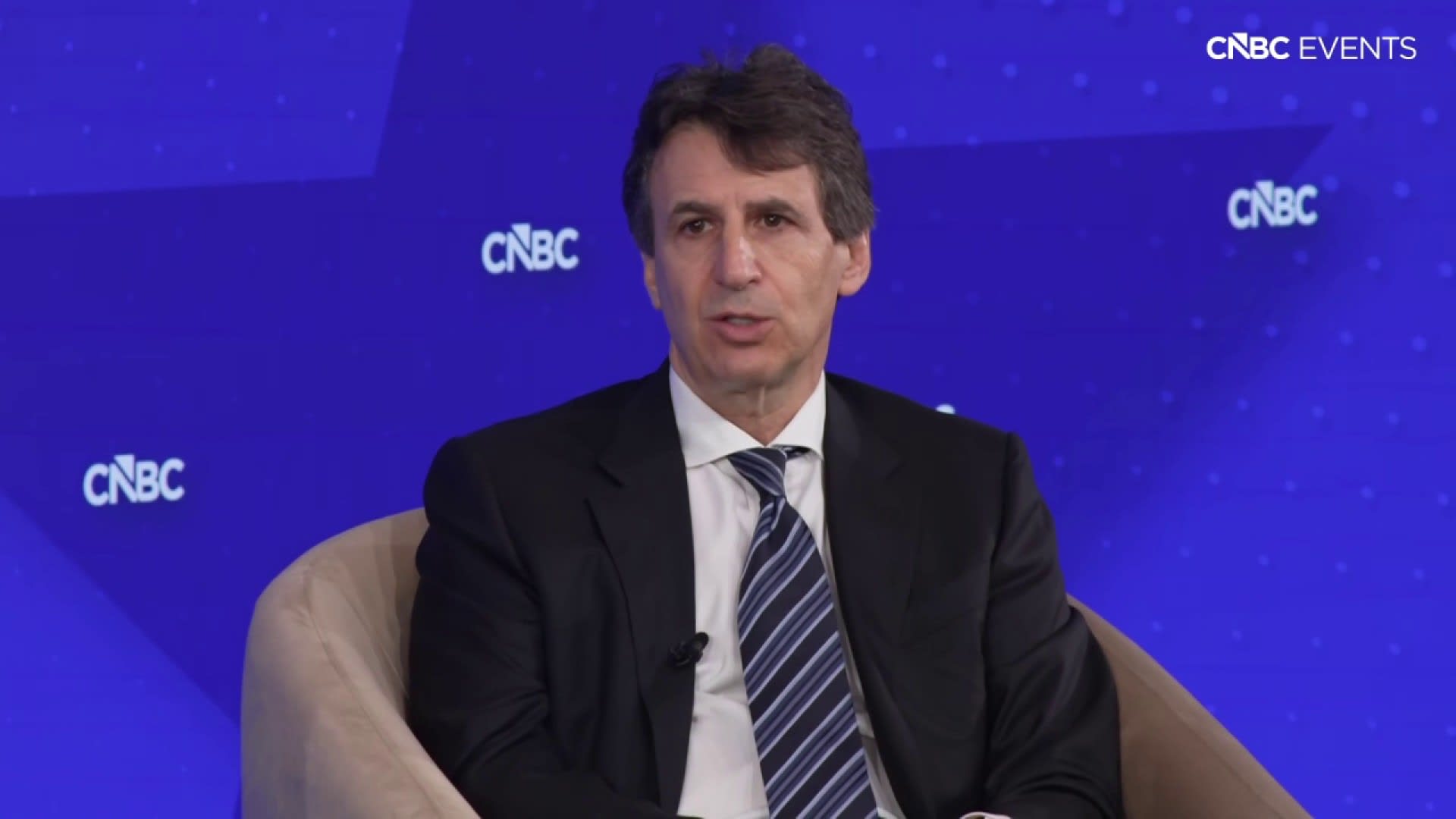
Apollo CEO Defends Private Credit Amid Market Scrutiny

- Redemption Policy: Apollo Global Management has set a 5% quarterly redemption limit in its private credit fund, despite other firms relaxing their limits, aiming to maintain liquidity and bolster investor confidence, even as it faces redemption requests representing 11% of its assets.
- Market Risk Assessment: CEO Marc Rowan stated that software sector valuations are generally overstated, particularly in the context of rapid AI advancements, emphasizing the need for investors to have a clear understanding of their holdings to avoid potential risks and losses.
- Investment Scale and Returns: Last year, Apollo originated $310 billion in new investments, with 80% being investment-grade financing, serving major clients like Intel, BP, and Shell, indicating a robust investment strategy in a high-risk market.
- Role of Tech Companies in Debt Market: Rowan noted that the influence of technology companies in the debt market will continue to grow, predicting that in the next five years, major issuers of investment-grade debt will be dominated by large tech firms and banks, reflecting significant structural changes in the market.
See More
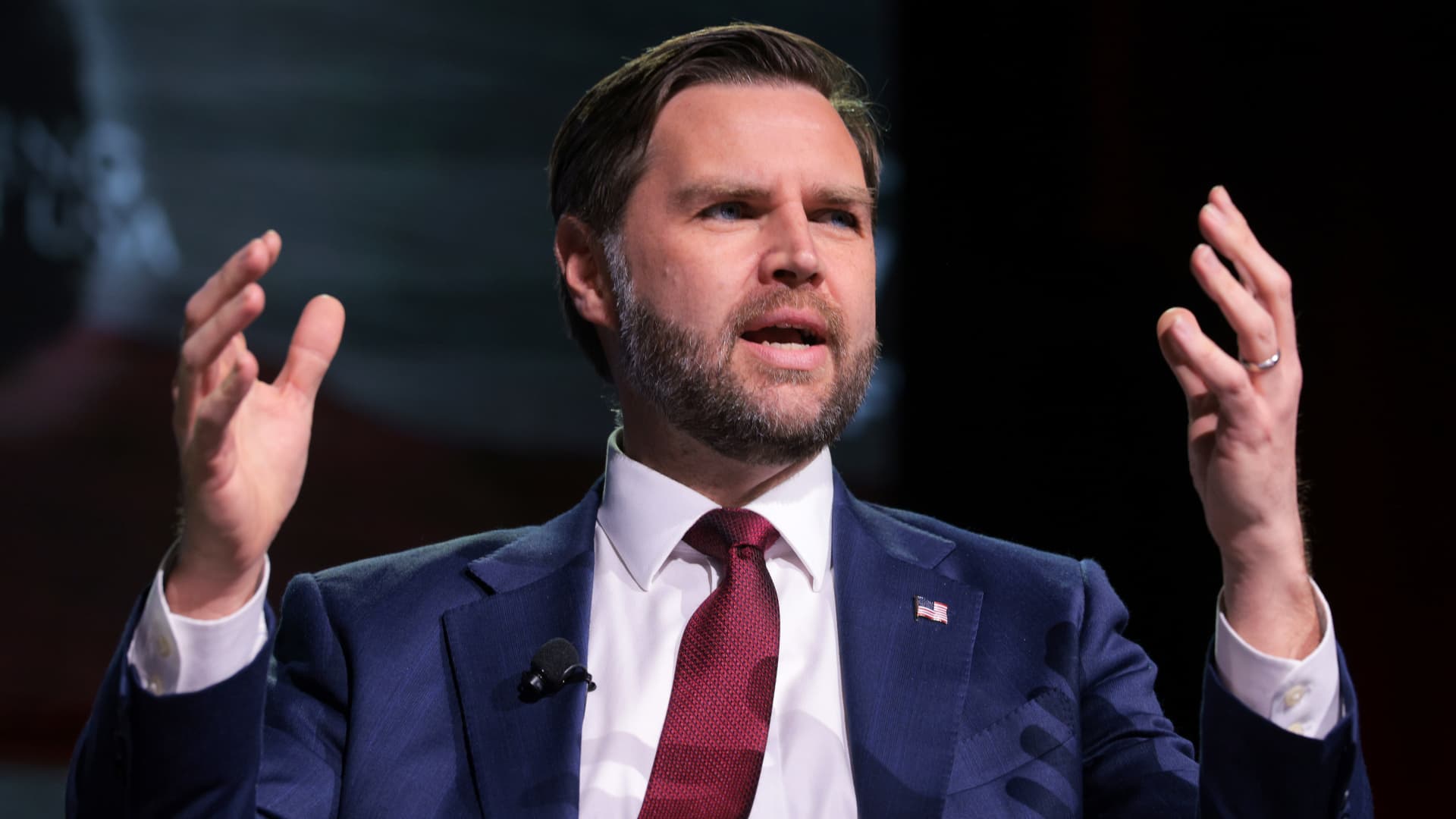
Vice President Vance Faces Setbacks in Diplomatic Missions
- Iran Negotiation Failure: Vice President Vance's 21-hour talks in Pakistan ended without a deal, as he failed to convince Iran to abandon its nuclear ambitions, highlighting the complexities and challenges facing U.S. diplomacy in the Middle East.
- Hungary Trip Loss: Despite Vance's two-day support for Prime Minister Orbán, the latter's party lost the election, which Vance deemed valuable; however, this defeat may impact his standing within the Republican Party.
- Political Future in Jeopardy: Following the failed Iran talks and Orbán's loss, Vance is seen as no longer Trump's obvious successor, although he remains a frontrunner among Republican primary voters, his support has waned, facing pressure from other candidates.
- Public Image Deterioration: Vance's overall approval rating has plummeted alongside Trump's to the lowest level for any modern vice president at this point in their term, potentially jeopardizing his political career, especially in the competition for the 2028 presidential election.
See More

Stock Market Surge: Nasdaq and S&P 500 Reach Record Highs


- Market Rally: Since March 30, the S&P 500 and Nasdaq have surged by 10.7% and 15.5%, respectively, reaching record highs, indicating a significant improvement in investor sentiment driven by hopes for a resolution to the Middle East conflict.
- Oil Price Decline: U.S. oil prices have dropped approximately 18% from their war peak of nearly $113 per barrel on April 6, alleviating inflationary pressures and supporting the stock market rebound, which further bolsters investor confidence.
- Top Performing Stocks: Stocks like Broadcom, Corning, Meta, and Amazon have excelled, rising 35.2%, 30.9%, 25.2%, and 23.7%, respectively, reflecting strong demand in the tech and infrastructure sectors that has propelled overall portfolio performance.
- Underperforming Stocks: Conversely, Nike, Salesforce, Johnson & Johnson, and Costco have seen declines, with Nike dropping 11.3% due to disappointing earnings, highlighting market concerns about its recovery, while Salesforce fell 4% amid worries about the impact of generative AI on its business model.
See More

SoundHound AI: A Potential Retirement Compounder

- Significant Revenue Growth: SoundHound AI's full-year revenue reached approximately $168.9 million in 2025, nearly doubling year-over-year, indicating strong growth potential in the voice AI sector that attracts long-term investor interest.
- New Platform Launch: At CES 2026, SoundHound AI unveiled its Amelia 7 agentic AI platform, capable of completing tasks such as ordering food and making reservations, marking the company's expansion from automotive to smart devices and home automation, enhancing its market competitiveness.
- Enterprise Sales Expansion: At the Mobile World Congress in February 2026, the company launched its Sales Assist Agent, further applying its voice technology to enterprise sales workflows, opening new market opportunities and increasing customer stickiness.
- Future Revenue Guidance: SoundHound AI is guiding for 2026 revenue between $225 million and $260 million; although it is not yet profitable, the stickiness of its platform and long-term growth potential make it a noteworthy investment consideration.
See More
Meta Raises Quest VR Headset Prices Amid Chip Cost Surge
- Reason for Price Increase: Meta has announced a price hike for its Quest virtual reality headsets due to a significant rise in memory chip costs, reflecting the global surge in prices of critical components that is expected to impact consumer purchasing decisions.
- Specific Price Adjustments: Effective April 19, the prices for the Meta Quest 3S (128GB) and (256GB) will increase by $50 to $349.99 and $449.99 respectively, while the Meta Quest 3 (256GB) will see a $100 increase to $599.99, with updated pricing also applying to refurbished units.
- Market Commitment: Despite the cost pressures, Meta reassured customers of its commitment to investing in virtual reality and leading the category, indicating a long-term strategic intent in technological innovation.
- Workforce Adjustments: Amid its pivot towards generative artificial intelligence, Meta recently cut 10% of its Reality Labs staff, which may impact its research capabilities and competitive position in the virtual reality market.
See More
AMD Shares Surge on Analyst's Bullish Outlook
- Analyst Rating Upgrade: Bernstein analyst Stacy Rasgon maintains a market perform rating on AMD while raising the price target from $235 to $265, a modest 3% increase, yet the stock surpassed this new target early Thursday, reflecting strong market confidence in AMD.
- Product Shift: Rasgon notes that AMD will sell fewer PC chips and focus on higher-margin server and data center chips under current market conditions, a strategy that is expected to enhance the company's overall profitability.
- Key Partnership Agreement: The multi-year, multi-generation deal with Meta Platforms to deploy six gigawatts of custom AMD MI450 AI chips in its data center build-out presents significant growth opportunities for AMD, further solidifying its position in the AI market.
- Optimistic Market Outlook: Despite Rasgon's cautious stance, 73% of analysts rate AMD as a buy or strong buy, with an average price target of approximately $289, indicating widespread optimism about AMD's future growth, particularly driven by sustained demand in the AI sector.
See More
Apollo CEO Defends Private Credit Amid Market Scrutiny
- Redemption Policy: Apollo Global Management has set a 5% quarterly redemption limit in its private credit fund, despite other firms relaxing their limits, aiming to maintain liquidity and bolster investor confidence, even as it faces redemption requests representing 11% of its assets.
- Market Risk Assessment: CEO Marc Rowan stated that software sector valuations are generally overstated, particularly in the context of rapid AI advancements, emphasizing the need for investors to have a clear understanding of their holdings to avoid potential risks and losses.
- Investment Scale and Returns: Last year, Apollo originated $310 billion in new investments, with 80% being investment-grade financing, serving major clients like Intel, BP, and Shell, indicating a robust investment strategy in a high-risk market.
- Role of Tech Companies in Debt Market: Rowan noted that the influence of technology companies in the debt market will continue to grow, predicting that in the next five years, major issuers of investment-grade debt will be dominated by large tech firms and banks, reflecting significant structural changes in the market.
See More
Vice President Vance Faces Setbacks in Diplomatic Missions
- Iran Negotiation Failure: Vice President Vance's 21-hour talks in Pakistan ended without a deal, as he failed to convince Iran to abandon its nuclear ambitions, highlighting the complexities and challenges facing U.S. diplomacy in the Middle East.
- Hungary Trip Loss: Despite Vance's two-day support for Prime Minister Orbán, the latter's party lost the election, which Vance deemed valuable; however, this defeat may impact his standing within the Republican Party.
- Political Future in Jeopardy: Following the failed Iran talks and Orbán's loss, Vance is seen as no longer Trump's obvious successor, although he remains a frontrunner among Republican primary voters, his support has waned, facing pressure from other candidates.
- Public Image Deterioration: Vance's overall approval rating has plummeted alongside Trump's to the lowest level for any modern vice president at this point in their term, potentially jeopardizing his political career, especially in the competition for the 2028 presidential election.
See More
Stock Market Surge: Nasdaq and S&P 500 Reach Record Highs
- Market Rally: Since March 30, the S&P 500 and Nasdaq have surged by 10.7% and 15.5%, respectively, reaching record highs, indicating a significant improvement in investor sentiment driven by hopes for a resolution to the Middle East conflict.
- Oil Price Decline: U.S. oil prices have dropped approximately 18% from their war peak of nearly $113 per barrel on April 6, alleviating inflationary pressures and supporting the stock market rebound, which further bolsters investor confidence.
- Top Performing Stocks: Stocks like Broadcom, Corning, Meta, and Amazon have excelled, rising 35.2%, 30.9%, 25.2%, and 23.7%, respectively, reflecting strong demand in the tech and infrastructure sectors that has propelled overall portfolio performance.
- Underperforming Stocks: Conversely, Nike, Salesforce, Johnson & Johnson, and Costco have seen declines, with Nike dropping 11.3% due to disappointing earnings, highlighting market concerns about its recovery, while Salesforce fell 4% amid worries about the impact of generative AI on its business model.
See More
SoundHound AI: A Potential Retirement Compounder
- Significant Revenue Growth: SoundHound AI's full-year revenue reached approximately $168.9 million in 2025, nearly doubling year-over-year, indicating strong growth potential in the voice AI sector that attracts long-term investor interest.
- New Platform Launch: At CES 2026, SoundHound AI unveiled its Amelia 7 agentic AI platform, capable of completing tasks such as ordering food and making reservations, marking the company's expansion from automotive to smart devices and home automation, enhancing its market competitiveness.
- Enterprise Sales Expansion: At the Mobile World Congress in February 2026, the company launched its Sales Assist Agent, further applying its voice technology to enterprise sales workflows, opening new market opportunities and increasing customer stickiness.
- Future Revenue Guidance: SoundHound AI is guiding for 2026 revenue between $225 million and $260 million; although it is not yet profitable, the stickiness of its platform and long-term growth potential make it a noteworthy investment consideration.
See More