U.S. Stocks Rise as Fear Index Eases Slightly
Written by Emily J. Thompson, Senior Investment Analyst
Updated: Mar 05 2026
0mins

Source: Benzinga
- Fear Index Update: The CNN Money Fear & Greed Index slightly increased to 37.3 on Wednesday, remaining in the 'Fear' zone, indicating a modest improvement in market sentiment while cautioning against potential risks ahead.
- Stock Market Performance: U.S. stocks rose broadly on Wednesday, with the Nasdaq Composite gaining over 1% to close at 22,807.48, primarily driven by optimism surrounding potential U.S.-Iran diplomatic talks, reflecting a rebound in investor sentiment.
- Earnings Impact: Abercrombie & Fitch Co. (NYSE:ANF) saw its shares fall approximately 4% after disappointing fourth-quarter earnings, while Latham Group Inc. (NASDAQ:SWIM) surged 12% due to better-than-expected results and FY26 sales guidance, highlighting a divergence in market reactions to corporate performance.
- Employment and Economic Data: U.S. private businesses added 63,000 jobs in February, the highest since July, exceeding market expectations of 50,000, signaling strong economic recovery, while the ISM services PMI rose from 53.8 to 56.1, further bolstering confidence in economic growth.
Trade with 70% Backtested Accuracy
Stop guessing "Should I Buy COST?" and start using high-conviction signals backed by rigorous historical data.
Sign up today to access powerful investing tools and make smarter, data-driven decisions.
Analyst Views on COST
Wall Street analysts forecast COST stock price to rise
24 Analyst Rating
19 Buy
4 Hold
1 Sell
Strong Buy
Current: 935.470

Low
769.00
Averages
1061
High
1205
Current: 935.470
Low
769.00
Averages
1061
High
1205
About COST
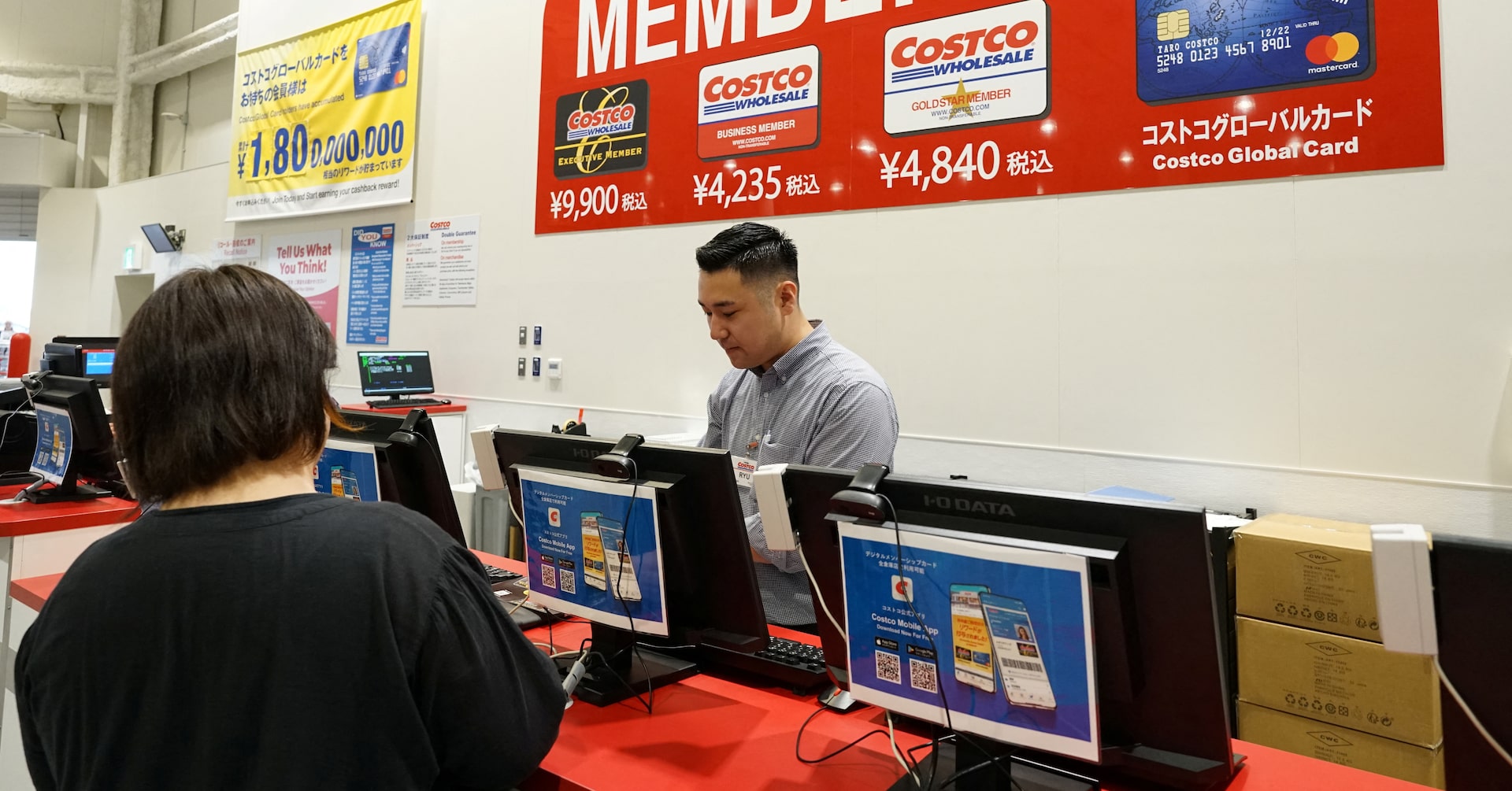
Costco Wholesale Corporation (Costco) operates membership warehouses and e-commerce sites that offer a selection of nationally branded and private-label products in a wide range of categories. The Company buys the majority of its merchandise directly from suppliers and route it to cross-docking consolidation points (depots) or directly to its warehouses. It operates 891 warehouses, including 614 in the United States and Puerto Rico, 108 in Canada, 40 in Mexico, 35 in Japan, 29 in the United Kingdom, 19 in Korea, 15 in Australia, 14 in Taiwan, seven in China, five in Spain, two in France, and one each in Iceland, New Zealand and Sweden. It also operates e-commerce sites in the United States, Canada, the United Kingdom, Mexico, Korea, Taiwan, Japan and Australia. The Company provides wide selection of merchandise, plus the convenience of specialty departments and exclusive member services.
About the author

Emily J. Thompson
Emily J. Thompson, a Chartered Financial Analyst (CFA) with 12 years in investment research, graduated with honors from the Wharton School. Specializing in industrial and technology stocks, she provides in-depth analysis for Intellectia’s earnings and market brief reports.
Future Investment: Recommended Dividend Stocks
- Dividend Potential: To achieve an annual dividend income of $3,000 by 2036, investors need to purchase 156 shares of Costco (COST) at a total cost of approximately $146,000, despite the current yield being only 0.6%.
- Dividend Growth: Costco's quarterly dividend per share has increased from $0.45 in 2016 to $1.47 now, and if it maintains an average annual growth rate of over 12%, the dividend could reach $4.80 per share by 2036, totaling $19.20 annually.
- Capital Appreciation: Over the past decade, Costco's stock price has surged from $155 to $940, reflecting the company's robust expansion, and the potential for continued price increases makes the $146,000 investment worthwhile in the long run.
- Investment Timing: Although the current dividend yield is low, it is crucial for investors to recognize the importance of establishing strong future income investments now to ensure substantial returns later.
See More
Target Stock Surges, Outperforming Retail Giants


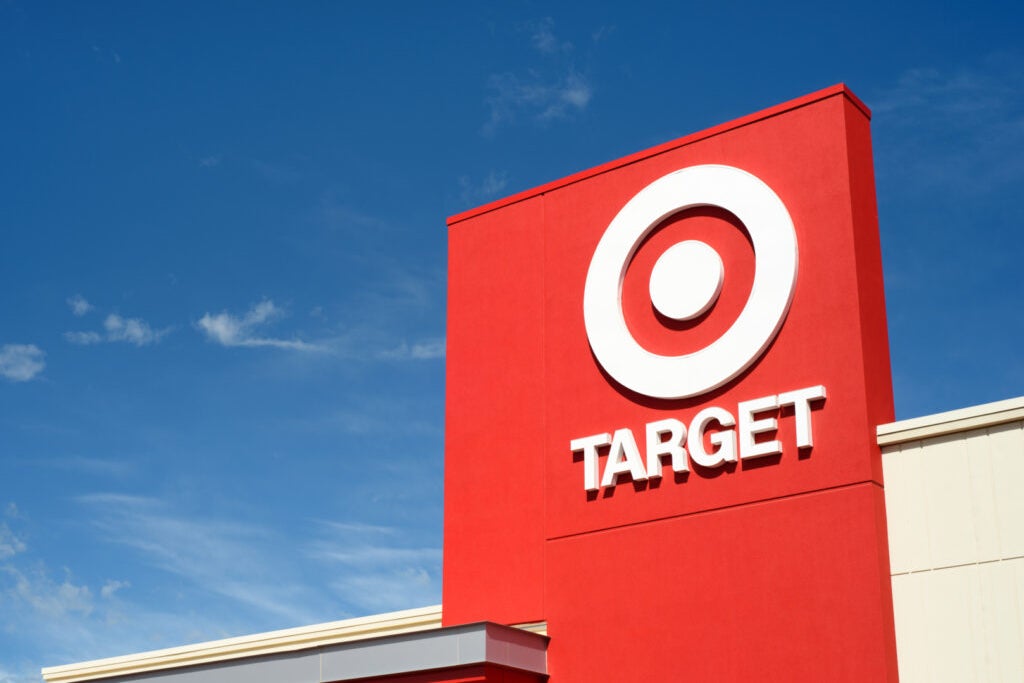
- Recovery Plan Implementation: Under the leadership of new CEO Michael Fiddelke, Target has launched a recovery and growth plan expected to drive long-term growth, with the stock surging over 40% this year, significantly outperforming Costco and Walmart's gains of 10% and 3% respectively.
- Significant Revenue Growth: Despite facing multiple challenges, Target grew its revenue by over $20 billion from 2020 to 2022, maintaining annual revenue above $100 billion, demonstrating resilience and potential in the market.
- Digital and Brand Advantages: Target has made impressive strides in its digital business and in-store fulfillment, with about 40 owned brands generating over $30 billion in annual revenue, enhancing the company's margins and competitive position.
- Optimistic Outlook: Target achieved a 6.7% revenue growth in the first quarter and raised its full-year revenue growth forecast to 4%, with earnings per share expectations adjusted to the high end of the $7.50 to $8.50 range, despite challenges from low consumer sentiment.
See More

Target's Stock Rebounds, Growth Potential Emerges
- Stock Rebound: Target's stock has surged over 40% this year, contrasting with Walmart's and Costco's gains of 10% and 3%, respectively, indicating a significant recovery potential in the retail market.
- Revenue Growth: Despite facing challenges, Target grew its revenue by over $20 billion from 2020 to 2022, maintaining annual revenue above $100 billion, which reflects its stability in market position.
- Digital Transformation: Target has made impressive strides in its digital business and in-store fulfillment, relying on stores to fulfill orders rather than shipping from warehouses, enhancing customer experience and operational efficiency.
- Future Outlook: Target anticipates a full-year revenue increase of about 4% and has raised its earnings per share forecast to the high end of the $7.50 to $8.50 range, although it faces challenges from low consumer sentiment.
See More
Investment Opportunities Amid Inflation
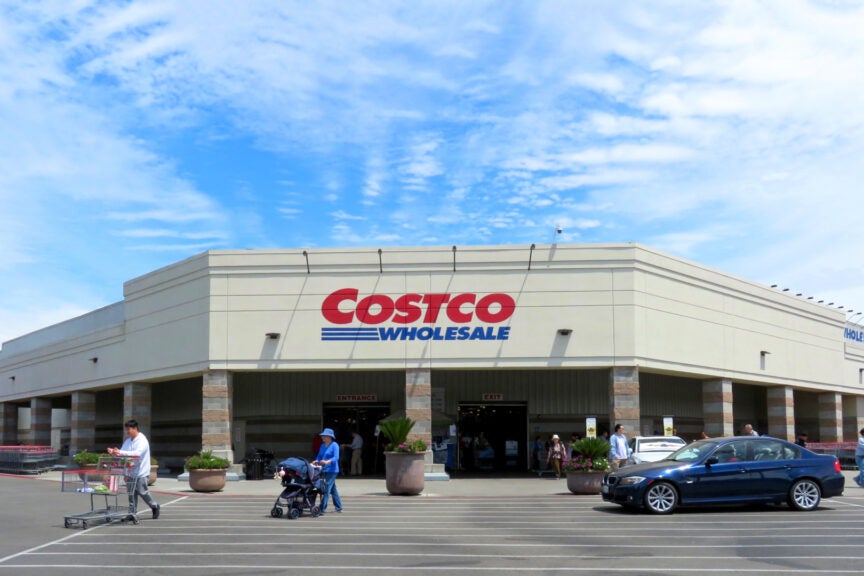
- Stable Membership Revenue: Costco maintains steady revenue through membership fees, with net sales rising 11.6% and same-store sales up 9.8% year-over-year, demonstrating strong performance in a high-inflation environment and attracting long-term investor interest despite valuation concerns.
- Payment Processing Growth: Visa benefits from high inflation, reporting $11.2 billion in revenue last quarter, a 17% year-over-year increase, with adjusted earnings per share rising 20%, indicating strong growth potential in the shift towards a cashless society and likely future valuation increases.
- Waste Management Advantage: WM, the largest waste management company in the U.S. with a 31.7% market share, sees revenue tied to CPI, with a 70 basis point improvement in EBITDA margin in Q1, alongside a 3.5% revenue increase and 8.4% earnings growth, showcasing resilience in a high-inflation context.
- Investor Focus: Although Costco was not recommended as a top investment by Motley Fool Stock Advisor, its performance in inflationary conditions and stable membership revenue make it a quality stock for long-term holding, warranting investor attention.
See More

Market Rally Holds as Healthcare Stocks Surge

- Market Rally: The S&P 500 and Nasdaq are on track to end a five-session losing streak on Monday, indicating a rebound in market sentiment, particularly with Amazon, Alphabet, and Meta Platforms leading the recovery, which could boost investor confidence.
- Healthcare Sector Surge: Corning and Palo Alto Networks reached all-time highs during Monday's session, reflecting a resurgence in the healthcare sector, which may attract more capital into this previously undervalued area, further driving industry growth.
- Executive Changes Impact: Goldman Sachs served as the exclusive financial advisor for Martin Marietta's $13.5 billion acquisition of Lhoist North America and provided fully committed debt financing, showcasing its strong performance in investment banking, which could enhance its market position.
- Economic Data Focus: This week will see the release of the consumer confidence survey and the JOLTS report, which are expected to influence market sentiment, especially ahead of the upcoming non-farm payroll report, prompting investors to closely monitor these economic indicators.
See More
US May CPI Rises 4.1% Year-Over-Year, Inflation Challenges Persist
- Inflation Data Rise: In May 2023, the US Consumer Price Index (CPI) rose 4.1% year-over-year, marking the largest increase in three years, indicating ongoing inflation challenges that may influence future monetary policy decisions.
- Gas Prices Impact: Rising gasoline prices were a key driver of last month's CPI increase, although easing geopolitical tensions may lead to lower energy prices in the coming months, potentially alleviating inflationary pressures.
- Costco's Strong Performance: Costco continues to thrive in the inflationary environment, with its latest quarterly net sales rising 11.6% year-over-year and same-store sales up 9.8%, demonstrating its strong appeal in consumer spending.
- Growth Potential for Visa and WM: Visa benefits from increased transaction volumes in a high-inflation environment, reporting $11.2 billion in revenue for the latest quarter, a 17% year-over-year increase; meanwhile, WM achieves revenue growth of 3.5% in Q1, supported by long-term contracts and CPI increases.
See More
Future Investment: Recommended Dividend Stocks
- Dividend Potential: To achieve an annual dividend income of $3,000 by 2036, investors need to purchase 156 shares of Costco (COST) at a total cost of approximately $146,000, despite the current yield being only 0.6%.
- Dividend Growth: Costco's quarterly dividend per share has increased from $0.45 in 2016 to $1.47 now, and if it maintains an average annual growth rate of over 12%, the dividend could reach $4.80 per share by 2036, totaling $19.20 annually.
- Capital Appreciation: Over the past decade, Costco's stock price has surged from $155 to $940, reflecting the company's robust expansion, and the potential for continued price increases makes the $146,000 investment worthwhile in the long run.
- Investment Timing: Although the current dividend yield is low, it is crucial for investors to recognize the importance of establishing strong future income investments now to ensure substantial returns later.
See More
Target Stock Surges, Outperforming Retail Giants
- Recovery Plan Implementation: Under the leadership of new CEO Michael Fiddelke, Target has launched a recovery and growth plan expected to drive long-term growth, with the stock surging over 40% this year, significantly outperforming Costco and Walmart's gains of 10% and 3% respectively.
- Significant Revenue Growth: Despite facing multiple challenges, Target grew its revenue by over $20 billion from 2020 to 2022, maintaining annual revenue above $100 billion, demonstrating resilience and potential in the market.
- Digital and Brand Advantages: Target has made impressive strides in its digital business and in-store fulfillment, with about 40 owned brands generating over $30 billion in annual revenue, enhancing the company's margins and competitive position.
- Optimistic Outlook: Target achieved a 6.7% revenue growth in the first quarter and raised its full-year revenue growth forecast to 4%, with earnings per share expectations adjusted to the high end of the $7.50 to $8.50 range, despite challenges from low consumer sentiment.
See More
Target's Stock Rebounds, Growth Potential Emerges
- Stock Rebound: Target's stock has surged over 40% this year, contrasting with Walmart's and Costco's gains of 10% and 3%, respectively, indicating a significant recovery potential in the retail market.
- Revenue Growth: Despite facing challenges, Target grew its revenue by over $20 billion from 2020 to 2022, maintaining annual revenue above $100 billion, which reflects its stability in market position.
- Digital Transformation: Target has made impressive strides in its digital business and in-store fulfillment, relying on stores to fulfill orders rather than shipping from warehouses, enhancing customer experience and operational efficiency.
- Future Outlook: Target anticipates a full-year revenue increase of about 4% and has raised its earnings per share forecast to the high end of the $7.50 to $8.50 range, although it faces challenges from low consumer sentiment.
See More
Investment Opportunities Amid Inflation
- Stable Membership Revenue: Costco maintains steady revenue through membership fees, with net sales rising 11.6% and same-store sales up 9.8% year-over-year, demonstrating strong performance in a high-inflation environment and attracting long-term investor interest despite valuation concerns.
- Payment Processing Growth: Visa benefits from high inflation, reporting $11.2 billion in revenue last quarter, a 17% year-over-year increase, with adjusted earnings per share rising 20%, indicating strong growth potential in the shift towards a cashless society and likely future valuation increases.
- Waste Management Advantage: WM, the largest waste management company in the U.S. with a 31.7% market share, sees revenue tied to CPI, with a 70 basis point improvement in EBITDA margin in Q1, alongside a 3.5% revenue increase and 8.4% earnings growth, showcasing resilience in a high-inflation context.
- Investor Focus: Although Costco was not recommended as a top investment by Motley Fool Stock Advisor, its performance in inflationary conditions and stable membership revenue make it a quality stock for long-term holding, warranting investor attention.
See More
Market Rally Holds as Healthcare Stocks Surge
- Market Rally: The S&P 500 and Nasdaq are on track to end a five-session losing streak on Monday, indicating a rebound in market sentiment, particularly with Amazon, Alphabet, and Meta Platforms leading the recovery, which could boost investor confidence.
- Healthcare Sector Surge: Corning and Palo Alto Networks reached all-time highs during Monday's session, reflecting a resurgence in the healthcare sector, which may attract more capital into this previously undervalued area, further driving industry growth.
- Executive Changes Impact: Goldman Sachs served as the exclusive financial advisor for Martin Marietta's $13.5 billion acquisition of Lhoist North America and provided fully committed debt financing, showcasing its strong performance in investment banking, which could enhance its market position.
- Economic Data Focus: This week will see the release of the consumer confidence survey and the JOLTS report, which are expected to influence market sentiment, especially ahead of the upcoming non-farm payroll report, prompting investors to closely monitor these economic indicators.
See More
US May CPI Rises 4.1% Year-Over-Year, Inflation Challenges Persist
- Inflation Data Rise: In May 2023, the US Consumer Price Index (CPI) rose 4.1% year-over-year, marking the largest increase in three years, indicating ongoing inflation challenges that may influence future monetary policy decisions.
- Gas Prices Impact: Rising gasoline prices were a key driver of last month's CPI increase, although easing geopolitical tensions may lead to lower energy prices in the coming months, potentially alleviating inflationary pressures.
- Costco's Strong Performance: Costco continues to thrive in the inflationary environment, with its latest quarterly net sales rising 11.6% year-over-year and same-store sales up 9.8%, demonstrating its strong appeal in consumer spending.
- Growth Potential for Visa and WM: Visa benefits from increased transaction volumes in a high-inflation environment, reporting $11.2 billion in revenue for the latest quarter, a 17% year-over-year increase; meanwhile, WM achieves revenue growth of 3.5% in Q1, supported by long-term contracts and CPI increases.
See More