U.S. Semiconductor Industry Benefits from Helium Crisis
Written by Emily J. Thompson, Senior Investment Analyst
Updated: 2 hours ago
0mins

Should l Buy INTC?
Source: NASDAQ.COM
- Helium Supply Crisis: The ongoing helium supply disruption, with Qatar providing a third of the global supply, has been exacerbated by drone strikes on the Ras Laffan facility, which is crucial for semiconductor-grade helium, putting pressure on chipmakers who rely on helium for wafer cooling and photolithography.
- Intel's Market Opportunity: Intel's recent partnerships with Tesla and Google, leveraging its 18A process node's performance advantages, are expected to help regain market share in the semiconductor sector, particularly as U.S. production reshoring accelerates, potentially increasing its market share from below 5%.
- TSMC's Investment Expansion: Taiwan Semiconductor Manufacturing Company (TSMC) plans to invest $165 billion in the U.S. to build three new fabs and an R&D center, and despite facing helium supply challenges, its diversified supply chain and inventory management position it advantageously in the expanding U.S. market.
- Strategic Government Support: The U.S. government's $11.1 billion investment in Intel aims to promote semiconductor production reshoring, reducing reliance on external supply chains, which not only enhances Intel's competitiveness but also lays a foundation for the stable development of the entire industry.
Trade with 70% Backtested Accuracy
Stop guessing "Should I Buy INTC?" and start using high-conviction signals backed by rigorous historical data.
Sign up today to access powerful investing tools and make smarter, data-driven decisions.
Analyst Views on INTC
Wall Street analysts forecast INTC stock price to fall
29 Analyst Rating
5 Buy
19 Hold
5 Sell
Hold
Current: 109.620

Low
20.00
Averages
39.30
High
52.00
Current: 109.620
Low
20.00
Averages
39.30
High
52.00
About INTC
Intel Corporation is a global designer and manufacturer of semiconductor products. The Company's segments include Intel Products, Intel Foundry, and All Other. Its Intel Products comprise Client Computing Group (CCG) and Data Center and AI (DCAI). CCG delivers platforms and processors that power PCs and edge devices, enabling enhanced performance, connectivity and user experience for consumer and commercial markets with capabilities that also support retail, industrial robotics and AI ecosystems at the edge. DCAI delivers workload-optimized solutions based upon its x86 architecture for data centers, including CPUs, AI accelerators, NICs, IPUs and custom ASICs, enabling performance and scalability for cloud, enterprise, telecommunication and HPC environments. The Intel Foundry segment comprises technology development, manufacturing and foundry services, developing new semiconductor process technologies and advanced packaging technologies. All Other segments include Mobileye and Other.
About the author

Emily J. Thompson
Emily J. Thompson, a Chartered Financial Analyst (CFA) with 12 years in investment research, graduated with honors from the Wharton School. Specializing in industrial and technology stocks, she provides in-depth analysis for Intellectia’s earnings and market brief reports.
SpaceX Plans $55B Investment for Terafab Project

- Massive Investment: SpaceX plans an initial investment of $55 billion for the Terafab project in Texas, which, if successful, is expected to yield significant benefits for Intel and several semiconductor equipment vendors.
- Estimated Total Cost: Government filings indicate that if additional phases of the semiconductor production facility are completed, the total cost could reach approximately $119 billion, which would have profound implications for the semiconductor industry.
- Potential Gains for Intel: Wedbush analysts noted that if the project proves successful, it would positively impact Intel's 14A process, although the exact relationship between Intel and Tesla/SpaceX remains somewhat unclear.
- Risks and Challenges: Despite the promising outlook, analysts caution that building and owning a fab to support internal requirements is an expensive proposition that has become increasingly difficult to justify, especially when many products are not yet finalized.
See More
CoreWeave Shares Plunge 11% After Earnings Report


- Earnings Report Disappointment: CoreWeave's first-quarter revenue surged 112% year-over-year to $2.08 billion, yet shares plummeted over 11% due to weaker-than-expected second-quarter guidance, indicating market concerns about future growth.
- Contract Revenue Surge: The company signed over $40 billion in new commitments during the quarter, boosting its contracted revenue backlog from $66.8 billion to $99.4 billion, with 36% expected to convert to revenue within two years, highlighting strong demand for AI infrastructure.
- Rising Capital Expenditures: CoreWeave's capital expenditures hit $6.8 billion in the quarter, with management raising full-year guidance to $31 billion to $35 billion, reflecting high investment in infrastructure despite the pressure on short-term profitability.
- Widening Net Loss: The first-quarter net loss expanded to $740 million, up from $452 million in the previous quarter, revealing structural challenges faced during rapid expansion, prompting investors to monitor the company's long-term profitability prospects.
See More
Semiconductor Industry Faces Helium Supply Crisis

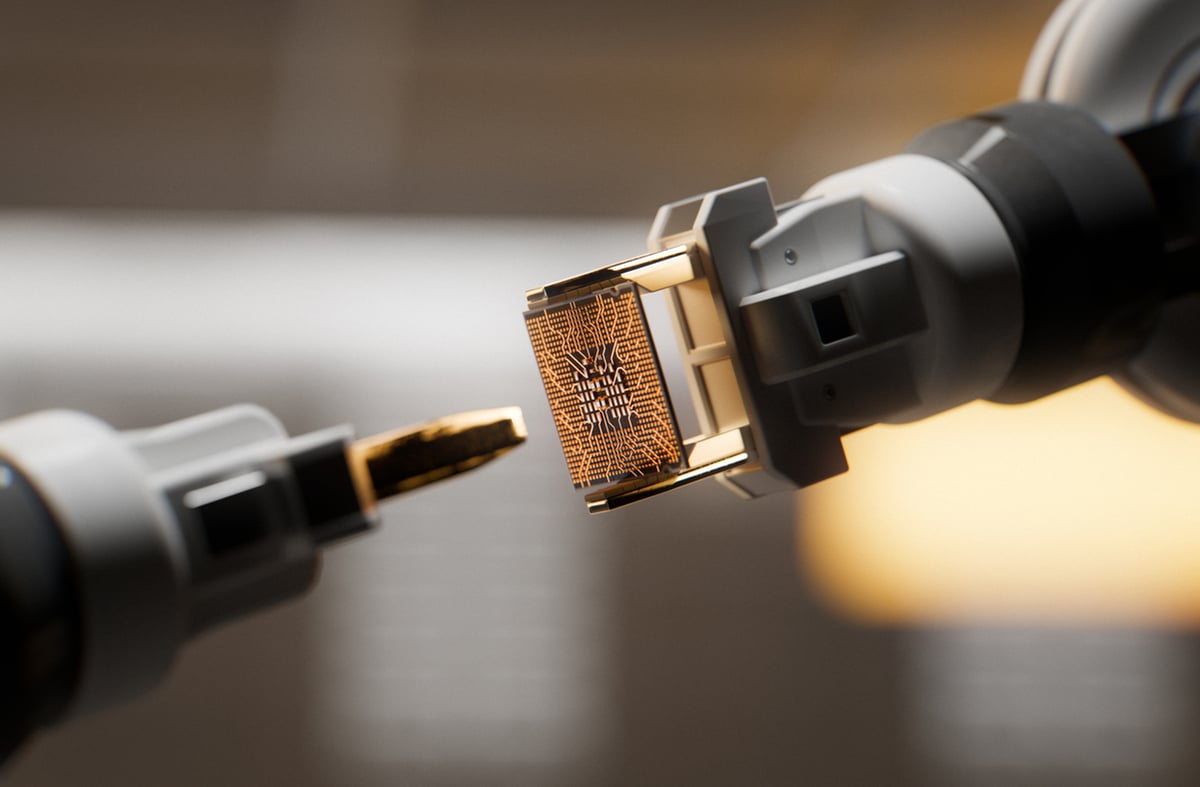
- Helium Supply Disruption: The Ras Laffan facility in Qatar, one of only two capable of producing semiconductor-grade helium, was impacted by Iranian drone strikes and may not be fully operational for months, posing a significant threat to chip manufacturers who rely on helium for critical processes.
- U.S. Chipmaker Advantage: U.S.-based semiconductor foundries primarily source helium from domestic and Algerian suppliers, and the recent supply chain disruption is expected to accelerate reshoring efforts, thereby strengthening their market position in the global semiconductor landscape.
- Intel's Turnaround: As the largest chip manufacturer in the U.S., Intel has begun high-volume production of its 18A process node at its Ocotillo campus in Arizona, which offers up to 15% better performance per watt and 30% improved chip density, positioning it to regain market share from competitors like TSMC.
- TSMC's Expansion Plans: TSMC has announced an increase in its total U.S. investment to $165 billion to fund new fabs in Arizona, and despite the helium crunch, its diversified supply chain and helium recycling systems provide a competitive edge over many rivals, particularly those in South Korea reliant on Qatari helium.
See More

U.S. Semiconductor Industry Benefits from Helium Crisis
- Helium Supply Crisis: The ongoing helium supply disruption, with Qatar providing a third of the global supply, has been exacerbated by drone strikes on the Ras Laffan facility, which is crucial for semiconductor-grade helium, putting pressure on chipmakers who rely on helium for wafer cooling and photolithography.
- Intel's Market Opportunity: Intel's recent partnerships with Tesla and Google, leveraging its 18A process node's performance advantages, are expected to help regain market share in the semiconductor sector, particularly as U.S. production reshoring accelerates, potentially increasing its market share from below 5%.
- TSMC's Investment Expansion: Taiwan Semiconductor Manufacturing Company (TSMC) plans to invest $165 billion in the U.S. to build three new fabs and an R&D center, and despite facing helium supply challenges, its diversified supply chain and inventory management position it advantageously in the expanding U.S. market.
- Strategic Government Support: The U.S. government's $11.1 billion investment in Intel aims to promote semiconductor production reshoring, reducing reliance on external supply chains, which not only enhances Intel's competitiveness but also lays a foundation for the stable development of the entire industry.
See More

Caterpillar: The Potential AI Stock of the Year

- Significant Revenue Growth: Caterpillar reported a revenue of $17.4 billion in Q1 2025, reflecting a 22% year-over-year increase, showcasing the company's strong demand and market position in AI infrastructure development.
- Enhanced Profitability: Adjusted earnings per share surged from $4.25 to $5.54, indicating improved profitability in a high-demand environment, which further solidifies its investment appeal.
- Record Backlog: The company boasts a record backlog, which not only enhances revenue visibility for the foreseeable future but also demonstrates Caterpillar's capability to meet the demands of large tech companies.
- Strong Market Demand: With the surge in demand for data center construction, Caterpillar's products have become essential for tech giants like Amazon, Alphabet, and Microsoft, expected to generate billions in spending and further drive company growth.
See More
Helium Crunch Accelerates Semiconductor Reshoring
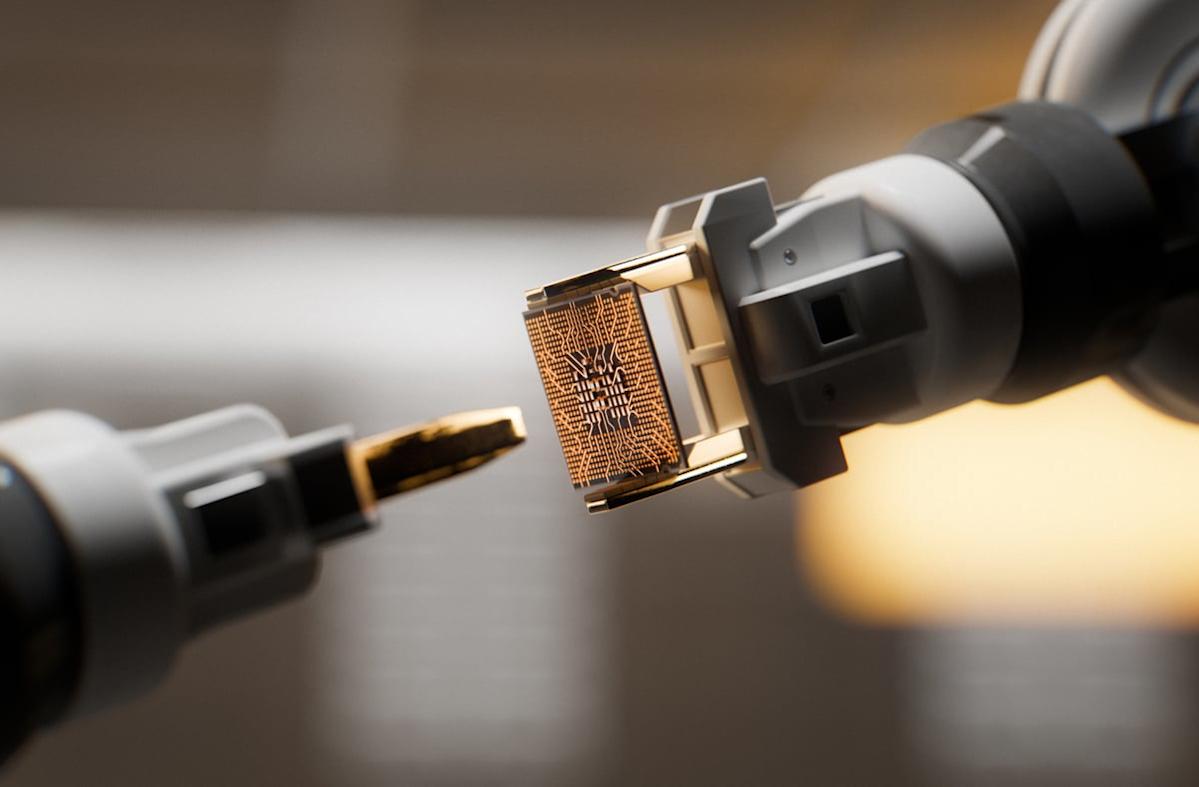
- Helium Supply Disruption: The Iranian drone strikes have impacted Qatar's Ras Laffan facility, one of only two globally capable of producing semiconductor-grade helium, which is expected to remain non-operational for months, posing a significant risk to chipmakers who typically maintain only a week's worth of helium inventory.
- Intel's Market Opportunity: As the largest chip manufacturer in the U.S., Intel (NASDAQ: INTC) stands to gain from the domestic helium supply advantage, especially following the high-volume production launch of its 18A process node in Arizona, which enhances performance per watt by 15% and chip density by 30%.
- TSMC's U.S. Investment: TSMC (NYSE: TSM) has announced an increase in its total U.S. investment to $165 billion to fund three new fabs and an R&D center in Arizona, positioning itself favorably despite the helium crunch due to its diversified helium supply chain and recycling systems.
- Investor Focus on Reshoring Trends: The helium crisis may drive more tech companies towards domestic manufacturing, making Intel's U.S.-based production capabilities a valuable asset; despite its high valuation exceeding 100 times forward earnings, its expanding customer base, including partnerships with Tesla and Google, indicates strong market potential.
See More
SpaceX Plans $55B Investment for Terafab Project
- Massive Investment: SpaceX plans an initial investment of $55 billion for the Terafab project in Texas, which, if successful, is expected to yield significant benefits for Intel and several semiconductor equipment vendors.
- Estimated Total Cost: Government filings indicate that if additional phases of the semiconductor production facility are completed, the total cost could reach approximately $119 billion, which would have profound implications for the semiconductor industry.
- Potential Gains for Intel: Wedbush analysts noted that if the project proves successful, it would positively impact Intel's 14A process, although the exact relationship between Intel and Tesla/SpaceX remains somewhat unclear.
- Risks and Challenges: Despite the promising outlook, analysts caution that building and owning a fab to support internal requirements is an expensive proposition that has become increasingly difficult to justify, especially when many products are not yet finalized.
See More
CoreWeave Shares Plunge 11% After Earnings Report
- Earnings Report Disappointment: CoreWeave's first-quarter revenue surged 112% year-over-year to $2.08 billion, yet shares plummeted over 11% due to weaker-than-expected second-quarter guidance, indicating market concerns about future growth.
- Contract Revenue Surge: The company signed over $40 billion in new commitments during the quarter, boosting its contracted revenue backlog from $66.8 billion to $99.4 billion, with 36% expected to convert to revenue within two years, highlighting strong demand for AI infrastructure.
- Rising Capital Expenditures: CoreWeave's capital expenditures hit $6.8 billion in the quarter, with management raising full-year guidance to $31 billion to $35 billion, reflecting high investment in infrastructure despite the pressure on short-term profitability.
- Widening Net Loss: The first-quarter net loss expanded to $740 million, up from $452 million in the previous quarter, revealing structural challenges faced during rapid expansion, prompting investors to monitor the company's long-term profitability prospects.
See More
Semiconductor Industry Faces Helium Supply Crisis
- Helium Supply Disruption: The Ras Laffan facility in Qatar, one of only two capable of producing semiconductor-grade helium, was impacted by Iranian drone strikes and may not be fully operational for months, posing a significant threat to chip manufacturers who rely on helium for critical processes.
- U.S. Chipmaker Advantage: U.S.-based semiconductor foundries primarily source helium from domestic and Algerian suppliers, and the recent supply chain disruption is expected to accelerate reshoring efforts, thereby strengthening their market position in the global semiconductor landscape.
- Intel's Turnaround: As the largest chip manufacturer in the U.S., Intel has begun high-volume production of its 18A process node at its Ocotillo campus in Arizona, which offers up to 15% better performance per watt and 30% improved chip density, positioning it to regain market share from competitors like TSMC.
- TSMC's Expansion Plans: TSMC has announced an increase in its total U.S. investment to $165 billion to fund new fabs in Arizona, and despite the helium crunch, its diversified supply chain and helium recycling systems provide a competitive edge over many rivals, particularly those in South Korea reliant on Qatari helium.
See More
U.S. Semiconductor Industry Benefits from Helium Crisis
- Helium Supply Crisis: The ongoing helium supply disruption, with Qatar providing a third of the global supply, has been exacerbated by drone strikes on the Ras Laffan facility, which is crucial for semiconductor-grade helium, putting pressure on chipmakers who rely on helium for wafer cooling and photolithography.
- Intel's Market Opportunity: Intel's recent partnerships with Tesla and Google, leveraging its 18A process node's performance advantages, are expected to help regain market share in the semiconductor sector, particularly as U.S. production reshoring accelerates, potentially increasing its market share from below 5%.
- TSMC's Investment Expansion: Taiwan Semiconductor Manufacturing Company (TSMC) plans to invest $165 billion in the U.S. to build three new fabs and an R&D center, and despite facing helium supply challenges, its diversified supply chain and inventory management position it advantageously in the expanding U.S. market.
- Strategic Government Support: The U.S. government's $11.1 billion investment in Intel aims to promote semiconductor production reshoring, reducing reliance on external supply chains, which not only enhances Intel's competitiveness but also lays a foundation for the stable development of the entire industry.
See More
Caterpillar: The Potential AI Stock of the Year
- Significant Revenue Growth: Caterpillar reported a revenue of $17.4 billion in Q1 2025, reflecting a 22% year-over-year increase, showcasing the company's strong demand and market position in AI infrastructure development.
- Enhanced Profitability: Adjusted earnings per share surged from $4.25 to $5.54, indicating improved profitability in a high-demand environment, which further solidifies its investment appeal.
- Record Backlog: The company boasts a record backlog, which not only enhances revenue visibility for the foreseeable future but also demonstrates Caterpillar's capability to meet the demands of large tech companies.
- Strong Market Demand: With the surge in demand for data center construction, Caterpillar's products have become essential for tech giants like Amazon, Alphabet, and Microsoft, expected to generate billions in spending and further drive company growth.
See More
Helium Crunch Accelerates Semiconductor Reshoring
- Helium Supply Disruption: The Iranian drone strikes have impacted Qatar's Ras Laffan facility, one of only two globally capable of producing semiconductor-grade helium, which is expected to remain non-operational for months, posing a significant risk to chipmakers who typically maintain only a week's worth of helium inventory.
- Intel's Market Opportunity: As the largest chip manufacturer in the U.S., Intel (NASDAQ: INTC) stands to gain from the domestic helium supply advantage, especially following the high-volume production launch of its 18A process node in Arizona, which enhances performance per watt by 15% and chip density by 30%.
- TSMC's U.S. Investment: TSMC (NYSE: TSM) has announced an increase in its total U.S. investment to $165 billion to fund three new fabs and an R&D center in Arizona, positioning itself favorably despite the helium crunch due to its diversified helium supply chain and recycling systems.
- Investor Focus on Reshoring Trends: The helium crisis may drive more tech companies towards domestic manufacturing, making Intel's U.S.-based production capabilities a valuable asset; despite its high valuation exceeding 100 times forward earnings, its expanding customer base, including partnerships with Tesla and Google, indicates strong market potential.
See More