U.S. Prosecutors Charge Super Micro Computer Executives with Illegal Technology Export

United States Attorney for the Southern District of New York, Jay Clayton, Assistant Director of the Counterintelligence and Espionage Division of the Federal Bureau of Investigation, Roman Rozhavsky, and Assistant Director in Charge of the New York Field Office of the FBI, James C. Barnacle, Jr., announced the unsealing of an Indictment charging Yih-Shyan "Wally" Liaw, Ruei-Tsang "Steven" Chang, and Ting-Wei "Willy" Sun, for conspiring to divert high-performance computer servers assembled in the United States and integrating sophisticated U.S. artificial intelligence technology to China, in violation of U.S. export controls laws. Liaw, a U.S. citizen, and Sun, a citizen of Taiwan, were arrested today and presented in the Northern District of California. Chang, a citizen of Taiwan, remains a fugitive. The case has been assigned to U.S. District Judge Edgardo Ramos. Liaw is a co-founder, board member, and Senior Vice President of Business Development of publicly traded U.S.-based manufacturer Super Micro Computer (SMCI), which designs and builds high-performance computer servers for artificial intelligence and cloud computing applications, including servers that integrate artificial intelligence graphics processing units. Chang is a general manager in the U.S. Manufacturer's Taiwan office. Sun is a third-party broker and "fixer" who has worked with Liaw, Chang, and others to divert U.S.-export controlled technology to China. Together, the defendants and others conspired to systematically divert the U.S. Manufacturer's servers with certain GPUs to China without a license to do so from the U.S. Department of Commerce. According to the indictment filed with the court, the U.S. manufacturer's flagship products, namley servers integrating GPUs manufactured by Nvidia (NVDA), are subject to strict U.S. export controls barring their sale to China without a license.
Trade with 70% Backtested Accuracy
Analyst Views on SMCI

About SMCI
About the author


Netlist Initiates New Lawsuit Against Samsung for Patent Infringement


- Expanded Legal Actions: Netlist has initiated new legal proceedings against Samsung in the U.S. International Trade Commission and the Eastern District of Texas, alleging infringement of two patents related to high-bandwidth memory and DDR5 products, demonstrating the company's commitment to protecting its intellectual property.
- Multiple Defendants: The lawsuit also names Google, Supermicro, Nvidia, and Broadcom as additional respondents, indicating that Netlist is broadening its legal efforts to safeguard its technological advantages and market position in the AI memory sector.
- Expedited Trial Expectations: The ITC's procedures suggest that the case is likely to progress to trial within a year, which could enable Netlist to achieve legal outcomes swiftly, positively impacting its market strategy.
- Strategic Implications: Netlist's CEO C.K. Hong emphasized the company's dedication to driving breakthrough innovations in AI memory, and this legal action serves not only to protect existing technologies but also to strategically position the company for future market opportunities.

Bitzero Holdings Secures Power Supply for AI Growth


- Power Supply Bottleneck: Bitzero Holdings has secured over 1 gigawatt of low-cost power capacity across four strategic sites in Norway, Finland, and the U.S., ensuring its competitive edge in AI infrastructure and expected revenue growth.
- Major Contract Signing: The 15-year lease with OneQode Networks is projected to generate approximately $2.6 billion in total revenue, with an annual revenue potential of $178 million, showcasing Bitzero's strong potential in the high-performance computing market.
- Operational Cost Advantage: Bitzero's power cost in Norway is only 3-4 cents per kilowatt-hour, significantly lower than the U.S. average of 12 cents, providing a substantial cost advantage in the competitive AI workload landscape.
- Sustained Profitability: Bitzero is currently profitable through Bitcoin mining, with mining costs around $50,000 per Bitcoin, demonstrating infrastructure reliability under high-load conditions and instilling confidence in future AI clients.

Bitzero Holdings Secures Power Capacity for AI Infrastructure
- Power Resource Advantage: Bitzero Holdings has secured over 1 gigawatt of low-cost power capacity across four strategic sites in Norway, Finland, and the U.S., ensuring its competitive edge in the AI infrastructure sector and promising long-term revenue.
- Major Contract Signing: The 15-year lease agreement with OneQode Networks is expected to generate approximately $2.6 billion in total revenue, with an annual revenue potential of $178 million, highlighting Bitzero's strong growth potential in the AI computing market.
- Efficient Power Costs: Bitzero's power costs in Norway are only 3-4 cents per kilowatt-hour, significantly lower than the U.S. average of 12 cents, providing a substantial cost advantage in the competitive AI workload landscape.
- Sustained Profitability: Bitzero is currently profitable through Bitcoin mining, with mining costs around $50,000 per Bitcoin, demonstrating infrastructure reliability under high-load conditions and instilling confidence in future AI customers.
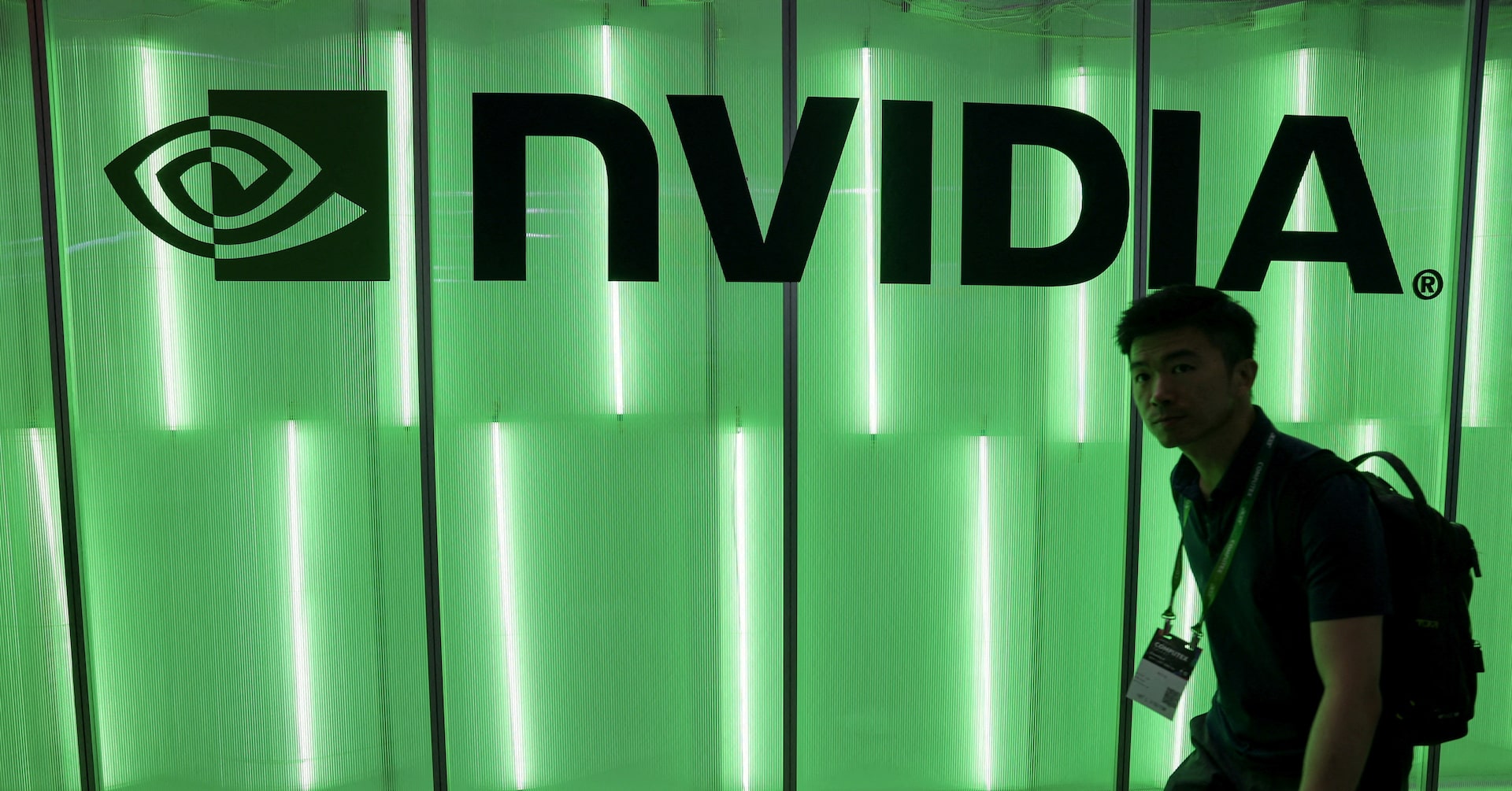
Surge in AI Infrastructure Investment

- Surge in Capital Expenditure: Major cloud companies are expected to invest nearly $700 billion in AI infrastructure in 2026, reflecting strong demand for AI technologies and driving rapid growth across related industries.
- Partnership Expansion: Nightfood Holdings' TechForce Robotics has partnered with Jiun Jiang to focus on AI infrastructure and pharmaceutical robotics, aiming to capitalize on growth trends in the tech sector and enhance market competitiveness.
- Strong Market Demand: The global lab automation market is projected to grow from $9.2 billion in 2025 to over $20 billion by 2034, with a compound annual growth rate of nearly 9.4%, indicating urgent demand for high-precision automation solutions.
- Technological Integration Advantage: TechForce Robotics leverages its RaaS delivery model and vertically integrated platform, combining robotics hardware and AI software to reduce implementation costs for customers, enhancing flexibility and efficiency in market entry.

Surge in AI Infrastructure Investment
- Surge in Capital Expenditure: Major cloud companies are expected to invest nearly $700 billion in AI infrastructure in 2026, driving rapid growth across the tech industry, particularly in data centers and semiconductor sectors.
- Partnership Expansion: Nightfood Holdings' TechForce Robotics has partnered with Jiun Jiang to focus on automation in AI infrastructure and pharmaceutical robotics, positioning the company within a significant growth trend in technology.
- Strong Market Demand: The global lab automation market is projected to grow from $9.2 billion in 2025 to over $20 billion by 2034, with a compound annual growth rate of nearly 9.4%, indicating a pressing need for high-precision automation solutions.
- Technological Integration Advantage: TechForce Robotics is laying the groundwork for the automation surge driven by AI infrastructure through its RaaS delivery model and proven use cases, positioning itself as a key player in the field.

Western Digital Shares Rise 4.2% to $681.08 Amid Strong Demand

- Stock Price Surge: Western Digital (WDC) shares rose 4.2% to $681.08 in the last trading session, with impressive trading volume indicating strong market response to its exposure to AI-driven data center demand.
- Positive Industry Outlook: The stock has gained 42.5% over the past four weeks, driven by rising demand for high-capacity HDDs, particularly from hyperscale cloud providers and AI infrastructure operators, which has supported revenue growth and margin expansion.
- New Product Showcase: At the Computex 2026 event, the company showcased its Ultrastar HDD portfolio featuring advanced technologies like UltraSMR, ePMR, and HAMR, aimed at helping cloud providers and high-performance computing environments optimize capacity and performance.
- Strong Earnings Expectations: The upcoming quarterly earnings report is expected to show an EPS of $3.32, representing a 100% year-over-year increase, with revenues projected at $3.7 billion, up 42.2%, indicating significant growth potential for the company.
Netlist Initiates New Lawsuit Against Samsung for Patent Infringement
- Expanded Legal Actions: Netlist has initiated new legal proceedings against Samsung in the U.S. International Trade Commission and the Eastern District of Texas, alleging infringement of two patents related to high-bandwidth memory and DDR5 products, demonstrating the company's commitment to protecting its intellectual property.
- Multiple Defendants: The lawsuit also names Google, Supermicro, Nvidia, and Broadcom as additional respondents, indicating that Netlist is broadening its legal efforts to safeguard its technological advantages and market position in the AI memory sector.
- Expedited Trial Expectations: The ITC's procedures suggest that the case is likely to progress to trial within a year, which could enable Netlist to achieve legal outcomes swiftly, positively impacting its market strategy.
- Strategic Implications: Netlist's CEO C.K. Hong emphasized the company's dedication to driving breakthrough innovations in AI memory, and this legal action serves not only to protect existing technologies but also to strategically position the company for future market opportunities.
Bitzero Holdings Secures Power Supply for AI Growth
- Power Supply Bottleneck: Bitzero Holdings has secured over 1 gigawatt of low-cost power capacity across four strategic sites in Norway, Finland, and the U.S., ensuring its competitive edge in AI infrastructure and expected revenue growth.
- Major Contract Signing: The 15-year lease with OneQode Networks is projected to generate approximately $2.6 billion in total revenue, with an annual revenue potential of $178 million, showcasing Bitzero's strong potential in the high-performance computing market.
- Operational Cost Advantage: Bitzero's power cost in Norway is only 3-4 cents per kilowatt-hour, significantly lower than the U.S. average of 12 cents, providing a substantial cost advantage in the competitive AI workload landscape.
- Sustained Profitability: Bitzero is currently profitable through Bitcoin mining, with mining costs around $50,000 per Bitcoin, demonstrating infrastructure reliability under high-load conditions and instilling confidence in future AI clients.
Bitzero Holdings Secures Power Capacity for AI Infrastructure
- Power Resource Advantage: Bitzero Holdings has secured over 1 gigawatt of low-cost power capacity across four strategic sites in Norway, Finland, and the U.S., ensuring its competitive edge in the AI infrastructure sector and promising long-term revenue.
- Major Contract Signing: The 15-year lease agreement with OneQode Networks is expected to generate approximately $2.6 billion in total revenue, with an annual revenue potential of $178 million, highlighting Bitzero's strong growth potential in the AI computing market.
- Efficient Power Costs: Bitzero's power costs in Norway are only 3-4 cents per kilowatt-hour, significantly lower than the U.S. average of 12 cents, providing a substantial cost advantage in the competitive AI workload landscape.
- Sustained Profitability: Bitzero is currently profitable through Bitcoin mining, with mining costs around $50,000 per Bitcoin, demonstrating infrastructure reliability under high-load conditions and instilling confidence in future AI customers.
Surge in AI Infrastructure Investment
- Surge in Capital Expenditure: Major cloud companies are expected to invest nearly $700 billion in AI infrastructure in 2026, reflecting strong demand for AI technologies and driving rapid growth across related industries.
- Partnership Expansion: Nightfood Holdings' TechForce Robotics has partnered with Jiun Jiang to focus on AI infrastructure and pharmaceutical robotics, aiming to capitalize on growth trends in the tech sector and enhance market competitiveness.
- Strong Market Demand: The global lab automation market is projected to grow from $9.2 billion in 2025 to over $20 billion by 2034, with a compound annual growth rate of nearly 9.4%, indicating urgent demand for high-precision automation solutions.
- Technological Integration Advantage: TechForce Robotics leverages its RaaS delivery model and vertically integrated platform, combining robotics hardware and AI software to reduce implementation costs for customers, enhancing flexibility and efficiency in market entry.
Surge in AI Infrastructure Investment
- Surge in Capital Expenditure: Major cloud companies are expected to invest nearly $700 billion in AI infrastructure in 2026, driving rapid growth across the tech industry, particularly in data centers and semiconductor sectors.
- Partnership Expansion: Nightfood Holdings' TechForce Robotics has partnered with Jiun Jiang to focus on automation in AI infrastructure and pharmaceutical robotics, positioning the company within a significant growth trend in technology.
- Strong Market Demand: The global lab automation market is projected to grow from $9.2 billion in 2025 to over $20 billion by 2034, with a compound annual growth rate of nearly 9.4%, indicating a pressing need for high-precision automation solutions.
- Technological Integration Advantage: TechForce Robotics is laying the groundwork for the automation surge driven by AI infrastructure through its RaaS delivery model and proven use cases, positioning itself as a key player in the field.
Western Digital Shares Rise 4.2% to $681.08 Amid Strong Demand
- Stock Price Surge: Western Digital (WDC) shares rose 4.2% to $681.08 in the last trading session, with impressive trading volume indicating strong market response to its exposure to AI-driven data center demand.
- Positive Industry Outlook: The stock has gained 42.5% over the past four weeks, driven by rising demand for high-capacity HDDs, particularly from hyperscale cloud providers and AI infrastructure operators, which has supported revenue growth and margin expansion.
- New Product Showcase: At the Computex 2026 event, the company showcased its Ultrastar HDD portfolio featuring advanced technologies like UltraSMR, ePMR, and HAMR, aimed at helping cloud providers and high-performance computing environments optimize capacity and performance.
- Strong Earnings Expectations: The upcoming quarterly earnings report is expected to show an EPS of $3.32, representing a 100% year-over-year increase, with revenues projected at $3.7 billion, up 42.2%, indicating significant growth potential for the company.