U.S. Legislation Aims to Restrict Betting on Prediction Markets
Written by Emily J. Thompson, Senior Investment Analyst
Updated: Mar 23 2026
0mins
Source: seekingalpha
- Legislative Impact: U.S. lawmakers are preparing a bipartisan bill to prohibit prediction markets from offering contracts that effectively function as sports bets, tightening regulatory scrutiny on the growing overlap between these markets and traditional gambling.
- Market Reaction: DraftKings shares surged 9.0% in premarket trading, while Flutter Entertainment rose 8.3%, indicating market sensitivity to potential legislative impacts and reflecting investor confidence in these companies amidst regulatory changes.
- Increased Regulatory Pressure: The bill, led by Nevada Democratic Representative Dina Titus, targets 'sports trades' and other 'casino-style games,' addressing concerns from state regulators and casino interests about prediction markets exploiting regulatory gaps.
- Industry Controversy: Prediction market firms argue their products are financial instruments for information discovery and hedging, not gambling, warning that a federal sports betting ban could stifle innovation and push activities offshore.
Trade with 70% Backtested Accuracy
Stop guessing "Should I Buy DKNG?" and start using high-conviction signals backed by rigorous historical data.
Sign up today to access powerful investing tools and make smarter, data-driven decisions.
Analyst Views on DKNG
Wall Street analysts forecast DKNG stock price to rise
29 Analyst Rating
23 Buy
6 Hold
0 Sell
Strong Buy
Current: 30.020

Low
30.00
Averages
42.69
High
53.00
Current: 30.020
Low
30.00
Averages
42.69
High
53.00
About DKNG
DraftKings Inc. is a digital sports entertainment and gaming company. It provides users with online and retail sports betting (together, Sportsbook), online casino (iGaming) and daily fantasy sports product offerings, as well as digital lottery courier, media, and other product offerings. Sportsbook is live with mobile and/or retail sports betting operations pursuant to regulations in 28 states, Washington, D.C., and in Ontario, Canada. It operates iGaming pursuant to regulations in five states and in Ontario, Canada under its DraftKings brand and pursuant to regulations in four states under its Golden Nugget Online Gaming brand. It owns Jackpocket, a digital lottery courier app in the United States. It is both an official daily fantasy and sports betting partner of the NFL, NHL, PGA TOUR, WNBA and UFC, as well as an official daily fantasy partner of NASCAR, an official sports betting partner of the NBA. It also owns and operates DraftKings Network, a multi-platform content ecosystem.
About the author

Emily J. Thompson
Emily J. Thompson, a Chartered Financial Analyst (CFA) with 12 years in investment research, graduated with honors from the Wharton School. Specializing in industrial and technology stocks, she provides in-depth analysis for Intellectia’s earnings and market brief reports.
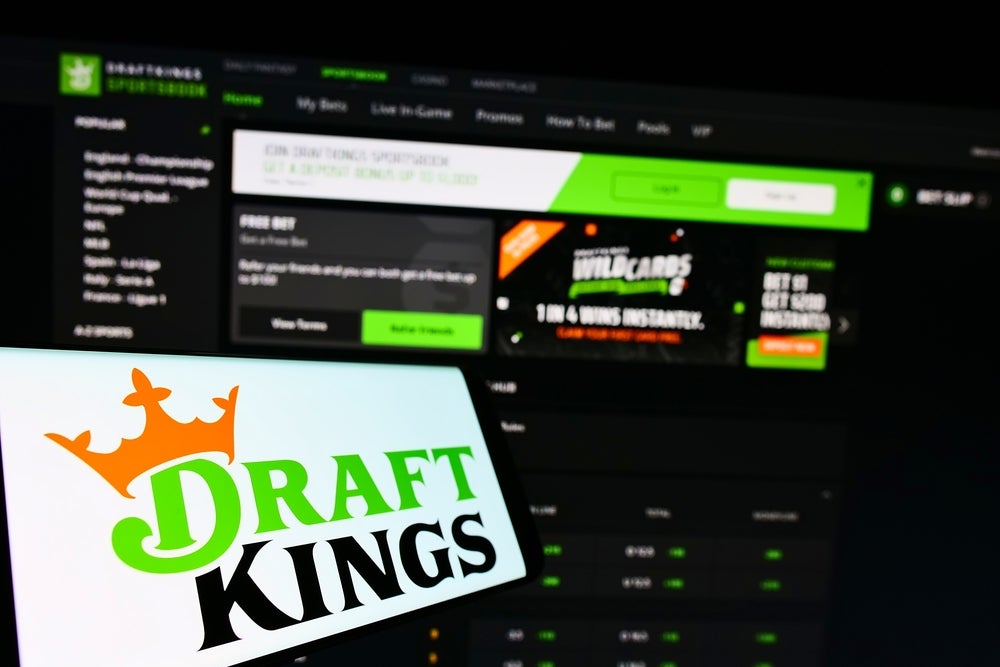
DraftKings and Flutter Ramp Up Marketing Efforts for World Cup


- World Cup Marketing Strategy: Wells Fargo expects DraftKings (DKNG) and Flutter Entertainment (FLUT) to ramp up their marketing efforts during and after the World Cup, aiming to attract new customers and enhance the visibility of their prediction market platforms during this massive 39-day global sports event.
- Earnings Forecast Downgrade: Due to increased sales and marketing costs in Q2, Wells Fargo has lowered EBITDA estimates for DraftKings and Flutter Entertainment to near the lowest levels on Wall Street, reflecting concerns about their profitability amidst rising expenses.
- Super App Concept: DraftKings is explicitly moving towards a single super app across all 50 states that integrates sports betting and prediction markets, while Flutter Entertainment operates its prediction markets as a largely separate app with selective links to its core sportsbook, indicating differing strategic approaches.
- Intensifying Market Competition: As DraftKings and Flutter Entertainment compete aggressively during the World Cup, market attention on their future performance increases, particularly in the context of the growing convergence of sports betting and prediction markets, which may impact their long-term strategic positioning.
See More
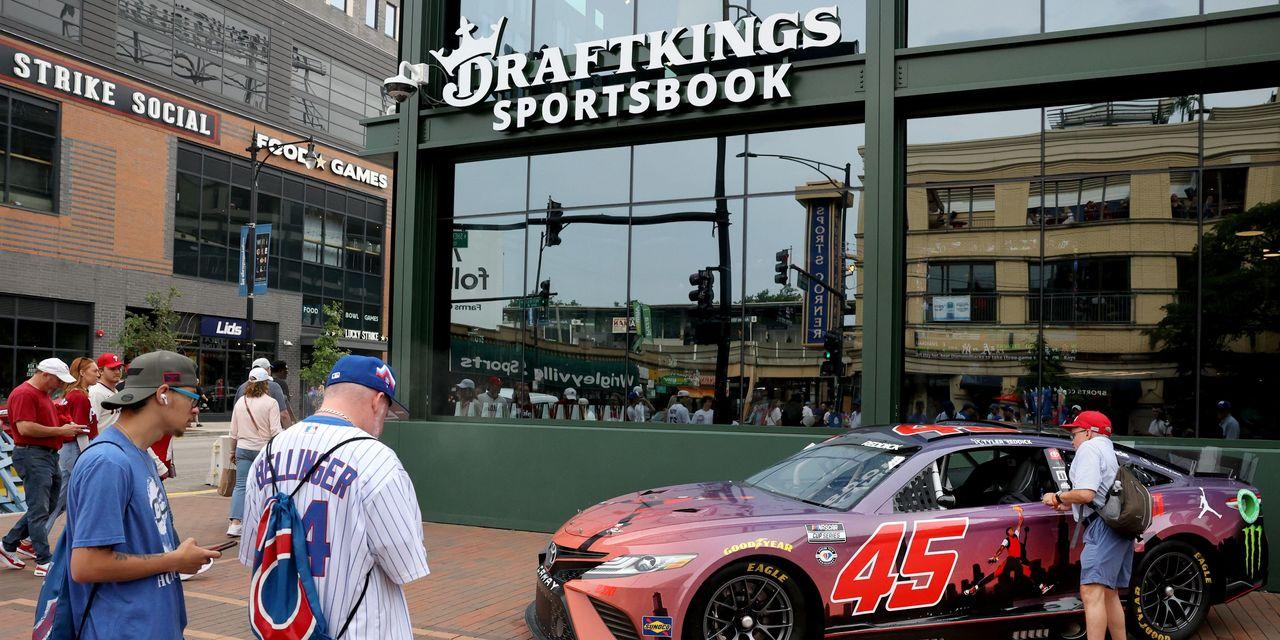
Flutter Entertainment to Delist from London Stock Exchange
- Stock Price Increase: FLUT shares rose 1.2% in premarket trading on Friday, reflecting market optimism about the company's future, particularly with the upcoming 2026 FIFA World Cup expected to drive user growth.
- Delisting from London: Flutter announced it will cease trading on the London Stock Exchange on July 31, shifting focus to the New York market, a strategic move aimed at enhancing its competitiveness globally, especially against rivals like DraftKings.
- Financial Performance: Despite a 17% year-over-year revenue increase to $4.3 billion in Q1, FLUT's net income fell from $283 million to $218 million, indicating the impact of a declining user base, with average monthly players down 3% to 14.4 million.
- CEO Transition: The company announced the departure of CEO Amy Howe, with FanDuel President Christian Gentski stepping in, as the new leadership is expected to drive market performance during the upcoming World Cup, leveraging competitive advantages to attract new customers.
See More
Trump Claims End to Iran War, Oil Prices Drop

- Iran War Settlement: Trump announced a 'great settlement' with Iran, expecting to sign an agreement in the coming days, marking his 39th such claim; however, the market reacted negatively, with oil prices dropping approximately 4%.
- Strait of Hormuz Traffic: If the deal is finalized, Frontline CEO Lars Barstad indicated that oil tanker traffic through the Strait of Hormuz could significantly increase from the current 5 to 10 ships daily, potentially impacting global oil supply dynamics.
- SpaceX IPO Update: SpaceX is set to go public on Friday with an expected valuation of around $1.8 trillion, but the allocation for retail investors is lower than anticipated at around 20%, which may affect market reception and investor confidence.
- World Cup Betting Boom: The 2026 FIFA World Cup is projected to be the largest betting event ever, with analysts highlighting DraftKings as a key beneficiary due to its strategic partnerships, particularly in the Spanish-speaking market, which could drive significant betting activity.
See More
2026 FIFA World Cup Expected to Boost DraftKings as Major Betting Event

- Market Beneficiary: The 2026 FIFA World Cup is anticipated to be the largest betting event ever, with analysts identifying DraftKings as the clearest beneficiary due to its multi-year partnership with NBCUniversal and Telemundo's exclusive Spanish-language rights, which funnel high-intent soccer bettors to its Spanish-language app.
- Prediction Market Growth: DraftKings reported $1.3 billion in annualized consumer volume for its prediction markets in May, a 24% increase from April, which, while still small compared to competitors like Kalshi and Polymarket, enhances its competitiveness and alleviates pressure on its sportsbook business.
- Customer Acquisition Potential: The company stated that the World Cup, combined with its unified platform strategy that offers sportsbook and sports predictions based on location and includes a Spanish-language feature, is expected to significantly drive new customer acquisition and strong engagement among existing users.
- Market Trial Opportunity: Oppenheimer analysts believe DraftKings' push into prediction markets via the World Cup will serve as a trial run to prepare for a surge in volume during the NFL season, suggesting the company can leverage its product and customer acquisition costs to develop leading sports prediction markets.
See More

DraftKings Stock Shows Strong Rebound Potential
- Volume Growth: DraftKings reported an annualized total trading volume of $3.1 billion in May, reflecting a 34% month-over-month increase, indicating strong momentum in its prediction markets business, although it remains modest compared to Kalshi's $215 billion.
- Analyst Rating Maintained: Despite JPMorgan highlighting that DraftKings' growth stemmed from a relatively small base and does not indicate significant near-term financial impact, the firm maintained an 'Overweight' rating, demonstrating confidence in the stock's long-term potential.
- Technical Indicators Approaching: DraftKings shares are nearing their 200-day moving average, currently just $1.20 below this resistance level, and a breakout above it could trigger further upward movement, which investors are optimistic about.
- Market Sentiment Optimistic: With the FIFA World Cup approaching, retail sentiment around DraftKings has been extremely bullish, with high message volumes, and some users even predicting the stock price could double, reflecting strong market expectations for its future performance.
See More
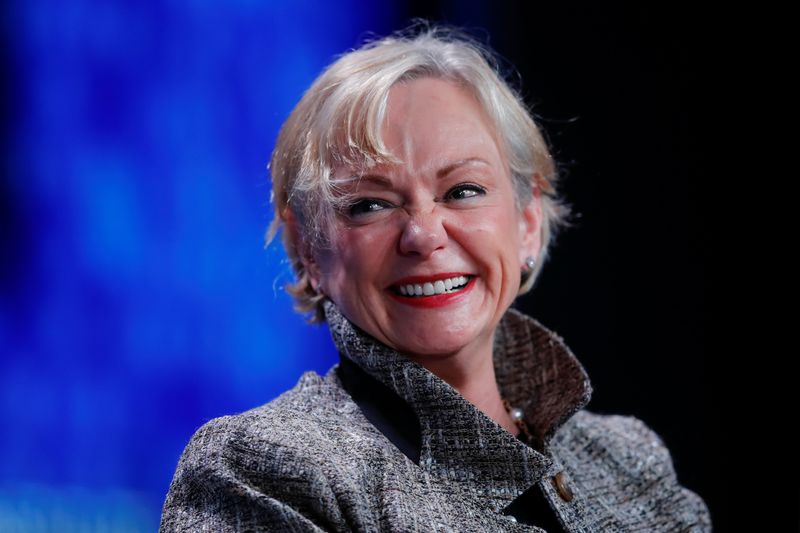
Flutter CEO Calls World Cup a Strong Customer Acquisition Tool
- World Cup Commercial Opportunity: Flutter anticipates handling up to 100,000 bets per minute during the World Cup, indicating a significant customer growth opportunity, particularly in the U.S. market where attracting new users is crucial.
- Market Strategy Adjustment: CEO Peter Jackson emphasized that the company tailors its strategy by market, especially in the U.S., where educational features and product enhancements are introduced to help first-time bettors better understand the tournament, thereby improving user experience and engagement.
- Partnership with Crypto.com: Flutter expands its FanDuel Predicts prediction market business through a partnership with Crypto.com, adding new contract types that enhance its competitiveness across all 50 U.S. states, particularly against rivals like Kalshi and Polymarket.
- Retail Sentiment Remains Optimistic: Despite FLUT stock declining over 47% year-to-date, retail sentiment on Stocktwits remains bullish, reflecting confidence in Flutter's long-term growth potential.
See More
DraftKings and Flutter Ramp Up Marketing Efforts for World Cup
- World Cup Marketing Strategy: Wells Fargo expects DraftKings (DKNG) and Flutter Entertainment (FLUT) to ramp up their marketing efforts during and after the World Cup, aiming to attract new customers and enhance the visibility of their prediction market platforms during this massive 39-day global sports event.
- Earnings Forecast Downgrade: Due to increased sales and marketing costs in Q2, Wells Fargo has lowered EBITDA estimates for DraftKings and Flutter Entertainment to near the lowest levels on Wall Street, reflecting concerns about their profitability amidst rising expenses.
- Super App Concept: DraftKings is explicitly moving towards a single super app across all 50 states that integrates sports betting and prediction markets, while Flutter Entertainment operates its prediction markets as a largely separate app with selective links to its core sportsbook, indicating differing strategic approaches.
- Intensifying Market Competition: As DraftKings and Flutter Entertainment compete aggressively during the World Cup, market attention on their future performance increases, particularly in the context of the growing convergence of sports betting and prediction markets, which may impact their long-term strategic positioning.
See More
Flutter Entertainment to Delist from London Stock Exchange
- Stock Price Increase: FLUT shares rose 1.2% in premarket trading on Friday, reflecting market optimism about the company's future, particularly with the upcoming 2026 FIFA World Cup expected to drive user growth.
- Delisting from London: Flutter announced it will cease trading on the London Stock Exchange on July 31, shifting focus to the New York market, a strategic move aimed at enhancing its competitiveness globally, especially against rivals like DraftKings.
- Financial Performance: Despite a 17% year-over-year revenue increase to $4.3 billion in Q1, FLUT's net income fell from $283 million to $218 million, indicating the impact of a declining user base, with average monthly players down 3% to 14.4 million.
- CEO Transition: The company announced the departure of CEO Amy Howe, with FanDuel President Christian Gentski stepping in, as the new leadership is expected to drive market performance during the upcoming World Cup, leveraging competitive advantages to attract new customers.
See More
Trump Claims End to Iran War, Oil Prices Drop
- Iran War Settlement: Trump announced a 'great settlement' with Iran, expecting to sign an agreement in the coming days, marking his 39th such claim; however, the market reacted negatively, with oil prices dropping approximately 4%.
- Strait of Hormuz Traffic: If the deal is finalized, Frontline CEO Lars Barstad indicated that oil tanker traffic through the Strait of Hormuz could significantly increase from the current 5 to 10 ships daily, potentially impacting global oil supply dynamics.
- SpaceX IPO Update: SpaceX is set to go public on Friday with an expected valuation of around $1.8 trillion, but the allocation for retail investors is lower than anticipated at around 20%, which may affect market reception and investor confidence.
- World Cup Betting Boom: The 2026 FIFA World Cup is projected to be the largest betting event ever, with analysts highlighting DraftKings as a key beneficiary due to its strategic partnerships, particularly in the Spanish-speaking market, which could drive significant betting activity.
See More
2026 FIFA World Cup Expected to Boost DraftKings as Major Betting Event
- Market Beneficiary: The 2026 FIFA World Cup is anticipated to be the largest betting event ever, with analysts identifying DraftKings as the clearest beneficiary due to its multi-year partnership with NBCUniversal and Telemundo's exclusive Spanish-language rights, which funnel high-intent soccer bettors to its Spanish-language app.
- Prediction Market Growth: DraftKings reported $1.3 billion in annualized consumer volume for its prediction markets in May, a 24% increase from April, which, while still small compared to competitors like Kalshi and Polymarket, enhances its competitiveness and alleviates pressure on its sportsbook business.
- Customer Acquisition Potential: The company stated that the World Cup, combined with its unified platform strategy that offers sportsbook and sports predictions based on location and includes a Spanish-language feature, is expected to significantly drive new customer acquisition and strong engagement among existing users.
- Market Trial Opportunity: Oppenheimer analysts believe DraftKings' push into prediction markets via the World Cup will serve as a trial run to prepare for a surge in volume during the NFL season, suggesting the company can leverage its product and customer acquisition costs to develop leading sports prediction markets.
See More
DraftKings Stock Shows Strong Rebound Potential
- Volume Growth: DraftKings reported an annualized total trading volume of $3.1 billion in May, reflecting a 34% month-over-month increase, indicating strong momentum in its prediction markets business, although it remains modest compared to Kalshi's $215 billion.
- Analyst Rating Maintained: Despite JPMorgan highlighting that DraftKings' growth stemmed from a relatively small base and does not indicate significant near-term financial impact, the firm maintained an 'Overweight' rating, demonstrating confidence in the stock's long-term potential.
- Technical Indicators Approaching: DraftKings shares are nearing their 200-day moving average, currently just $1.20 below this resistance level, and a breakout above it could trigger further upward movement, which investors are optimistic about.
- Market Sentiment Optimistic: With the FIFA World Cup approaching, retail sentiment around DraftKings has been extremely bullish, with high message volumes, and some users even predicting the stock price could double, reflecting strong market expectations for its future performance.
See More
Flutter CEO Calls World Cup a Strong Customer Acquisition Tool
- World Cup Commercial Opportunity: Flutter anticipates handling up to 100,000 bets per minute during the World Cup, indicating a significant customer growth opportunity, particularly in the U.S. market where attracting new users is crucial.
- Market Strategy Adjustment: CEO Peter Jackson emphasized that the company tailors its strategy by market, especially in the U.S., where educational features and product enhancements are introduced to help first-time bettors better understand the tournament, thereby improving user experience and engagement.
- Partnership with Crypto.com: Flutter expands its FanDuel Predicts prediction market business through a partnership with Crypto.com, adding new contract types that enhance its competitiveness across all 50 U.S. states, particularly against rivals like Kalshi and Polymarket.
- Retail Sentiment Remains Optimistic: Despite FLUT stock declining over 47% year-to-date, retail sentiment on Stocktwits remains bullish, reflecting confidence in Flutter's long-term growth potential.
See More