US Inflation Accelerates to Three-Year High Amid Geopolitical Tensions
Written by Emily J. Thompson, Senior Investment Analyst
Updated: 2 days ago
0mins
Source: NASDAQ.COM
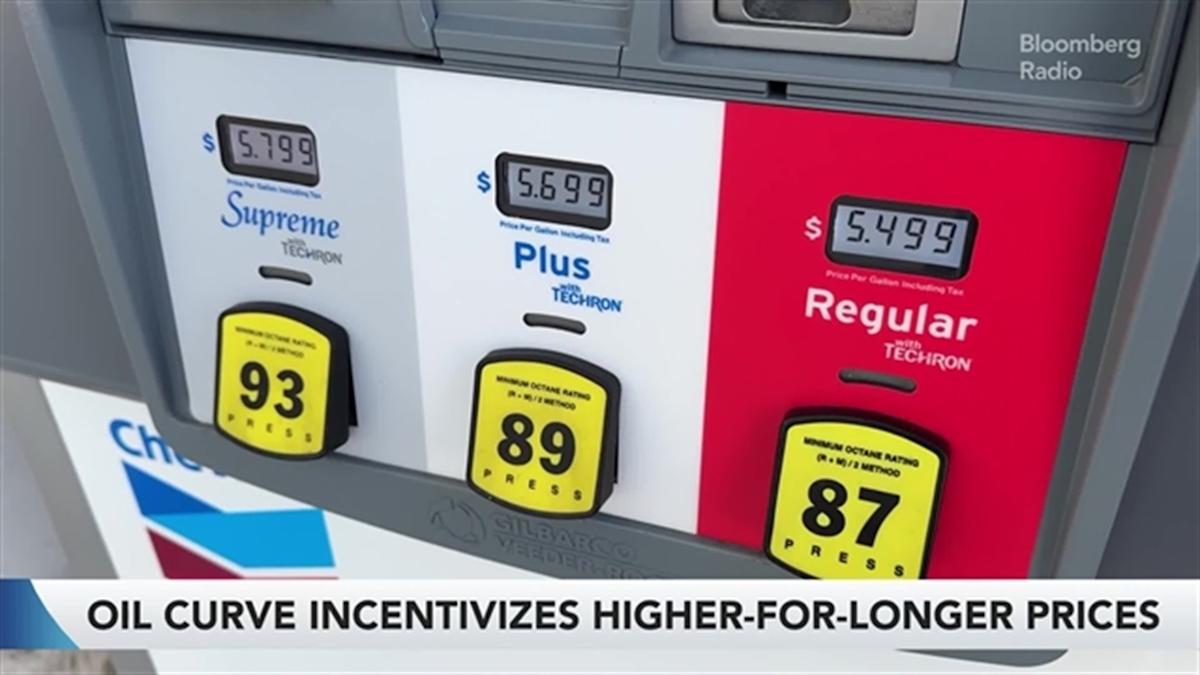
- Inflation Surge: CPI inflation accelerated to 3.8% in April, the highest level since 2023, driven by rising energy prices linked to the U.S.-Iran conflict, with forecasts suggesting it could reach 6.7% in the coming months, thereby increasing manufacturing and transportation costs across the economy.
- Rising Bond Yields: Treasury yields have surged recently, with the 30-year yield hitting a 19-year high as investors expect the Federal Reserve to raise interest rates to combat inflation, indicating growing concerns about potential economic slowdown.
- Increased Stock Market Risks: Historically, the S&P 500 has averaged a 7% decline in the three months following the onset of a new rate-hike cycle since 1999, suggesting that current rate hike expectations could negatively impact stock market performance by limiting corporate investment and expansion plans.
- Market Warning Signals: The bond market is signaling alarm as investors sell Treasuries, driving prices down and yields up, which could adversely affect stock market performance, especially in a high-inflation environment where rising borrowing costs may suppress consumer demand.
Trade with 70% Backtested Accuracy
Stop guessing "Should I Buy USB?" and start using high-conviction signals backed by rigorous historical data.
Sign up today to access powerful investing tools and make smarter, data-driven decisions.
Analyst Views on USB
Wall Street analysts forecast USB stock price to rise
20 Analyst Rating
12 Buy
7 Hold
1 Sell
Moderate Buy
Current: 54.690

Low
50.00
Averages
58.87
High
75.00
Current: 54.690
Low
50.00
Averages
58.87
High
75.00
About USB
U.S. Bancorp is a financial services holding company. Its segments are Wealth, Corporate, Commercial and Institutional Banking, Consumer and Business Banking, Payment Services, and Treasury and Corporate Support. It provides a full range of financial services, including lending and depository services, cash management, capital markets, and trust and investment management services. It also engages in credit card services, merchant and ATM processing, mortgage banking, insurance, brokerage and leasing. Its banking subsidiary, U.S. Bank National Association (USBNA), is engaged in the banking business, principally in domestic markets. USBNA provides a range of products and services to individuals, businesses, institutional organizations, governmental entities and other financial institutions. Its non-banking subsidiaries offer investment and insurance products to its customers principally within its domestic markets, and fund administration services to a range of mutual and other funds.
About the author

Emily J. Thompson
Emily J. Thompson, a Chartered Financial Analyst (CFA) with 12 years in investment research, graduated with honors from the Wharton School. Specializing in industrial and technology stocks, she provides in-depth analysis for Intellectia’s earnings and market brief reports.

U.S. Bancorp Updates 2027 Earnings Call Schedule

- Earnings Call Schedule: U.S. Bancorp has updated its earnings call schedule for 2027, with the first quarter results set to be released on April 16, 2027, at 8 a.m. CT, reflecting the company's commitment to transparency.
- Quarterly Reporting Dates: The second quarter results will be reported on July 15, 2027, at 7 a.m. CT, and the third quarter on October 20, 2027, at 8 a.m. CT, ensuring timely information for investors.
- 2026 Earnings Timeline: U.S. Bancorp has also announced the 2026 earnings call schedule, with the second quarter on July 16, 2026, the third quarter on October 15, 2026, and the fourth quarter on January 19, 2027, demonstrating a commitment to future financial transparency.
- Company Overview: Headquartered in Minneapolis, U.S. Bancorp is the fifth-largest commercial bank in the U.S., serving 15 million clients with nearly 70,000 employees, showcasing its strong position and capabilities in the financial services sector.
See More
Rising Treasury Yields Signal Stock Market Risks Amid Inflation

- Bond Market Alarm: Treasury yields have surged in recent months as investors anticipate the Federal Reserve will raise rates to combat inflation linked to the Iran war, with the 1-year Treasury yield reaching 3.86%, up 38 basis points from last month, indicating growing concerns about a potential economic slowdown.
- Inflationary Pressures: Oil prices have surged to multi-year highs, causing the Consumer Price Index (CPI) to accelerate to 3.8% in April, with projections suggesting it could rise to 6.7% in the second quarter, exerting persistent inflationary pressure on manufacturing and transportation costs.
- Historical Trends Warning: Since 1999, every rate-hike cycle initiated by the Federal Reserve has led to declines in the S&P 500, with drops ranging from 1% to 17% and an average drawdown of 7%, suggesting that current rate hike expectations could pose significant risks to the stock market.
- Investor Sentiment Shift: The CME Group's FedWatch tool indicates that investors initially expected two rate cuts in 2023, but now foresee a rate hike by January 2027, reflecting a growing pessimism about future economic conditions and potential impacts on stock performance.
See More

US Inflation Accelerates to Three-Year High Amid Geopolitical Tensions
- Inflation Surge: CPI inflation accelerated to 3.8% in April, the highest level since 2023, driven by rising energy prices linked to the U.S.-Iran conflict, with forecasts suggesting it could reach 6.7% in the coming months, thereby increasing manufacturing and transportation costs across the economy.
- Rising Bond Yields: Treasury yields have surged recently, with the 30-year yield hitting a 19-year high as investors expect the Federal Reserve to raise interest rates to combat inflation, indicating growing concerns about potential economic slowdown.
- Increased Stock Market Risks: Historically, the S&P 500 has averaged a 7% decline in the three months following the onset of a new rate-hike cycle since 1999, suggesting that current rate hike expectations could negatively impact stock market performance by limiting corporate investment and expansion plans.
- Market Warning Signals: The bond market is signaling alarm as investors sell Treasuries, driving prices down and yields up, which could adversely affect stock market performance, especially in a high-inflation environment where rising borrowing costs may suppress consumer demand.
See More
Consumer Sentiment Hits Record Low Amid Rising Inflation
- Consumer Confidence Plummets: The Michigan Consumer Sentiment Index fell to 48.2 in May, the lowest since 1952, down from 49.8 in April, indicating a pessimistic outlook among consumers that could lead to reduced spending, negatively impacting corporate earnings and stock prices.
- Inflation Accelerates: The Consumer Price Index (CPI) rose to 3.8% in April, the highest in three years, primarily driven by soaring oil prices due to the Iran conflict, which is raising manufacturing and transportation costs, potentially forcing the Federal Reserve to raise interest rates and further dampening market sentiment.
- Domino Effect of Rate Hikes: Higher interest rates will increase borrowing costs for companies, limiting investment and expansion plans, which could slow profit growth and weaken demand for large purchases like homes and cars, increasing the risk of a stock market downturn.
- Valuation Pressure on Markets: The S&P 500 currently trades at a forward P/E ratio of 21, above the five-year average of 19.9, and while earnings are expected to grow by 21% in 2026, persistent low consumer sentiment and rising inflation could lead companies to miss earnings estimates, setting the stage for a significant market decline.
See More
US-India Relations Face New Challenges Amidst US-China Summit


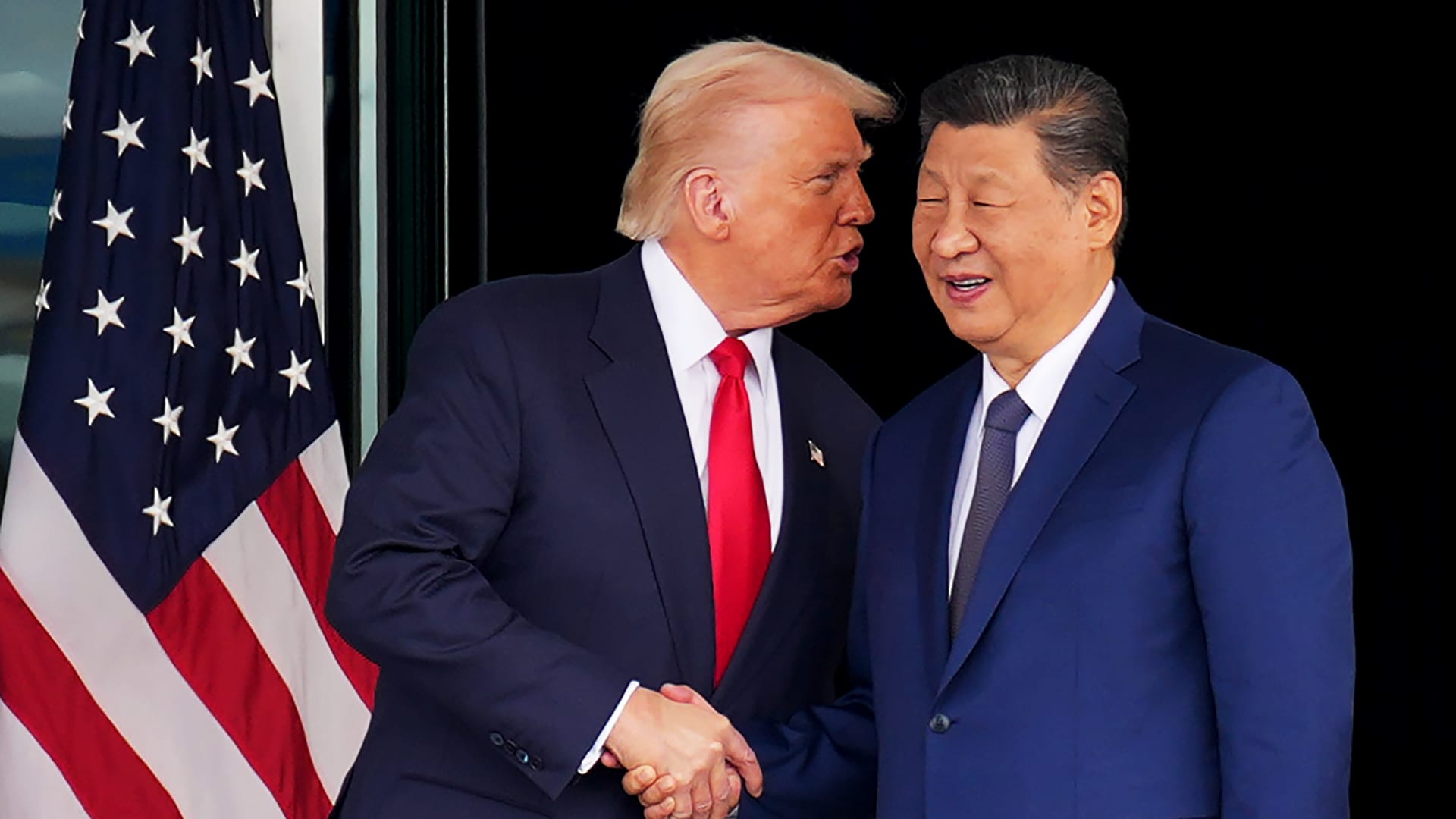
- Tension in US-India Relations: The shift in the Trump administration's China policy has strained US-India relations, with experts noting India's concerns that the US may prioritize China as the main negotiating partner, thereby diminishing India's strategic role in the Indo-Pacific.
- Need for Enhanced Strategic Value: To counter potential marginalization, India must establish more tangible cooperation with the US in sectors such as defense, maritime security, and critical minerals, thereby enhancing its strategic value and ensuring its importance in US-China relations.
- Changes in Trade Policy: The Trump administration's trade policy has become more transactional, with a 25% penalty tariff imposed on India last year for allegedly profiting from cheap Russian oil, further deteriorating bilateral relations.
- Concerns Over G2 Concept: India's attention to the US-China summit has intensified, with fears that the so-called 'G2' concept may marginalize middle powers like India, impacting its voice and influence in international affairs.
See More
Amazon Launches New Business Credit Cards


- Dynamic Rewards System: Amazon's newly launched Prime Business Card offers Prime members 5% cash back on up to $150,000 in annual U.S. purchases, while non-members receive 3%, significantly enhancing customer value and loyalty in Amazon spending.
- Flexible Payment Options: The new cards allow users to split eligible Amazon purchases into fixed monthly payments at 0% APR for up to 12 months, aiding businesses in managing cash flow and reducing financial strain.
- Spending Management Tools: The built-in spending management capabilities enable businesses to track expenses in real-time, set spending limits, and establish approval rules, enhancing financial transparency and control to meet modern business needs.
- Global Acceptance and Security: The new cards are accepted at over 100 million locations worldwide, leveraging Mastercard's secure network and AI-driven fraud monitoring to ensure transaction safety, empowering businesses to pay confidently in a complex global marketplace.
See More
U.S. Bancorp Updates 2027 Earnings Call Schedule
- Earnings Call Schedule: U.S. Bancorp has updated its earnings call schedule for 2027, with the first quarter results set to be released on April 16, 2027, at 8 a.m. CT, reflecting the company's commitment to transparency.
- Quarterly Reporting Dates: The second quarter results will be reported on July 15, 2027, at 7 a.m. CT, and the third quarter on October 20, 2027, at 8 a.m. CT, ensuring timely information for investors.
- 2026 Earnings Timeline: U.S. Bancorp has also announced the 2026 earnings call schedule, with the second quarter on July 16, 2026, the third quarter on October 15, 2026, and the fourth quarter on January 19, 2027, demonstrating a commitment to future financial transparency.
- Company Overview: Headquartered in Minneapolis, U.S. Bancorp is the fifth-largest commercial bank in the U.S., serving 15 million clients with nearly 70,000 employees, showcasing its strong position and capabilities in the financial services sector.
See More
Rising Treasury Yields Signal Stock Market Risks Amid Inflation
- Bond Market Alarm: Treasury yields have surged in recent months as investors anticipate the Federal Reserve will raise rates to combat inflation linked to the Iran war, with the 1-year Treasury yield reaching 3.86%, up 38 basis points from last month, indicating growing concerns about a potential economic slowdown.
- Inflationary Pressures: Oil prices have surged to multi-year highs, causing the Consumer Price Index (CPI) to accelerate to 3.8% in April, with projections suggesting it could rise to 6.7% in the second quarter, exerting persistent inflationary pressure on manufacturing and transportation costs.
- Historical Trends Warning: Since 1999, every rate-hike cycle initiated by the Federal Reserve has led to declines in the S&P 500, with drops ranging from 1% to 17% and an average drawdown of 7%, suggesting that current rate hike expectations could pose significant risks to the stock market.
- Investor Sentiment Shift: The CME Group's FedWatch tool indicates that investors initially expected two rate cuts in 2023, but now foresee a rate hike by January 2027, reflecting a growing pessimism about future economic conditions and potential impacts on stock performance.
See More
US Inflation Accelerates to Three-Year High Amid Geopolitical Tensions
- Inflation Surge: CPI inflation accelerated to 3.8% in April, the highest level since 2023, driven by rising energy prices linked to the U.S.-Iran conflict, with forecasts suggesting it could reach 6.7% in the coming months, thereby increasing manufacturing and transportation costs across the economy.
- Rising Bond Yields: Treasury yields have surged recently, with the 30-year yield hitting a 19-year high as investors expect the Federal Reserve to raise interest rates to combat inflation, indicating growing concerns about potential economic slowdown.
- Increased Stock Market Risks: Historically, the S&P 500 has averaged a 7% decline in the three months following the onset of a new rate-hike cycle since 1999, suggesting that current rate hike expectations could negatively impact stock market performance by limiting corporate investment and expansion plans.
- Market Warning Signals: The bond market is signaling alarm as investors sell Treasuries, driving prices down and yields up, which could adversely affect stock market performance, especially in a high-inflation environment where rising borrowing costs may suppress consumer demand.
See More
Consumer Sentiment Hits Record Low Amid Rising Inflation
- Consumer Confidence Plummets: The Michigan Consumer Sentiment Index fell to 48.2 in May, the lowest since 1952, down from 49.8 in April, indicating a pessimistic outlook among consumers that could lead to reduced spending, negatively impacting corporate earnings and stock prices.
- Inflation Accelerates: The Consumer Price Index (CPI) rose to 3.8% in April, the highest in three years, primarily driven by soaring oil prices due to the Iran conflict, which is raising manufacturing and transportation costs, potentially forcing the Federal Reserve to raise interest rates and further dampening market sentiment.
- Domino Effect of Rate Hikes: Higher interest rates will increase borrowing costs for companies, limiting investment and expansion plans, which could slow profit growth and weaken demand for large purchases like homes and cars, increasing the risk of a stock market downturn.
- Valuation Pressure on Markets: The S&P 500 currently trades at a forward P/E ratio of 21, above the five-year average of 19.9, and while earnings are expected to grow by 21% in 2026, persistent low consumer sentiment and rising inflation could lead companies to miss earnings estimates, setting the stage for a significant market decline.
See More
US-India Relations Face New Challenges Amidst US-China Summit
- Tension in US-India Relations: The shift in the Trump administration's China policy has strained US-India relations, with experts noting India's concerns that the US may prioritize China as the main negotiating partner, thereby diminishing India's strategic role in the Indo-Pacific.
- Need for Enhanced Strategic Value: To counter potential marginalization, India must establish more tangible cooperation with the US in sectors such as defense, maritime security, and critical minerals, thereby enhancing its strategic value and ensuring its importance in US-China relations.
- Changes in Trade Policy: The Trump administration's trade policy has become more transactional, with a 25% penalty tariff imposed on India last year for allegedly profiting from cheap Russian oil, further deteriorating bilateral relations.
- Concerns Over G2 Concept: India's attention to the US-China summit has intensified, with fears that the so-called 'G2' concept may marginalize middle powers like India, impacting its voice and influence in international affairs.
See More
Amazon Launches New Business Credit Cards
- Dynamic Rewards System: Amazon's newly launched Prime Business Card offers Prime members 5% cash back on up to $150,000 in annual U.S. purchases, while non-members receive 3%, significantly enhancing customer value and loyalty in Amazon spending.
- Flexible Payment Options: The new cards allow users to split eligible Amazon purchases into fixed monthly payments at 0% APR for up to 12 months, aiding businesses in managing cash flow and reducing financial strain.
- Spending Management Tools: The built-in spending management capabilities enable businesses to track expenses in real-time, set spending limits, and establish approval rules, enhancing financial transparency and control to meet modern business needs.
- Global Acceptance and Security: The new cards are accepted at over 100 million locations worldwide, leveraging Mastercard's secure network and AI-driven fraud monitoring to ensure transaction safety, empowering businesses to pay confidently in a complex global marketplace.
See More