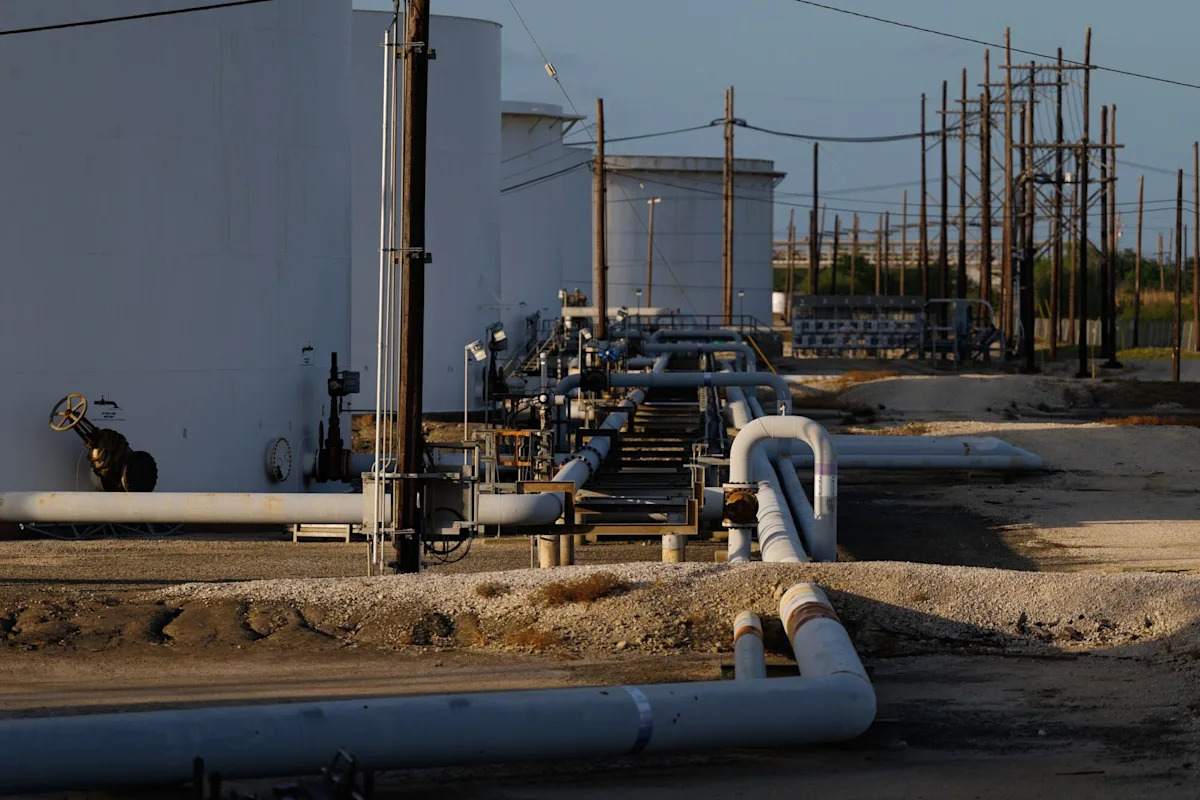
U.S. Defense Budget Set for Major Increase Amid Ongoing War Costs

- Defense Budget Increase: The Pentagon plans to raise the fiscal 2027 budget to $1.5 trillion, a significant increase from the $890 billion authorized for fiscal 2026, reflecting a strong commitment to military spending amid ongoing war costs in Iran.
- Focus on Arms Procurement: An estimated 52% of the new budget will be allocated for purchasing munitions, aircraft, tanks, and ships, with Boeing's KC-46A tanker production expected to receive a boost, potentially adding hundreds of millions in orders for the company.
- Accelerated F-35 Production: The Pentagon's budget envisions nearly doubling F-35 production from 47 units in 2026 to 85 in 2027, which translates to $15.4 billion in revenue for Lockheed Martin, further solidifying its position in the defense market.
- Naval Shipbuilding Investment: Approximately $65.8 billion is earmarked for naval shipbuilding, with plans to acquire 18 new warships and 16 support vessels, where General Dynamics is likely to secure a majority of contracts due to its expertise in support ship construction, enhancing its market share.
Trade with 70% Backtested Accuracy
Analyst Views on BA

About BA
About the author


Boeing Stock Rises 2.6% in Premarket Trading Following Smaller-Than-Expected Quarterly Loss Report

- Boeing's Stock Performance: Boeing shares increased by 2.6% in pre-market trading following the release of quarterly reports.
- Quarterly Losses: The company's quarterly losses were smaller than expected, contributing to the positive market reaction.
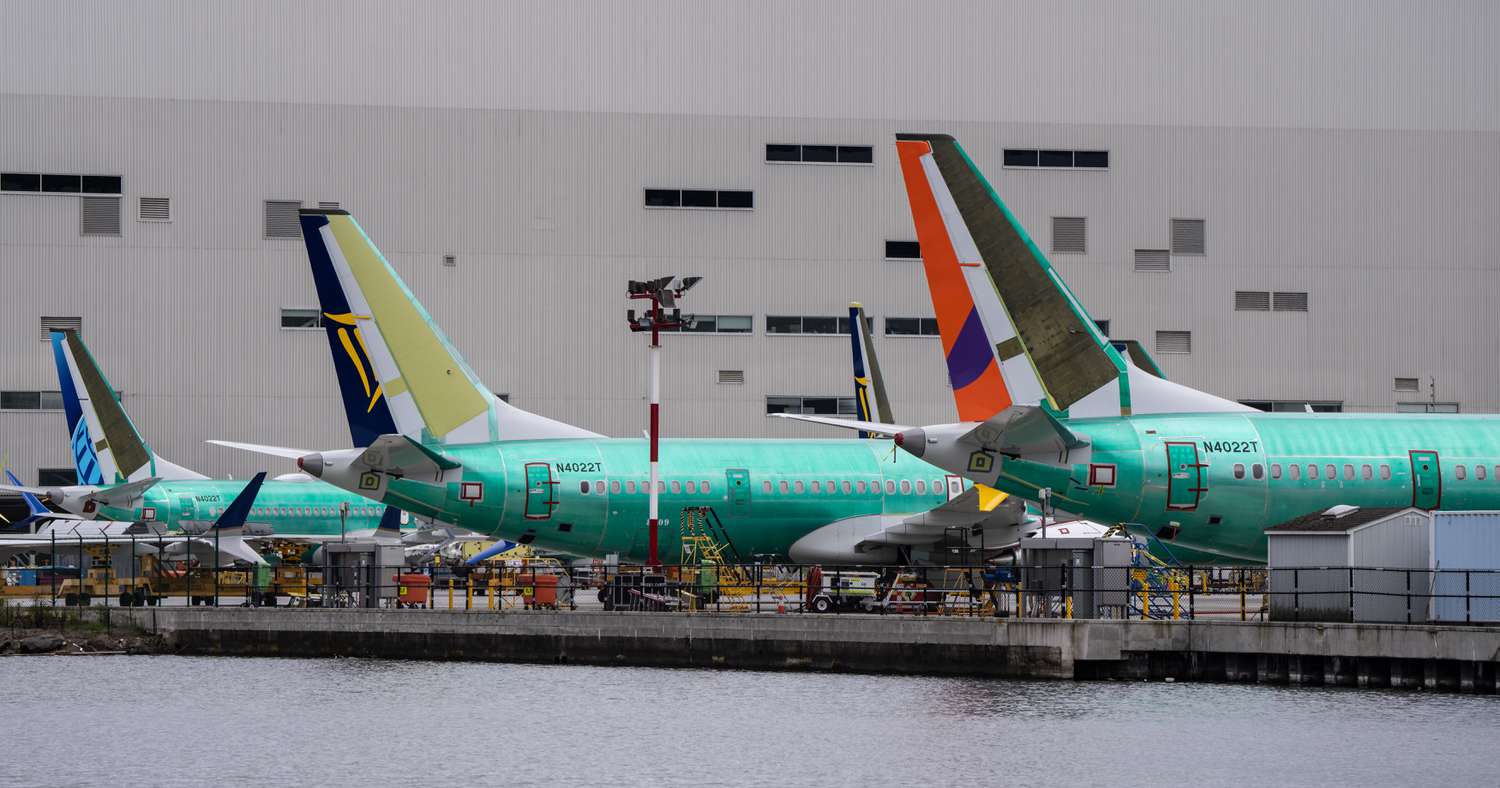
Boeing Reports Financial Results for the First Quarter
Financial Performance: Boeing reported its first-quarter financial results, highlighting key metrics and performance indicators.
Revenue and Profit Trends: The company experienced fluctuations in revenue and profit compared to previous quarters, reflecting ongoing challenges in the aerospace industry.
Operational Challenges: Boeing faced operational hurdles that impacted production and delivery schedules, affecting overall performance.
Future Outlook: The report includes insights into Boeing's strategic plans and expectations for the upcoming quarters, aiming for recovery and growth.

Boeing Set to Announce Q1 Earnings Amid Supply Chain Concerns
- Strong Delivery Performance: Boeing delivered 143 aircraft in Q1, surpassing Airbus's 114 deliveries, demonstrating its capability to maintain delivery strength amid short-term supply chain uncertainties, which boosts market confidence in its production capacity.
- Financial Expectations Analysis: The company is expected to report an EPS of -$0.68 for Q1, reflecting a 38.8% decline, while revenue is projected to rise by 12.4% to $21.91 billion, indicating resilience in generating revenue despite challenges.
- Orders and Production Plans: Boeing secured 149 net orders in Q1 and plans to deliver about 500 aircraft under its 737 program, showcasing confidence in its future production capabilities despite ongoing supply chain issues.
- Analyst Ratings Optimistic: RBC Capital Markets maintains an Outperform rating with a price target of $275, suggesting over 22% upside, as analysts believe Boeing will sustain a production rate of 10/month on the 787, highlighting its long-term growth potential.

U.S. Defense Budget Set for Major Increase Amid Ongoing War Costs

- Defense Budget Increase: The Pentagon plans to raise the fiscal 2027 budget to $1.5 trillion, a significant increase from the $890 billion authorized for fiscal 2026, reflecting a strong commitment to military spending amid ongoing war costs in Iran.
- Focus on Arms Procurement: An estimated 52% of the new budget will be allocated for purchasing munitions, aircraft, tanks, and ships, with Boeing's KC-46A tanker production expected to receive a boost, potentially adding hundreds of millions in orders for the company.
- Accelerated F-35 Production: The Pentagon's budget envisions nearly doubling F-35 production from 47 units in 2026 to 85 in 2027, which translates to $15.4 billion in revenue for Lockheed Martin, further solidifying its position in the defense market.
- Naval Shipbuilding Investment: Approximately $65.8 billion is earmarked for naval shipbuilding, with plans to acquire 18 new warships and 16 support vessels, where General Dynamics is likely to secure a majority of contracts due to its expertise in support ship construction, enhancing its market share.

Pentagon Proposes $1.5 Trillion Defense Budget for 2027
- Significant Defense Budget Increase: The Pentagon's proposal to raise the 2027 defense budget to $1.5 trillion includes over $600 billion in spending increases primarily for military hardware from Boeing, Lockheed Martin, and General Dynamics, highlighting the U.S. commitment to defense spending.
- F-35 Production Nearly Doubles: The budget plan envisions Lockheed Martin increasing F-35 production from 47 units in 2026 to 85 in 2027, translating to an additional $15.4 billion in revenue for Lockheed, thereby reinforcing its leadership in the defense sector.
- Substantial Naval Shipbuilding Investment: Approximately $65.8 billion is earmarked for naval shipbuilding, with plans to acquire 18 new warships and 16 support vessels, creating significant contract opportunities for General Dynamics and Huntington Ingalls, particularly enhancing General Dynamics' position in support vessel construction.
- Rising Demand for Aerial Refueling Tankers: The Pentagon's plan to increase production of Boeing's KC-46A tankers in 2027 is expected to add hundreds of millions of dollars to Boeing's backlog, reflecting the urgent need for aerial refueling capabilities in the context of extended military operations.
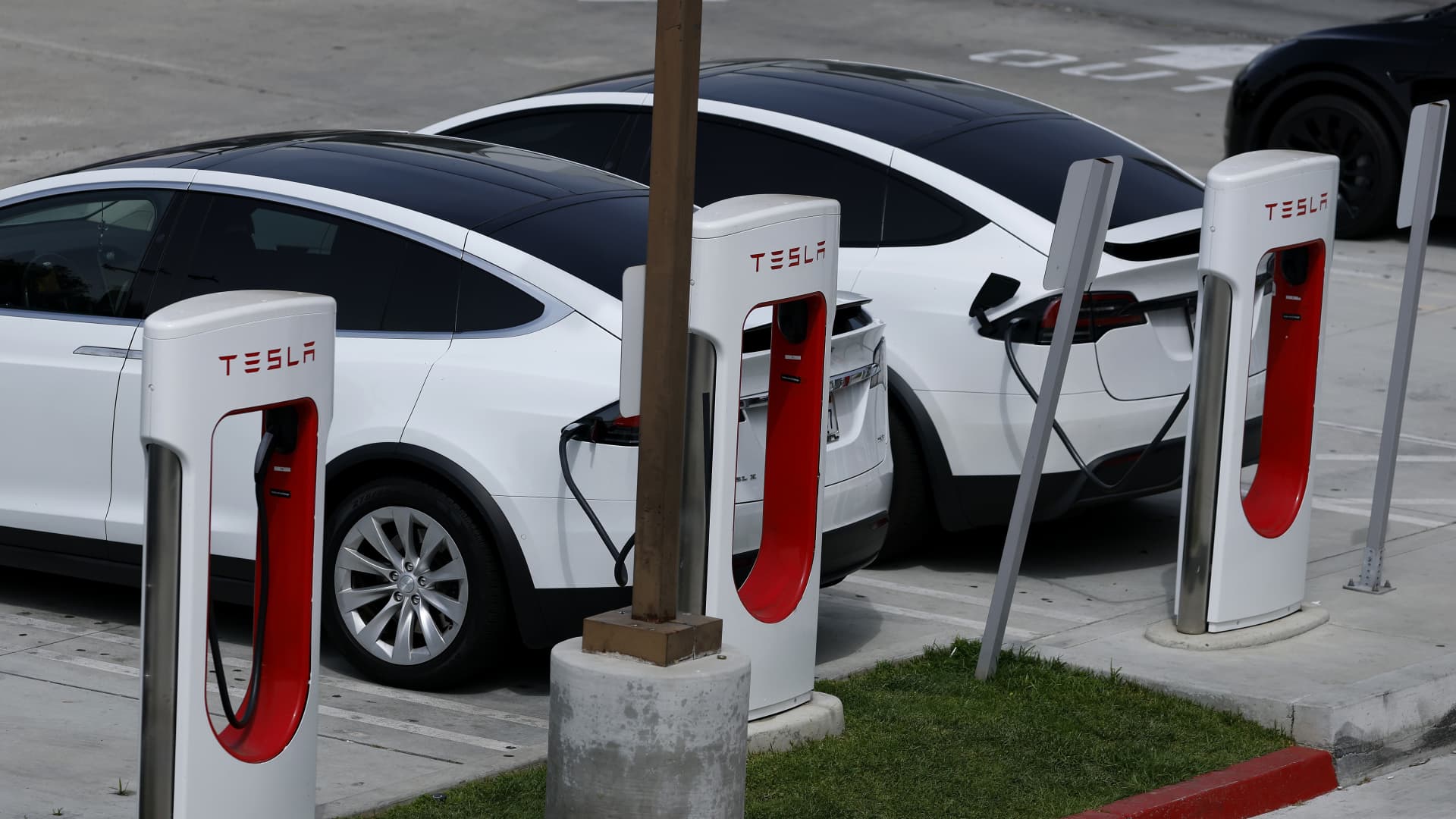
Tesla Reports Strong Earnings but Revenue Misses Estimates


- Earnings Report Highlights: Tesla's first-quarter earnings exceeded expectations, yet its revenue fell short of analyst estimates, leading to a pre-market stock drop of over 3%, indicating market concerns about future growth prospects.
- New Model Plans: Tesla confirmed plans to introduce more affordable trims of its Model Y SUV and Model 3 sedans to counter pressure from competitors, particularly in an increasingly competitive electric vehicle market, aiming to boost market share and attract more consumers.
- Self-Driving Technology Challenges: CEO Elon Musk stated that older models will not support the newly launched 'unsupervised' full self-driving technology, a declaration that could impact existing customer satisfaction and future sales amid rapid technological advancements.
- Poor Stock Performance: As of Wednesday's close, Tesla's stock has dropped nearly 14% this year, making it the worst-performing megacap tech stock, a trend that may undermine investor confidence and negatively affect the company's future financing capabilities.
Boeing Stock Rises 2.6% in Premarket Trading Following Smaller-Than-Expected Quarterly Loss Report
- Boeing's Stock Performance: Boeing shares increased by 2.6% in pre-market trading following the release of quarterly reports.
- Quarterly Losses: The company's quarterly losses were smaller than expected, contributing to the positive market reaction.
Boeing Reports Financial Results for the First Quarter
Financial Performance: Boeing reported its first-quarter financial results, highlighting key metrics and performance indicators.
Revenue and Profit Trends: The company experienced fluctuations in revenue and profit compared to previous quarters, reflecting ongoing challenges in the aerospace industry.
Operational Challenges: Boeing faced operational hurdles that impacted production and delivery schedules, affecting overall performance.
Future Outlook: The report includes insights into Boeing's strategic plans and expectations for the upcoming quarters, aiming for recovery and growth.
Boeing Set to Announce Q1 Earnings Amid Supply Chain Concerns
- Strong Delivery Performance: Boeing delivered 143 aircraft in Q1, surpassing Airbus's 114 deliveries, demonstrating its capability to maintain delivery strength amid short-term supply chain uncertainties, which boosts market confidence in its production capacity.
- Financial Expectations Analysis: The company is expected to report an EPS of -$0.68 for Q1, reflecting a 38.8% decline, while revenue is projected to rise by 12.4% to $21.91 billion, indicating resilience in generating revenue despite challenges.
- Orders and Production Plans: Boeing secured 149 net orders in Q1 and plans to deliver about 500 aircraft under its 737 program, showcasing confidence in its future production capabilities despite ongoing supply chain issues.
- Analyst Ratings Optimistic: RBC Capital Markets maintains an Outperform rating with a price target of $275, suggesting over 22% upside, as analysts believe Boeing will sustain a production rate of 10/month on the 787, highlighting its long-term growth potential.
U.S. Defense Budget Set for Major Increase Amid Ongoing War Costs
- Defense Budget Increase: The Pentagon plans to raise the fiscal 2027 budget to $1.5 trillion, a significant increase from the $890 billion authorized for fiscal 2026, reflecting a strong commitment to military spending amid ongoing war costs in Iran.
- Focus on Arms Procurement: An estimated 52% of the new budget will be allocated for purchasing munitions, aircraft, tanks, and ships, with Boeing's KC-46A tanker production expected to receive a boost, potentially adding hundreds of millions in orders for the company.
- Accelerated F-35 Production: The Pentagon's budget envisions nearly doubling F-35 production from 47 units in 2026 to 85 in 2027, which translates to $15.4 billion in revenue for Lockheed Martin, further solidifying its position in the defense market.
- Naval Shipbuilding Investment: Approximately $65.8 billion is earmarked for naval shipbuilding, with plans to acquire 18 new warships and 16 support vessels, where General Dynamics is likely to secure a majority of contracts due to its expertise in support ship construction, enhancing its market share.
Pentagon Proposes $1.5 Trillion Defense Budget for 2027
- Significant Defense Budget Increase: The Pentagon's proposal to raise the 2027 defense budget to $1.5 trillion includes over $600 billion in spending increases primarily for military hardware from Boeing, Lockheed Martin, and General Dynamics, highlighting the U.S. commitment to defense spending.
- F-35 Production Nearly Doubles: The budget plan envisions Lockheed Martin increasing F-35 production from 47 units in 2026 to 85 in 2027, translating to an additional $15.4 billion in revenue for Lockheed, thereby reinforcing its leadership in the defense sector.
- Substantial Naval Shipbuilding Investment: Approximately $65.8 billion is earmarked for naval shipbuilding, with plans to acquire 18 new warships and 16 support vessels, creating significant contract opportunities for General Dynamics and Huntington Ingalls, particularly enhancing General Dynamics' position in support vessel construction.
- Rising Demand for Aerial Refueling Tankers: The Pentagon's plan to increase production of Boeing's KC-46A tankers in 2027 is expected to add hundreds of millions of dollars to Boeing's backlog, reflecting the urgent need for aerial refueling capabilities in the context of extended military operations.
Tesla Reports Strong Earnings but Revenue Misses Estimates
- Earnings Report Highlights: Tesla's first-quarter earnings exceeded expectations, yet its revenue fell short of analyst estimates, leading to a pre-market stock drop of over 3%, indicating market concerns about future growth prospects.
- New Model Plans: Tesla confirmed plans to introduce more affordable trims of its Model Y SUV and Model 3 sedans to counter pressure from competitors, particularly in an increasingly competitive electric vehicle market, aiming to boost market share and attract more consumers.
- Self-Driving Technology Challenges: CEO Elon Musk stated that older models will not support the newly launched 'unsupervised' full self-driving technology, a declaration that could impact existing customer satisfaction and future sales amid rapid technological advancements.
- Poor Stock Performance: As of Wednesday's close, Tesla's stock has dropped nearly 14% this year, making it the worst-performing megacap tech stock, a trend that may undermine investor confidence and negatively affect the company's future financing capabilities.