UPS Stock Rises 1.7% After Hours to $98.16
Written by Emily J. Thompson, Senior Investment Analyst
Updated: Mar 19 2026
0mins
Should l Buy UPS?
UPS up 1.7% afterhours at $98.16, tracking post-earnings gains in FedEx
Trade with 70% Backtested Accuracy
Stop guessing "Should I Buy UPS?" and start using high-conviction signals backed by rigorous historical data.
Sign up today to access powerful investing tools and make smarter, data-driven decisions.
Analyst Views on UPS
Wall Street analysts forecast UPS stock price to rise
19 Analyst Rating
9 Buy
9 Hold
1 Sell
Moderate Buy
Current: 97.500

Low
80.00
Averages
107.06
High
126.00
Current: 97.500
Low
80.00
Averages
107.06
High
126.00
About UPS
United Parcel Service, Inc. provides a range of integrated logistics solutions for customers in more than 200 countries and territories. Its U.S. Domestic Package segment offers a range of United States domestic air and ground package transportation services. Its air portfolio offers time-definite, same-day, next-day, two-day and three-day delivery alternatives as well as air cargo services. Its ground network enables customers to ship using its day-definite ground service. UPS SurePost provides residential ground service for customers with non-urgent, lightweight residential shipments. Its International Package segment consists of small package operations in Europe, Indian sub-continent, Middle East and Africa, Canada and Latin America and Asia. It offers a selection of guaranteed day- and time-definite international shipping services. Its supply chain solutions consist of forwarding, logistics, customized third-party logistics and specialized cold chain transportation solutions.
About the author

Emily J. Thompson
Emily J. Thompson, a Chartered Financial Analyst (CFA) with 12 years in investment research, graduated with honors from the Wharton School. Specializing in industrial and technology stocks, she provides in-depth analysis for Intellectia’s earnings and market brief reports.
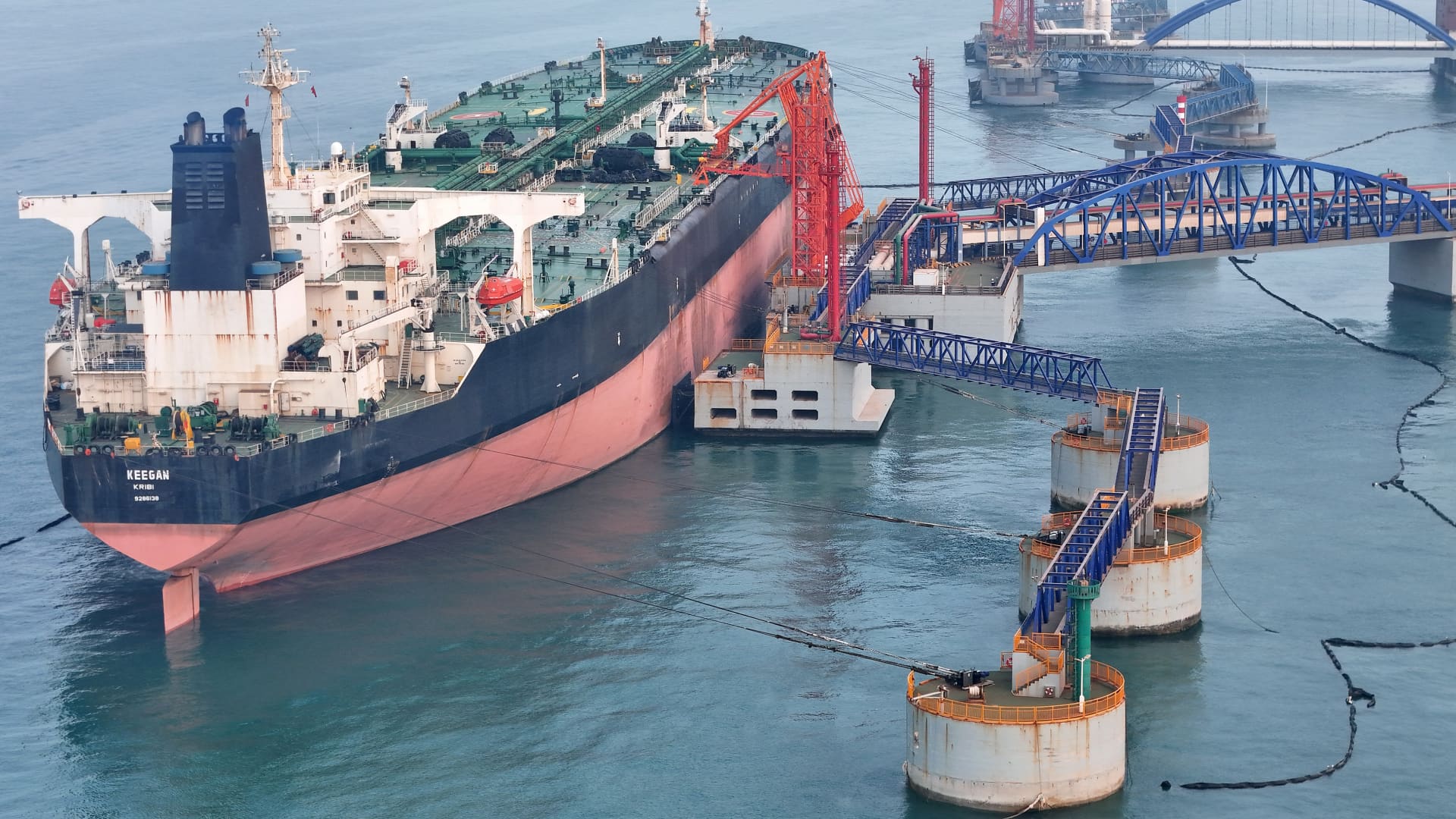
Escalating Impact of Iran War on Oil Markets


- Surge in Oil Prices: U.S. crude prices have surged over 50% since late February, with Brent up more than 55%, indicating that market concerns over the Iran war are escalating and could lead to greater disruptions in global supply chains.
- Ground Operation Preparations: The Pentagon is preparing for weeks of ground operations in Iran, with thousands of American soldiers and Marines arriving in the Middle East, which could exacerbate market uncertainty and impact oil prices.
- Strait of Hormuz Risks: Industry leaders warn that the vital shipping route of the Strait of Hormuz must reopen by mid-April, or supply disruptions could worsen significantly, further driving up oil prices.
- Market Reaction Fatigue: Following reports of potential ground operations, U.S. equity futures fell on Sunday evening, and Asia-Pacific markets also declined at Monday's open, reflecting investor fatigue over the conflict's headlines and concerns about the future.
See More

U.S. Consumers Face Economic Impact from Soaring Oil Prices


- Surging Oil Prices: The blockage of the Strait of Hormuz has caused Brent crude oil's May contract to surge over 55% in March, marking the largest monthly gain since 1998, leading to economic pressures on U.S. consumers in areas like travel and mail delivery.
- Postal Service Adjustments: The U.S. Postal Service plans to implement an 8% temporary fuel surcharge on packages and express mail starting in late April, lasting until 2027, to cover rising operational costs, although this measure requires regulatory approval.
- Airline Response: United Airlines intends to cut back on some lower-profit flights and anticipates oil prices reaching $175 per barrel, which could increase its fuel costs by $11 billion, more than double its previous highest profits, resulting in higher ticket prices for travelers.
- Declining Consumer Confidence: According to the University of Michigan's survey, the consumer confidence index fell nearly 6% in March to a historic low, indicating worsening economic expectations due to the war and rising inflation concerns among consumers.
See More

U.S. Consumers Face Impact of Soaring Oil Prices

- Surging Oil Prices: The blockage of the Strait of Hormuz has led to a more than 55% increase in Brent crude's May contract in March, marking the largest monthly gain since 1998, which is causing economic strain on U.S. consumers in areas like travel and mail delivery.
- Postal Service Adjustments: The U.S. Postal Service plans to implement a temporary 8% fuel surcharge starting in late April, lasting until 2027, aimed at covering business costs, although this fee is lower than those imposed by competitors.
- Airline Responses: United Airlines anticipates oil prices reaching $175 per barrel and plans to cut back on some lower-profit flights, with the CEO stating that rising fuel costs could increase the company's fuel bill by $11 billion, more than double its profits in peak years.
- Declining Consumer Confidence: According to the University of Michigan's survey, the consumer confidence index fell nearly 6% in March to one of its lowest levels on record, reflecting the negative economic impact of war and rising inflation concerns.
See More

Trump Extends Pause on Attacks Against Iran's Energy Facilities
- Attack Pause Extended: President Trump has extended the pause on potential U.S. attacks on Iranian energy facilities until April 6, warning Iranian negotiators to take negotiations seriously soon, as failure to do so could have dire consequences, which may impact market confidence in the region.
- Oil Price Fluctuations: Oil prices fell in early trading on Friday, with Brent and WTI on track for their steepest weekly drop in six months due to market skepticism about the peace talks, potentially affecting the stock performance of energy-related companies.
- Troop Deployment: The U.S. is preparing to send approximately 3,000 troops to the Middle East, raising speculation about a possible ground attack on Iran, which could escalate regional tensions and influence global market sentiment.
- Legal Developments: A federal judge in San Francisco granted a preliminary injunction to Anthropic against the Trump administration, ruling that the government's blacklisting of the company may constitute illegal retaliation under the First Amendment, which could affect the relationship between the tech industry and the government.
See More
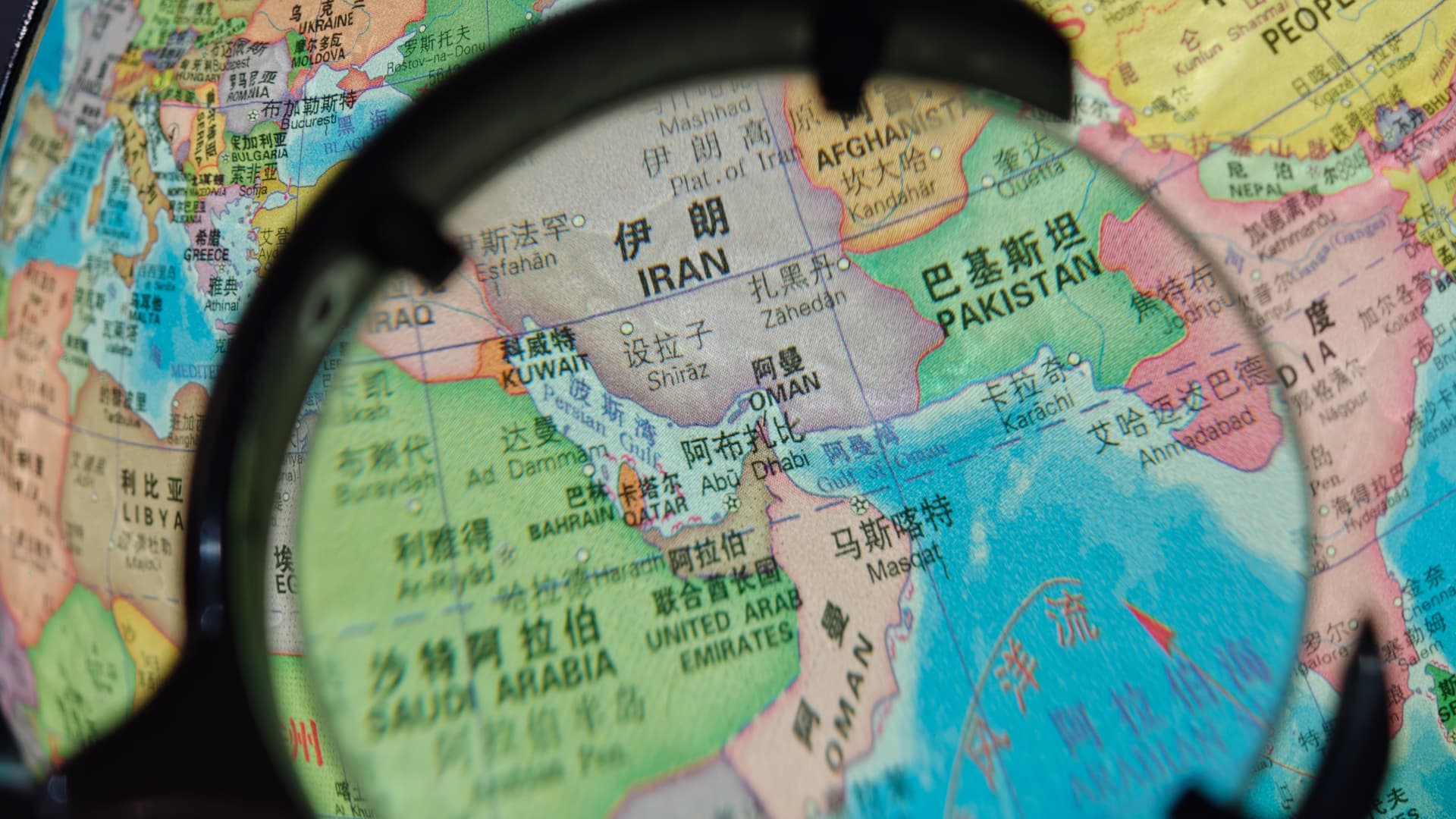
Iran War's Escalating Impact on Global Economy
- Market Impact from Oil Surge: The ongoing Iran war has led to rising oil prices, causing U.S. stock indexes to fall again, with market participants expressing skepticism towards Trump's optimistic outlook, indicating growing concerns about future economic conditions.
- Strait of Hormuz Developments: Trump noted that Iran allowed 10 oil tankers to pass through the Strait of Hormuz this week as a 'gesture of goodwill' towards the U.S., although Iran has not publicly commented, highlighting the delicate nature of the situation.
- Shipping Legislation Impact: Iran is preparing legislation to impose tolls on ships passing through the Strait of Hormuz, which could further affect global shipping costs and increase uncertainty in international trade.
- OECD Economic Forecast Downgrade: The OECD predicts that the UK will be the most affected developed economy by the Iran war, forecasting inflation to reach 4% this year and downgrading growth expectations for 2026 to 0.5%, reflecting the war's profound economic implications.
See More

LaGuardia Runway Resumes Operations Following Deadly Collision Between Air Canada Express and Fire Truck Earlier This Week


Airport Reopening: The runway at the airport has reopened following a recent incident involving a fatal air collision.
Emergency Response: A fire truck was deployed earlier this week to manage the situation and assist with the aftermath of the collision.
See More
Escalating Impact of Iran War on Oil Markets
- Surge in Oil Prices: U.S. crude prices have surged over 50% since late February, with Brent up more than 55%, indicating that market concerns over the Iran war are escalating and could lead to greater disruptions in global supply chains.
- Ground Operation Preparations: The Pentagon is preparing for weeks of ground operations in Iran, with thousands of American soldiers and Marines arriving in the Middle East, which could exacerbate market uncertainty and impact oil prices.
- Strait of Hormuz Risks: Industry leaders warn that the vital shipping route of the Strait of Hormuz must reopen by mid-April, or supply disruptions could worsen significantly, further driving up oil prices.
- Market Reaction Fatigue: Following reports of potential ground operations, U.S. equity futures fell on Sunday evening, and Asia-Pacific markets also declined at Monday's open, reflecting investor fatigue over the conflict's headlines and concerns about the future.
See More
U.S. Consumers Face Economic Impact from Soaring Oil Prices
- Surging Oil Prices: The blockage of the Strait of Hormuz has caused Brent crude oil's May contract to surge over 55% in March, marking the largest monthly gain since 1998, leading to economic pressures on U.S. consumers in areas like travel and mail delivery.
- Postal Service Adjustments: The U.S. Postal Service plans to implement an 8% temporary fuel surcharge on packages and express mail starting in late April, lasting until 2027, to cover rising operational costs, although this measure requires regulatory approval.
- Airline Response: United Airlines intends to cut back on some lower-profit flights and anticipates oil prices reaching $175 per barrel, which could increase its fuel costs by $11 billion, more than double its previous highest profits, resulting in higher ticket prices for travelers.
- Declining Consumer Confidence: According to the University of Michigan's survey, the consumer confidence index fell nearly 6% in March to a historic low, indicating worsening economic expectations due to the war and rising inflation concerns among consumers.
See More
U.S. Consumers Face Impact of Soaring Oil Prices
- Surging Oil Prices: The blockage of the Strait of Hormuz has led to a more than 55% increase in Brent crude's May contract in March, marking the largest monthly gain since 1998, which is causing economic strain on U.S. consumers in areas like travel and mail delivery.
- Postal Service Adjustments: The U.S. Postal Service plans to implement a temporary 8% fuel surcharge starting in late April, lasting until 2027, aimed at covering business costs, although this fee is lower than those imposed by competitors.
- Airline Responses: United Airlines anticipates oil prices reaching $175 per barrel and plans to cut back on some lower-profit flights, with the CEO stating that rising fuel costs could increase the company's fuel bill by $11 billion, more than double its profits in peak years.
- Declining Consumer Confidence: According to the University of Michigan's survey, the consumer confidence index fell nearly 6% in March to one of its lowest levels on record, reflecting the negative economic impact of war and rising inflation concerns.
See More
Trump Extends Pause on Attacks Against Iran's Energy Facilities
- Attack Pause Extended: President Trump has extended the pause on potential U.S. attacks on Iranian energy facilities until April 6, warning Iranian negotiators to take negotiations seriously soon, as failure to do so could have dire consequences, which may impact market confidence in the region.
- Oil Price Fluctuations: Oil prices fell in early trading on Friday, with Brent and WTI on track for their steepest weekly drop in six months due to market skepticism about the peace talks, potentially affecting the stock performance of energy-related companies.
- Troop Deployment: The U.S. is preparing to send approximately 3,000 troops to the Middle East, raising speculation about a possible ground attack on Iran, which could escalate regional tensions and influence global market sentiment.
- Legal Developments: A federal judge in San Francisco granted a preliminary injunction to Anthropic against the Trump administration, ruling that the government's blacklisting of the company may constitute illegal retaliation under the First Amendment, which could affect the relationship between the tech industry and the government.
See More
Iran War's Escalating Impact on Global Economy
- Market Impact from Oil Surge: The ongoing Iran war has led to rising oil prices, causing U.S. stock indexes to fall again, with market participants expressing skepticism towards Trump's optimistic outlook, indicating growing concerns about future economic conditions.
- Strait of Hormuz Developments: Trump noted that Iran allowed 10 oil tankers to pass through the Strait of Hormuz this week as a 'gesture of goodwill' towards the U.S., although Iran has not publicly commented, highlighting the delicate nature of the situation.
- Shipping Legislation Impact: Iran is preparing legislation to impose tolls on ships passing through the Strait of Hormuz, which could further affect global shipping costs and increase uncertainty in international trade.
- OECD Economic Forecast Downgrade: The OECD predicts that the UK will be the most affected developed economy by the Iran war, forecasting inflation to reach 4% this year and downgrading growth expectations for 2026 to 0.5%, reflecting the war's profound economic implications.
See More
LaGuardia Runway Resumes Operations Following Deadly Collision Between Air Canada Express and Fire Truck Earlier This Week
Airport Reopening: The runway at the airport has reopened following a recent incident involving a fatal air collision.
Emergency Response: A fire truck was deployed earlier this week to manage the situation and assist with the aftermath of the collision.
See More