UPS Shows Early Signs of Turnaround with 9.8% Revenue Growth per Package
Written by Emily J. Thompson, Senior Investment Analyst
Updated: Jan 17 2026
0mins
Should l Buy UPS?
Source: Yahoo Finance
- Revenue Growth Trend: UPS reported a 5.5% increase in revenue per package in Q2 2025, followed by a 9.8% rise in Q3, indicating early success in its turnaround efforts, which is likely to drive future stock price increases.
- Strategic Adjustment: By proactively reducing the volume of low-margin Amazon packages, UPS is focusing on higher-margin businesses, which, while causing short-term revenue declines, is expected to enhance overall profitability and market competitiveness in the long run.
- Stock Price Recovery: Despite a 53% decline in stock price since 2022, UPS has seen a nearly 30% increase over the past three months, reflecting a gradual market recognition of its turnaround strategy and a restoration of investor confidence.
- High Dividend Risk: With a dividend yield of 6.1% and a payout ratio exceeding 100% over the past 12 months, there is a clear risk of a dividend cut, prompting investors to carefully assess the balance between investment risk and potential returns.
Trade with 70% Backtested Accuracy
Stop guessing "Should I Buy UPS?" and start using high-conviction signals backed by rigorous historical data.
Sign up today to access powerful investing tools and make smarter, data-driven decisions.
Analyst Views on UPS
Wall Street analysts forecast UPS stock price to rise
19 Analyst Rating
9 Buy
9 Hold
1 Sell
Moderate Buy
Current: 98.180

Low
80.00
Averages
107.06
High
126.00
Current: 98.180
Low
80.00
Averages
107.06
High
126.00
About UPS
United Parcel Service, Inc. provides a range of integrated logistics solutions for customers in more than 200 countries and territories. Its U.S. Domestic Package segment offers a range of United States domestic air and ground package transportation services. Its air portfolio offers time-definite, same-day, next-day, two-day and three-day delivery alternatives as well as air cargo services. Its ground network enables customers to ship using its day-definite ground service. UPS SurePost provides residential ground service for customers with non-urgent, lightweight residential shipments. Its International Package segment consists of small package operations in Europe, Indian sub-continent, Middle East and Africa, Canada and Latin America and Asia. It offers a selection of guaranteed day- and time-definite international shipping services. Its supply chain solutions consist of forwarding, logistics, customized third-party logistics and specialized cold chain transportation solutions.
About the author

Emily J. Thompson
Emily J. Thompson, a Chartered Financial Analyst (CFA) with 12 years in investment research, graduated with honors from the Wharton School. Specializing in industrial and technology stocks, she provides in-depth analysis for Intellectia’s earnings and market brief reports.
Trump's Pressure on Iran Influences Market Reactions


- Escalating Threats: Trump reiterated threats against Iran, demanding the reopening of the Strait of Hormuz by 8 p.m. ET Tuesday or face attacks on its infrastructure, potentially increasing market uncertainty.
- Cautious Market Response: Despite Trump's threats causing a slight rise in oil prices, the S&P 500 rose for the fourth consecutive day as investors weighed the possibility of de-escalation, indicating cautious optimism in the market.
- AI Momentum: Broadcom's expanded chip partnership with Google and Anthropic underscores strong demand for AI infrastructure, becoming a key market driver that may influence the performance of related tech stocks.
- Field Observation Report: Citrini Research sent an analyst to the Strait of Hormuz, discovering that despite tensions, around 15 ships are still passing daily, suggesting that the critical oil artery's transport activity is not completely halted, which could affect market expectations for oil prices.
See More

Amazon Partners with USPS for Billion-Package Deal


- Shipping Agreement: Amazon has signed a deal with the U.S. Postal Service to ship over one billion packages annually, indicating its reliance on existing logistics networks.
- Delivery Strategy Shift: Under this agreement, Amazon retains about 80% of its current deliveries with USPS, reversing its plan to replace the Postal Service with its own delivery service, highlighting a strategic pivot in logistics.
- Market Reaction: Following the announcement, Amazon's shares rose by 1%, while shares of United Parcel Service (UPS) and FedEx (FDX) declined, reflecting mixed market interpretations of the partnership.
- Long-term Implications: This collaboration not only strengthens Amazon's relationship with USPS but may also reshape the competitive landscape in the shipping industry, especially as package volumes continue to rise.
See More

BlackRock Files for Nasdaq 100 ETF to Challenge Invesco

- BlackRock ETF Filing: BlackRock filed a preliminary prospectus on Monday for an ETF tracking the Nasdaq 100 Index, expected to trade under the IQQ ticker, positioning itself to compete with Invesco's dominance in the ETF market, thereby enhancing its influence in asset management.
- UPS Severance Agreement: United Parcel Service slipped 0.34% premarket after agreeing with the International Brotherhood of Teamsters to cap severance packages at 7,500 drivers nationwide, reflecting the company's strategic response to union pressures amid operational challenges.
- Petrobras Investigation: Petrobras fell 0.78% in premarket trading as Brazil's ANP launched an inspection into the company's LPG auctions over price gouging suspicions, indicating regulatory risks that could impact the company's operations and reputation.
- Goldman Sachs Credit Fund Stability: Goldman Sachs edged up 0.10% premarket, reporting that its private credit fund had redemption requests below the standard 5% cap in Q1, showcasing relative stability among peers and potentially attracting more investor interest.
See More
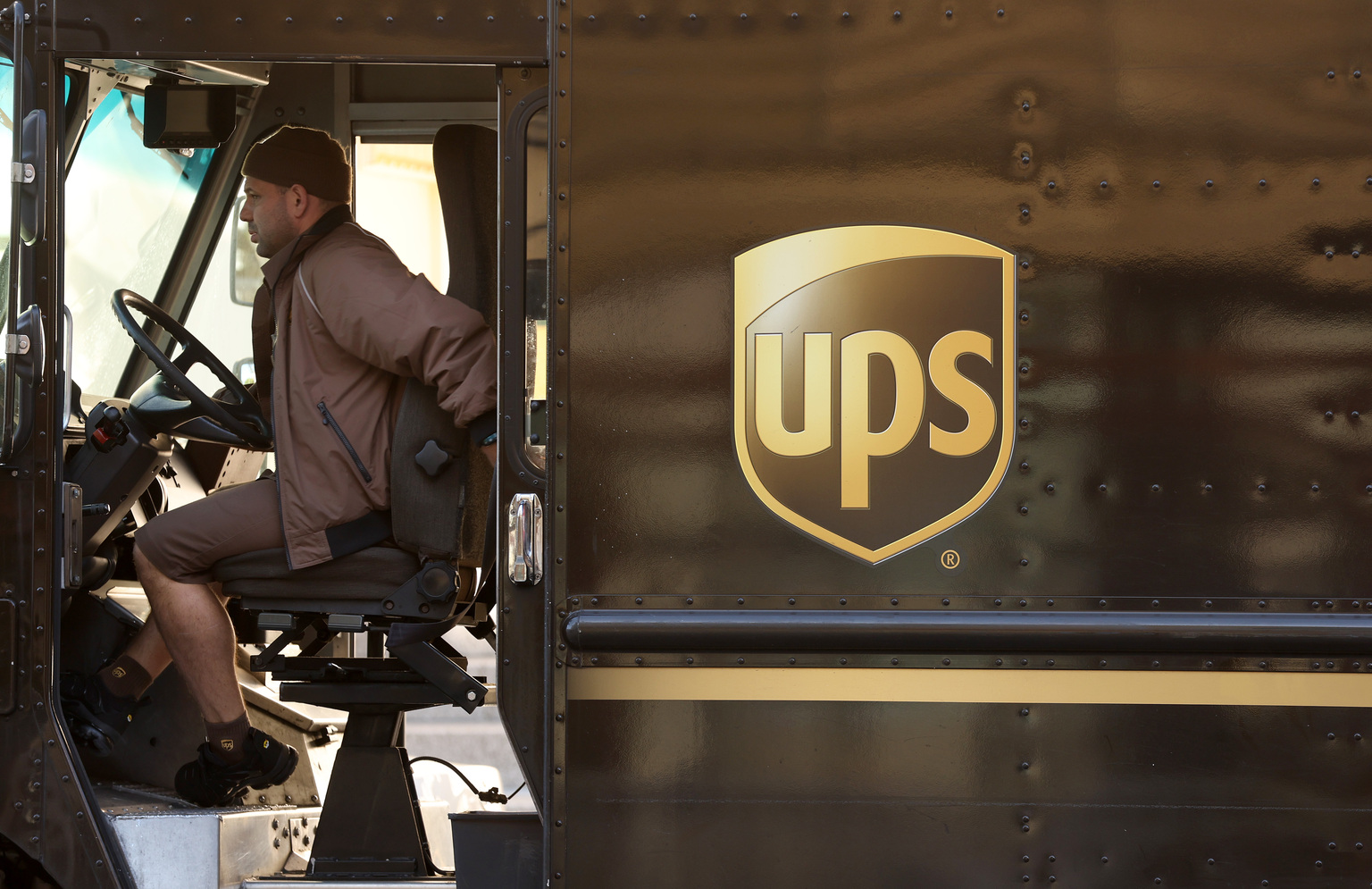
UPS Reaches Severance Agreement with Teamsters Union
- Severance Cap: UPS has reached an agreement with the International Brotherhood of Teamsters to limit severance packages to 7,500 drivers nationwide, ensuring the company provides options while reconfiguring its network, demonstrating a commitment to employee welfare.
- Compensation Amount: Drivers accepting the severance will receive payments of up to $150,000 for early retirement, aimed at attracting long-serving long-haul feeder and Regular Package Car Drivers, thereby enhancing employee loyalty.
- Future Commitments: UPS has agreed not to pursue any other severance programs during the current Teamsters National Master Agreement, effective until July 31, 2028, indicating stability and transparency in labor relations.
- Job Cuts and Facility Closures: The company plans to cut up to 30,000 jobs and close 24 facilities this year as part of winding down its partnership with Amazon, reflecting strategic adjustments in response to market changes.
See More

UPS Reaches New Settlement with Teamsters Union
- Settlement Agreement: UPS has reached a new settlement with the Teamsters Union that caps severance offers while protecting the seniority of Teamsters drivers, ensuring employee rights are upheld.
- Severance Compensation Details: Under the agreement, eligible employees will receive up to $150,000 in early retirement payments, applicable to long-haul feeder drivers and Regular Package Car Drivers across all regions, reflecting the company's commitment to its workforce.
- Limit on Severance Plans: UPS has agreed not to pursue or introduce any other severance programs during the current Teamsters National Master Agreement, which is effective until July 31, 2028, ensuring job stability and security for employees.
- Total Severance Cap: The settlement caps the total number of severance payments at 7,500 drivers nationwide across all job classifications, demonstrating the company's balance between cost control and maintaining employee relations.
See More
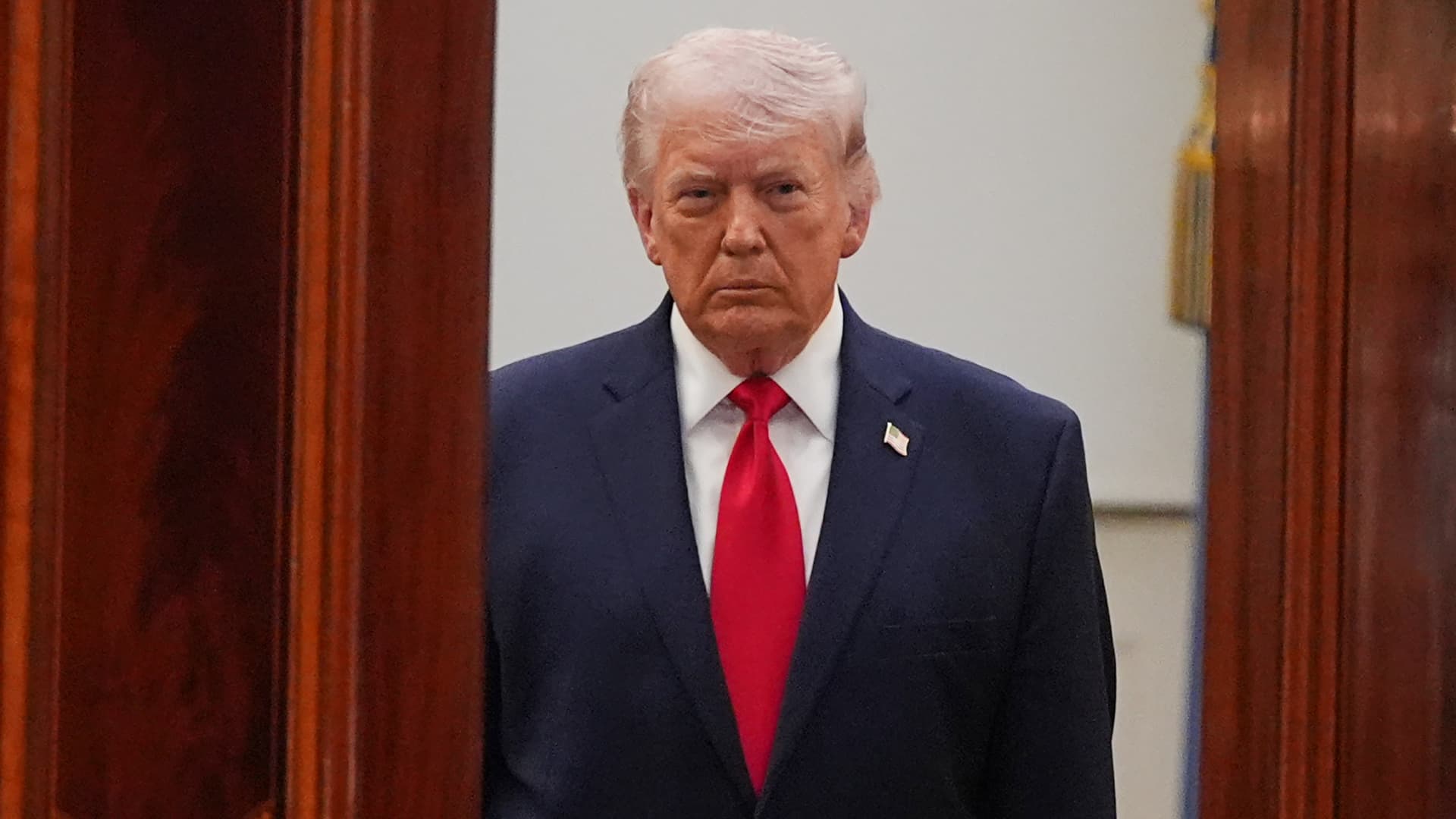
Trump's Hardline Stance on Iran War Intensifies
- Escalating Conflict: Trump's social media post threatens military action against Iran's power plants and bridges if the Strait of Hormuz is not reopened by Tuesday, provoking strong backlash from opposition leaders and civil society groups.
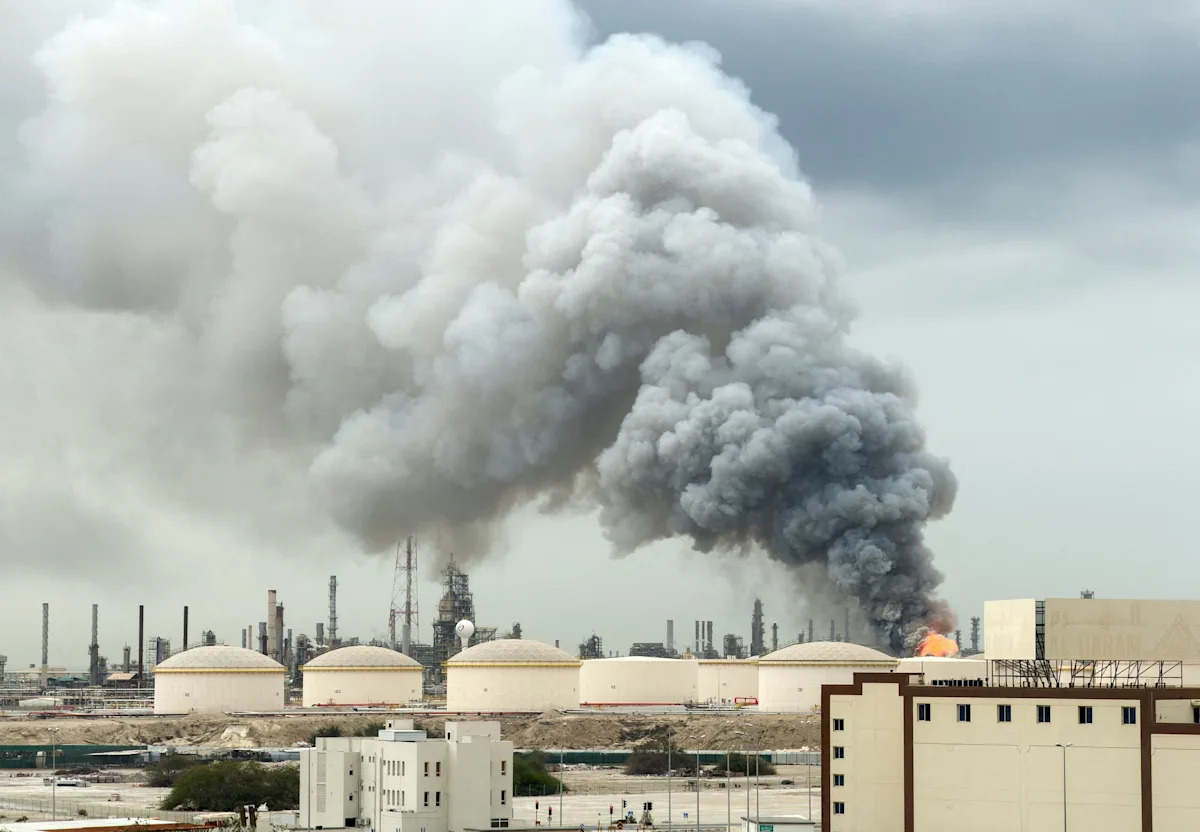
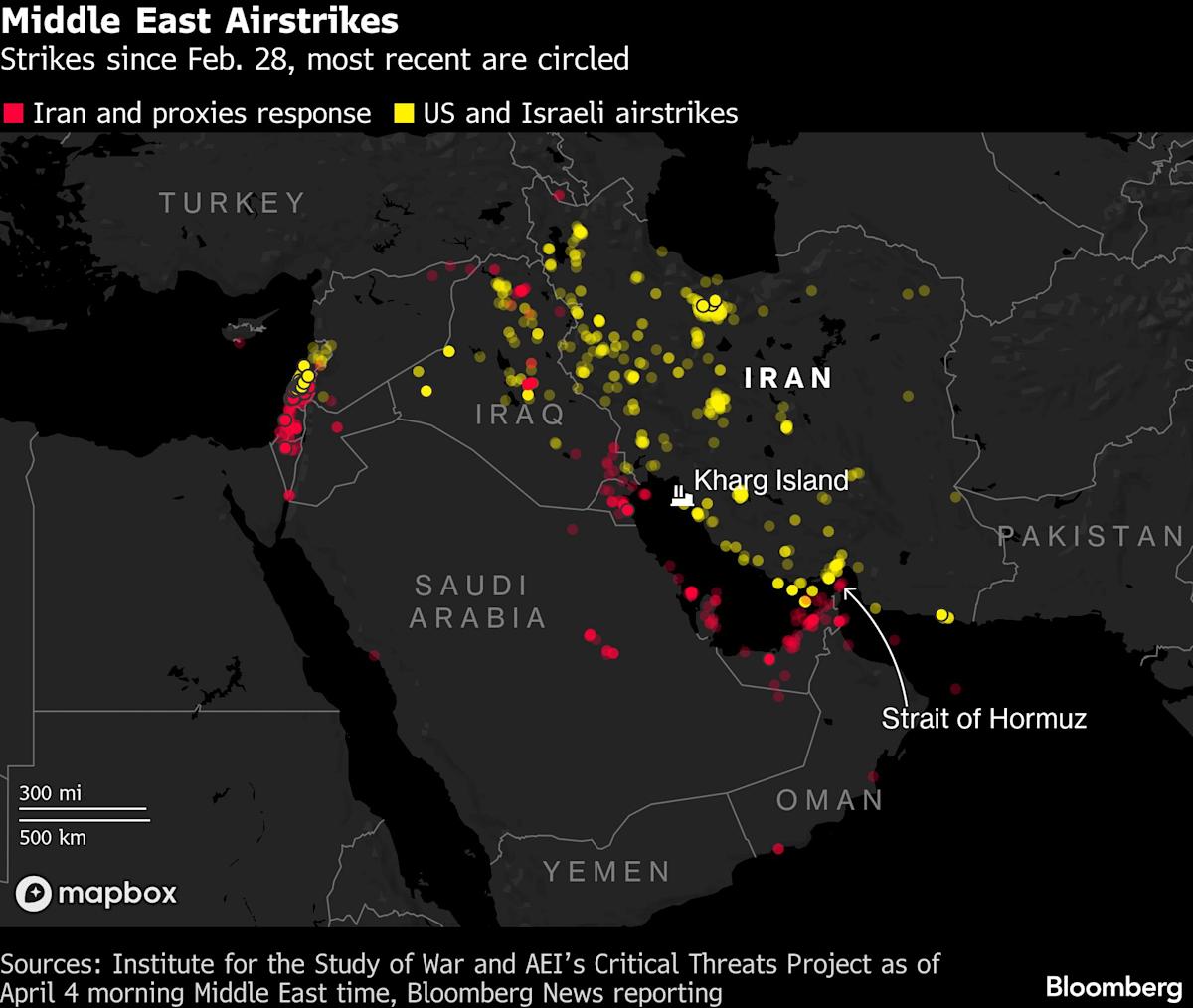
- Surging Oil Prices: The ongoing blockade of the Strait of Hormuz has pushed U.S. crude prices above $114 per barrel on Sunday, highlighting the significant impact of the regional conflict on global energy markets.
- Military Engagement: Iran continues to strike economic and infrastructure targets in neighboring Gulf Arab countries and shot down an American F-15E fighter jet over the weekend, with Trump confirming that the missing service member has been rescued, further escalating tensions.
- Federal Reserve Nomination: Trump's nominee Kevin Warsh is set for a Senate Banking Committee hearing on April 16, despite a separate criminal probe into the Fed, indicating a complex economic policy landscape under the Trump administration.
See More
Trump's Pressure on Iran Influences Market Reactions
- Escalating Threats: Trump reiterated threats against Iran, demanding the reopening of the Strait of Hormuz by 8 p.m. ET Tuesday or face attacks on its infrastructure, potentially increasing market uncertainty.
- Cautious Market Response: Despite Trump's threats causing a slight rise in oil prices, the S&P 500 rose for the fourth consecutive day as investors weighed the possibility of de-escalation, indicating cautious optimism in the market.
- AI Momentum: Broadcom's expanded chip partnership with Google and Anthropic underscores strong demand for AI infrastructure, becoming a key market driver that may influence the performance of related tech stocks.
- Field Observation Report: Citrini Research sent an analyst to the Strait of Hormuz, discovering that despite tensions, around 15 ships are still passing daily, suggesting that the critical oil artery's transport activity is not completely halted, which could affect market expectations for oil prices.
See More
Amazon Partners with USPS for Billion-Package Deal
- Shipping Agreement: Amazon has signed a deal with the U.S. Postal Service to ship over one billion packages annually, indicating its reliance on existing logistics networks.
- Delivery Strategy Shift: Under this agreement, Amazon retains about 80% of its current deliveries with USPS, reversing its plan to replace the Postal Service with its own delivery service, highlighting a strategic pivot in logistics.
- Market Reaction: Following the announcement, Amazon's shares rose by 1%, while shares of United Parcel Service (UPS) and FedEx (FDX) declined, reflecting mixed market interpretations of the partnership.
- Long-term Implications: This collaboration not only strengthens Amazon's relationship with USPS but may also reshape the competitive landscape in the shipping industry, especially as package volumes continue to rise.
See More
BlackRock Files for Nasdaq 100 ETF to Challenge Invesco
- BlackRock ETF Filing: BlackRock filed a preliminary prospectus on Monday for an ETF tracking the Nasdaq 100 Index, expected to trade under the IQQ ticker, positioning itself to compete with Invesco's dominance in the ETF market, thereby enhancing its influence in asset management.
- UPS Severance Agreement: United Parcel Service slipped 0.34% premarket after agreeing with the International Brotherhood of Teamsters to cap severance packages at 7,500 drivers nationwide, reflecting the company's strategic response to union pressures amid operational challenges.
- Petrobras Investigation: Petrobras fell 0.78% in premarket trading as Brazil's ANP launched an inspection into the company's LPG auctions over price gouging suspicions, indicating regulatory risks that could impact the company's operations and reputation.
- Goldman Sachs Credit Fund Stability: Goldman Sachs edged up 0.10% premarket, reporting that its private credit fund had redemption requests below the standard 5% cap in Q1, showcasing relative stability among peers and potentially attracting more investor interest.
See More
UPS Reaches Severance Agreement with Teamsters Union
- Severance Cap: UPS has reached an agreement with the International Brotherhood of Teamsters to limit severance packages to 7,500 drivers nationwide, ensuring the company provides options while reconfiguring its network, demonstrating a commitment to employee welfare.
- Compensation Amount: Drivers accepting the severance will receive payments of up to $150,000 for early retirement, aimed at attracting long-serving long-haul feeder and Regular Package Car Drivers, thereby enhancing employee loyalty.
- Future Commitments: UPS has agreed not to pursue any other severance programs during the current Teamsters National Master Agreement, effective until July 31, 2028, indicating stability and transparency in labor relations.
- Job Cuts and Facility Closures: The company plans to cut up to 30,000 jobs and close 24 facilities this year as part of winding down its partnership with Amazon, reflecting strategic adjustments in response to market changes.
See More
UPS Reaches New Settlement with Teamsters Union
- Settlement Agreement: UPS has reached a new settlement with the Teamsters Union that caps severance offers while protecting the seniority of Teamsters drivers, ensuring employee rights are upheld.
- Severance Compensation Details: Under the agreement, eligible employees will receive up to $150,000 in early retirement payments, applicable to long-haul feeder drivers and Regular Package Car Drivers across all regions, reflecting the company's commitment to its workforce.
- Limit on Severance Plans: UPS has agreed not to pursue or introduce any other severance programs during the current Teamsters National Master Agreement, which is effective until July 31, 2028, ensuring job stability and security for employees.
- Total Severance Cap: The settlement caps the total number of severance payments at 7,500 drivers nationwide across all job classifications, demonstrating the company's balance between cost control and maintaining employee relations.
See More
Trump's Hardline Stance on Iran War Intensifies
- Escalating Conflict: Trump's social media post threatens military action against Iran's power plants and bridges if the Strait of Hormuz is not reopened by Tuesday, provoking strong backlash from opposition leaders and civil society groups.
- Surging Oil Prices: The ongoing blockade of the Strait of Hormuz has pushed U.S. crude prices above $114 per barrel on Sunday, highlighting the significant impact of the regional conflict on global energy markets.
- Military Engagement: Iran continues to strike economic and infrastructure targets in neighboring Gulf Arab countries and shot down an American F-15E fighter jet over the weekend, with Trump confirming that the missing service member has been rescued, further escalating tensions.
- Federal Reserve Nomination: Trump's nominee Kevin Warsh is set for a Senate Banking Committee hearing on April 16, despite a separate criminal probe into the Fed, indicating a complex economic policy landscape under the Trump administration.
See More