Eli Lilly's Stock Soars 225%, Attracting Attention
Written by Emily J. Thompson, Senior Investment Analyst
Updated: Feb 08 2026
0mins

Source: Fool
- Eli Lilly's Strong Performance: Eli Lilly's stock has surged 225% over the past three years, significantly outperforming the S&P 500's 66% gain, indicating robust market performance and investor confidence.
- Novo Nordisk's Market Challenge: Although Novo Nordisk was first to market with a GLP-1 weight-loss drug, Eli Lilly's offerings have been better received, resulting in a 66% drop in Novo Nordisk's stock from its 2024 highs, highlighting competitive pressures.
- Medtronic's Business Restructuring: Medtronic plans to spin off its diabetes business in 2026; despite rapid growth in this division, its lower margins compared to other operations suggest that the spinoff will enhance overall profitability and growth potential.
- Future Growth Potential: Eli Lilly's past success does not guarantee future dominance, as Novo Nordisk's GLP-1 pill could revitalize its sales, while Medtronic's restructuring may unlock higher growth opportunities.
Trade with 70% Backtested Accuracy
Stop guessing "Should I Buy LLY?" and start using high-conviction signals backed by rigorous historical data.
Sign up today to access powerful investing tools and make smarter, data-driven decisions.
Analyst Views on LLY
Wall Street analysts forecast LLY stock price to rise
20 Analyst Rating
18 Buy
2 Hold
0 Sell
Strong Buy
Current: 954.520

Low
950.00
Averages
1192
High
1500
Current: 954.520
Low
950.00
Averages
1192
High
1500
About LLY
Eli Lilly and Company is a medicine company, which discovers, develops, manufactures, and market products in a single business segment called human pharmaceutical products. The Company manufacture and distribute its products through facilities in the United States, including Puerto Rico, and in Europe and Asia. The Company’s products are sold in approximately 90 countries. Its Cardiometabolic Health products Basaglar; Humalog, Humalog Mix 75/25, Humalog U-100, Humalog U-200, Humalog Mix 50/50, insulin lispro, and others; Humulin, Humulin 70/30, and others; Jardiance; Mounjaro; Trulicity; Zepbound, and others. Its oncology products include Cyramza, Erbitux, Tyvyt, Verzenio, Retevmo, Jaypirca, and others. Its immunology products include Ebglyss, Olumiant, Omvoh, and Taltz. Its neuroscience products include Emgality and Kisunla. Its LillyDirect, a direct-to-patient digital health care platform, provides delivery of select Lilly medicines dispensed by third-party pharmacies to patients.
About the author

Emily J. Thompson
Emily J. Thompson, a Chartered Financial Analyst (CFA) with 12 years in investment research, graduated with honors from the Wharton School. Specializing in industrial and technology stocks, she provides in-depth analysis for Intellectia’s earnings and market brief reports.
Eli Lilly Launches New Obesity Drug Foundayo
- FDA Approval: Eli Lilly's Foundayo™ (orforglipron) has received FDA approval, specifically designed for adults with obesity or overweight and related medical issues, which is expected to significantly enhance patient weight management outcomes.
- Significant Weight Loss: In the ATTAIN-1 clinical trial, participants on the highest dose lost an average of 27.3 pounds (12.4%), compared to just 2.2 pounds (0.9%) in the placebo group, demonstrating Foundayo's efficacy and market potential.
- Convenient Access: Foundayo will be available through LillyDirect®, with commercial insurance patients paying only $25 per month and self-pay patients at $149, which is expected to improve drug accessibility and meet the needs of obesity patients.
- Global Rollout Plan: Lilly plans to launch Foundayo in over 40 countries shortly after approval, aiming to enhance the quality of life for obesity patients worldwide by providing effective treatment options.
See More
Viking Therapeutics Faces Major Clinical Challenges Ahead
- Clinical Trial Progress: Viking Therapeutics' leading candidate VK2735 is undergoing two 78-week phase 3 studies, with the second recently completing enrollment; strong results could significantly enhance the company's competitive position in the rapidly growing weight-loss market.
- Massive Market Potential: Analysts predict VK2735 could generate peak sales of $14.4 billion in the U.S. and $7.2 billion in Europe, totaling $21.6 billion, and if it matches Eli Lilly's Zepbound, Viking's stock price could soar.
- Oral Drug Advantage: Viking's oral VK2735 completed phase 2 studies last year, and if it performs well in pivotal trials, it will further solidify its market position, particularly in attracting patients hesitant about injectable medications.
- Risks and Challenges: Despite the optimistic outlook, Viking Therapeutics faces clinical and regulatory risks, and increasing competition may hinder its commercial success, necessitating cautious evaluation of potential risks by investors.
See More
Impact of Trump's Tariffs One Year Later

- Widespread Tariff Impact: Trump's tariff policies have placed significant economic pressure on U.S. businesses over the past year, with approximately 80% to 85% of costs absorbed by companies, leading to reduced profits and increased consumer prices, thereby exacerbating overall economic uncertainty.
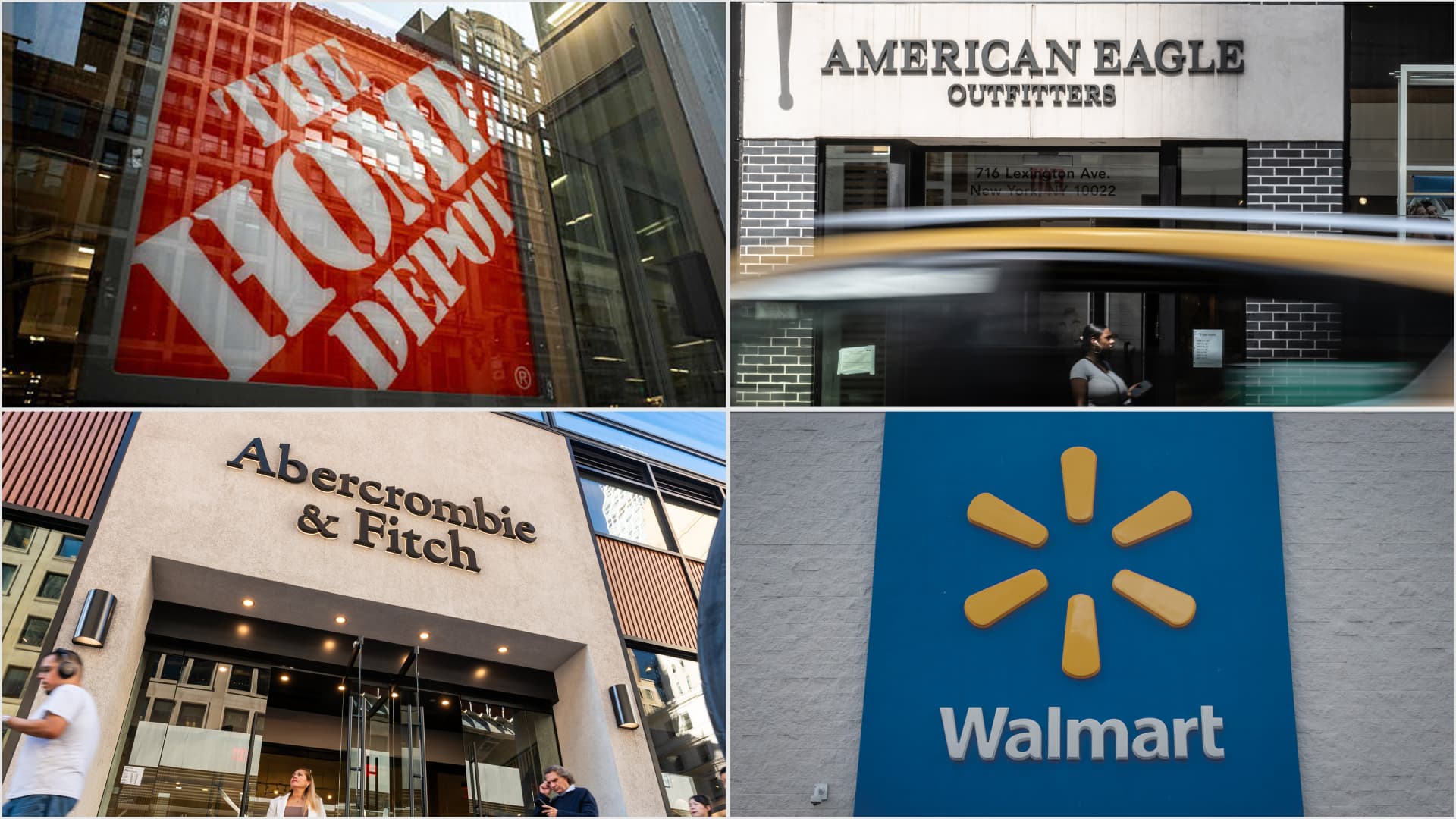
- Retail Sector Adaptation: While large retailers like Walmart have emerged relatively unscathed, smaller businesses have been severely impacted, with Home Depot aiming to limit purchases from any single country to 10% to reduce dependency and enhance supply chain flexibility.
- Automotive Industry Cost Surge: Automakers such as General Motors and Toyota are facing tariff impacts estimated at up to $9.5 billion, and although the Trump administration has taken steps to alleviate overlapping tariffs, overall costs remain significant, forcing companies to reassess their supply chain strategies.
- Pharmaceutical Sector Stability: Pharmaceutical companies have secured three-year tariff exemptions through pricing agreements with Trump, although new tariffs impose 100% on companies that do not reach agreements, the overall industry is still striving to increase investments in U.S. manufacturing.
See More

U.S. Stocks Open Lower Before Midday Recovery Amid Iran Conflict

- Market Volatility: On April 2, 2026, U.S. stocks opened lower before recovering slightly, with the Dow Jones Industrial Average struggling to find direction for most of the morning, reflecting market uncertainty.
- Tesla Delivery Miss: Tesla reported first-quarter deliveries of 358,023 vehicles, falling short of Wall Street's expectation of 366,000, resulting in a more than 5% drop in its stock price, which negatively impacted overall market sentiment.
- Surge in Oil Prices: Crude oil prices surged approximately 10% on Thursday due to ongoing tensions in Iran, with market participants anxious about supply disruptions in the Strait of Hormuz, although reports indicated Iran and Oman are working to restore traffic through the strait.
- Healthcare Stocks React: The Trump administration's plans to impose tariffs of up to 100% on certain imported pharmaceuticals led to a roughly 2% decline in healthcare stocks, including major players like Eli Lilly and Amgen, highlighting the market's sensitivity to policy changes.
See More

U.S. Stocks Recover Midday as Oil Prices Surge 10%
- Oil Price Surge: On Thursday, U.S. oil prices jumped approximately 10%, primarily due to President Trump's speech failing to provide a clear exit strategy from the Iran conflict, which left investors anxious about the trajectory of oil prices and significantly impacted overall market sentiment.
- Increased Market Volatility: Although all three major indexes recovered to near breakeven after sharp morning losses, Tesla's first-quarter delivery of 358,023 vehicles fell short of the expected 366,000, indicating pressure in the electric vehicle market and further exacerbating investor uncertainty.
- Iran-Oman Protocol Progress: Reports surfaced that Iran and Oman are drafting a protocol to restore some traffic through the Strait of Hormuz, which helped stocks rebound from early lows, although the lack of a clear resolution path for the conflict limited the overall rebound strength.
- Caution for Long-term Investors: The current market faces dual pressures from elevated oil prices and rising mortgage rates for five consecutive weeks, with analysts revisiting the uncomfortable term
See More

Ro Partners with Eli Lilly to Launch KwikPen Injection Device
- Product Collaboration Launch: Ro has partnered with Eli Lilly to introduce KwikPen, a prefilled injection pen containing multiple doses of the weight loss drug Zepbound, addressing the growing market demand for obesity treatments.
- FDA Approval and Market Introduction: KwikPen received FDA approval earlier this year and was launched on Lilly's direct-to-consumer site in February, with the lowest dose priced at $299 per month, reflecting the company's focus on the consumer market.
- Delivery Service Innovation: Amazon Pharmacy began offering same-day delivery for KwikPen in March, enhancing consumer convenience and potentially driving sales growth.
- Multi-Dose Pricing Strategy: Ro is launching the multi-dose KwikPen for cash-paying customers, with starter doses of 2.5 mg and 5 mg priced at $299 and $399 per month, respectively, and patients completing refills within 45 days can access higher doses at discounted rates, showcasing the company's pricing strategy flexibility.
See More
Eli Lilly Launches New Obesity Drug Foundayo
- FDA Approval: Eli Lilly's Foundayo™ (orforglipron) has received FDA approval, specifically designed for adults with obesity or overweight and related medical issues, which is expected to significantly enhance patient weight management outcomes.
- Significant Weight Loss: In the ATTAIN-1 clinical trial, participants on the highest dose lost an average of 27.3 pounds (12.4%), compared to just 2.2 pounds (0.9%) in the placebo group, demonstrating Foundayo's efficacy and market potential.
- Convenient Access: Foundayo will be available through LillyDirect®, with commercial insurance patients paying only $25 per month and self-pay patients at $149, which is expected to improve drug accessibility and meet the needs of obesity patients.
- Global Rollout Plan: Lilly plans to launch Foundayo in over 40 countries shortly after approval, aiming to enhance the quality of life for obesity patients worldwide by providing effective treatment options.
See More
Viking Therapeutics Faces Major Clinical Challenges Ahead
- Clinical Trial Progress: Viking Therapeutics' leading candidate VK2735 is undergoing two 78-week phase 3 studies, with the second recently completing enrollment; strong results could significantly enhance the company's competitive position in the rapidly growing weight-loss market.
- Massive Market Potential: Analysts predict VK2735 could generate peak sales of $14.4 billion in the U.S. and $7.2 billion in Europe, totaling $21.6 billion, and if it matches Eli Lilly's Zepbound, Viking's stock price could soar.
- Oral Drug Advantage: Viking's oral VK2735 completed phase 2 studies last year, and if it performs well in pivotal trials, it will further solidify its market position, particularly in attracting patients hesitant about injectable medications.
- Risks and Challenges: Despite the optimistic outlook, Viking Therapeutics faces clinical and regulatory risks, and increasing competition may hinder its commercial success, necessitating cautious evaluation of potential risks by investors.
See More
Impact of Trump's Tariffs One Year Later
- Widespread Tariff Impact: Trump's tariff policies have placed significant economic pressure on U.S. businesses over the past year, with approximately 80% to 85% of costs absorbed by companies, leading to reduced profits and increased consumer prices, thereby exacerbating overall economic uncertainty.
- Retail Sector Adaptation: While large retailers like Walmart have emerged relatively unscathed, smaller businesses have been severely impacted, with Home Depot aiming to limit purchases from any single country to 10% to reduce dependency and enhance supply chain flexibility.
- Automotive Industry Cost Surge: Automakers such as General Motors and Toyota are facing tariff impacts estimated at up to $9.5 billion, and although the Trump administration has taken steps to alleviate overlapping tariffs, overall costs remain significant, forcing companies to reassess their supply chain strategies.
- Pharmaceutical Sector Stability: Pharmaceutical companies have secured three-year tariff exemptions through pricing agreements with Trump, although new tariffs impose 100% on companies that do not reach agreements, the overall industry is still striving to increase investments in U.S. manufacturing.
See More
U.S. Stocks Open Lower Before Midday Recovery Amid Iran Conflict
- Market Volatility: On April 2, 2026, U.S. stocks opened lower before recovering slightly, with the Dow Jones Industrial Average struggling to find direction for most of the morning, reflecting market uncertainty.
- Tesla Delivery Miss: Tesla reported first-quarter deliveries of 358,023 vehicles, falling short of Wall Street's expectation of 366,000, resulting in a more than 5% drop in its stock price, which negatively impacted overall market sentiment.
- Surge in Oil Prices: Crude oil prices surged approximately 10% on Thursday due to ongoing tensions in Iran, with market participants anxious about supply disruptions in the Strait of Hormuz, although reports indicated Iran and Oman are working to restore traffic through the strait.
- Healthcare Stocks React: The Trump administration's plans to impose tariffs of up to 100% on certain imported pharmaceuticals led to a roughly 2% decline in healthcare stocks, including major players like Eli Lilly and Amgen, highlighting the market's sensitivity to policy changes.
See More
U.S. Stocks Recover Midday as Oil Prices Surge 10%
- Oil Price Surge: On Thursday, U.S. oil prices jumped approximately 10%, primarily due to President Trump's speech failing to provide a clear exit strategy from the Iran conflict, which left investors anxious about the trajectory of oil prices and significantly impacted overall market sentiment.
- Increased Market Volatility: Although all three major indexes recovered to near breakeven after sharp morning losses, Tesla's first-quarter delivery of 358,023 vehicles fell short of the expected 366,000, indicating pressure in the electric vehicle market and further exacerbating investor uncertainty.
- Iran-Oman Protocol Progress: Reports surfaced that Iran and Oman are drafting a protocol to restore some traffic through the Strait of Hormuz, which helped stocks rebound from early lows, although the lack of a clear resolution path for the conflict limited the overall rebound strength.
- Caution for Long-term Investors: The current market faces dual pressures from elevated oil prices and rising mortgage rates for five consecutive weeks, with analysts revisiting the uncomfortable term
See More
Ro Partners with Eli Lilly to Launch KwikPen Injection Device
- Product Collaboration Launch: Ro has partnered with Eli Lilly to introduce KwikPen, a prefilled injection pen containing multiple doses of the weight loss drug Zepbound, addressing the growing market demand for obesity treatments.
- FDA Approval and Market Introduction: KwikPen received FDA approval earlier this year and was launched on Lilly's direct-to-consumer site in February, with the lowest dose priced at $299 per month, reflecting the company's focus on the consumer market.
- Delivery Service Innovation: Amazon Pharmacy began offering same-day delivery for KwikPen in March, enhancing consumer convenience and potentially driving sales growth.
- Multi-Dose Pricing Strategy: Ro is launching the multi-dose KwikPen for cash-paying customers, with starter doses of 2.5 mg and 5 mg priced at $299 and $399 per month, respectively, and patients completing refills within 45 days can access higher doses at discounted rates, showcasing the company's pricing strategy flexibility.
See More