UnitedHealthcare Simplifies Pediatric Authorization Requirements
Written by Emily J. Thompson, Senior Investment Analyst
Updated: 3 hours ago
0mins
Source: Newsfilter
- Reduction in Authorization: UnitedHealthcare plans to eliminate two-thirds of authorization requirements for members under 18 by the end of 2026, aiming to simplify the healthcare system and reduce burdens on parents and providers, thereby enhancing accessibility and efficiency in pediatric care.
- Introduction of Waivers: The company is introducing authorization waivers for certain procedures at leading comprehensive pediatric hospitals, reflecting the consistent use of established care practices at these facilities, which is expected to further improve patient experience and satisfaction.
- Data-Driven Review: UnitedHealthcare is conducting a rigorous data-driven review to determine which pediatric services can safely have prior authorization removed, ensuring that clinical quality and patient safety standards are maintained while enhancing operational efficiency.
- Ongoing Simplification Efforts: This announcement is part of UnitedHealthcare's broader initiative to reduce prior authorization requirements by 30% by 2026, leveraging digital tools and standardized processes to enhance automation and interoperability in healthcare services, ultimately lowering costs for consumers.
Trade with 70% Backtested Accuracy
Stop guessing "Should I Buy UNH?" and start using high-conviction signals backed by rigorous historical data.
Sign up today to access powerful investing tools and make smarter, data-driven decisions.
Analyst Views on UNH
Wall Street analysts forecast UNH stock price to rise
19 Analyst Rating
16 Buy
3 Hold
0 Sell
Strong Buy
Current: 382.530

Low
330.00
Averages
397.82
High
444.00
Current: 382.530
Low
330.00
Averages
397.82
High
444.00
About UNH
UnitedHealth Group Incorporated is a healthcare and well-being company. Its segments include Optum Health, Optum Insight, Optum Rx, and UnitedHealthcare, which includes UnitedHealthcare Employer & Individual, UnitedHealthcare Medicare & Retirement and UnitedHealthcare Community & State. Optum Health provides comprehensive and patient-centered care, addressing the physical, mental, and social well-being. Optum Health delivers primary, specialty and surgical care and helps patients and providers navigate and address complex, chronic and behavioral health needs. Optum Insight connects the healthcare system with services, analytics and platforms that make clinical, administrative and financial processes simpler and more efficient for all participants in the healthcare system. Optum Rx offers a range of pharmacy care services through retail pharmacies, through home delivery, specialty and community health pharmacies and the provision of in-home and community-based infusion services.
About the author

Emily J. Thompson
Emily J. Thompson, a Chartered Financial Analyst (CFA) with 12 years in investment research, graduated with honors from the Wharton School. Specializing in industrial and technology stocks, she provides in-depth analysis for Intellectia’s earnings and market brief reports.

UnitedHealthcare Simplifies Pediatric Authorization Requirements

- Reduction in Authorization: UnitedHealthcare plans to eliminate two-thirds of authorization requirements for members under 18 by the end of 2026, aiming to simplify the healthcare system and reduce burdens on parents and providers, thereby enhancing accessibility and efficiency in pediatric care.
- Introduction of Waivers: The company is introducing authorization waivers for certain procedures at leading comprehensive pediatric hospitals, reflecting the consistent use of established care practices at these facilities, which is expected to further improve patient experience and satisfaction.
- Data-Driven Review: UnitedHealthcare is conducting a rigorous data-driven review to determine which pediatric services can safely have prior authorization removed, ensuring that clinical quality and patient safety standards are maintained while enhancing operational efficiency.
- Ongoing Simplification Efforts: This announcement is part of UnitedHealthcare's broader initiative to reduce prior authorization requirements by 30% by 2026, leveraging digital tools and standardized processes to enhance automation and interoperability in healthcare services, ultimately lowering costs for consumers.
See More

UnitedHealth Group Faces Lawsuit Over Alleged Diagnosis Inflation
- Lawsuit Allegations: Massachusetts Attorney General Andrea Joy Campbell has filed a lawsuit against UnitedHealthcare, alleging that the company inflated diagnoses for low-income elderly patients to secure over $100 million in excess Medicaid payments over the past decade, which could severely impact the company's reputation and financial standing.
- Violation Claims: The complaint asserts that UnitedHealthcare knowingly manipulated health assessments to boost reimbursements tied to Medicare and Medicaid, highlighting potential ethical deficiencies in the company's profit-driven practices that may lead to increased regulatory scrutiny and a crisis of trust within the industry.
- Executive Resignation: The intense pressure to increase revenue and profits in Massachusetts's Medicaid business reportedly led to the resignation of a top executive, reflecting possible internal management issues and exacerbating external doubts about the company's operational model.
- Company Response: UnitedHealth Group has characterized the lawsuit as “meritless,” asserting that its Senior Care Options program is designed to provide better support and services for seniors with complex healthcare needs, indicating the company's intent to maintain its market image and customer trust through proactive communication.
See More
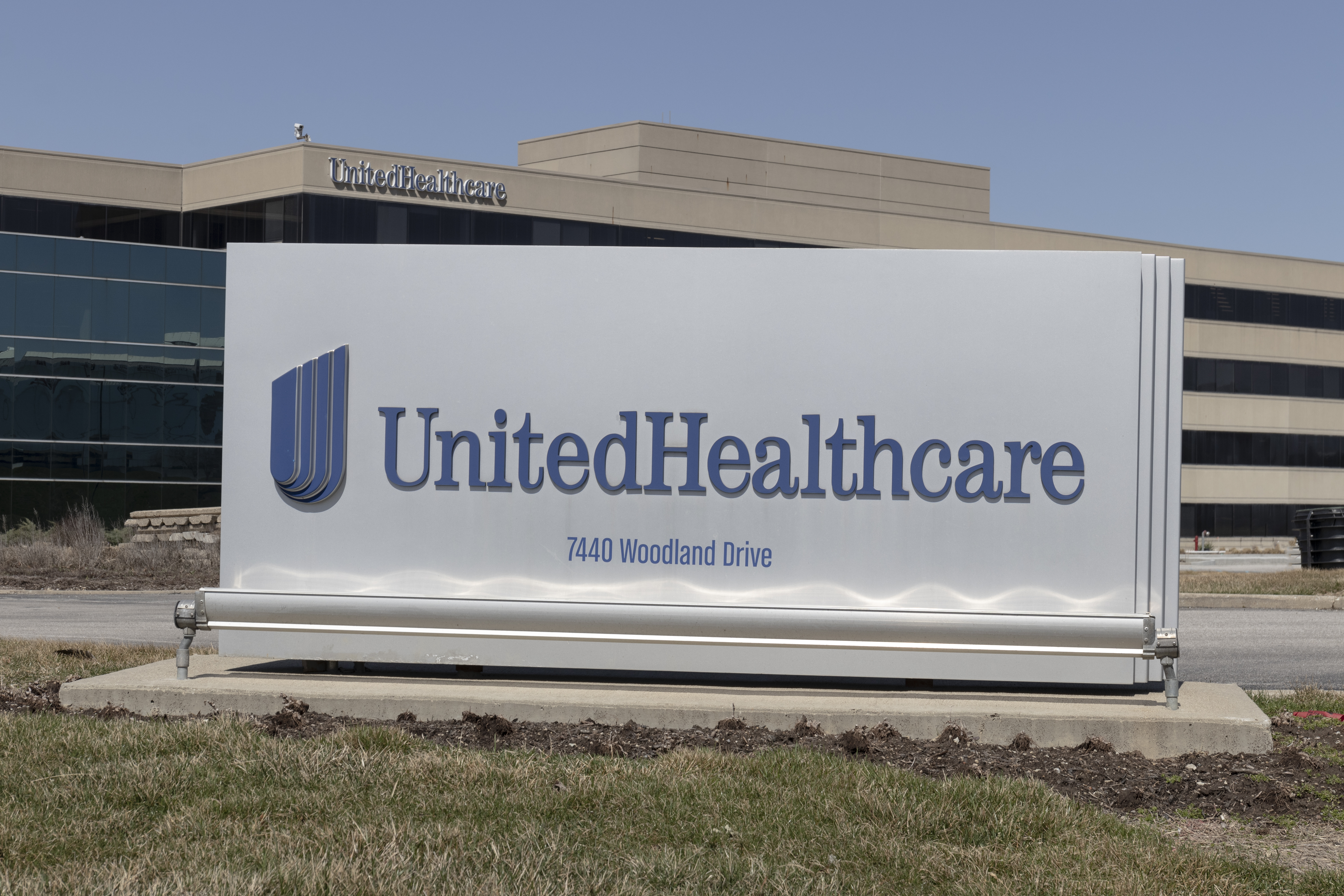
UnitedHealthcare to Cut Prior Authorization for Pediatric Patients
- Streamlined Authorization: UnitedHealthcare announced plans to eliminate nearly two-thirds of prior authorization requirements for pediatric patients by the end of 2026, aiming to reduce parents' time navigating the healthcare system and allowing them to focus more on their children's health.
- Expanded Service Scope: The changes will encompass many diagnostic services, standard surgical procedures, and specialty care services related to pediatrics, which is expected to significantly enhance accessibility and efficiency of healthcare for child patients.
- Industry Commitment Fulfilled: In May, UnitedHealthcare pledged to cut 30% of prior authorizations by the end of this year, reflecting its commitment to streamline processes in the healthcare industry, thereby improving patient experience and reducing unnecessary administrative burdens.
- CEO Emphasizes Goals: CEO Tim Noel highlighted that these changes are part of a broader effort to simplify healthcare services, aiming to improve family healthcare experiences by reducing cumbersome authorization processes.
See More

Analysis of High-Yield Dividend ETF Investments


- Overview of High-Yield ETFs: The Vanguard High Dividend Yield ETF (VYM) includes 608 stocks with a current dividend yield of 2.24%, and while it has underperformed the S&P 500 over the past five years, it has outperformed it in 2026, indicating its potential for providing steady income during volatile periods.
- Portfolio Diversification: VYM's largest sector is financials (20.2%), followed by technology (14.8%) and industrials (14.2%), allowing investors to diversify risks across different economic sectors and reduce reliance on a single industry.
- Schwab Dividend ETF Performance: The Schwab U.S. Dividend Equity ETF (SCHD) holds 103 stocks with a dividend yield of 3.29%, and although its long-term performance has lagged behind VYM and the S&P 500, it has shown strong performance in 2026 with a year-to-date total return of about 17.8%.
- Considerations for ETF Selection: When choosing between VYM and SCHD, investors should consider diversification and safety, as VYM offers greater diversification with 608 stocks, while SCHD is more attractive in terms of dividend yield, making it suitable for those seeking stable income.
See More

Vanguard High Dividend ETF Underperforms S&P 500
- Long-Term Performance: The Vanguard High Dividend Yield ETF has an annualized return of 11.9% over the past five years, and while it has shown strong performance in 2026, it still lags behind the S&P 500, indicating relative weakness in market volatility.
- Expense Ratio Advantage: With an ultra-low expense ratio of 0.04% for the Vanguard ETF and 0.06% for the Schwab U.S. Dividend Equity ETF, both funds are competitively positioned for cost-conscious investors seeking steady income.
- Portfolio Diversification: The Vanguard ETF holds 608 stocks across various sectors, particularly in finance and technology, providing better diversification compared to the Schwab ETF's 103 stocks, thereby reducing single-sector risk.
- Dividend Yield Comparison: The Vanguard ETF offers a dividend yield of 2.24%, while the Schwab ETF provides a higher yield of 3.29%; despite the Schwab ETF's attractiveness in yield, the Vanguard's diversified portfolio may better withstand market fluctuations.
See More

Legal Battles Hinder U.S. eVTOL Industry Progress


- Legal Disputes Impact Development: Joby Aviation's lawsuit against Archer for corporate espionage has led to declining investor confidence in the eVTOL sector, with Archer's stock down 9% this year and losing over a third of its value, indicating the negative impact of legal issues on market sentiment.
- Certification Delays: Despite the Trump administration's eVTOL Integration Pilot Program aimed at accelerating industry growth, ongoing legal battles threaten to prolong certification timelines and increase costs, as warned by H2 Advisors' Mike Hirschberg, which could hinder overall industry progress.
- Intensifying Market Competition: Archer's patent infringement lawsuit against Vertical Aerospace is ongoing, with Vertical claiming the lawsuit is
See More
UnitedHealthcare Simplifies Pediatric Authorization Requirements
- Reduction in Authorization: UnitedHealthcare plans to eliminate two-thirds of authorization requirements for members under 18 by the end of 2026, aiming to simplify the healthcare system and reduce burdens on parents and providers, thereby enhancing accessibility and efficiency in pediatric care.
- Introduction of Waivers: The company is introducing authorization waivers for certain procedures at leading comprehensive pediatric hospitals, reflecting the consistent use of established care practices at these facilities, which is expected to further improve patient experience and satisfaction.
- Data-Driven Review: UnitedHealthcare is conducting a rigorous data-driven review to determine which pediatric services can safely have prior authorization removed, ensuring that clinical quality and patient safety standards are maintained while enhancing operational efficiency.
- Ongoing Simplification Efforts: This announcement is part of UnitedHealthcare's broader initiative to reduce prior authorization requirements by 30% by 2026, leveraging digital tools and standardized processes to enhance automation and interoperability in healthcare services, ultimately lowering costs for consumers.
See More
UnitedHealth Group Faces Lawsuit Over Alleged Diagnosis Inflation
- Lawsuit Allegations: Massachusetts Attorney General Andrea Joy Campbell has filed a lawsuit against UnitedHealthcare, alleging that the company inflated diagnoses for low-income elderly patients to secure over $100 million in excess Medicaid payments over the past decade, which could severely impact the company's reputation and financial standing.
- Violation Claims: The complaint asserts that UnitedHealthcare knowingly manipulated health assessments to boost reimbursements tied to Medicare and Medicaid, highlighting potential ethical deficiencies in the company's profit-driven practices that may lead to increased regulatory scrutiny and a crisis of trust within the industry.
- Executive Resignation: The intense pressure to increase revenue and profits in Massachusetts's Medicaid business reportedly led to the resignation of a top executive, reflecting possible internal management issues and exacerbating external doubts about the company's operational model.
- Company Response: UnitedHealth Group has characterized the lawsuit as “meritless,” asserting that its Senior Care Options program is designed to provide better support and services for seniors with complex healthcare needs, indicating the company's intent to maintain its market image and customer trust through proactive communication.
See More
UnitedHealthcare to Cut Prior Authorization for Pediatric Patients
- Streamlined Authorization: UnitedHealthcare announced plans to eliminate nearly two-thirds of prior authorization requirements for pediatric patients by the end of 2026, aiming to reduce parents' time navigating the healthcare system and allowing them to focus more on their children's health.
- Expanded Service Scope: The changes will encompass many diagnostic services, standard surgical procedures, and specialty care services related to pediatrics, which is expected to significantly enhance accessibility and efficiency of healthcare for child patients.
- Industry Commitment Fulfilled: In May, UnitedHealthcare pledged to cut 30% of prior authorizations by the end of this year, reflecting its commitment to streamline processes in the healthcare industry, thereby improving patient experience and reducing unnecessary administrative burdens.
- CEO Emphasizes Goals: CEO Tim Noel highlighted that these changes are part of a broader effort to simplify healthcare services, aiming to improve family healthcare experiences by reducing cumbersome authorization processes.
See More
Analysis of High-Yield Dividend ETF Investments
- Overview of High-Yield ETFs: The Vanguard High Dividend Yield ETF (VYM) includes 608 stocks with a current dividend yield of 2.24%, and while it has underperformed the S&P 500 over the past five years, it has outperformed it in 2026, indicating its potential for providing steady income during volatile periods.
- Portfolio Diversification: VYM's largest sector is financials (20.2%), followed by technology (14.8%) and industrials (14.2%), allowing investors to diversify risks across different economic sectors and reduce reliance on a single industry.
- Schwab Dividend ETF Performance: The Schwab U.S. Dividend Equity ETF (SCHD) holds 103 stocks with a dividend yield of 3.29%, and although its long-term performance has lagged behind VYM and the S&P 500, it has shown strong performance in 2026 with a year-to-date total return of about 17.8%.
- Considerations for ETF Selection: When choosing between VYM and SCHD, investors should consider diversification and safety, as VYM offers greater diversification with 608 stocks, while SCHD is more attractive in terms of dividend yield, making it suitable for those seeking stable income.
See More
Vanguard High Dividend ETF Underperforms S&P 500
- Long-Term Performance: The Vanguard High Dividend Yield ETF has an annualized return of 11.9% over the past five years, and while it has shown strong performance in 2026, it still lags behind the S&P 500, indicating relative weakness in market volatility.
- Expense Ratio Advantage: With an ultra-low expense ratio of 0.04% for the Vanguard ETF and 0.06% for the Schwab U.S. Dividend Equity ETF, both funds are competitively positioned for cost-conscious investors seeking steady income.
- Portfolio Diversification: The Vanguard ETF holds 608 stocks across various sectors, particularly in finance and technology, providing better diversification compared to the Schwab ETF's 103 stocks, thereby reducing single-sector risk.
- Dividend Yield Comparison: The Vanguard ETF offers a dividend yield of 2.24%, while the Schwab ETF provides a higher yield of 3.29%; despite the Schwab ETF's attractiveness in yield, the Vanguard's diversified portfolio may better withstand market fluctuations.
See More
Legal Battles Hinder U.S. eVTOL Industry Progress
- Legal Disputes Impact Development: Joby Aviation's lawsuit against Archer for corporate espionage has led to declining investor confidence in the eVTOL sector, with Archer's stock down 9% this year and losing over a third of its value, indicating the negative impact of legal issues on market sentiment.
- Certification Delays: Despite the Trump administration's eVTOL Integration Pilot Program aimed at accelerating industry growth, ongoing legal battles threaten to prolong certification timelines and increase costs, as warned by H2 Advisors' Mike Hirschberg, which could hinder overall industry progress.
- Intensifying Market Competition: Archer's patent infringement lawsuit against Vertical Aerospace is ongoing, with Vertical claiming the lawsuit is
See More