United Flight Attendants Ratify Contract with 31% Average Wage Increase by 82%
United Flight Attendants, represented by the Association of Flight Attendants-CWA, has voted by 82% to ratify a new contract. The agreement provides a 31% average wage increase for the nearly 30,000 Flight Attendants plus boarding pay -- additional 7-8% compensation on average -- this summer, and $741M in retroactive pay among many other improvements. The contract was ratified with 82% voting for the agreement and 88.85% votes cast of all eligible. This contract was reached at the National Mediation Board with the assistance of mediator Michael Kelliher. "The United Airlines Flight Attendant contract now leads the industry in total value for Flight Attendants and it should," said Sara Nelson, International President of the Association of Flight Attendants-CWA, representing over 55,000 Flight Attendants at 20 airlines. "We will continue to press forward with all of our contracts and build power with our organizing to ensure Flight Attendants are respected with meaningful return for our work as aviation's first responders."
Trade with 70% Backtested Accuracy
Analyst Views on UAL

About UAL
About the author

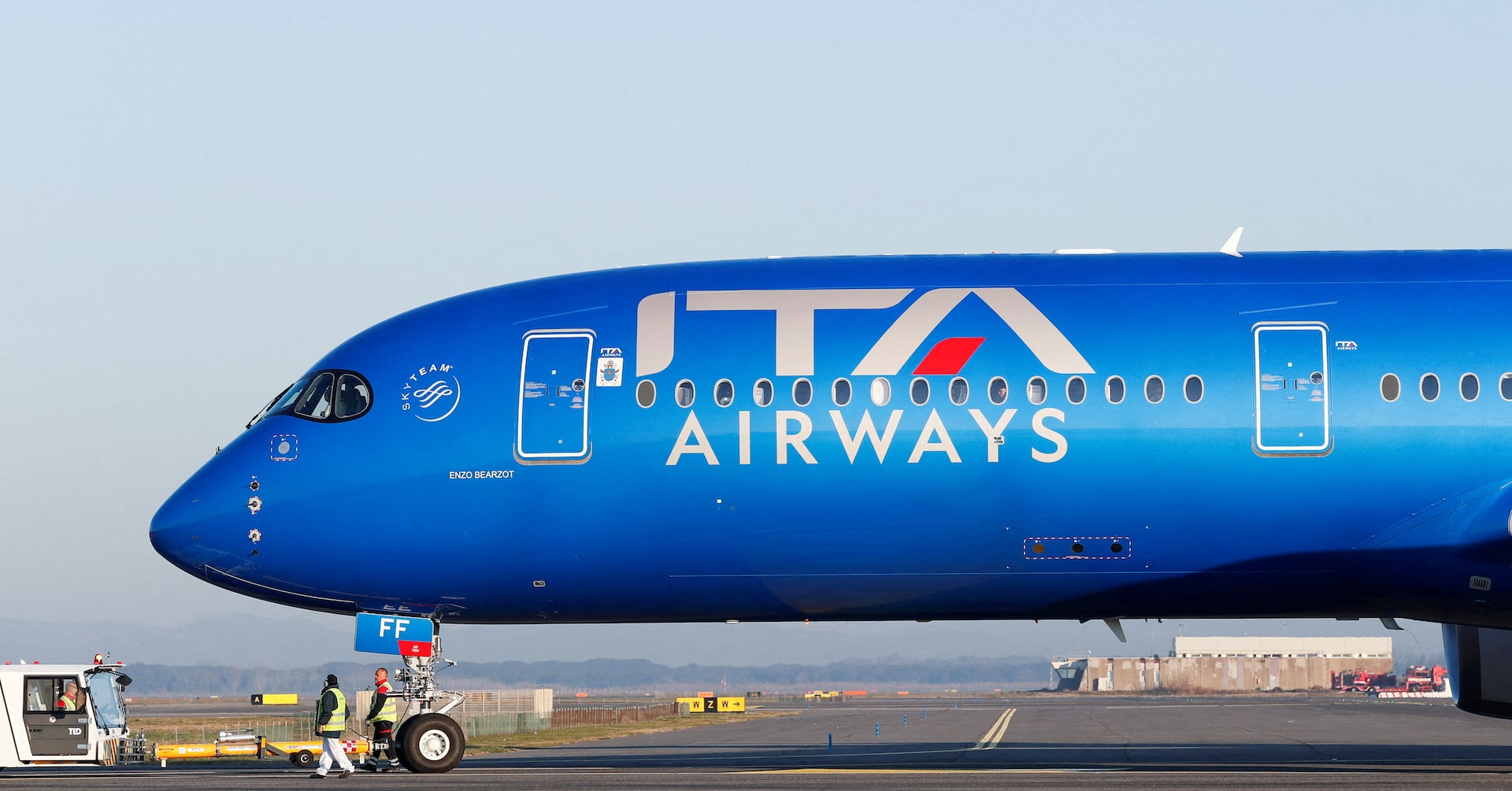
United Airlines Flight Attendants Ratify New Labor Contract

- Significant Pay Increase: The new contract for United Airlines flight attendants raises base pay by nearly one-third, specifically a 31% increase, which will substantially enhance the income levels of approximately 30,000 attendants, improving employee satisfaction and retention rates.
- Enhanced Compensation Structure: The agreement also includes boarding pay for the time passengers take to board, further improving the overall compensation framework for attendants, reflecting the company's recognition of their contributions and helping to elevate service quality.
- Historic Retroactive Pay: The contract includes up to $741 million in retroactive pay, ensuring that employees are compensated for income losses prior to the contract's effective date, which enhances economic security for staff and boosts team morale.
- Successful Mediation Outcome: The agreement was reached with the assistance of the National Mediation Board, marking an improvement in relations between United Airlines and its flight attendants, thus avoiding potential labor disputes and laying a foundation for future collaboration.
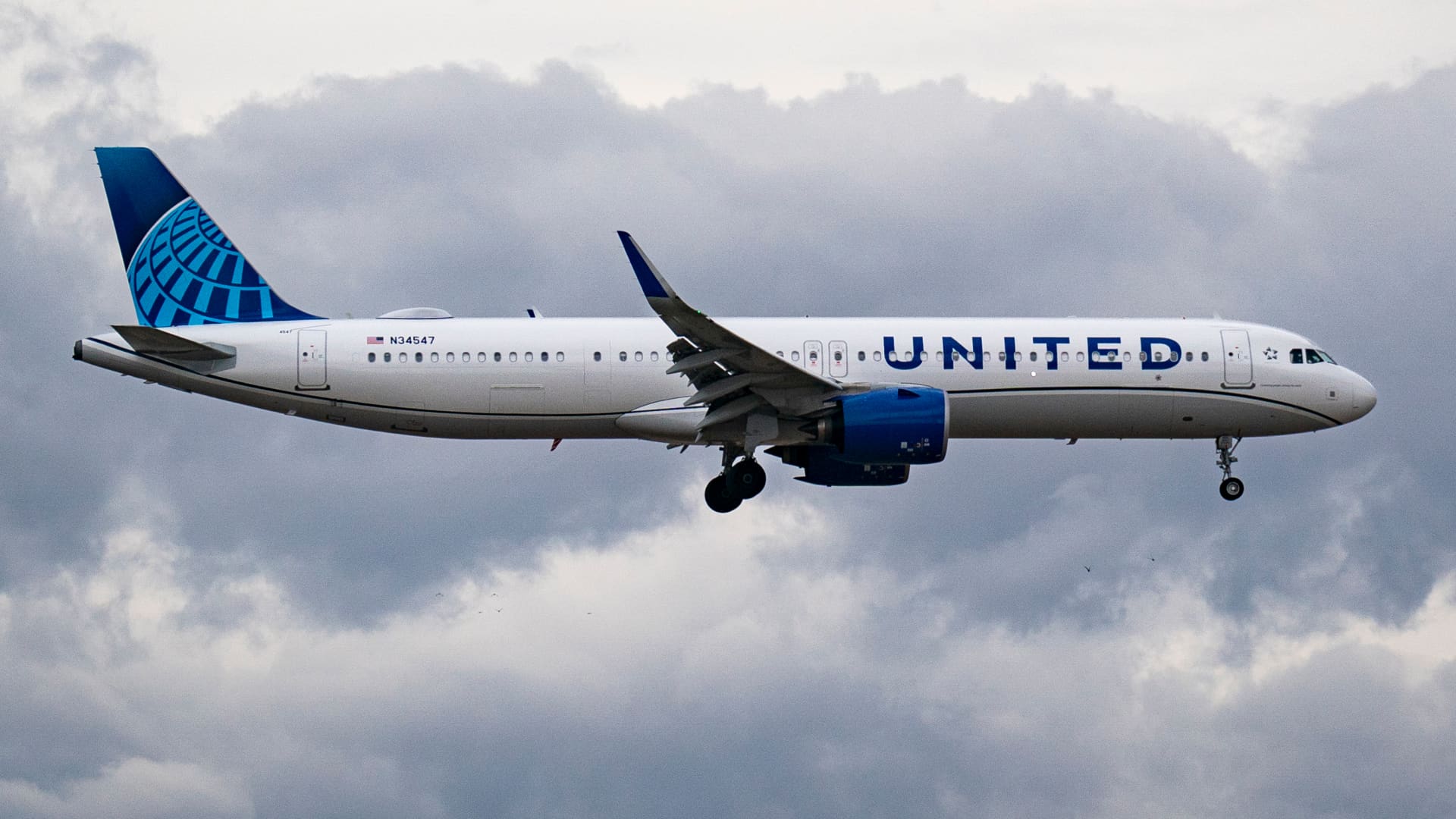
United Airlines Flight Attendants Approve New Labor Contract with Significant Raises
- Significant Pay Increase: United Airlines has reached a new labor contract with approximately 30,000 flight attendants that includes a 31% average raise in base pay, marking a crucial step in the industry's recovery as it is the last major carrier to finalize a deal post-COVID.
- Contract Approval: The contract received 82% approval from flight attendants, with nearly 90% participation in the vote, indicating strong support for the new agreement, particularly benefiting thousands of new hires since the pandemic.
- Compensation and Benefits Enhancements: The new contract features a compensation increase of approximately 7% to 8% and $741 million in back pay, alongside quality-of-life improvements such as boarding pay and restrictions on red-eye flights, aimed at enhancing the work-life balance of flight attendants.
- Industry Implications: This agreement not only provides United Airlines flight attendants with their first raise in nearly six years but may also influence negotiation strategies across other airlines, pushing the entire industry towards better labor conditions.
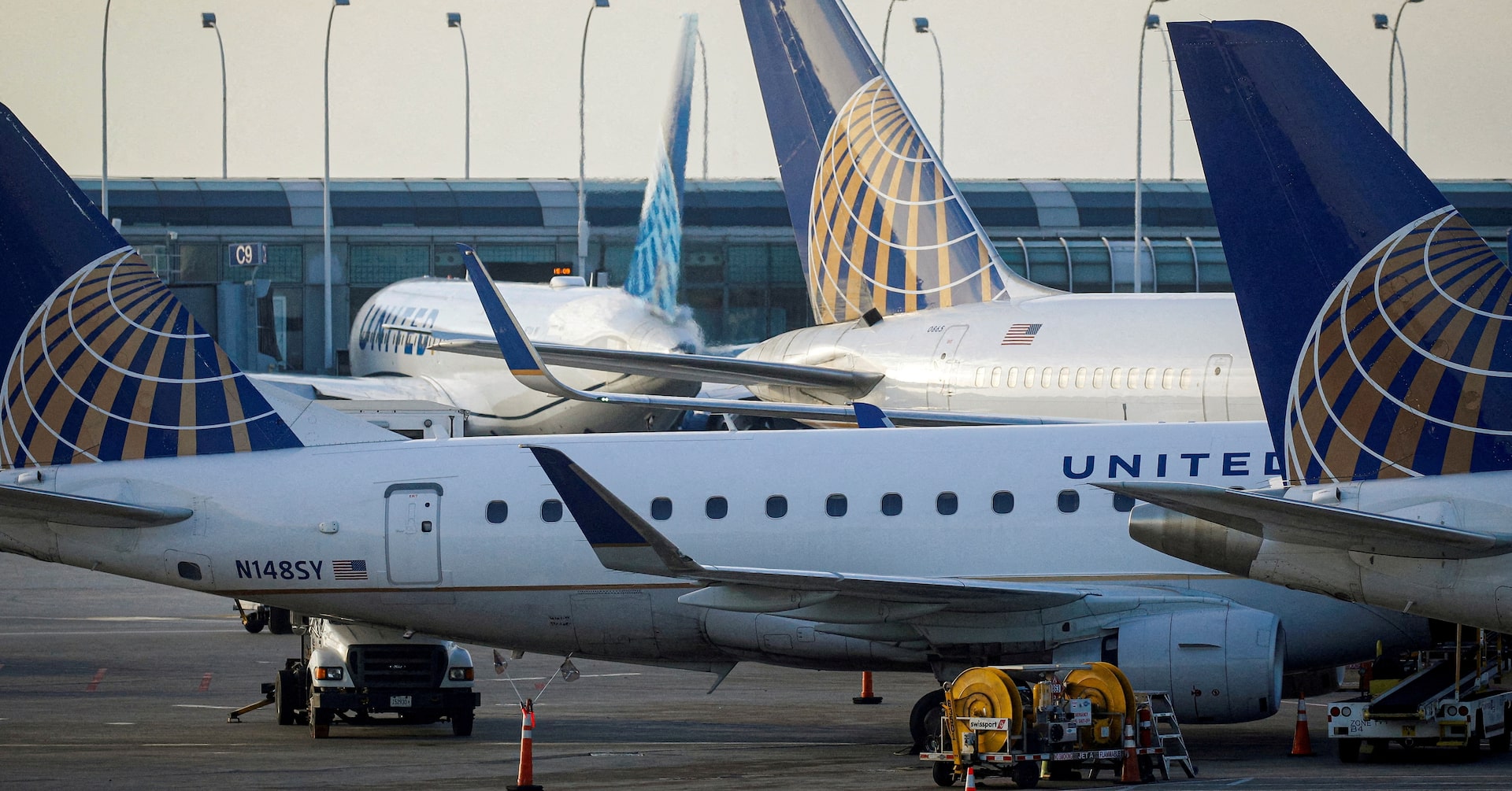
United Airlines Flight Attendants Ratify New Labor Contract with Significant Pay Raises
- Significant Pay Increase: United Airlines flight attendants will receive an average 31% raise in base pay by August, marking their first pay increase in nearly six years, which will greatly enhance the financial situation of approximately 30,000 crew members.
- High Approval Rate: The contract was approved by 82% of flight attendants, with nearly 90% voter turnout, indicating strong employee support for the new agreement, particularly benefiting new hires since the pandemic.
- Quality of Life Improvements: The new contract includes boarding pay and 'sit pay' for delays over 2.5 hours, along with restrictions on red-eye flights, aimed at enhancing working conditions and overall quality of life for flight attendants.
- Compensation and Back Pay: The agreement features a 7% to 8% increase in compensation and $741 million in back pay, reflecting the company's commitment to its employees and a positive outlook for future operations.
US Stocks Rise Slightly, Led by Tech Gains

- Market Performance: The S&P 500 and Nasdaq 100 indices both reached all-time highs, rising 0.19% and 0.29% respectively, reflecting strong corporate earnings and optimism around artificial intelligence, although gains were limited by rising oil prices and bond yields.
- Middle East Impact: The failure of the US and Iran to reach a peace agreement led to an increase in global bond yields, with the 10-year T-note yield rising 5 basis points to 4.41%, raising concerns that sustained high energy prices could force central banks to tighten monetary policy.
- Chinese Trade Data: China's April exports rose 14.1% year-on-year, significantly exceeding expectations of 8.4%, while imports increased by 25.3%, indicating positive signals for global economic recovery that could benefit global markets.
- Earnings Reports: As of Monday, 83% of the 450 S&P 500 companies that reported earnings exceeded expectations, with Q1 earnings projected to grow 12% year-on-year, but only 3% when excluding the technology sector, highlighting disparities in profitability across industries.

US Stocks Rise Slightly, Nasdaq Hits All-Time High

- Market Performance: The S&P 500 Index rose by 0.25% and the Nasdaq 100 Index increased by 0.17%, reaching all-time highs, reflecting strong corporate earnings and optimism around artificial intelligence, although rising oil prices and bond yields limited gains.
- Middle East Impact: The failure of the US and Iran to reach a peace agreement has led to rising global bond yields, with the 10-year T-note yield increasing by 3 basis points to 4.39%, raising concerns that elevated energy prices could force central banks to tighten monetary policy.
- Chinese Trade Data: China's April exports rose by 14.1% year-on-year and imports increased by 25.3%, both exceeding market expectations, indicating positive signals for global economic recovery that could benefit global markets.
- Earnings Reports: So far, 83% of the 446 S&P 500 companies that reported earnings have beaten estimates, with Q1 earnings projected to climb by 12% year-on-year, although excluding the technology sector, the growth is only 3%, marking the weakest performance in two years.

U.S. Stocks Rise Slightly Amid Strong Corporate Earnings
- Market Performance: The S&P 500 rose by 0.17% and the Nasdaq 100 reached an all-time high, reflecting strong corporate earnings and optimism around AI, although rising oil prices and bond yields limited gains.
- Middle East Impact: The failure of the U.S. and Iran to reach a peace agreement has led to rising global bond yields, with the 10-year Treasury yield increasing to 4.39%, potentially forcing central banks to tighten monetary policy, which could affect market liquidity.
- Chinese Trade Data: China's April exports rose 14.1% year-on-year and imports increased by 25.3%, both exceeding market expectations, providing a positive signal for global economic growth and potentially boosting international investment sentiment.
- Corporate Earnings Situation: So far, 83% of the 446 S&P 500 companies have exceeded earnings expectations, with Q1 earnings projected to grow by 12% year-on-year, demonstrating corporate resilience in the economic recovery, although growth in the tech sector has slowed to 3%.
United Airlines Flight Attendants Ratify New Labor Contract
- Significant Pay Increase: The new contract for United Airlines flight attendants raises base pay by nearly one-third, specifically a 31% increase, which will substantially enhance the income levels of approximately 30,000 attendants, improving employee satisfaction and retention rates.
- Enhanced Compensation Structure: The agreement also includes boarding pay for the time passengers take to board, further improving the overall compensation framework for attendants, reflecting the company's recognition of their contributions and helping to elevate service quality.
- Historic Retroactive Pay: The contract includes up to $741 million in retroactive pay, ensuring that employees are compensated for income losses prior to the contract's effective date, which enhances economic security for staff and boosts team morale.
- Successful Mediation Outcome: The agreement was reached with the assistance of the National Mediation Board, marking an improvement in relations between United Airlines and its flight attendants, thus avoiding potential labor disputes and laying a foundation for future collaboration.
United Airlines Flight Attendants Approve New Labor Contract with Significant Raises
- Significant Pay Increase: United Airlines has reached a new labor contract with approximately 30,000 flight attendants that includes a 31% average raise in base pay, marking a crucial step in the industry's recovery as it is the last major carrier to finalize a deal post-COVID.
- Contract Approval: The contract received 82% approval from flight attendants, with nearly 90% participation in the vote, indicating strong support for the new agreement, particularly benefiting thousands of new hires since the pandemic.
- Compensation and Benefits Enhancements: The new contract features a compensation increase of approximately 7% to 8% and $741 million in back pay, alongside quality-of-life improvements such as boarding pay and restrictions on red-eye flights, aimed at enhancing the work-life balance of flight attendants.
- Industry Implications: This agreement not only provides United Airlines flight attendants with their first raise in nearly six years but may also influence negotiation strategies across other airlines, pushing the entire industry towards better labor conditions.
United Airlines Flight Attendants Ratify New Labor Contract with Significant Pay Raises
- Significant Pay Increase: United Airlines flight attendants will receive an average 31% raise in base pay by August, marking their first pay increase in nearly six years, which will greatly enhance the financial situation of approximately 30,000 crew members.
- High Approval Rate: The contract was approved by 82% of flight attendants, with nearly 90% voter turnout, indicating strong employee support for the new agreement, particularly benefiting new hires since the pandemic.
- Quality of Life Improvements: The new contract includes boarding pay and 'sit pay' for delays over 2.5 hours, along with restrictions on red-eye flights, aimed at enhancing working conditions and overall quality of life for flight attendants.
- Compensation and Back Pay: The agreement features a 7% to 8% increase in compensation and $741 million in back pay, reflecting the company's commitment to its employees and a positive outlook for future operations.
US Stocks Rise Slightly, Led by Tech Gains
- Market Performance: The S&P 500 and Nasdaq 100 indices both reached all-time highs, rising 0.19% and 0.29% respectively, reflecting strong corporate earnings and optimism around artificial intelligence, although gains were limited by rising oil prices and bond yields.
- Middle East Impact: The failure of the US and Iran to reach a peace agreement led to an increase in global bond yields, with the 10-year T-note yield rising 5 basis points to 4.41%, raising concerns that sustained high energy prices could force central banks to tighten monetary policy.
- Chinese Trade Data: China's April exports rose 14.1% year-on-year, significantly exceeding expectations of 8.4%, while imports increased by 25.3%, indicating positive signals for global economic recovery that could benefit global markets.
- Earnings Reports: As of Monday, 83% of the 450 S&P 500 companies that reported earnings exceeded expectations, with Q1 earnings projected to grow 12% year-on-year, but only 3% when excluding the technology sector, highlighting disparities in profitability across industries.
US Stocks Rise Slightly, Nasdaq Hits All-Time High
- Market Performance: The S&P 500 Index rose by 0.25% and the Nasdaq 100 Index increased by 0.17%, reaching all-time highs, reflecting strong corporate earnings and optimism around artificial intelligence, although rising oil prices and bond yields limited gains.
- Middle East Impact: The failure of the US and Iran to reach a peace agreement has led to rising global bond yields, with the 10-year T-note yield increasing by 3 basis points to 4.39%, raising concerns that elevated energy prices could force central banks to tighten monetary policy.
- Chinese Trade Data: China's April exports rose by 14.1% year-on-year and imports increased by 25.3%, both exceeding market expectations, indicating positive signals for global economic recovery that could benefit global markets.
- Earnings Reports: So far, 83% of the 446 S&P 500 companies that reported earnings have beaten estimates, with Q1 earnings projected to climb by 12% year-on-year, although excluding the technology sector, the growth is only 3%, marking the weakest performance in two years.
U.S. Stocks Rise Slightly Amid Strong Corporate Earnings
- Market Performance: The S&P 500 rose by 0.17% and the Nasdaq 100 reached an all-time high, reflecting strong corporate earnings and optimism around AI, although rising oil prices and bond yields limited gains.
- Middle East Impact: The failure of the U.S. and Iran to reach a peace agreement has led to rising global bond yields, with the 10-year Treasury yield increasing to 4.39%, potentially forcing central banks to tighten monetary policy, which could affect market liquidity.
- Chinese Trade Data: China's April exports rose 14.1% year-on-year and imports increased by 25.3%, both exceeding market expectations, providing a positive signal for global economic growth and potentially boosting international investment sentiment.
- Corporate Earnings Situation: So far, 83% of the 446 S&P 500 companies have exceeded earnings expectations, with Q1 earnings projected to grow by 12% year-on-year, demonstrating corporate resilience in the economic recovery, although growth in the tech sector has slowed to 3%.