United Airlines CEO Confirms Merger Talks with American Airlines Ended
Written by Emily J. Thompson, Senior Investment Analyst
Updated: 1 hour ago
0mins
Source: seekingalpha
- Merger Talks Confirmed: United Airlines CEO Scott Kirby confirmed that he approached American Airlines about a merger in the past two weeks, and although American declined to engage further, Kirby believes that a merger would greatly benefit customers, reflecting his positive outlook on industry consolidation.
- Market Potential Outlook: Kirby emphasized that a merger between United and American would create a new, globally leading U.S. airline with enhanced competitive strength, capable of unlocking unprecedented opportunities for customers, employees, and the communities served, showcasing his confidence in the future of the aviation industry.
- Strong Stock Performance: United Airlines' shares have risen 34.7% over the past 52 weeks, while American Airlines has increased by 25.9%, with the Dow Jones U.S. Airlines Index up 40.0%, indicating a robust recovery in the airline sector and investor optimism.
- Clear Strategic Goals: Despite the end of talks with American Airlines, Kirby reiterated United's commitment to building the greatest airline in aviation history, demonstrating the company's firm resolve in pursuing growth and market leadership.
Trade with 70% Backtested Accuracy
Stop guessing "Should I Buy UAL?" and start using high-conviction signals backed by rigorous historical data.
Sign up today to access powerful investing tools and make smarter, data-driven decisions.
Analyst Views on UAL
Wall Street analysts forecast UAL stock price to rise
16 Analyst Rating
15 Buy
1 Hold
0 Sell
Strong Buy
Current: 93.000

Low
115.00
Averages
139.07
High
156.00
Current: 93.000
Low
115.00
Averages
139.07
High
156.00
About UAL
United Airlines Holdings, Inc. is a holding company. The Company transports people and cargo throughout North America and to destinations in Asia, Europe, Africa, the Pacific, the Middle East and Latin America. The Company, through United Airlines, Inc., and its regional carriers, operates across over six continents, with hubs at Chicago O'Hare International Airport (ORD), Denver International Airport (DEN), George Bush Intercontinental Airport (IAH), Los Angeles International Airport (LAX), Newark Liberty International Airport (EWR), San Francisco International Airport (SFO), Washington Dulles International Airport (IAD) and A.B. Won Pat International Airport (GUM). Its hub and spoke system allow it to transport passengers between a large number of destinations with frequent services. The Company has contractual relationships with various regional carriers to provide regional aircraft service branded as United Express. It provides freight and mail transportation services (Air Cargo).
About the author

Emily J. Thompson
Emily J. Thompson, a Chartered Financial Analyst (CFA) with 12 years in investment research, graduated with honors from the Wharton School. Specializing in industrial and technology stocks, she provides in-depth analysis for Intellectia’s earnings and market brief reports.
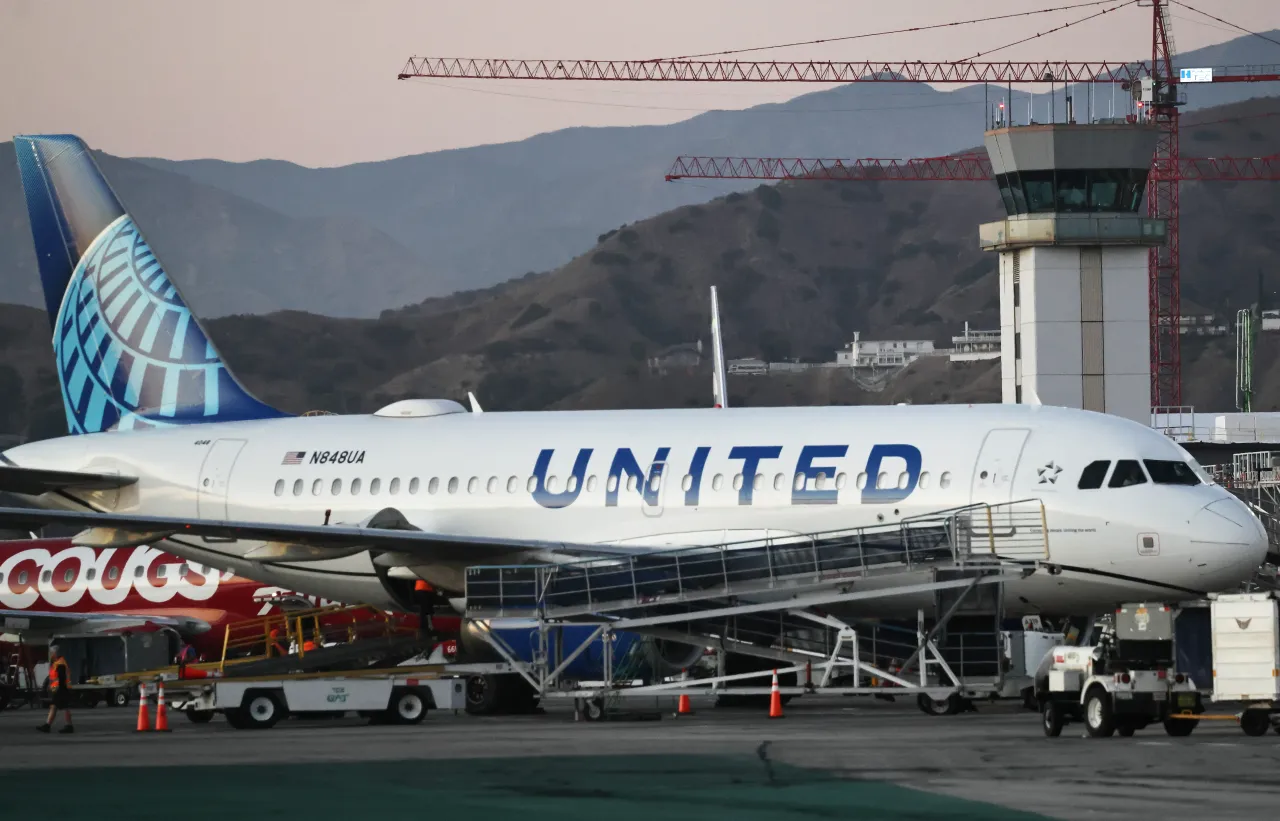
United Airlines CEO Confirms End of Merger Talks with American Airlines

- Merger Talks Ended: United Airlines CEO Scott Kirby confirmed that discussions with American Airlines regarding a merger have concluded, despite his belief that such a combination would significantly benefit customers and communities; American Airlines declined to engage further, highlighting strategic differences between the two companies.
- Market Competition Insight: Kirby noted that foreign-flagged airlines account for 65% of long-haul flights into the U.S., with only 40% of those passengers being foreign citizens, suggesting that a merger would enhance market competitiveness by increasing economy seat availability rather than restricting capacity.
- Analyst Rating Upgrades: UBS analyst raised United Airlines' price target from $135 to $139 while maintaining a 'Buy' rating, indicating optimistic market expectations for United's future performance, even as its shares have fallen over 17% year-to-date.
- Retail Trader Sentiment: On Stocktwits, sentiment surrounding United Airlines remains 'extremely bullish', while American Airlines also enjoys 'extremely bullish' sentiment, reflecting investor confidence in the airline industry's recovery prospects, despite both companies experiencing stock price declines.
See More
United Airlines CEO Confirms Merger Talks with American Airlines Ended
- Merger Talks Confirmed: United Airlines CEO Scott Kirby confirmed that he approached American Airlines about a merger in the past two weeks, and although American declined to engage further, Kirby believes that a merger would greatly benefit customers, reflecting his positive outlook on industry consolidation.
- Market Potential Outlook: Kirby emphasized that a merger between United and American would create a new, globally leading U.S. airline with enhanced competitive strength, capable of unlocking unprecedented opportunities for customers, employees, and the communities served, showcasing his confidence in the future of the aviation industry.
- Strong Stock Performance: United Airlines' shares have risen 34.7% over the past 52 weeks, while American Airlines has increased by 25.9%, with the Dow Jones U.S. Airlines Index up 40.0%, indicating a robust recovery in the airline sector and investor optimism.
- Clear Strategic Goals: Despite the end of talks with American Airlines, Kirby reiterated United's commitment to building the greatest airline in aviation history, demonstrating the company's firm resolve in pursuing growth and market leadership.
See More
United Airlines Merger Proposal with American Airlines Rejected
- Merger Proposal Rejected: United Airlines CEO Scott Kirby confirmed he approached American Airlines about a merger, which was rejected; Kirby aimed to enhance customer service, while American Airlines CEO Robert Isom deemed it detrimental to customers and anti-competitive.
- Regulatory Approval Confidence: Kirby had pitched the merger idea to the Trump administration, believing it would create a stronger global airline to compete with foreign rivals, yet American Airlines' rejection did not deter his confidence in regulatory approval.
- Market Competition Pressure: Kirby highlighted that a merger between United and American would better position them against foreign airlines, which currently dominate over half of the long-haul seat market in the U.S., indicating significant competitive pressures in the domestic airline industry.
- Trump Opposes Merger: President Trump expressed his opposition to the merger last week, although he showed interest in a potential acquisition of struggling discount carrier Spirit, reflecting the government's complex stance on airline industry consolidation.
See More
United Airlines CEO Confirms Merger Talks with American Airlines
- Merger Talks Confirmed: United Airlines CEO Scott Kirby confirmed on Monday that he has approached American Airlines regarding a potential merger, indicating an acceleration in industry consolidation that could reshape market dynamics and enhance competitiveness for both companies.
- Market Reaction Anticipated: This news has drawn market attention, with investors expressing optimism about the prospects of consolidation in the airline industry, which may impact the performance of related airline stocks, especially against the backdrop of rising fuel prices.
- Flight Layout Adjustments: United Airlines is adjusting its flight layouts by introducing new stripped-down Polaris business class fares aimed at attracting more premium customers while addressing the growing demand for air travel.
- Industry Dynamics Shift: American Airlines is seriously considering bringing back seat-back screens to its narrow-body fleet, reflecting the airline's efforts to enhance passenger experience, which could influence future competitive strategies in the market.
See More
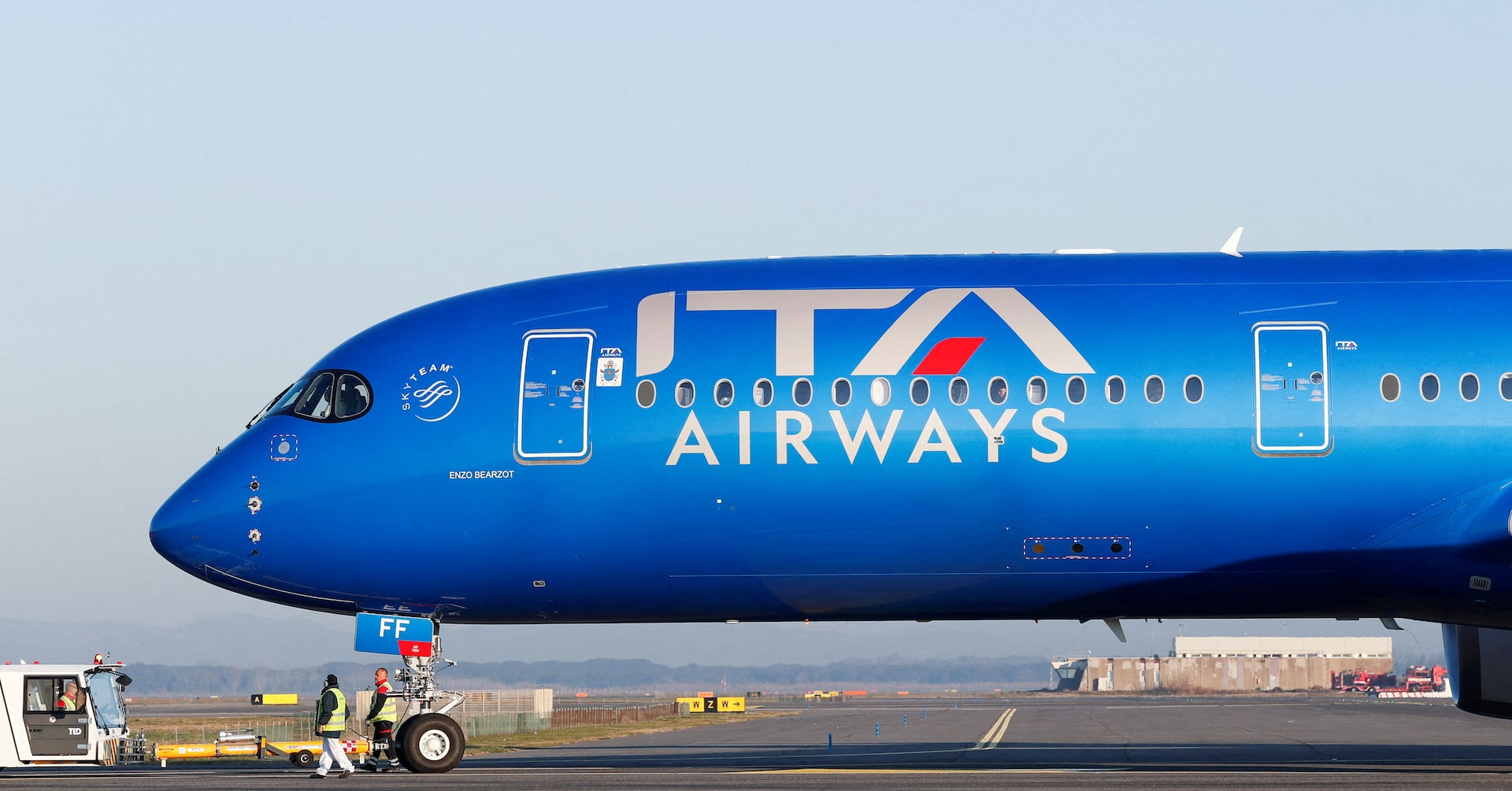
United Airlines Pursues Merger with American Airlines
- Merger Proposal: United Airlines approached American Airlines with a merger proposal, which was declined, highlighting the challenges and complexities of industry consolidation.
- Leadership Dialogue: CEO Scott Kirby raised the merger idea during a meeting with President Trump, reflecting the company's focus on industry consolidation and strategic intentions.
- Market Reaction: American Airlines' public rejection of United's proposal may lower market expectations for future collaboration between the two companies, potentially impacting investor confidence.
- Policy Context: The proposal was made in the context of discussions about the future of Washington's Dulles Airport, indicating airlines' intentions to seek greater market share amid changing policy environments.
See More
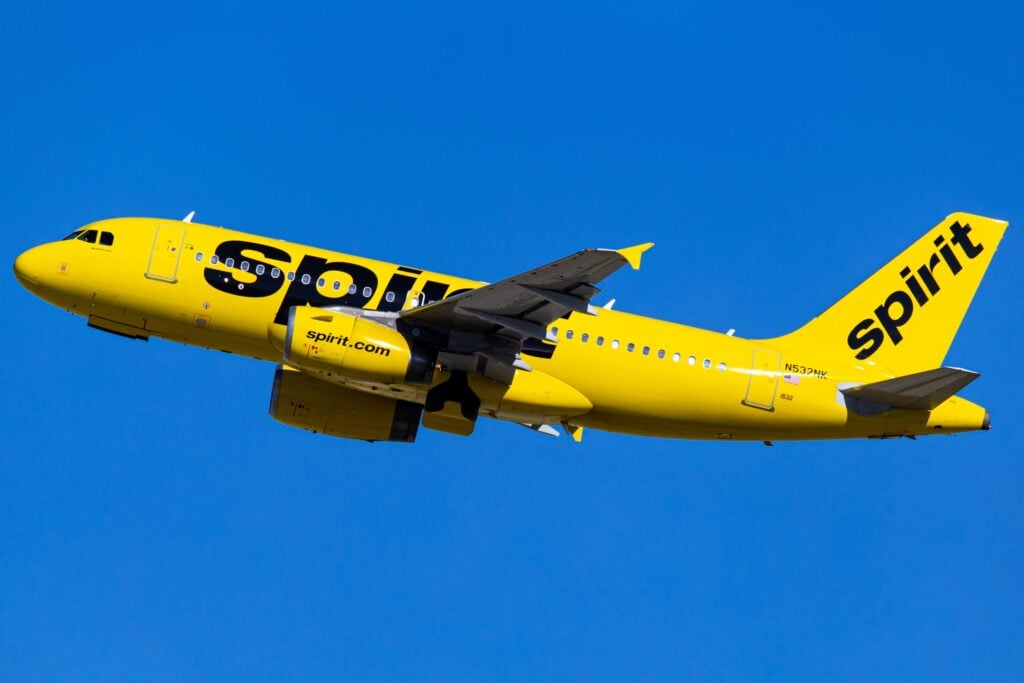
Trump Proposes Federal Aid for Spirit Airlines Amid Crisis

- Trump's Aid Proposal: In a CNBC interview, Trump floated the idea of federal aid for struggling Spirit Airlines, emphasizing the importance of protecting 14,000 jobs, which highlights government concern for the aviation sector's stability.
- Opposition to Mergers: Trump expressed disapproval of the proposed merger between United Airlines and American Airlines, arguing that consolidation in the aerospace industry reduces competition and leads to corporate complacency, despite both companies currently performing well, indicating a concern for industry health.
- Spirit Airlines Crisis: Spirit Airlines is reportedly on the brink of halting operations due to rising fuel costs and financial difficulties, having previously filed for bankruptcy post-COVID-19, which could leave ticket holders stranded within days, underscoring the fragility of the industry.
- Skepticism on Government Funds: Transportation Secretary raised doubts about using government funds to bail out Spirit Airlines, warning against “putting good money after bad” and questioning the airline's profitability and recovery prospects, reflecting a divide over aviation bailout policies.
See More
United Airlines CEO Confirms End of Merger Talks with American Airlines
- Merger Talks Ended: United Airlines CEO Scott Kirby confirmed that discussions with American Airlines regarding a merger have concluded, despite his belief that such a combination would significantly benefit customers and communities; American Airlines declined to engage further, highlighting strategic differences between the two companies.
- Market Competition Insight: Kirby noted that foreign-flagged airlines account for 65% of long-haul flights into the U.S., with only 40% of those passengers being foreign citizens, suggesting that a merger would enhance market competitiveness by increasing economy seat availability rather than restricting capacity.
- Analyst Rating Upgrades: UBS analyst raised United Airlines' price target from $135 to $139 while maintaining a 'Buy' rating, indicating optimistic market expectations for United's future performance, even as its shares have fallen over 17% year-to-date.
- Retail Trader Sentiment: On Stocktwits, sentiment surrounding United Airlines remains 'extremely bullish', while American Airlines also enjoys 'extremely bullish' sentiment, reflecting investor confidence in the airline industry's recovery prospects, despite both companies experiencing stock price declines.
See More
United Airlines CEO Confirms Merger Talks with American Airlines Ended
- Merger Talks Confirmed: United Airlines CEO Scott Kirby confirmed that he approached American Airlines about a merger in the past two weeks, and although American declined to engage further, Kirby believes that a merger would greatly benefit customers, reflecting his positive outlook on industry consolidation.
- Market Potential Outlook: Kirby emphasized that a merger between United and American would create a new, globally leading U.S. airline with enhanced competitive strength, capable of unlocking unprecedented opportunities for customers, employees, and the communities served, showcasing his confidence in the future of the aviation industry.
- Strong Stock Performance: United Airlines' shares have risen 34.7% over the past 52 weeks, while American Airlines has increased by 25.9%, with the Dow Jones U.S. Airlines Index up 40.0%, indicating a robust recovery in the airline sector and investor optimism.
- Clear Strategic Goals: Despite the end of talks with American Airlines, Kirby reiterated United's commitment to building the greatest airline in aviation history, demonstrating the company's firm resolve in pursuing growth and market leadership.
See More
United Airlines Merger Proposal with American Airlines Rejected
- Merger Proposal Rejected: United Airlines CEO Scott Kirby confirmed he approached American Airlines about a merger, which was rejected; Kirby aimed to enhance customer service, while American Airlines CEO Robert Isom deemed it detrimental to customers and anti-competitive.
- Regulatory Approval Confidence: Kirby had pitched the merger idea to the Trump administration, believing it would create a stronger global airline to compete with foreign rivals, yet American Airlines' rejection did not deter his confidence in regulatory approval.
- Market Competition Pressure: Kirby highlighted that a merger between United and American would better position them against foreign airlines, which currently dominate over half of the long-haul seat market in the U.S., indicating significant competitive pressures in the domestic airline industry.
- Trump Opposes Merger: President Trump expressed his opposition to the merger last week, although he showed interest in a potential acquisition of struggling discount carrier Spirit, reflecting the government's complex stance on airline industry consolidation.
See More
United Airlines CEO Confirms Merger Talks with American Airlines
- Merger Talks Confirmed: United Airlines CEO Scott Kirby confirmed on Monday that he has approached American Airlines regarding a potential merger, indicating an acceleration in industry consolidation that could reshape market dynamics and enhance competitiveness for both companies.
- Market Reaction Anticipated: This news has drawn market attention, with investors expressing optimism about the prospects of consolidation in the airline industry, which may impact the performance of related airline stocks, especially against the backdrop of rising fuel prices.
- Flight Layout Adjustments: United Airlines is adjusting its flight layouts by introducing new stripped-down Polaris business class fares aimed at attracting more premium customers while addressing the growing demand for air travel.
- Industry Dynamics Shift: American Airlines is seriously considering bringing back seat-back screens to its narrow-body fleet, reflecting the airline's efforts to enhance passenger experience, which could influence future competitive strategies in the market.
See More
United Airlines Pursues Merger with American Airlines
- Merger Proposal: United Airlines approached American Airlines with a merger proposal, which was declined, highlighting the challenges and complexities of industry consolidation.
- Leadership Dialogue: CEO Scott Kirby raised the merger idea during a meeting with President Trump, reflecting the company's focus on industry consolidation and strategic intentions.
- Market Reaction: American Airlines' public rejection of United's proposal may lower market expectations for future collaboration between the two companies, potentially impacting investor confidence.
- Policy Context: The proposal was made in the context of discussions about the future of Washington's Dulles Airport, indicating airlines' intentions to seek greater market share amid changing policy environments.
See More
Trump Proposes Federal Aid for Spirit Airlines Amid Crisis
- Trump's Aid Proposal: In a CNBC interview, Trump floated the idea of federal aid for struggling Spirit Airlines, emphasizing the importance of protecting 14,000 jobs, which highlights government concern for the aviation sector's stability.
- Opposition to Mergers: Trump expressed disapproval of the proposed merger between United Airlines and American Airlines, arguing that consolidation in the aerospace industry reduces competition and leads to corporate complacency, despite both companies currently performing well, indicating a concern for industry health.
- Spirit Airlines Crisis: Spirit Airlines is reportedly on the brink of halting operations due to rising fuel costs and financial difficulties, having previously filed for bankruptcy post-COVID-19, which could leave ticket holders stranded within days, underscoring the fragility of the industry.
- Skepticism on Government Funds: Transportation Secretary raised doubts about using government funds to bail out Spirit Airlines, warning against “putting good money after bad” and questioning the airline's profitability and recovery prospects, reflecting a divide over aviation bailout policies.
See More