Unilever's Major Investment in the U.S. Is Yielding Results—Get Ready for the True Transformation
Strong Q3 Performance: Unilever Plc reported a 3.9% underlying sales growth in Q3, surpassing analyst expectations, driven by strong demand in North America, particularly in premium product categories.
CEO's Turnaround Strategy: CEO Fernando Fernandez is focusing on portfolio cleanup and cost-saving measures, with the company ahead of schedule on its $800 million cost-saving plan through 2025, while also reducing restructuring expenses.
Challenges in Emerging Markets: Latin America remains a challenge for Unilever due to currency fluctuations and tighter household budgets, although there are signs of stabilization in Brazil.
Future Outlook: The company maintains its full-year guidance of 3% to 5% sales growth, with future efforts aimed at boosting performance in emerging markets while sustaining premium demand in the U.S.
Trade with 70% Backtested Accuracy
Analyst Views on UL

About UL
About the author


Blackstone and CD&R Explore Bid for Magnum Ice Cream Company

- Acquisition Interest Emerges: Blackstone and CD&R are among private equity firms exploring a bid for Magnum Ice Cream Company, indicating strong interest in the world's largest standalone ice cream maker, which could drive its market valuation higher.
- Positive Stock Reaction: Following the news, shares of Magnum's parent company, Ben & Jerry's, surged by 18%, reflecting market optimism regarding the potential acquisition and investor confidence in the company's future growth prospects.
- Sales Data Influences Decisions: Potential bidders are monitoring Magnum's summer sales report to determine whether to advance their acquisition plans, highlighting the market's keen focus on the company's performance, which may affect the timing and pricing of any bid.
- Brand Independence Movement: The campaign led by Ben Cohen, co-founder of Ben & Jerry's, advocating for the brand's independence underscores the importance of brand mission and social responsibility, which could influence negotiations surrounding Magnum's acquisition.
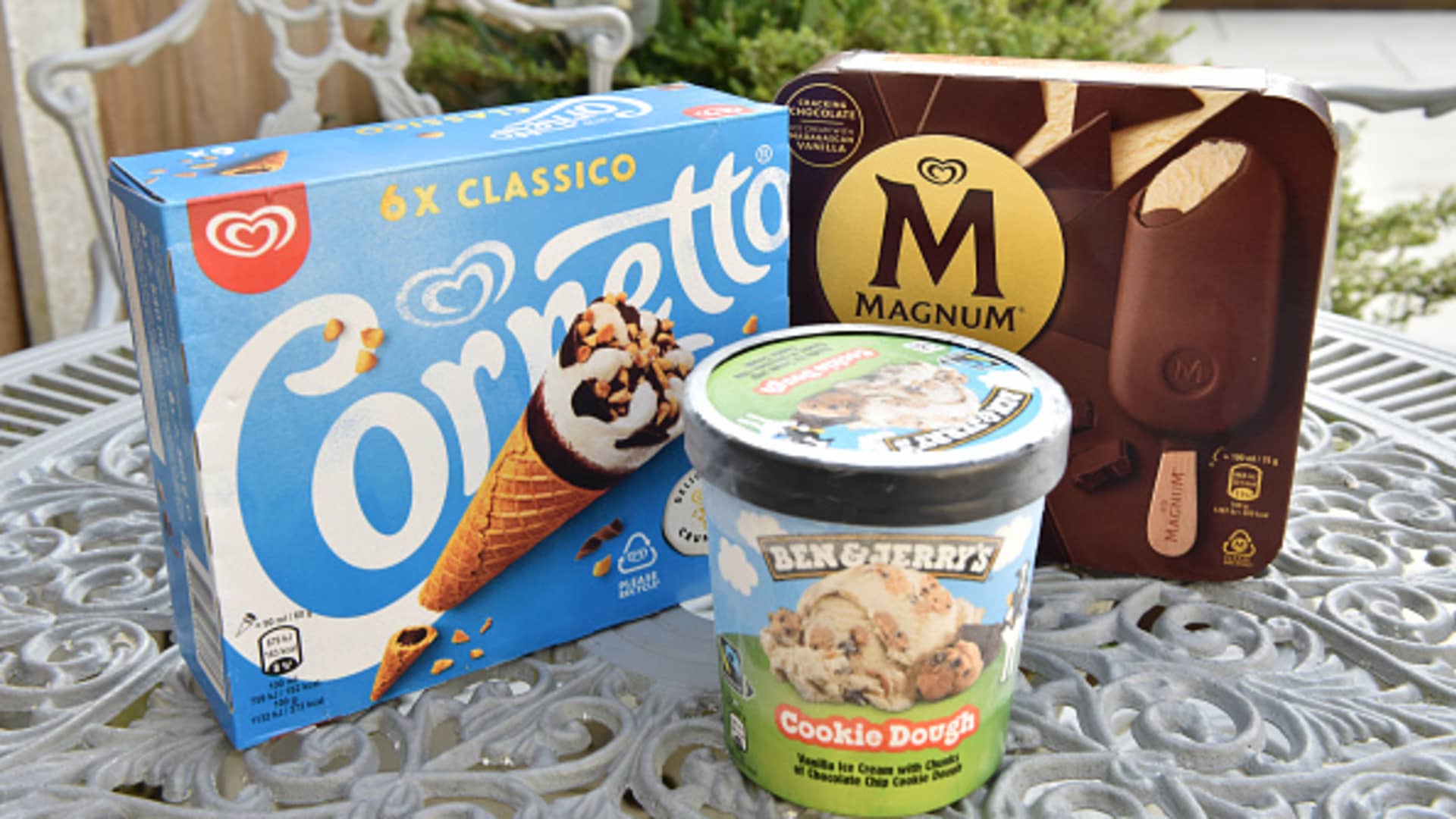
Blackstone and CD&R Explore Bid for Magnum Ice Cream Company
- Stock Surge: Shares of Magnum Ice Cream Company surged by 18% following reports from Reuters that Blackstone and CD&R are considering a bid, indicating strong market interest in potential acquisition which could enhance the company's valuation.
- Successful Spin-off: Since its spin-off from Unilever on December 8, 2025, Magnum has established itself as the world's largest standalone ice cream maker, with its stock maintaining stability post-separation, reflecting market confidence in its independent operations.
- Potential Bidders Monitoring Sales: Private equity firms like Blackstone and CD&R are closely watching Magnum's share price and summer sales data to determine their acquisition strategy, showcasing their keen insight into market dynamics.
- Ongoing Brand Independence Campaign: The campaign led by Ben Cohen, co-founder of Ben & Jerry's, advocating for brand independence highlights the market's focus on social missions, which may influence Magnum's brand image and future strategic direction.
Kool-Aid Launches Dye-Free Electrolyte Packets to Revitalize Sales
- Market Opportunity: The U.S. powder concentrate market has more than tripled over the past five years, exceeding $4.6 billion in sales, and Kool-Aid aims to capitalize on this rapid growth by launching dye-free electrolyte packets to attract health-conscious young consumers.
- Brand Modernization: Kraft Heinz is committed to increasing investment in Kool-Aid by 70% by 2025 to address nearly a decade of declining sales, aiming to enhance brand relevance and market competitiveness through new product launches.
- Price Advantage: Kool-Aid's electrolyte packets are priced at an average of $4.99, significantly lower than comparable products from Gatorade and Liquid I.V., which is expected to attract budget-conscious consumers and enhance market penetration.
- Consumer-Centric Approach: Kool-Aid Hydration is free from artificial dyes and sugar, responding to consumer demand for healthier beverage options, and Kraft Heinz is adjusting its product strategy based on consumer feedback to regain favor in a competitive market.
Kraft Heinz Launches Kool-Aid Electrolyte Drink Without Artificial Dyes
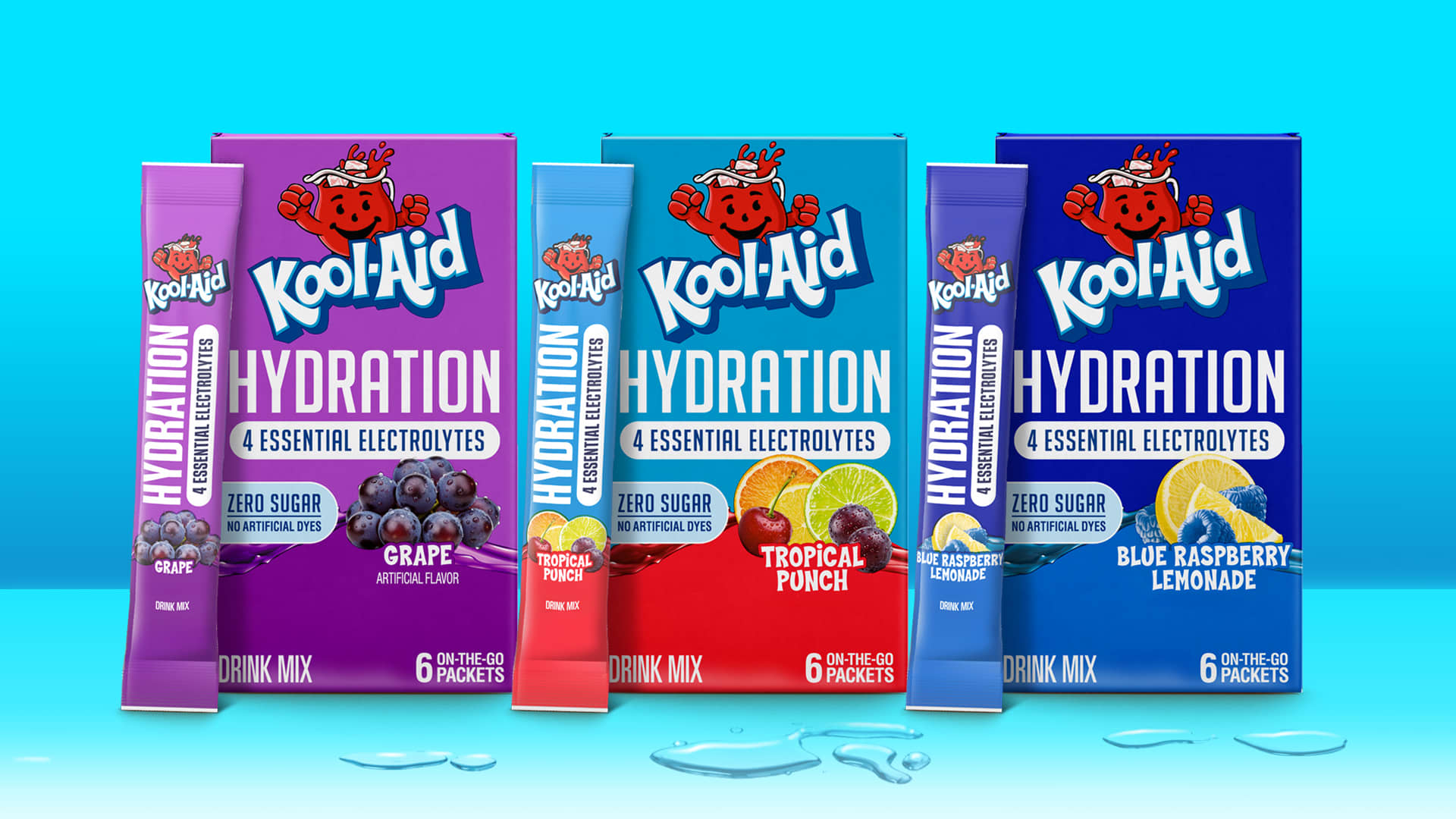
- Product Innovation: Kraft Heinz has launched Kool-Aid Hydration electrolyte drink in three flavors: grape, tropical punch, and blue raspberry lemonade, priced at $4.99, significantly lower than competitors like Gatorade and Liquid I.V., aiming to attract young consumers and enhance market competitiveness.
- Market Opportunity: The U.S. electrolyte powder market has exceeded $4.6 billion in sales over the past five years, and the launch of Kool-Aid Hydration comes at a time of rapid growth in this sector, with Kraft Heinz looking to reshape its brand image and appeal to a broader consumer base.
- Health Commitment: Kool-Aid Hydration is free from artificial dyes and sugar, aligning with Kraft Heinz's pledge to phase out synthetic colors by 2027, aiming to meet consumer demand for healthier beverage options and enhance brand appeal.
- Strategic Investment: Kraft Heinz plans to increase investment in the Kool-Aid brand by 70% to support its turnaround strategy in the U.S. market, with the CEO committing $600 million to address the company's ongoing sales slump, demonstrating confidence in the brand's future.
Reshuffling in Consumer Sector Creates Investment Opportunities

- Coca-Cola's Strong Performance: Coca-Cola reported Q1 2026 revenue of $12.47 billion, an 11.2% year-over-year increase, with EPS of $0.86, exceeding estimates by 5.9%, and raised its full-year EPS growth guidance to 8%-9%, indicating robust market demand and brand strength.
- Walmart's Resilience: Walmart is set to report its fiscal Q1 2027 results, and despite tariff pressures, high-income households are shifting to its private-label brands, driving comparable sales growth, showcasing its adaptability in times of economic strain.
- McCormick's Merger Strategy: McCormick announced a merger with Unilever's food business, expected to create approximately $20 billion in annual revenue and achieve $600 million in cost synergies in the first year, significantly enhancing its footprint in emerging markets, although integration risks remain.
- Keurig Dr Pepper's Spin-Off Plan: Keurig Dr Pepper completed its acquisition of JDE Peet's and plans to separate into two independent companies by the end of 2026, with the first year expected to see a 10% EPS increase, providing investors with clearer capital allocation narratives.

Consumer Giants Thrive Amid Market Volatility and Strategic Moves
- Coca-Cola's Strong Performance: Coca-Cola reported Q1 2026 revenue of $12.47 billion, an 11.2% year-over-year increase, with EPS of $0.86, beating consensus by 5.9%, and raised its full-year EPS growth guidance to 8%-9%, indicating robust market demand and brand strength.
- Walmart's Counterintuitive Growth: Walmart is set to report its fiscal Q1 2027 results, where high-income households shifting to its private-label brands amid tariff pressures have contributed to comparable sales gains, showcasing its market adaptability and competitive edge in challenging economic conditions.
- McCormick and Unilever Merger: McCormick announced a merger with Unilever's food division, expected to create approximately $20 billion in annual revenue and achieve $600 million in cost synergies in the first year, significantly enhancing its footprint in emerging markets, despite integration risks, the long-term strategic rationale is compelling.
- Keurig Dr Pepper's Post-Acquisition Restructuring: Keurig Dr Pepper completed its acquisition of JDE Peet's on April 1, planning to separate into two independent companies by the end of 2026, with an anticipated 10% EPS accretion in the first year, providing investors with clearer capital allocation narratives post-split.
Blackstone and CD&R Explore Bid for Magnum Ice Cream Company
- Acquisition Interest Emerges: Blackstone and CD&R are among private equity firms exploring a bid for Magnum Ice Cream Company, indicating strong interest in the world's largest standalone ice cream maker, which could drive its market valuation higher.
- Positive Stock Reaction: Following the news, shares of Magnum's parent company, Ben & Jerry's, surged by 18%, reflecting market optimism regarding the potential acquisition and investor confidence in the company's future growth prospects.
- Sales Data Influences Decisions: Potential bidders are monitoring Magnum's summer sales report to determine whether to advance their acquisition plans, highlighting the market's keen focus on the company's performance, which may affect the timing and pricing of any bid.
- Brand Independence Movement: The campaign led by Ben Cohen, co-founder of Ben & Jerry's, advocating for the brand's independence underscores the importance of brand mission and social responsibility, which could influence negotiations surrounding Magnum's acquisition.
Blackstone and CD&R Explore Bid for Magnum Ice Cream Company
- Stock Surge: Shares of Magnum Ice Cream Company surged by 18% following reports from Reuters that Blackstone and CD&R are considering a bid, indicating strong market interest in potential acquisition which could enhance the company's valuation.
- Successful Spin-off: Since its spin-off from Unilever on December 8, 2025, Magnum has established itself as the world's largest standalone ice cream maker, with its stock maintaining stability post-separation, reflecting market confidence in its independent operations.
- Potential Bidders Monitoring Sales: Private equity firms like Blackstone and CD&R are closely watching Magnum's share price and summer sales data to determine their acquisition strategy, showcasing their keen insight into market dynamics.
- Ongoing Brand Independence Campaign: The campaign led by Ben Cohen, co-founder of Ben & Jerry's, advocating for brand independence highlights the market's focus on social missions, which may influence Magnum's brand image and future strategic direction.
Kool-Aid Launches Dye-Free Electrolyte Packets to Revitalize Sales
- Market Opportunity: The U.S. powder concentrate market has more than tripled over the past five years, exceeding $4.6 billion in sales, and Kool-Aid aims to capitalize on this rapid growth by launching dye-free electrolyte packets to attract health-conscious young consumers.
- Brand Modernization: Kraft Heinz is committed to increasing investment in Kool-Aid by 70% by 2025 to address nearly a decade of declining sales, aiming to enhance brand relevance and market competitiveness through new product launches.
- Price Advantage: Kool-Aid's electrolyte packets are priced at an average of $4.99, significantly lower than comparable products from Gatorade and Liquid I.V., which is expected to attract budget-conscious consumers and enhance market penetration.
- Consumer-Centric Approach: Kool-Aid Hydration is free from artificial dyes and sugar, responding to consumer demand for healthier beverage options, and Kraft Heinz is adjusting its product strategy based on consumer feedback to regain favor in a competitive market.
Kraft Heinz Launches Kool-Aid Electrolyte Drink Without Artificial Dyes
- Product Innovation: Kraft Heinz has launched Kool-Aid Hydration electrolyte drink in three flavors: grape, tropical punch, and blue raspberry lemonade, priced at $4.99, significantly lower than competitors like Gatorade and Liquid I.V., aiming to attract young consumers and enhance market competitiveness.
- Market Opportunity: The U.S. electrolyte powder market has exceeded $4.6 billion in sales over the past five years, and the launch of Kool-Aid Hydration comes at a time of rapid growth in this sector, with Kraft Heinz looking to reshape its brand image and appeal to a broader consumer base.
- Health Commitment: Kool-Aid Hydration is free from artificial dyes and sugar, aligning with Kraft Heinz's pledge to phase out synthetic colors by 2027, aiming to meet consumer demand for healthier beverage options and enhance brand appeal.
- Strategic Investment: Kraft Heinz plans to increase investment in the Kool-Aid brand by 70% to support its turnaround strategy in the U.S. market, with the CEO committing $600 million to address the company's ongoing sales slump, demonstrating confidence in the brand's future.
Reshuffling in Consumer Sector Creates Investment Opportunities
- Coca-Cola's Strong Performance: Coca-Cola reported Q1 2026 revenue of $12.47 billion, an 11.2% year-over-year increase, with EPS of $0.86, exceeding estimates by 5.9%, and raised its full-year EPS growth guidance to 8%-9%, indicating robust market demand and brand strength.
- Walmart's Resilience: Walmart is set to report its fiscal Q1 2027 results, and despite tariff pressures, high-income households are shifting to its private-label brands, driving comparable sales growth, showcasing its adaptability in times of economic strain.
- McCormick's Merger Strategy: McCormick announced a merger with Unilever's food business, expected to create approximately $20 billion in annual revenue and achieve $600 million in cost synergies in the first year, significantly enhancing its footprint in emerging markets, although integration risks remain.
- Keurig Dr Pepper's Spin-Off Plan: Keurig Dr Pepper completed its acquisition of JDE Peet's and plans to separate into two independent companies by the end of 2026, with the first year expected to see a 10% EPS increase, providing investors with clearer capital allocation narratives.
Consumer Giants Thrive Amid Market Volatility and Strategic Moves
- Coca-Cola's Strong Performance: Coca-Cola reported Q1 2026 revenue of $12.47 billion, an 11.2% year-over-year increase, with EPS of $0.86, beating consensus by 5.9%, and raised its full-year EPS growth guidance to 8%-9%, indicating robust market demand and brand strength.
- Walmart's Counterintuitive Growth: Walmart is set to report its fiscal Q1 2027 results, where high-income households shifting to its private-label brands amid tariff pressures have contributed to comparable sales gains, showcasing its market adaptability and competitive edge in challenging economic conditions.
- McCormick and Unilever Merger: McCormick announced a merger with Unilever's food division, expected to create approximately $20 billion in annual revenue and achieve $600 million in cost synergies in the first year, significantly enhancing its footprint in emerging markets, despite integration risks, the long-term strategic rationale is compelling.
- Keurig Dr Pepper's Post-Acquisition Restructuring: Keurig Dr Pepper completed its acquisition of JDE Peet's on April 1, planning to separate into two independent companies by the end of 2026, with an anticipated 10% EPS accretion in the first year, providing investors with clearer capital allocation narratives post-split.