UK Banks Report 19% Surge in Fraud Losses Amid Calls for Action
Written by Emily J. Thompson, Senior Investment Analyst
Updated: 1 hour ago
0mins
Source: Newsfilter
- Surge in Fraud Losses: UK Finance reported that losses from authorized push payment (APP) fraud reached £576.4 million ($772.78 million) in 2022, marking a 19% increase from the previous year, highlighting the ongoing impact of technology-enabled scams since the COVID era.
- Review of Reimbursement Rules: New regulations effective October 2024 mandate banks and payment firms to reimburse victims for fraud losses up to £85,000, making the UK the only country with such a requirement, reflecting a strong emphasis on consumer protection.
- Evolving Social Engineering Tactics: Ruth Ray, director of economic crime at UK Finance, noted that fraudsters are increasingly sophisticated in their use of social engineering, particularly aided by AI, which broadens the pool of potential victims and underscores the urgent need for stronger responsibilities on online platforms.
- Record Investment Fraud: Losses from investment scams hit £221.5 million, the highest ever, driven by misleading advertisements on social media promising high returns, indicating a growing expectation for technology firms to enhance user protection measures.
Trade with 70% Backtested Accuracy
Stop guessing "Should I Buy META?" and start using high-conviction signals backed by rigorous historical data.
Sign up today to access powerful investing tools and make smarter, data-driven decisions.
Analyst Views on META
Wall Street analysts forecast META stock price to rise
44 Analyst Rating
37 Buy
6 Hold
1 Sell
Strong Buy
Current: 568.430

Low
655.15
Averages
824.71
High
1117
Current: 568.430
Low
655.15
Averages
824.71
High
1117
About META
Meta Platforms, Inc. is building human connections, powered by artificial intelligence and immersive technologies. The Company's products enable people to connect and share with friends and family through mobile devices, personal computers, virtual reality (VR) and mixed reality (MR) headsets, augmented reality (AR), and wearables. It also helps people discover and learn about what is going on in the world around them, enabling people to share their experiences, ideas, photos, videos, and other content with audiences ranging from their closest family members and friends to the public at large. The Company's segments include Family of Apps (FoA) and Reality Labs (RL). FoA segment includes Facebook, Instagram, Messenger, WhatsApp and Threads. RL segment includes its virtual, augmented, and mixed reality related consumer hardware, software and content. Its product offerings in VR include its Meta Quest devices, as well as software and content available through the Meta Horizon Store.
About the author

Emily J. Thompson
Emily J. Thompson, a Chartered Financial Analyst (CFA) with 12 years in investment research, graduated with honors from the Wharton School. Specializing in industrial and technology stocks, she provides in-depth analysis for Intellectia’s earnings and market brief reports.

Meta's Advertising Business Strong but Under Pressure

- Advertising Revenue Performance: In Q1 2026, Meta's advertising revenue surpassed $55 billion, with total revenue reaching $56.3 billion, demonstrating the strong influence of its advertising platform globally, despite regulatory pressures and skepticism regarding AI spending.
- Stock Price Volatility Reasons: As of June 10, Meta's stock has fallen over 13%, primarily due to regulatory issues and investor doubts about AI spending, although its market cap remains above $1 trillion with a forward P/E ratio of just 18, indicating potential undervaluation.
- Regulatory Challenges: The enforcement of the Digital Markets Act in Europe poses a threat to Meta's margins, particularly regarding changes in data policies and potential fines, which creates pressure on the company's short-term performance.
- Commitment to AI Strategy: Despite facing challenges, CEO Mark Zuckerberg is committed to investing in AI infrastructure, and while these capital expenditures may be hard to justify, a successful AI strategy could further enhance advertising business growth.
See More
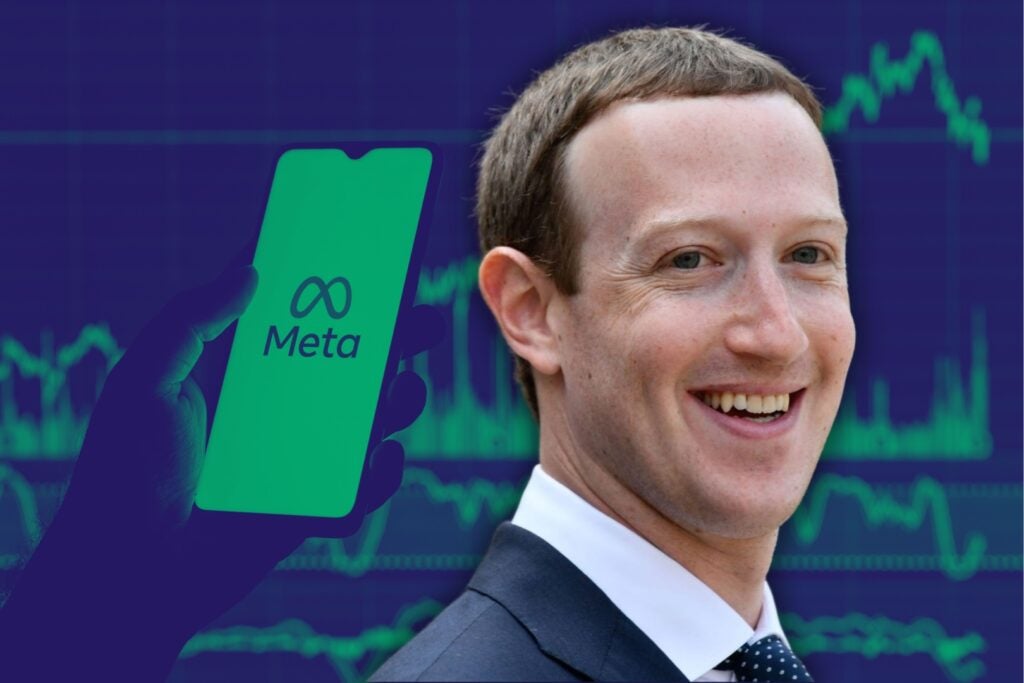
Meta Platforms Faces Regulatory Pressure and Investor Skepticism
- Stock Volatility: As of June 10, Meta's stock has dropped over 13%, primarily due to increasing regulatory issues and investor skepticism regarding spending on artificial intelligence, leading to diminished market confidence in its future performance.
- Strong Advertising Revenue: Despite challenges, Meta's advertising revenue exceeded $55 billion in Q1 2026, with total revenue reaching $56.3 billion, demonstrating the robust influence of its advertising platform, which reaches nearly half of the global population.
- Attractive Valuation: With a market cap exceeding $1 trillion, Meta's forward P/E ratio stands at just 18, and its PEG ratio is 0.82, indicating that its stock may be undervalued, making it appealing for long-term investors.
- AI Strategy Risks: Although Zuckerberg is committed to investing in AI infrastructure, skepticism regarding the justification of such expenditures has increased following the failure of the Metaverse initiatives, suggesting that the company may face greater regulatory and market pressures in the short term.
See More

SpaceX IPO Shows Tremendous Potential


- Successful SpaceX IPO: SpaceX's IPO was executed at a fixed price, with underwriters Goldman Sachs and Morgan Stanley ensuring nearly all investors profited, reflecting strong market confidence in its future growth potential.
- Substantial Contract Revenue: SpaceX has lucrative contracts with Google worth $920 million per month and Anthropic at $1.25 billion monthly, indicating its dominant position in the compute rental market and significant profitability.
- Starlink User Growth: With 12 million subscribers, Starlink is poised to attract more users if it can rapidly manufacture satellites and expand coverage, potentially threatening services like Netflix and further increasing its market share.
- Optimistic Future Outlook: As SpaceX's divisions continue to evolve, market sentiment remains bullish, especially with the potential inclusion in the Nasdaq 100, which could attract more capital inflows and drive stock prices higher.
See More

UK Banks Report 19% Surge in Fraud Losses Amid Calls for Action
- Surge in Fraud Losses: UK Finance reported that losses from authorized push payment (APP) fraud reached £576.4 million ($772.78 million) in 2022, marking a 19% increase from the previous year, highlighting the ongoing impact of technology-enabled scams since the COVID era.
- Review of Reimbursement Rules: New regulations effective October 2024 mandate banks and payment firms to reimburse victims for fraud losses up to £85,000, making the UK the only country with such a requirement, reflecting a strong emphasis on consumer protection.
- Evolving Social Engineering Tactics: Ruth Ray, director of economic crime at UK Finance, noted that fraudsters are increasingly sophisticated in their use of social engineering, particularly aided by AI, which broadens the pool of potential victims and underscores the urgent need for stronger responsibilities on online platforms.
- Record Investment Fraud: Losses from investment scams hit £221.5 million, the highest ever, driven by misleading advertisements on social media promising high returns, indicating a growing expectation for technology firms to enhance user protection measures.
See More

UK to Impose Social Media Restrictions for Under-16s

- Policy Shift: The UK is set to announce restrictions on social media for children under 16, potentially banning platforms deemed harmful to youth mental health, addressing parental concerns over excessive online time.
- Learning from Australia: Following Australia's lead in banning under-16s from social media last year, the UK government is tightening regulations on tech companies, reflecting a growing commitment to child health and safety that may influence future policies.
- Strong Public Feedback: The UK government received over 116,000 responses from parents, industry, and youth, with more than 83% of parents believing the risks of social media outweigh the benefits, and 90% supporting a minimum age of 16 for access, indicating a broad societal consensus on child protection.
- Cultural Dynamics Change: Culture and Media Minister Lisa Nandy noted that while some children may circumvent bans, it will alter their expectations regarding social media, significantly impacting cultural norms and reducing the presumption that young children should be in these online spaces.
See More

Tech Giants Commit $700 Billion to Capital Expenditures


- Capital Expenditure Surge: Microsoft, Amazon, Alphabet, Meta, and Oracle have committed to nearly $700 billion in capital expenditures for 2026, representing an 81% increase from the previous year, which will significantly enhance their competitiveness in the semiconductor market.
- ETF Competitive Landscape: The VanEck Semiconductor ETF (SMH), iShares Semiconductor ETF (SOXX), and Invesco PHLX Semiconductor ETF (SOXQ) share similar holdings, but differ in cost and concentration, with SMH outperforming the other two.
- Portfolio Analysis: SMH's top five holdings include Nvidia at 15.55% and TSMC at 9.78%, both of which are expected to be major capital expenditure spenders, likely driving long-term growth for the ETF.
- Cost vs. Performance: While the iShares Semiconductor ETF has nearly double the expense ratio of the Invesco PHLX Semiconductor ETF, its more balanced portfolio may provide better protection during market volatility, suggesting investors should choose ETFs based on their risk tolerance.
See More
Meta's Advertising Business Strong but Under Pressure
- Advertising Revenue Performance: In Q1 2026, Meta's advertising revenue surpassed $55 billion, with total revenue reaching $56.3 billion, demonstrating the strong influence of its advertising platform globally, despite regulatory pressures and skepticism regarding AI spending.
- Stock Price Volatility Reasons: As of June 10, Meta's stock has fallen over 13%, primarily due to regulatory issues and investor doubts about AI spending, although its market cap remains above $1 trillion with a forward P/E ratio of just 18, indicating potential undervaluation.
- Regulatory Challenges: The enforcement of the Digital Markets Act in Europe poses a threat to Meta's margins, particularly regarding changes in data policies and potential fines, which creates pressure on the company's short-term performance.
- Commitment to AI Strategy: Despite facing challenges, CEO Mark Zuckerberg is committed to investing in AI infrastructure, and while these capital expenditures may be hard to justify, a successful AI strategy could further enhance advertising business growth.
See More
Meta Platforms Faces Regulatory Pressure and Investor Skepticism
- Stock Volatility: As of June 10, Meta's stock has dropped over 13%, primarily due to increasing regulatory issues and investor skepticism regarding spending on artificial intelligence, leading to diminished market confidence in its future performance.
- Strong Advertising Revenue: Despite challenges, Meta's advertising revenue exceeded $55 billion in Q1 2026, with total revenue reaching $56.3 billion, demonstrating the robust influence of its advertising platform, which reaches nearly half of the global population.
- Attractive Valuation: With a market cap exceeding $1 trillion, Meta's forward P/E ratio stands at just 18, and its PEG ratio is 0.82, indicating that its stock may be undervalued, making it appealing for long-term investors.
- AI Strategy Risks: Although Zuckerberg is committed to investing in AI infrastructure, skepticism regarding the justification of such expenditures has increased following the failure of the Metaverse initiatives, suggesting that the company may face greater regulatory and market pressures in the short term.
See More
SpaceX IPO Shows Tremendous Potential
- Successful SpaceX IPO: SpaceX's IPO was executed at a fixed price, with underwriters Goldman Sachs and Morgan Stanley ensuring nearly all investors profited, reflecting strong market confidence in its future growth potential.
- Substantial Contract Revenue: SpaceX has lucrative contracts with Google worth $920 million per month and Anthropic at $1.25 billion monthly, indicating its dominant position in the compute rental market and significant profitability.
- Starlink User Growth: With 12 million subscribers, Starlink is poised to attract more users if it can rapidly manufacture satellites and expand coverage, potentially threatening services like Netflix and further increasing its market share.
- Optimistic Future Outlook: As SpaceX's divisions continue to evolve, market sentiment remains bullish, especially with the potential inclusion in the Nasdaq 100, which could attract more capital inflows and drive stock prices higher.
See More
UK Banks Report 19% Surge in Fraud Losses Amid Calls for Action
- Surge in Fraud Losses: UK Finance reported that losses from authorized push payment (APP) fraud reached £576.4 million ($772.78 million) in 2022, marking a 19% increase from the previous year, highlighting the ongoing impact of technology-enabled scams since the COVID era.
- Review of Reimbursement Rules: New regulations effective October 2024 mandate banks and payment firms to reimburse victims for fraud losses up to £85,000, making the UK the only country with such a requirement, reflecting a strong emphasis on consumer protection.
- Evolving Social Engineering Tactics: Ruth Ray, director of economic crime at UK Finance, noted that fraudsters are increasingly sophisticated in their use of social engineering, particularly aided by AI, which broadens the pool of potential victims and underscores the urgent need for stronger responsibilities on online platforms.
- Record Investment Fraud: Losses from investment scams hit £221.5 million, the highest ever, driven by misleading advertisements on social media promising high returns, indicating a growing expectation for technology firms to enhance user protection measures.
See More
UK to Impose Social Media Restrictions for Under-16s
- Policy Shift: The UK is set to announce restrictions on social media for children under 16, potentially banning platforms deemed harmful to youth mental health, addressing parental concerns over excessive online time.
- Learning from Australia: Following Australia's lead in banning under-16s from social media last year, the UK government is tightening regulations on tech companies, reflecting a growing commitment to child health and safety that may influence future policies.
- Strong Public Feedback: The UK government received over 116,000 responses from parents, industry, and youth, with more than 83% of parents believing the risks of social media outweigh the benefits, and 90% supporting a minimum age of 16 for access, indicating a broad societal consensus on child protection.
- Cultural Dynamics Change: Culture and Media Minister Lisa Nandy noted that while some children may circumvent bans, it will alter their expectations regarding social media, significantly impacting cultural norms and reducing the presumption that young children should be in these online spaces.
See More
Tech Giants Commit $700 Billion to Capital Expenditures
- Capital Expenditure Surge: Microsoft, Amazon, Alphabet, Meta, and Oracle have committed to nearly $700 billion in capital expenditures for 2026, representing an 81% increase from the previous year, which will significantly enhance their competitiveness in the semiconductor market.
- ETF Competitive Landscape: The VanEck Semiconductor ETF (SMH), iShares Semiconductor ETF (SOXX), and Invesco PHLX Semiconductor ETF (SOXQ) share similar holdings, but differ in cost and concentration, with SMH outperforming the other two.
- Portfolio Analysis: SMH's top five holdings include Nvidia at 15.55% and TSMC at 9.78%, both of which are expected to be major capital expenditure spenders, likely driving long-term growth for the ETF.
- Cost vs. Performance: While the iShares Semiconductor ETF has nearly double the expense ratio of the Invesco PHLX Semiconductor ETF, its more balanced portfolio may provide better protection during market volatility, suggesting investors should choose ETFs based on their risk tolerance.
See More