Uber's Stock Volatility and Long-Term Growth Potential
Written by Emily J. Thompson, Senior Investment Analyst
Updated: 3 hours ago
0mins
Should l Buy UBER?
Source: Fool
- Stock Volatility Analysis: Since peaking in October 2025, Uber's stock has dropped 31%, mirroring the overall weakness in the tech stock market; however, investors should focus on the potential long-term returns.
- Significant Investment Returns: Over the past 36 months, Uber's stock price has surged by 125%, meaning a $10,000 investment made in late March 2023 would now be worth $22,490, highlighting its strong growth potential.
- Robust Revenue Growth: Uber's revenue reached $52 billion in 2025, a 63% increase from 2022, driven by a 68% rise in gross bookings, showcasing the scalability of its business model and strong market demand.
- Expanding User Base: Uber's monthly active users have grown from 131 million to 202 million, creating a massive global ecosystem that further enhances the company's profitability and competitive position.
Trade with 70% Backtested Accuracy
Stop guessing "Should I Buy UBER?" and start using high-conviction signals backed by rigorous historical data.
Sign up today to access powerful investing tools and make smarter, data-driven decisions.
Analyst Views on UBER
Wall Street analysts forecast UBER stock price to rise
32 Analyst Rating
28 Buy
3 Hold
1 Sell
Strong Buy
Current: 70.550

Low
72.00
Averages
107.10
High
150.00
Current: 70.550
Low
72.00
Averages
107.10
High
150.00
About UBER
Uber Technologies, Inc. operates a technology platform that uses network and technology to power movement from point A to point B. It develops and operates technology applications supporting a variety of offerings on its platform (platform(s)). Its segments include Mobility, Delivery and Freight. Mobility products connect consumers with drivers who provide rides in a variety of vehicles, such as cars, auto rickshaws, motorbikes, minibuses, or taxis. Delivery offerings allow consumers to search for and discover local restaurants, order a meal, and either pick-up at the restaurant or have the meal delivered. In certain markets, the Delivery segment provides offerings for grocery, alcohol, and convenience store delivery as well as select other goods. The Freight segment connects carriers with shippers on its platform, and gives carriers upfront, pricing and the ability to book a shipment. The Freight segment also includes transportation management and other logistics service offerings.
About the author

Emily J. Thompson
Emily J. Thompson, a Chartered Financial Analyst (CFA) with 12 years in investment research, graduated with honors from the Wharton School. Specializing in industrial and technology stocks, she provides in-depth analysis for Intellectia’s earnings and market brief reports.

Uber Stock Shows Potential for Recovery Amidst Recent Declines

- Stock Return Analysis: Over the past 36 months, Uber's stock has surged 125%, meaning a $10,000 investment in late March 2023 would now be worth $22,490, showcasing strong long-term return potential despite a recent 31% decline.
- Significant Revenue Growth: Uber's revenue reached $52 billion in 2025, a 63% increase from 2022, primarily driven by a 68% rise in gross bookings, indicating robust performance in the global mobility and delivery market.
- User Base Expansion: Uber's monthly active users grew from 131 million to 202 million, creating a massive global ecosystem that further propels the company's growth and market penetration.
- Profitability Improvement: Uber transformed its operating loss into an operating income of $5.6 billion between 2022 and 2025, demonstrating the scalability of its business model and attracting potential investors with a reasonable forward price-to-earnings ratio of 22.3.
See More

2026 Economic Outlook and Uber Developments

- GDP Growth Slowdown: The GDP growth rate for Q1 2026 is only 0.7%, significantly lower than the previous estimate of 1.4%, indicating a sluggish economic recovery that may dampen investor confidence and negatively impact stock market performance.
- Rising Inflation Pressure: With inflation exceeding 3% in January, combined with slowing GDP growth, concerns about stagflation may arise, leading to reduced consumer spending and threatening corporate profitability.
- Surge in Oil Prices: West Texas Intermediate crude oil prices have surged from $57 on January 2 to $93, even exceeding $100 at times, increasing consumer energy expenditure pressure and potentially suppressing spending in other areas.
- Uber's Autonomous Driving Partnerships: Uber has recently formed partnerships with several companies, including Waymo and Lucid, indicating its proactive positioning in the autonomous driving sector, which may lay the groundwork for future market share growth.
See More

2026 Economic Outlook and Oil Price Fluctuations
- GDP Growth Slowdown: The GDP growth rate for Q1 2026 is only 0.7%, significantly lower than the previous estimate of 1.4%, indicating economic stagnation that may heighten investor concerns about future economic prospects.
- High Inflation Pressure: With inflation exceeding 3% in January, combined with low growth, market fears of stagflation are rising, which could negatively impact consumer spending and business investment decisions, further dragging down economic recovery.
- Surging Oil Prices Impact: As of the recording date, West Texas Intermediate crude oil prices have reached $93 per barrel, a significant increase from $57 on January 2, which may force consumers to cut back on other expenditures due to rising energy costs, affecting overall economic activity.
- Geopolitical Risks: The rise in oil prices is primarily driven by geopolitical conflicts rather than demand growth, particularly due to uncertainties surrounding Iran, which could lead to a more pessimistic economic outlook, necessitating close monitoring of related developments.
See More

2026 Economic Outlook and Uber Developments

- GDP Growth Slowdown: The GDP growth rate for Q4 2026 was reported at only 0.7%, significantly lower than the previous estimate of 1.4%, indicating a sharp economic slowdown that may heighten investor concerns about future economic prospects.
- Surging Oil Prices Impact: As of the recording date, West Texas Intermediate crude oil prices have surged from $57 per barrel on January 2 to $93, even exceeding $100 at times, placing increased pressure on consumer spending on energy and potentially curtailing other expenditures.
- Uber's Autonomous Driving Partnerships: Uber has recently formed partnerships with several companies, including Waymo, Lucid, and Nuro, indicating its proactive positioning in the autonomous driving sector, which could lay the groundwork for future market share growth.
- Adobe Executive Transition: The sudden retirement announcement of Adobe's CEO has raised concerns among investors despite the company's strong earnings report, potentially impacting investor confidence in its future direction.
See More

Uber's Stock Volatility and Long-Term Growth Potential
- Stock Volatility Analysis: Since peaking in October 2025, Uber's stock has dropped 31%, mirroring the overall weakness in the tech stock market; however, investors should focus on the potential long-term returns.
- Significant Investment Returns: Over the past 36 months, Uber's stock price has surged by 125%, meaning a $10,000 investment made in late March 2023 would now be worth $22,490, highlighting its strong growth potential.
- Robust Revenue Growth: Uber's revenue reached $52 billion in 2025, a 63% increase from 2022, driven by a 68% rise in gross bookings, showcasing the scalability of its business model and strong market demand.
- Expanding User Base: Uber's monthly active users have grown from 131 million to 202 million, creating a massive global ecosystem that further enhances the company's profitability and competitive position.
See More
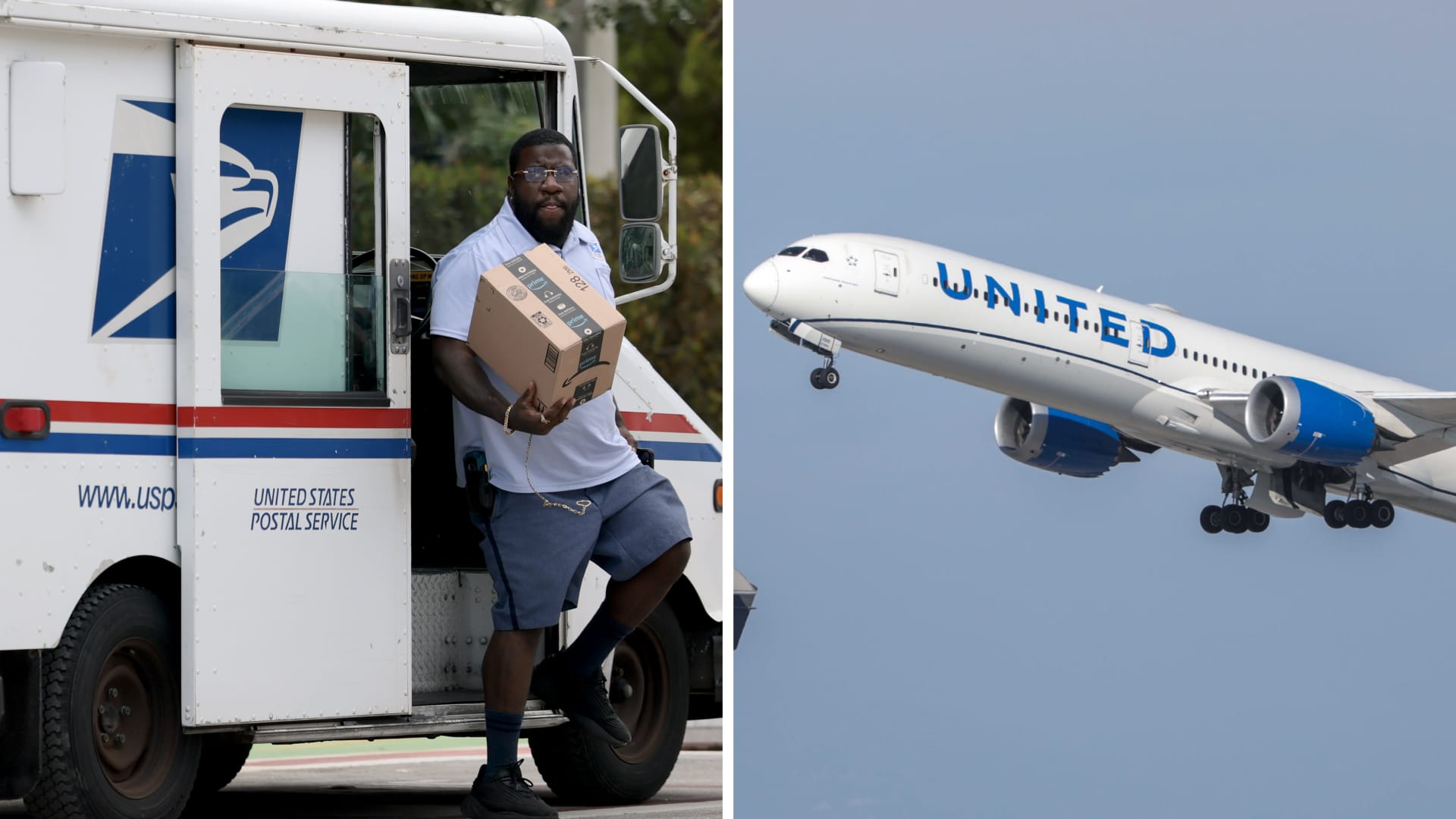
U.S. Consumers Face Economic Impact from Soaring Oil Prices


- Surging Oil Prices: The blockage of the Strait of Hormuz has caused Brent crude oil's May contract to surge over 55% in March, marking the largest monthly gain since 1998, leading to economic pressures on U.S. consumers in areas like travel and mail delivery.
- Postal Service Adjustments: The U.S. Postal Service plans to implement an 8% temporary fuel surcharge on packages and express mail starting in late April, lasting until 2027, to cover rising operational costs, although this measure requires regulatory approval.
- Airline Response: United Airlines intends to cut back on some lower-profit flights and anticipates oil prices reaching $175 per barrel, which could increase its fuel costs by $11 billion, more than double its previous highest profits, resulting in higher ticket prices for travelers.
- Declining Consumer Confidence: According to the University of Michigan's survey, the consumer confidence index fell nearly 6% in March to a historic low, indicating worsening economic expectations due to the war and rising inflation concerns among consumers.
See More
Uber Stock Shows Potential for Recovery Amidst Recent Declines
- Stock Return Analysis: Over the past 36 months, Uber's stock has surged 125%, meaning a $10,000 investment in late March 2023 would now be worth $22,490, showcasing strong long-term return potential despite a recent 31% decline.
- Significant Revenue Growth: Uber's revenue reached $52 billion in 2025, a 63% increase from 2022, primarily driven by a 68% rise in gross bookings, indicating robust performance in the global mobility and delivery market.
- User Base Expansion: Uber's monthly active users grew from 131 million to 202 million, creating a massive global ecosystem that further propels the company's growth and market penetration.
- Profitability Improvement: Uber transformed its operating loss into an operating income of $5.6 billion between 2022 and 2025, demonstrating the scalability of its business model and attracting potential investors with a reasonable forward price-to-earnings ratio of 22.3.
See More
2026 Economic Outlook and Uber Developments
- GDP Growth Slowdown: The GDP growth rate for Q1 2026 is only 0.7%, significantly lower than the previous estimate of 1.4%, indicating a sluggish economic recovery that may dampen investor confidence and negatively impact stock market performance.
- Rising Inflation Pressure: With inflation exceeding 3% in January, combined with slowing GDP growth, concerns about stagflation may arise, leading to reduced consumer spending and threatening corporate profitability.
- Surge in Oil Prices: West Texas Intermediate crude oil prices have surged from $57 on January 2 to $93, even exceeding $100 at times, increasing consumer energy expenditure pressure and potentially suppressing spending in other areas.
- Uber's Autonomous Driving Partnerships: Uber has recently formed partnerships with several companies, including Waymo and Lucid, indicating its proactive positioning in the autonomous driving sector, which may lay the groundwork for future market share growth.
See More
2026 Economic Outlook and Oil Price Fluctuations
- GDP Growth Slowdown: The GDP growth rate for Q1 2026 is only 0.7%, significantly lower than the previous estimate of 1.4%, indicating economic stagnation that may heighten investor concerns about future economic prospects.
- High Inflation Pressure: With inflation exceeding 3% in January, combined with low growth, market fears of stagflation are rising, which could negatively impact consumer spending and business investment decisions, further dragging down economic recovery.
- Surging Oil Prices Impact: As of the recording date, West Texas Intermediate crude oil prices have reached $93 per barrel, a significant increase from $57 on January 2, which may force consumers to cut back on other expenditures due to rising energy costs, affecting overall economic activity.
- Geopolitical Risks: The rise in oil prices is primarily driven by geopolitical conflicts rather than demand growth, particularly due to uncertainties surrounding Iran, which could lead to a more pessimistic economic outlook, necessitating close monitoring of related developments.
See More
2026 Economic Outlook and Uber Developments
- GDP Growth Slowdown: The GDP growth rate for Q4 2026 was reported at only 0.7%, significantly lower than the previous estimate of 1.4%, indicating a sharp economic slowdown that may heighten investor concerns about future economic prospects.
- Surging Oil Prices Impact: As of the recording date, West Texas Intermediate crude oil prices have surged from $57 per barrel on January 2 to $93, even exceeding $100 at times, placing increased pressure on consumer spending on energy and potentially curtailing other expenditures.
- Uber's Autonomous Driving Partnerships: Uber has recently formed partnerships with several companies, including Waymo, Lucid, and Nuro, indicating its proactive positioning in the autonomous driving sector, which could lay the groundwork for future market share growth.
- Adobe Executive Transition: The sudden retirement announcement of Adobe's CEO has raised concerns among investors despite the company's strong earnings report, potentially impacting investor confidence in its future direction.
See More
Uber's Stock Volatility and Long-Term Growth Potential
- Stock Volatility Analysis: Since peaking in October 2025, Uber's stock has dropped 31%, mirroring the overall weakness in the tech stock market; however, investors should focus on the potential long-term returns.
- Significant Investment Returns: Over the past 36 months, Uber's stock price has surged by 125%, meaning a $10,000 investment made in late March 2023 would now be worth $22,490, highlighting its strong growth potential.
- Robust Revenue Growth: Uber's revenue reached $52 billion in 2025, a 63% increase from 2022, driven by a 68% rise in gross bookings, showcasing the scalability of its business model and strong market demand.
- Expanding User Base: Uber's monthly active users have grown from 131 million to 202 million, creating a massive global ecosystem that further enhances the company's profitability and competitive position.
See More
U.S. Consumers Face Economic Impact from Soaring Oil Prices
- Surging Oil Prices: The blockage of the Strait of Hormuz has caused Brent crude oil's May contract to surge over 55% in March, marking the largest monthly gain since 1998, leading to economic pressures on U.S. consumers in areas like travel and mail delivery.
- Postal Service Adjustments: The U.S. Postal Service plans to implement an 8% temporary fuel surcharge on packages and express mail starting in late April, lasting until 2027, to cover rising operational costs, although this measure requires regulatory approval.
- Airline Response: United Airlines intends to cut back on some lower-profit flights and anticipates oil prices reaching $175 per barrel, which could increase its fuel costs by $11 billion, more than double its previous highest profits, resulting in higher ticket prices for travelers.
- Declining Consumer Confidence: According to the University of Michigan's survey, the consumer confidence index fell nearly 6% in March to a historic low, indicating worsening economic expectations due to the war and rising inflation concerns among consumers.
See More