Uber's Partnerships with Autonomous Vehicle Firms Enhance Competitive Edge
Written by Emily J. Thompson, Senior Investment Analyst
Updated: 1 hour ago
0mins

Should l Buy UBER?
Source: Fool
- Market Leadership: Uber has significantly outperformed broader equities over the past three years, with revenue, earnings, and free cash flow soaring, resulting in a market cap of $148 billion, showcasing its strong market leadership.
- Strategic Partnerships: By partnering with companies like Waymo and Rivian, Uber gains access to autonomous vehicle fleets without incurring high R&D costs, thereby reducing operational risks associated with self-driving technology.
- Brand Advantage: Uber's strong brand and user ecosystem provide partners with instant access to potential customers, enhancing its competitive edge in the autonomous vehicle market.
- Market Potential: Despite the threat from self-driving vehicles, Uber's user penetration in its most advanced markets is only 10%, offering significant growth opportunities, with expectations for higher margins and profitability in the future.
Trade with 70% Backtested Accuracy
Stop guessing "Should I Buy UBER?" and start using high-conviction signals backed by rigorous historical data.
Sign up today to access powerful investing tools and make smarter, data-driven decisions.
Analyst Views on UBER
Wall Street analysts forecast UBER stock price to rise
32 Analyst Rating
28 Buy
3 Hold
1 Sell
Strong Buy
Current: 71.840

Low
72.00
Averages
107.10
High
150.00
Current: 71.840
Low
72.00
Averages
107.10
High
150.00
About UBER
Uber Technologies, Inc. operates a technology platform that uses network and technology to power movement from point A to point B. It develops and operates technology applications supporting a variety of offerings on its platform (platform(s)). Its segments include Mobility, Delivery and Freight. Mobility products connect consumers with drivers who provide rides in a variety of vehicles, such as cars, auto rickshaws, motorbikes, minibuses, or taxis. Delivery offerings allow consumers to search for and discover local restaurants, order a meal, and either pick-up at the restaurant or have the meal delivered. In certain markets, the Delivery segment provides offerings for grocery, alcohol, and convenience store delivery as well as select other goods. The Freight segment connects carriers with shippers on its platform, and gives carriers upfront, pricing and the ability to book a shipment. The Freight segment also includes transportation management and other logistics service offerings.
About the author

Emily J. Thompson
Emily J. Thompson, a Chartered Financial Analyst (CFA) with 12 years in investment research, graduated with honors from the Wharton School. Specializing in industrial and technology stocks, she provides in-depth analysis for Intellectia’s earnings and market brief reports.

Uber's Partnerships with Autonomous Vehicle Firms Enhance Competitive Edge


- Market Leadership: Uber has significantly outperformed broader equities over the past three years, with revenue, earnings, and free cash flow soaring, resulting in a market cap of $148 billion, showcasing its strong market leadership.
- Strategic Partnerships: By partnering with companies like Waymo and Rivian, Uber gains access to autonomous vehicle fleets without incurring high R&D costs, thereby reducing operational risks associated with self-driving technology.
- Brand Advantage: Uber's strong brand and user ecosystem provide partners with instant access to potential customers, enhancing its competitive edge in the autonomous vehicle market.
- Market Potential: Despite the threat from self-driving vehicles, Uber's user penetration in its most advanced markets is only 10%, offering significant growth opportunities, with expectations for higher margins and profitability in the future.
See More

Uber Abandons Self-Driving Car Development Strategy
- Strategic Shift: Uber has opted not to develop its own self-driving cars, instead leveraging partnerships with companies like Waymo and Rivian to utilize existing technology, thereby avoiding high capital expenditures and potential profit losses associated with autonomous vehicle development.
- Market Leadership: Despite facing threats from self-driving competitors, Uber has seen significant growth in revenue, earnings, and free cash flow over the past three years, with its stock performance significantly outpacing broader equities, demonstrating its strong competitive position in the ride-hailing market.
- User Base Advantage: Uber's brand and user ecosystem provide a robust market access point for its partnerships with autonomous vehicle companies, allowing partners to quickly reach potential customers, thereby enhancing Uber's market share.
- Future Growth Potential: With only about 10% of adults in its most advanced markets using its services monthly, Uber has substantial market space to grow, and it aims to achieve sustainable growth by reducing costs and increasing profit margins in the long run.
See More

Piper Sandler Warns Investors to Avoid These Stocks

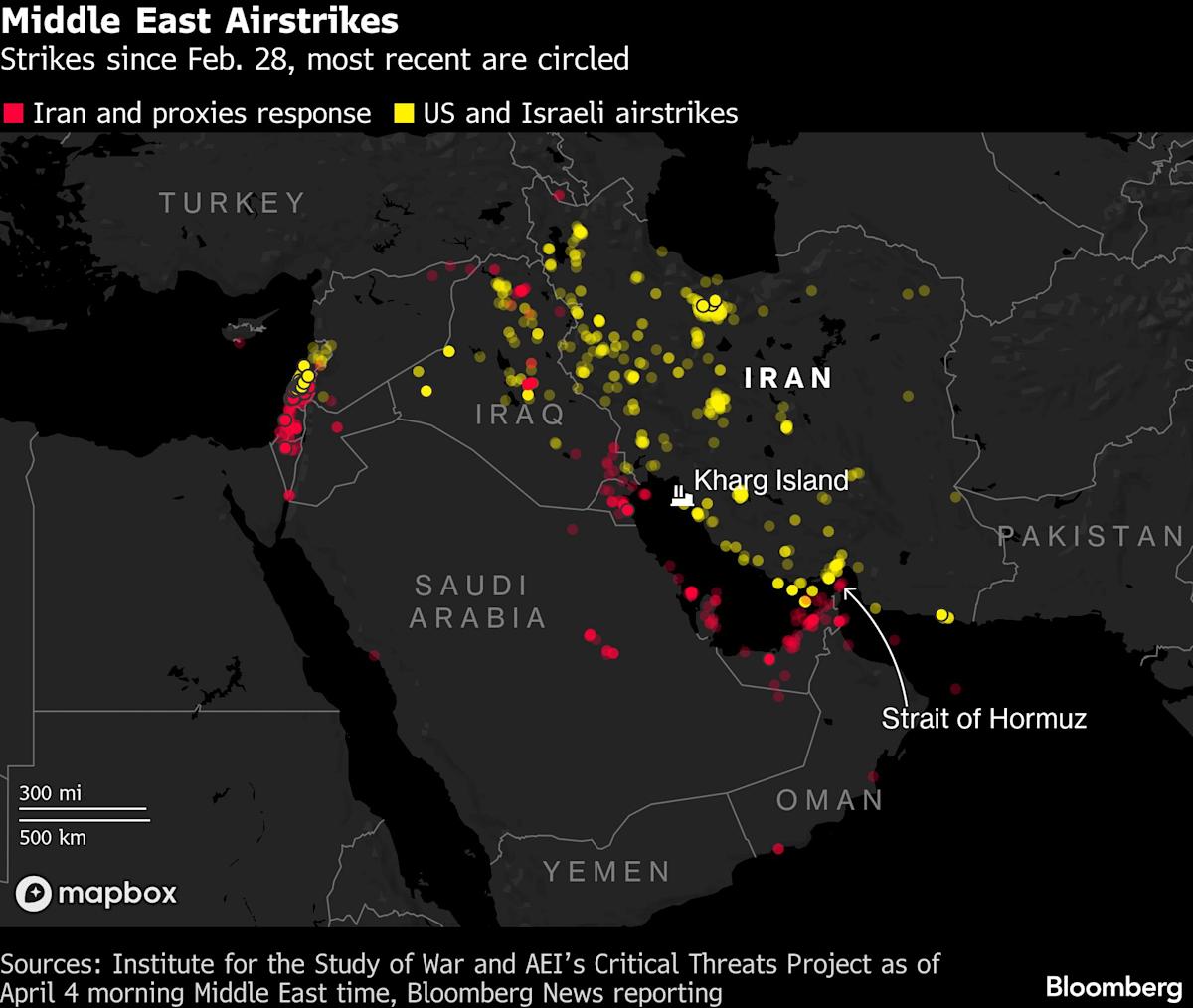
- Market Performance Analysis: Piper Sandler highlights that while energy stocks have surged due to the war with Iran, with the State Street Energy Select Sector SPDR ETF (XLE) up 33% year-to-date, the S&P 500 Index has declined by 3.8%, indicating market uncertainty.
- Cushman & Wakefield Risks: Real estate services firm Cushman & Wakefield has seen its stock drop 23% year-to-date, viewed as a potential victim of AI impacts, yet 7 out of 11 analysts rate it a strong buy or buy, with an average price target suggesting nearly 43% upside.
- Uber Investment Challenges: Uber is flagged as a potential underperformer; despite a $1.25 billion deal with Rivian to deploy 50,000 self-driving cars, its shares have fallen 12% in 2026, reflecting market concerns about its future performance.
- Aramark's Outlook: Despite risks, Aramark's stock is up 15% year-to-date, with JPMorgan listing it as a favorite, and analysts predict an average gain of over 10% based on consensus price targets, indicating strong market confidence.
See More

Stock Markets Start Weak, Presenting Buying Opportunities


- Weak Market Performance: Afternoon stock prices from April 1, 2026, indicate that stock markets are starting the year on a weak note, leading investors to feel cautious about future market trends, which could impact short-term investment decisions.
- Emerging Investment Opportunities: Despite the market weakness, this situation creates attractive buying opportunities for investors, particularly value investors who may seek undervalued stocks for long-term gains in a sluggish market environment.
- Market Sentiment Analysis: Current market sentiment reflects concerns over economic recovery, prompting investors to potentially reassess their portfolios in the coming weeks to navigate potential market volatility and uncertainty.
- Need for Strategic Adjustments: In this market environment, investors must consider adjusting their investment strategies to quickly capitalize on opportunities when the stock market rebounds, ensuring maximum returns during future recoveries.
See More

Stock Market Dip Creates Buying Opportunity for Investors
- Market Dip Opportunity: The stock market's sluggish start in 2026 presents an attractive buying opportunity for investors, particularly in the tech sector, which may draw increased capital inflows.
- AI and Trillionaires: A recent report suggests that AI could create the world's first trillionaire, indicating significant future potential and investment value in the tech industry, especially for companies linked to Nvidia and Intel.
- Investment Recommendations: The Motley Fool's analyst team has identified 10 top stocks for investors, notably excluding Microsoft, which reflects a shift in market preference towards other tech stocks that could impact Microsoft's investment appeal.
- Historical Returns Comparison: Stock Advisor boasts an average return of 926%, significantly outperforming the S&P 500's 185%, indicating that its recommended stocks have substantial long-term excess return potential.
See More

Joby Aviation Plans Certification and Operations in 2026

- Market Risk Assessment: Joby Aviation's stock declined by 17.9% in March, mirroring Archer Aviation's 27.4% drop, indicating the vulnerability of high-risk assets during market turmoil, although recent events have somewhat mitigated this risk.
- Geopolitical Impact: The ongoing conflict in the Persian Gulf poses uncertainty for Joby's partnership with Uber for air taxi services in Dubai, potentially delaying operations in the UAE and affecting the company's market expansion strategy.
- Policy Support Opportunity: Joby has been selected as a partner in multiple winning applications under the White House-backed Electric Vertical Takeoff and Landing (eVTOL) Integration Pilot Program, with plans to potentially begin operations in 10 states, including Florida, New York, and Texas, highlighting the potential for policy support.
- Flight Testing Progress: In mid-March, Joby began flight testing FAA-conforming aircraft for Type Inspection Authorization (TIA), paving the way for commercial deployment ahead of FAA certification, which is crucial for the company's growth trajectory.
See More
Uber's Partnerships with Autonomous Vehicle Firms Enhance Competitive Edge
- Market Leadership: Uber has significantly outperformed broader equities over the past three years, with revenue, earnings, and free cash flow soaring, resulting in a market cap of $148 billion, showcasing its strong market leadership.
- Strategic Partnerships: By partnering with companies like Waymo and Rivian, Uber gains access to autonomous vehicle fleets without incurring high R&D costs, thereby reducing operational risks associated with self-driving technology.
- Brand Advantage: Uber's strong brand and user ecosystem provide partners with instant access to potential customers, enhancing its competitive edge in the autonomous vehicle market.
- Market Potential: Despite the threat from self-driving vehicles, Uber's user penetration in its most advanced markets is only 10%, offering significant growth opportunities, with expectations for higher margins and profitability in the future.
See More
Uber Abandons Self-Driving Car Development Strategy
- Strategic Shift: Uber has opted not to develop its own self-driving cars, instead leveraging partnerships with companies like Waymo and Rivian to utilize existing technology, thereby avoiding high capital expenditures and potential profit losses associated with autonomous vehicle development.
- Market Leadership: Despite facing threats from self-driving competitors, Uber has seen significant growth in revenue, earnings, and free cash flow over the past three years, with its stock performance significantly outpacing broader equities, demonstrating its strong competitive position in the ride-hailing market.
- User Base Advantage: Uber's brand and user ecosystem provide a robust market access point for its partnerships with autonomous vehicle companies, allowing partners to quickly reach potential customers, thereby enhancing Uber's market share.
- Future Growth Potential: With only about 10% of adults in its most advanced markets using its services monthly, Uber has substantial market space to grow, and it aims to achieve sustainable growth by reducing costs and increasing profit margins in the long run.
See More
Piper Sandler Warns Investors to Avoid These Stocks
- Market Performance Analysis: Piper Sandler highlights that while energy stocks have surged due to the war with Iran, with the State Street Energy Select Sector SPDR ETF (XLE) up 33% year-to-date, the S&P 500 Index has declined by 3.8%, indicating market uncertainty.
- Cushman & Wakefield Risks: Real estate services firm Cushman & Wakefield has seen its stock drop 23% year-to-date, viewed as a potential victim of AI impacts, yet 7 out of 11 analysts rate it a strong buy or buy, with an average price target suggesting nearly 43% upside.
- Uber Investment Challenges: Uber is flagged as a potential underperformer; despite a $1.25 billion deal with Rivian to deploy 50,000 self-driving cars, its shares have fallen 12% in 2026, reflecting market concerns about its future performance.
- Aramark's Outlook: Despite risks, Aramark's stock is up 15% year-to-date, with JPMorgan listing it as a favorite, and analysts predict an average gain of over 10% based on consensus price targets, indicating strong market confidence.
See More
Stock Markets Start Weak, Presenting Buying Opportunities
- Weak Market Performance: Afternoon stock prices from April 1, 2026, indicate that stock markets are starting the year on a weak note, leading investors to feel cautious about future market trends, which could impact short-term investment decisions.
- Emerging Investment Opportunities: Despite the market weakness, this situation creates attractive buying opportunities for investors, particularly value investors who may seek undervalued stocks for long-term gains in a sluggish market environment.
- Market Sentiment Analysis: Current market sentiment reflects concerns over economic recovery, prompting investors to potentially reassess their portfolios in the coming weeks to navigate potential market volatility and uncertainty.
- Need for Strategic Adjustments: In this market environment, investors must consider adjusting their investment strategies to quickly capitalize on opportunities when the stock market rebounds, ensuring maximum returns during future recoveries.
See More
Stock Market Dip Creates Buying Opportunity for Investors
- Market Dip Opportunity: The stock market's sluggish start in 2026 presents an attractive buying opportunity for investors, particularly in the tech sector, which may draw increased capital inflows.
- AI and Trillionaires: A recent report suggests that AI could create the world's first trillionaire, indicating significant future potential and investment value in the tech industry, especially for companies linked to Nvidia and Intel.
- Investment Recommendations: The Motley Fool's analyst team has identified 10 top stocks for investors, notably excluding Microsoft, which reflects a shift in market preference towards other tech stocks that could impact Microsoft's investment appeal.
- Historical Returns Comparison: Stock Advisor boasts an average return of 926%, significantly outperforming the S&P 500's 185%, indicating that its recommended stocks have substantial long-term excess return potential.
See More
Joby Aviation Plans Certification and Operations in 2026
- Market Risk Assessment: Joby Aviation's stock declined by 17.9% in March, mirroring Archer Aviation's 27.4% drop, indicating the vulnerability of high-risk assets during market turmoil, although recent events have somewhat mitigated this risk.
- Geopolitical Impact: The ongoing conflict in the Persian Gulf poses uncertainty for Joby's partnership with Uber for air taxi services in Dubai, potentially delaying operations in the UAE and affecting the company's market expansion strategy.
- Policy Support Opportunity: Joby has been selected as a partner in multiple winning applications under the White House-backed Electric Vertical Takeoff and Landing (eVTOL) Integration Pilot Program, with plans to potentially begin operations in 10 states, including Florida, New York, and Texas, highlighting the potential for policy support.
- Flight Testing Progress: In mid-March, Joby began flight testing FAA-conforming aircraft for Type Inspection Authorization (TIA), paving the way for commercial deployment ahead of FAA certification, which is crucial for the company's growth trajectory.
See More