Uber Rapidly Grows Paying Subscribers
Written by Emily J. Thompson, Senior Investment Analyst
Updated: 55 minutes ago
0mins
Should l Buy UBER?
Source: Fool
- User Growth Momentum: Uber's stock price rose by 0.70% on the afternoon of May 9, 2026, indicating strong momentum in attracting paying subscribers, which suggests the sustainability of its business model and increasing market demand.
- Positive Market Reaction: The rapid increase in paying subscribers led to a positive market reaction reflected in Uber's stock price following the video published on May 11, indicating investor confidence in the company's future growth potential.
- Effective Strategic Adjustments: By optimizing services and launching new features, Uber successfully attracted more users to switch to paid subscriptions, further solidifying its leadership position in the ride-sharing market.
- Long-term Growth Prospects: The increase in paying subscribers not only enhances the company's revenue streams but also provides funding support for future expansion and innovation, demonstrating Uber's potential for sustained growth in a competitive market.
Trade with 70% Backtested Accuracy
Stop guessing "Should I Buy UBER?" and start using high-conviction signals backed by rigorous historical data.
Sign up today to access powerful investing tools and make smarter, data-driven decisions.
Analyst Views on UBER
Wall Street analysts forecast UBER stock price to rise
32 Analyst Rating
28 Buy
3 Hold
1 Sell
Strong Buy
Current: 76.150

Low
72.00
Averages
107.10
High
150.00
Current: 76.150
Low
72.00
Averages
107.10
High
150.00
About UBER
Uber Technologies, Inc. operates a technology platform that uses network and technology to power movement from point A to point B. It develops and operates technology applications supporting a variety of offerings on its platform (platform(s)). Its segments include Mobility, Delivery and Freight. Mobility products connect consumers with drivers who provide rides in a variety of vehicles, such as cars, auto rickshaws, motorbikes, minibuses, or taxis. Delivery offerings allow consumers to search for and discover local restaurants, order a meal, and either pick-up at the restaurant or have the meal delivered. In certain markets, the Delivery segment provides offerings for grocery, alcohol, and convenience store delivery as well as select other goods. The Freight segment connects carriers with shippers on its platform, and gives carriers upfront, pricing and the ability to book a shipment. The Freight segment also includes transportation management and other logistics service offerings.
About the author

Emily J. Thompson
Emily J. Thompson, a Chartered Financial Analyst (CFA) with 12 years in investment research, graduated with honors from the Wharton School. Specializing in industrial and technology stocks, she provides in-depth analysis for Intellectia’s earnings and market brief reports.
Uber's Investment Growth Fuels Profit Increase

- Investment Impact: Fox Advisors noted that a higher rate of investment over the past year is set to contribute more consistently to profit growth, indicating an enhancement in the company's competitive position in the market.
- Strong Market Performance: Uber's first-quarter revenue climbed 14% year-over-year to $13.2 billion, slightly missing estimates, yet gross bookings surged 25% to $53.7 billion, reflecting robust demand in both mobility and delivery segments.
- Significant Membership Growth: Uber One memberships now account for half of all mobility and food bookings, with monthly active users growing 17% year-over-year, which enhances the network effect and keeps demand engaged.
- Optimistic Analyst Ratings: Of the 53 analysts covering Uber, 45 rated it ‘Buy’ or higher, with a 12-month average price target of $105.01, suggesting nearly 39% potential upside from the last closing price.
See More

Uber Rapidly Grows Paying Subscribers
- User Growth Momentum: Uber's stock price rose by 0.70% on the afternoon of May 9, 2026, indicating strong momentum in attracting paying subscribers, which suggests the sustainability of its business model and increasing market demand.
- Positive Market Reaction: The rapid increase in paying subscribers led to a positive market reaction reflected in Uber's stock price following the video published on May 11, indicating investor confidence in the company's future growth potential.
- Effective Strategic Adjustments: By optimizing services and launching new features, Uber successfully attracted more users to switch to paid subscriptions, further solidifying its leadership position in the ride-sharing market.
- Long-term Growth Prospects: The increase in paying subscribers not only enhances the company's revenue streams but also provides funding support for future expansion and innovation, demonstrating Uber's potential for sustained growth in a competitive market.
See More
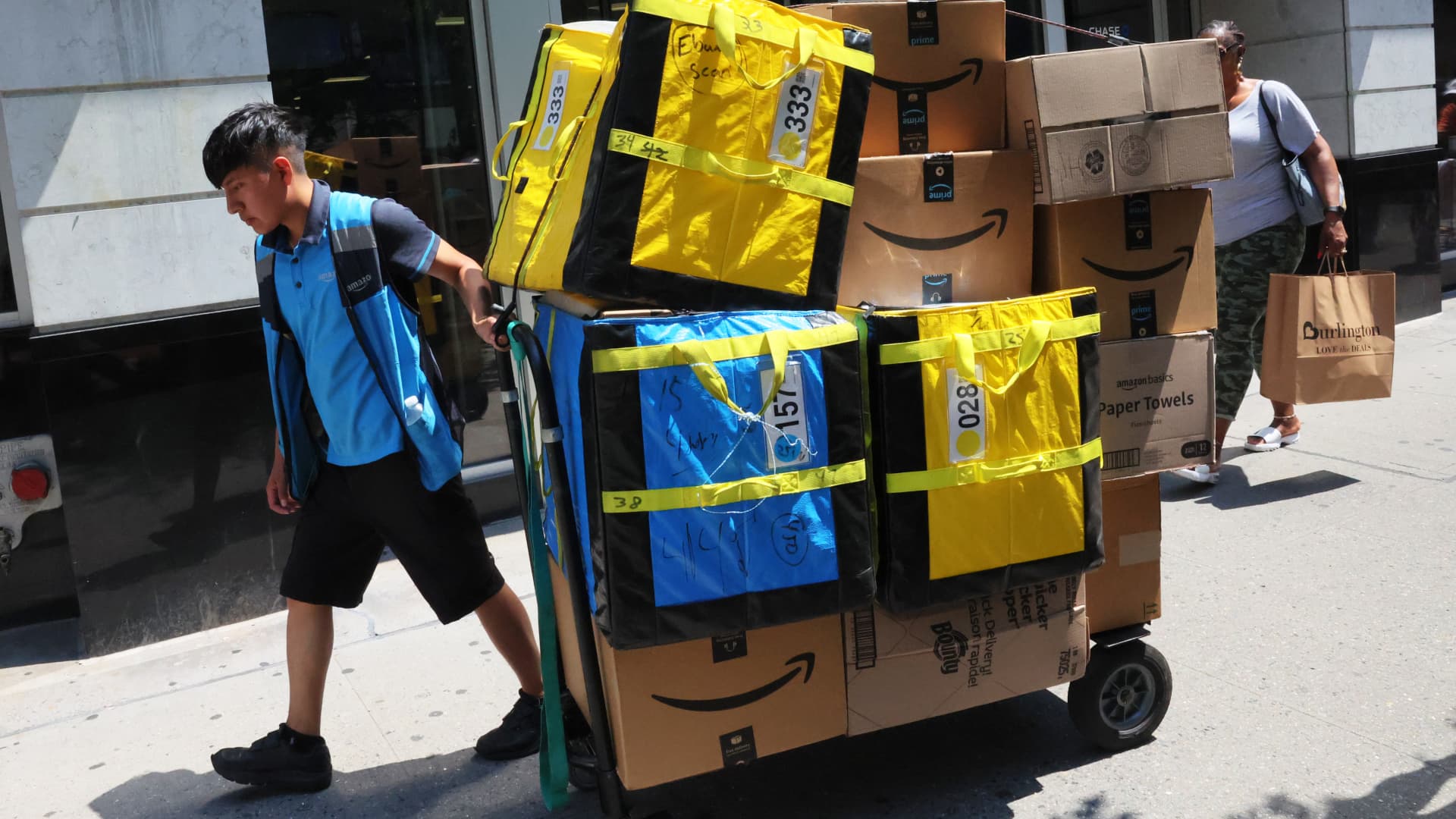
Amazon Launches Ultra-Fast Delivery Service

- Ultra-Fast Delivery Expansion: Amazon announced the rollout of its 'Amazon Now' service across multiple U.S. cities, aiming to deliver packages in 30 minutes or less, with plans to reach tens of millions of customers by year-end, significantly enhancing customer satisfaction and competitive positioning.
- International Market Strategy: The service has already achieved 15-minute delivery in Brazil, Mexico, India, and the UAE, showcasing Amazon's ambition in the global quick commerce sector and further solidifying its leadership in the e-commerce market.
- Innovative Delivery Model: Amazon utilizes micro-fulfillment centers ranging from 5,000 to 10,000 square feet for deliveries, these 'dark stores' are strategically located near customers, enabling rapid response to demand, improving delivery efficiency, and reducing operational costs.
- Transparent Fee Structure: Prime members will pay a $3.99 fee for the service, while non-members face a $13.99 delivery fee plus an additional $3.99 for orders under $15, providing a clear pricing structure that may attract more users to Amazon's rapid delivery options.
See More

Amazon Launches 30-Minute Delivery Service Across U.S.

- Rapid Delivery Expansion: Amazon announced the launch of its 30-minute delivery service in dozens of U.S. cities, with plans to reach tens of millions of customers by year-end, significantly enhancing customer experience and strengthening market competitiveness.
- Micro-Fulfillment Centers: The service relies on newly established micro-fulfillment centers, referred to as 'dark stores,' which range from 5,000 to 10,000 square feet and can stock thousands of items, thereby reducing delivery times.
- Flexible Delivery Model: Amazon utilizes its network of Flex drivers for deliveries, allowing drivers to choose their working hours flexibly, and may explore other transportation modes in the future to meet regional demands, further improving delivery efficiency.
- Membership Fee Structure: Prime members pay a delivery fee of $3.99 per order, while non-members incur a $13.99 delivery fee plus an additional $3.99 for orders under $15, a pricing strategy aimed at attracting more users to join Prime membership.
See More
Tesla's Robotaxi Service Faces Significant Challenges

- Testing Phase Issues: Tesla's robotaxi service launched in Dallas and Houston is still in beta testing, with users experiencing wait times of nearly two hours for what typically is a 20-minute trip, indicating a pressing need for improvements in service availability and efficiency.
- High Demand vs. Low Supply: During peak demand periods, the Tesla app frequently displays messages of “high service demand” or “no rides available nearby,” contrasting sharply with Uber's 8-minute wait time, highlighting Tesla's competitive disadvantages in the market.
- Inconvenient Drop-off Locations: Passengers in Dallas are often dropped off 15 minutes away from their intended destinations, with multiple instances of the vehicle failing to make correct turns, showcasing the technology's immaturity and potential negative impact on user experience and company reputation.
- Regulatory and Safety Concerns: While Tesla's robotaxis in Austin have not been involved in major accidents, there have been 15 minor incident reports, and vehicles are noted for exceeding speed limits, reflecting challenges in safety and compliance that could hinder future market expansion.
See More

Uber Gains Millions of New Customers Amid Market Doubts
- Customer Growth Momentum: Despite widespread market expectations of impending bankruptcy, Uber has successfully attracted millions of new customers, demonstrating its resilience and appeal in a highly competitive ride-hailing market.
- Challenging Market Expectations: While the market holds a pessimistic view of Uber's future, the company has countered this through innovative services and marketing strategies, thereby expanding its user base and indicating the potential sustainability of its business model.
- Stock Price Fluctuations: As of the afternoon of May 8, 2026, Uber's stock price experienced a slight increase, reflecting investors' mixed emotions about the company's future, despite the overall negative market sentiment.
- Strategic Reevaluation Necessity: The contradiction between Uber's customer growth and market expectations necessitates a reassessment of its strategic direction to ensure competitiveness and profitability in an uncertain market environment.
See More
Uber's Investment Growth Fuels Profit Increase
- Investment Impact: Fox Advisors noted that a higher rate of investment over the past year is set to contribute more consistently to profit growth, indicating an enhancement in the company's competitive position in the market.
- Strong Market Performance: Uber's first-quarter revenue climbed 14% year-over-year to $13.2 billion, slightly missing estimates, yet gross bookings surged 25% to $53.7 billion, reflecting robust demand in both mobility and delivery segments.
- Significant Membership Growth: Uber One memberships now account for half of all mobility and food bookings, with monthly active users growing 17% year-over-year, which enhances the network effect and keeps demand engaged.
- Optimistic Analyst Ratings: Of the 53 analysts covering Uber, 45 rated it ‘Buy’ or higher, with a 12-month average price target of $105.01, suggesting nearly 39% potential upside from the last closing price.
See More
Uber Rapidly Grows Paying Subscribers
- User Growth Momentum: Uber's stock price rose by 0.70% on the afternoon of May 9, 2026, indicating strong momentum in attracting paying subscribers, which suggests the sustainability of its business model and increasing market demand.
- Positive Market Reaction: The rapid increase in paying subscribers led to a positive market reaction reflected in Uber's stock price following the video published on May 11, indicating investor confidence in the company's future growth potential.
- Effective Strategic Adjustments: By optimizing services and launching new features, Uber successfully attracted more users to switch to paid subscriptions, further solidifying its leadership position in the ride-sharing market.
- Long-term Growth Prospects: The increase in paying subscribers not only enhances the company's revenue streams but also provides funding support for future expansion and innovation, demonstrating Uber's potential for sustained growth in a competitive market.
See More
Amazon Launches Ultra-Fast Delivery Service
- Ultra-Fast Delivery Expansion: Amazon announced the rollout of its 'Amazon Now' service across multiple U.S. cities, aiming to deliver packages in 30 minutes or less, with plans to reach tens of millions of customers by year-end, significantly enhancing customer satisfaction and competitive positioning.
- International Market Strategy: The service has already achieved 15-minute delivery in Brazil, Mexico, India, and the UAE, showcasing Amazon's ambition in the global quick commerce sector and further solidifying its leadership in the e-commerce market.
- Innovative Delivery Model: Amazon utilizes micro-fulfillment centers ranging from 5,000 to 10,000 square feet for deliveries, these 'dark stores' are strategically located near customers, enabling rapid response to demand, improving delivery efficiency, and reducing operational costs.
- Transparent Fee Structure: Prime members will pay a $3.99 fee for the service, while non-members face a $13.99 delivery fee plus an additional $3.99 for orders under $15, providing a clear pricing structure that may attract more users to Amazon's rapid delivery options.
See More
Amazon Launches 30-Minute Delivery Service Across U.S.
- Rapid Delivery Expansion: Amazon announced the launch of its 30-minute delivery service in dozens of U.S. cities, with plans to reach tens of millions of customers by year-end, significantly enhancing customer experience and strengthening market competitiveness.
- Micro-Fulfillment Centers: The service relies on newly established micro-fulfillment centers, referred to as 'dark stores,' which range from 5,000 to 10,000 square feet and can stock thousands of items, thereby reducing delivery times.
- Flexible Delivery Model: Amazon utilizes its network of Flex drivers for deliveries, allowing drivers to choose their working hours flexibly, and may explore other transportation modes in the future to meet regional demands, further improving delivery efficiency.
- Membership Fee Structure: Prime members pay a delivery fee of $3.99 per order, while non-members incur a $13.99 delivery fee plus an additional $3.99 for orders under $15, a pricing strategy aimed at attracting more users to join Prime membership.
See More
Tesla's Robotaxi Service Faces Significant Challenges
- Testing Phase Issues: Tesla's robotaxi service launched in Dallas and Houston is still in beta testing, with users experiencing wait times of nearly two hours for what typically is a 20-minute trip, indicating a pressing need for improvements in service availability and efficiency.
- High Demand vs. Low Supply: During peak demand periods, the Tesla app frequently displays messages of “high service demand” or “no rides available nearby,” contrasting sharply with Uber's 8-minute wait time, highlighting Tesla's competitive disadvantages in the market.
- Inconvenient Drop-off Locations: Passengers in Dallas are often dropped off 15 minutes away from their intended destinations, with multiple instances of the vehicle failing to make correct turns, showcasing the technology's immaturity and potential negative impact on user experience and company reputation.
- Regulatory and Safety Concerns: While Tesla's robotaxis in Austin have not been involved in major accidents, there have been 15 minor incident reports, and vehicles are noted for exceeding speed limits, reflecting challenges in safety and compliance that could hinder future market expansion.
See More
Uber Gains Millions of New Customers Amid Market Doubts
- Customer Growth Momentum: Despite widespread market expectations of impending bankruptcy, Uber has successfully attracted millions of new customers, demonstrating its resilience and appeal in a highly competitive ride-hailing market.
- Challenging Market Expectations: While the market holds a pessimistic view of Uber's future, the company has countered this through innovative services and marketing strategies, thereby expanding its user base and indicating the potential sustainability of its business model.
- Stock Price Fluctuations: As of the afternoon of May 8, 2026, Uber's stock price experienced a slight increase, reflecting investors' mixed emotions about the company's future, despite the overall negative market sentiment.
- Strategic Reevaluation Necessity: The contradiction between Uber's customer growth and market expectations necessitates a reassessment of its strategic direction to ensure competitiveness and profitability in an uncertain market environment.
See More