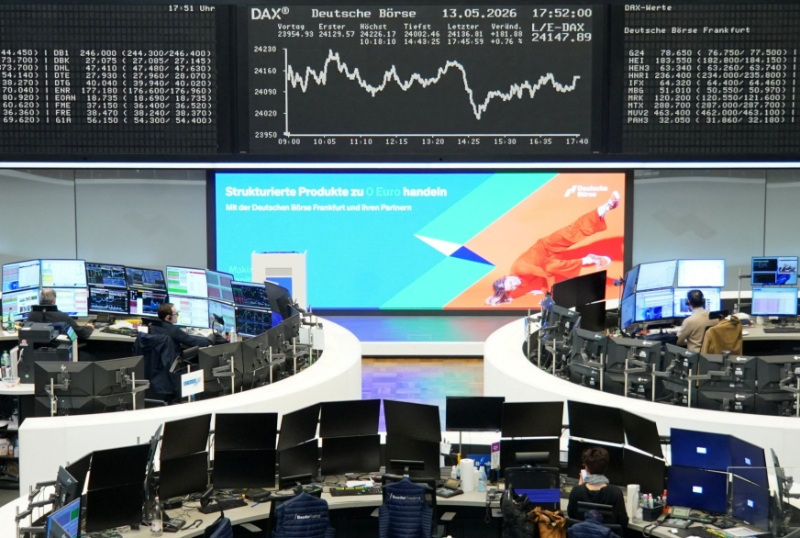
Uber Partners with Nvidia to Broaden Revenue Streams
Written by Emily J. Thompson, Senior Investment Analyst
Updated: 5 days ago
0mins

Should l Buy UBER?
Source: Fool
- Autonomous Driving Partnership: Uber has formed a multi-year partnership with Nvidia for autonomous vehicles, expecting to have 100,000 self-driving cars on the road by 2027, which will further solidify its leadership in the global market and enhance future revenue potential.
- Financial Performance Comparison: For the quarter ending March 2026, Uber reported an EBIT margin of approximately 15%, while Lyft's net income margin was only 1%, highlighting Uber's significant advantage in profitability and market share, reflecting a stronger business model.
- International Expansion Strategy: Since 2011, Uber has aggressively expanded internationally, while Lyft has focused on the North American market; Lyft's 2026 acquisition of a London black cab business indicates its desire to boost international sales, yet the revenue gap with Uber remains substantial.
- Future Growth Potential: By establishing partnerships with multiple autonomous vehicle companies, Uber has enhanced its global influence in this emerging field, indicating a favorable position for future technological innovation and market competition, potentially making it a more attractive long-term investment choice.
Trade with 70% Backtested Accuracy
Stop guessing "Should I Buy UBER?" and start using high-conviction signals backed by rigorous historical data.
Sign up today to access powerful investing tools and make smarter, data-driven decisions.
Analyst Views on UBER
Wall Street analysts forecast UBER stock price to rise
32 Analyst Rating
28 Buy
3 Hold
1 Sell
Strong Buy
Current: 74.690

Low
72.00
Averages
107.10
High
150.00
Current: 74.690
Low
72.00
Averages
107.10
High
150.00
About UBER
Uber Technologies, Inc. operates a technology platform that uses network and technology to power movement from point A to point B. It develops and operates technology applications supporting a variety of offerings on its platform (platform(s)). Its segments include Mobility, Delivery and Freight. Mobility products connect consumers with drivers who provide rides in a variety of vehicles, such as cars, auto rickshaws, motorbikes, minibuses, or taxis. Delivery offerings allow consumers to search for and discover local restaurants, order a meal, and either pick-up at the restaurant or have the meal delivered. In certain markets, the Delivery segment provides offerings for grocery, alcohol, and convenience store delivery as well as select other goods. The Freight segment connects carriers with shippers on its platform, and gives carriers upfront, pricing and the ability to book a shipment. The Freight segment also includes transportation management and other logistics service offerings.
About the author

Emily J. Thompson
Emily J. Thompson, a Chartered Financial Analyst (CFA) with 12 years in investment research, graduated with honors from the Wharton School. Specializing in industrial and technology stocks, she provides in-depth analysis for Intellectia’s earnings and market brief reports.

Lime Prepares for IPO, Uber Set to Benefit

- IPO Plans: Lime is set to go public with an S-1 filing to the U.S. SEC, planning to list under the ticker LIME, marking a significant step in the electric scooter and e-bike markets.
- Uber's Investment Returns: Uber invested $335 million in 2018 and $170 million in 2020 in Lime, with 14.3% of Uber's revenue coming from Lime, indicating a strong partnership where Uber stands to benefit from Lime's success.
- Market Growth Potential: The global electric scooter market is projected to grow from $21.4 billion in 2025 to $62.7 billion by 2034, while the e-bike market is expected to rise from $57.5 billion to $193.2 billion, positioning Lime favorably in these expanding markets.
- Financial Risk Warning: Despite Lime's revenue growth from $686.6 million in 2024 to $886.7 million in 2025, the company faces a $675.8 million loan repayment pressure, raising significant doubts about its ability to continue as a going concern, which could impact the IPO's success.
See More
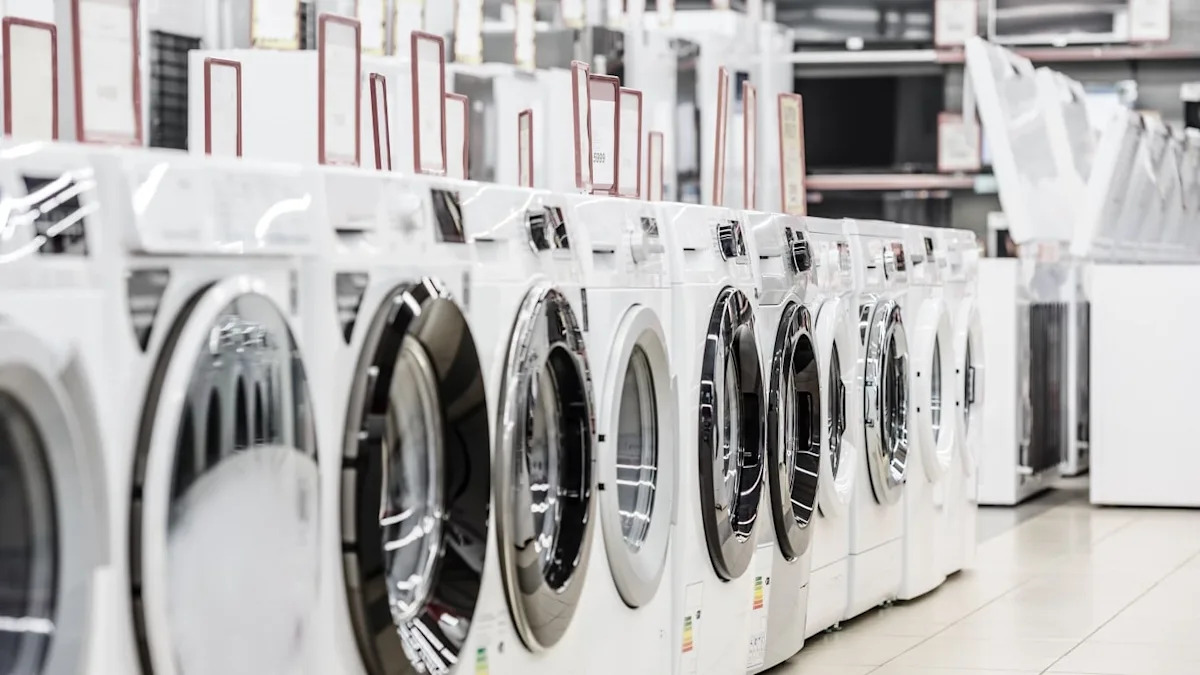
Whirlpool Faces Demand Crisis Similar to 2008


- Demand Decline: Whirlpool's CEO Marc Bitzer indicated during the latest earnings call that the current decline in industry demand is comparable to the 2008 financial crisis and even more severe, resulting in a 12% drop in stock price, reflecting a significant decrease in consumer confidence.
- Deteriorating Financials: The company's Q1 revenue was $3.27 billion, down 9.6% year-over-year, with North America's EBIT collapsing 96% to just $6 million, indicating that households are delaying big-ticket appliance purchases, which adversely affects overall financial health.
- Price Increases and Dividend Suspension: In response to the demand slump, Whirlpool implemented its largest price hike in over a decade and suspended its common dividend to fund deleveraging, a strategy that may further suppress consumer purchasing willingness in the short term.
- Uncertain Market Outlook: While macroeconomic signals suggest caution, Whirlpool's specific indicators reflect outright panic, with analysts projecting future EPS between $3.00 and $3.50 against a market cap of less than $3 billion, highlighting the need for investors to carefully assess its financial situation.
See More

Ibotta Q1 Performance Shows Revenue Recovery

- Revenue Performance: Ibotta reported Q1 revenue of $82.48 million, exceeding analyst expectations of $80.95 million, although reflecting a 2.5% year-on-year decline, the 1.9% beat indicates the company's efforts in revenue recovery.
- Adjusted EPS: The adjusted EPS was $0.24, missing analyst expectations of $0.26, highlighting ongoing challenges in profitability, while adjusted EBITDA of $8.72 million surpassed the $7.18 million forecast, suggesting improved operational efficiency.
- Market Strategy: Management emphasized exclusive partnerships with Uber and Giant Eagle, indicating Ibotta's growing momentum in both e-commerce and traditional grocery channels, with plans to continue investing in technology and sales capabilities to support these strategic collaborations.
- Future Outlook: Q2 revenue guidance is set at $84 million and EBITDA guidance at $10.5 million, both above analyst expectations, reflecting the company's confidence in future growth, despite a decline in operating margin to -13.1%, necessitating attention to long-term profitability.
See More

Cerebras Systems IPO Soars, Reaches $95 Billion Market Cap


- Strong IPO Performance: Cerebras Systems saw its shares surge nearly 70% during its IPO, elevating its market cap to approximately $95 billion, marking the largest IPO of the year and the biggest for a U.S. tech company since Uber in 2019.
- Market Environment Challenges: Despite Cerebras' success providing hope for the tech IPO market, the impending listings of high-valued AI companies like SpaceX and OpenAI make it difficult for other firms to capture investor attention, leading to diminished interest in non-AI companies.
- Industry Dynamics Shift: The IPO of Cerebras offers investors a chance to engage in the AI boom, particularly against the backdrop of a nearly dormant tech IPO market over the past four years, indicating a resurgence in demand for pure-play tech stocks.
- Future Outlook: With the upcoming IPOs of companies like SpaceX, Cerebras' success may encourage more high-value startups to consider going public, although the market still requires more data points to confirm investor receptivity.
See More

Cerebras IPO Sparks Market Focus on SpaceX and AI Giants
- Cerebras IPO Performance: Cerebras shares surged nearly 70% on debut, reaching a market cap of approximately $95 billion, marking the largest IPO of the year and highlighting the intense investor interest in AI companies while underscoring the challenges faced by non-AI firms in attracting attention.
- Market Dynamics Shift: With companies like SpaceX, OpenAI, and Anthropic preparing for IPOs, there is a potential $3 trillion in IPOs expected over the next year, making other companies appear relatively small, especially against the backdrop of the AI boom.
- Investor Sentiment Change: Since early 2022, rising inflation and interest rates have dampened investor enthusiasm for emerging tech companies, with U.S. venture-backed exit values last year falling to less than one-third of the peak in 2021, resulting in almost no tech IPOs this year.
- AI Industry Outlook: Cerebras' success provides investors with an entry point into the AI market, especially following its $20 billion deal with OpenAI, indicating a rapid growth in demand for AI infrastructure and driving increased attention and investment across the sector.
See More

Lucid and Nuro Advance Robotaxi Partnership
- Robotaxi Testing: Lucid's head of communications, Nick Twork, described his first ride in a Lucid-Nuro robotaxi as ‘impressive’ and ‘natural,’ marking a significant milestone as the partnership moves into real-world testing, although human drivers are still required to take over if necessary.
- Commercial Deployment Plans: The strategic partnership between Lucid, Uber, and Nuro is set to launch in 2026 in a major U.S. city, starting with the San Francisco Bay Area, with plans to deploy at least 35,000 Lucid vehicles over six years, indicating a shift towards the autonomous mobility market.
- Market Expansion Strategy: Lucid executive Marc Winterhoff stated that the agreement is not limited to the U.S., with plans to expand into European markets, although timelines depend on regulatory approvals, showcasing the company's ambition for global reach.
- Weak Stock Market Reaction: Despite progress in the robotaxi initiative, LCID stock has fallen 78% over the past 12 months, with retail sentiment remaining bearish, reflecting concerns about the company's future growth prospects.
See More
Lime Prepares for IPO, Uber Set to Benefit
- IPO Plans: Lime is set to go public with an S-1 filing to the U.S. SEC, planning to list under the ticker LIME, marking a significant step in the electric scooter and e-bike markets.
- Uber's Investment Returns: Uber invested $335 million in 2018 and $170 million in 2020 in Lime, with 14.3% of Uber's revenue coming from Lime, indicating a strong partnership where Uber stands to benefit from Lime's success.
- Market Growth Potential: The global electric scooter market is projected to grow from $21.4 billion in 2025 to $62.7 billion by 2034, while the e-bike market is expected to rise from $57.5 billion to $193.2 billion, positioning Lime favorably in these expanding markets.
- Financial Risk Warning: Despite Lime's revenue growth from $686.6 million in 2024 to $886.7 million in 2025, the company faces a $675.8 million loan repayment pressure, raising significant doubts about its ability to continue as a going concern, which could impact the IPO's success.
See More
Whirlpool Faces Demand Crisis Similar to 2008
- Demand Decline: Whirlpool's CEO Marc Bitzer indicated during the latest earnings call that the current decline in industry demand is comparable to the 2008 financial crisis and even more severe, resulting in a 12% drop in stock price, reflecting a significant decrease in consumer confidence.
- Deteriorating Financials: The company's Q1 revenue was $3.27 billion, down 9.6% year-over-year, with North America's EBIT collapsing 96% to just $6 million, indicating that households are delaying big-ticket appliance purchases, which adversely affects overall financial health.
- Price Increases and Dividend Suspension: In response to the demand slump, Whirlpool implemented its largest price hike in over a decade and suspended its common dividend to fund deleveraging, a strategy that may further suppress consumer purchasing willingness in the short term.
- Uncertain Market Outlook: While macroeconomic signals suggest caution, Whirlpool's specific indicators reflect outright panic, with analysts projecting future EPS between $3.00 and $3.50 against a market cap of less than $3 billion, highlighting the need for investors to carefully assess its financial situation.
See More
Ibotta Q1 Performance Shows Revenue Recovery
- Revenue Performance: Ibotta reported Q1 revenue of $82.48 million, exceeding analyst expectations of $80.95 million, although reflecting a 2.5% year-on-year decline, the 1.9% beat indicates the company's efforts in revenue recovery.
- Adjusted EPS: The adjusted EPS was $0.24, missing analyst expectations of $0.26, highlighting ongoing challenges in profitability, while adjusted EBITDA of $8.72 million surpassed the $7.18 million forecast, suggesting improved operational efficiency.
- Market Strategy: Management emphasized exclusive partnerships with Uber and Giant Eagle, indicating Ibotta's growing momentum in both e-commerce and traditional grocery channels, with plans to continue investing in technology and sales capabilities to support these strategic collaborations.
- Future Outlook: Q2 revenue guidance is set at $84 million and EBITDA guidance at $10.5 million, both above analyst expectations, reflecting the company's confidence in future growth, despite a decline in operating margin to -13.1%, necessitating attention to long-term profitability.
See More
Cerebras Systems IPO Soars, Reaches $95 Billion Market Cap
- Strong IPO Performance: Cerebras Systems saw its shares surge nearly 70% during its IPO, elevating its market cap to approximately $95 billion, marking the largest IPO of the year and the biggest for a U.S. tech company since Uber in 2019.
- Market Environment Challenges: Despite Cerebras' success providing hope for the tech IPO market, the impending listings of high-valued AI companies like SpaceX and OpenAI make it difficult for other firms to capture investor attention, leading to diminished interest in non-AI companies.
- Industry Dynamics Shift: The IPO of Cerebras offers investors a chance to engage in the AI boom, particularly against the backdrop of a nearly dormant tech IPO market over the past four years, indicating a resurgence in demand for pure-play tech stocks.
- Future Outlook: With the upcoming IPOs of companies like SpaceX, Cerebras' success may encourage more high-value startups to consider going public, although the market still requires more data points to confirm investor receptivity.
See More
Cerebras IPO Sparks Market Focus on SpaceX and AI Giants
- Cerebras IPO Performance: Cerebras shares surged nearly 70% on debut, reaching a market cap of approximately $95 billion, marking the largest IPO of the year and highlighting the intense investor interest in AI companies while underscoring the challenges faced by non-AI firms in attracting attention.
- Market Dynamics Shift: With companies like SpaceX, OpenAI, and Anthropic preparing for IPOs, there is a potential $3 trillion in IPOs expected over the next year, making other companies appear relatively small, especially against the backdrop of the AI boom.
- Investor Sentiment Change: Since early 2022, rising inflation and interest rates have dampened investor enthusiasm for emerging tech companies, with U.S. venture-backed exit values last year falling to less than one-third of the peak in 2021, resulting in almost no tech IPOs this year.
- AI Industry Outlook: Cerebras' success provides investors with an entry point into the AI market, especially following its $20 billion deal with OpenAI, indicating a rapid growth in demand for AI infrastructure and driving increased attention and investment across the sector.
See More
Lucid and Nuro Advance Robotaxi Partnership
- Robotaxi Testing: Lucid's head of communications, Nick Twork, described his first ride in a Lucid-Nuro robotaxi as ‘impressive’ and ‘natural,’ marking a significant milestone as the partnership moves into real-world testing, although human drivers are still required to take over if necessary.
- Commercial Deployment Plans: The strategic partnership between Lucid, Uber, and Nuro is set to launch in 2026 in a major U.S. city, starting with the San Francisco Bay Area, with plans to deploy at least 35,000 Lucid vehicles over six years, indicating a shift towards the autonomous mobility market.
- Market Expansion Strategy: Lucid executive Marc Winterhoff stated that the agreement is not limited to the U.S., with plans to expand into European markets, although timelines depend on regulatory approvals, showcasing the company's ambition for global reach.
- Weak Stock Market Reaction: Despite progress in the robotaxi initiative, LCID stock has fallen 78% over the past 12 months, with retail sentiment remaining bearish, reflecting concerns about the company's future growth prospects.
See More