Uber Partners with Nissan and Wayve for Robotaxi Development
Written by Emily J. Thompson, Senior Investment Analyst
Updated: 1 hour ago
0mins
Should l Buy UBER?
Source: seekingalpha
- Collaboration Agreement: Uber, Nissan, and Wayve have signed a memorandum of understanding to jointly develop and deploy robotaxis, marking Uber's first autonomous vehicle partnership in Japan, with a pilot deployment planned in Tokyo by late 2026, enhancing Uber's technological footprint in the Japanese market.
- Technology Integration: Wayve will integrate its end-to-end AI autonomous driving system into Nissan's LEAF EV, providing services to riders via Uber's ride-hailing platform, which not only enhances the intelligence of Nissan's electric vehicles but also adds innovative elements to Uber's mobility services.
- Funding Support: Wayve recently secured $1.2 billion in a Series D funding round, valuing the company at $8.6 billion post-money, with participation from Microsoft, Nvidia, and Uber, which provides strong financial backing for Wayve's technology development and market expansion, further driving the commercialization of robotaxis.
- Global Expansion Plans: The collaboration with Uber is part of Wayve's global robotaxi rollout plan, aiming to launch services in over ten cities, including London and Tokyo, demonstrating its ambition in the global market while laying the groundwork for future competitive positioning.
Trade with 70% Backtested Accuracy
Stop guessing "Should I Buy UBER?" and start using high-conviction signals backed by rigorous historical data.
Sign up today to access powerful investing tools and make smarter, data-driven decisions.
Analyst Views on UBER
Wall Street analysts forecast UBER stock price to rise
32 Analyst Rating
28 Buy
3 Hold
1 Sell
Strong Buy
Current: 72.360

Low
72.00
Averages
107.10
High
150.00
Current: 72.360
Low
72.00
Averages
107.10
High
150.00
About UBER
Uber Technologies, Inc. operates a technology platform that uses network and technology to power movement from point A to point B. It develops and operates technology applications supporting a variety of offerings on its platform (platform(s)). Its segments include Mobility, Delivery and Freight. Mobility products connect consumers with drivers who provide rides in a variety of vehicles, such as cars, auto rickshaws, motorbikes, minibuses, or taxis. Delivery offerings allow consumers to search for and discover local restaurants, order a meal, and either pick-up at the restaurant or have the meal delivered. In certain markets, the Delivery segment provides offerings for grocery, alcohol, and convenience store delivery as well as select other goods. The Freight segment connects carriers with shippers on its platform, and gives carriers upfront, pricing and the ability to book a shipment. The Freight segment also includes transportation management and other logistics service offerings.
About the author

Emily J. Thompson
Emily J. Thompson, a Chartered Financial Analyst (CFA) with 12 years in investment research, graduated with honors from the Wharton School. Specializing in industrial and technology stocks, she provides in-depth analysis for Intellectia’s earnings and market brief reports.
Uber Partners with Zoox for Autonomous Robotaxis

- Strategic Partnership Launch: Uber and Zoox have announced a multi-year strategic partnership to deploy fully electric autonomous robotaxis starting in Las Vegas in 2026, marking a significant step in Uber's autonomous driving strategy.
- Market Expansion Plans: Initial services will focus on geofenced areas in Las Vegas, with plans to expand to other Sun Belt and West Coast cities, reflecting the ambition of both companies to broaden their market reach.
- Innovative Operating Model: Uber will handle rider demand, bookings, and customer experience, while Zoox will provide and operate its purpose-built robotaxi fleet, enhancing the differentiation of user experience.
- Safety and Cost Advantages: Both firms emphasize safety and lower operating costs compared to human-driven rides, with the expectation of gathering extensive real-world data to refine autonomous operations before wider deployment.
See More
Uber Partners with Nissan and Wayve for Robotaxi Development
- Collaboration Agreement: Uber, Nissan, and Wayve have signed a memorandum of understanding to jointly develop and deploy robotaxis, marking Uber's first autonomous vehicle partnership in Japan, with a pilot deployment planned in Tokyo by late 2026, enhancing Uber's technological footprint in the Japanese market.
- Technology Integration: Wayve will integrate its end-to-end AI autonomous driving system into Nissan's LEAF EV, providing services to riders via Uber's ride-hailing platform, which not only enhances the intelligence of Nissan's electric vehicles but also adds innovative elements to Uber's mobility services.
- Funding Support: Wayve recently secured $1.2 billion in a Series D funding round, valuing the company at $8.6 billion post-money, with participation from Microsoft, Nvidia, and Uber, which provides strong financial backing for Wayve's technology development and market expansion, further driving the commercialization of robotaxis.
- Global Expansion Plans: The collaboration with Uber is part of Wayve's global robotaxi rollout plan, aiming to launch services in over ten cities, including London and Tokyo, demonstrating its ambition in the global market while laying the groundwork for future competitive positioning.
See More

Wayve, Uber, and Nissan Collaborate on Robotaxi Development
- Collaboration Agreement: Wayve, Uber, and Nissan have signed a memorandum of understanding to pilot robotaxi deployment in Tokyo by late 2026, marking Uber's first autonomous vehicle partnership in Japan and indicating its intent to expand in global markets.
- Technology Integration: The collaboration will integrate Wayve's AI driving system into the Nissan LEAF, enabling seamless connection to Uber's ride-hailing network, enhancing passenger experience while laying the groundwork for future autonomous driving services.
- Safety Operation Model: Initially, vehicles will operate with trained safety operators onboard, ensuring passengers can experience robotaxi services in Tokyo's complex traffic environment, reflecting a commitment to high safety standards.
- Global Expansion Plans: The partnership between Wayve and Uber is not limited to Tokyo, with plans to launch services in over ten cities worldwide, combining advanced vehicle technology and a global network to drive safe, intelligent autonomous mobility solutions.
See More
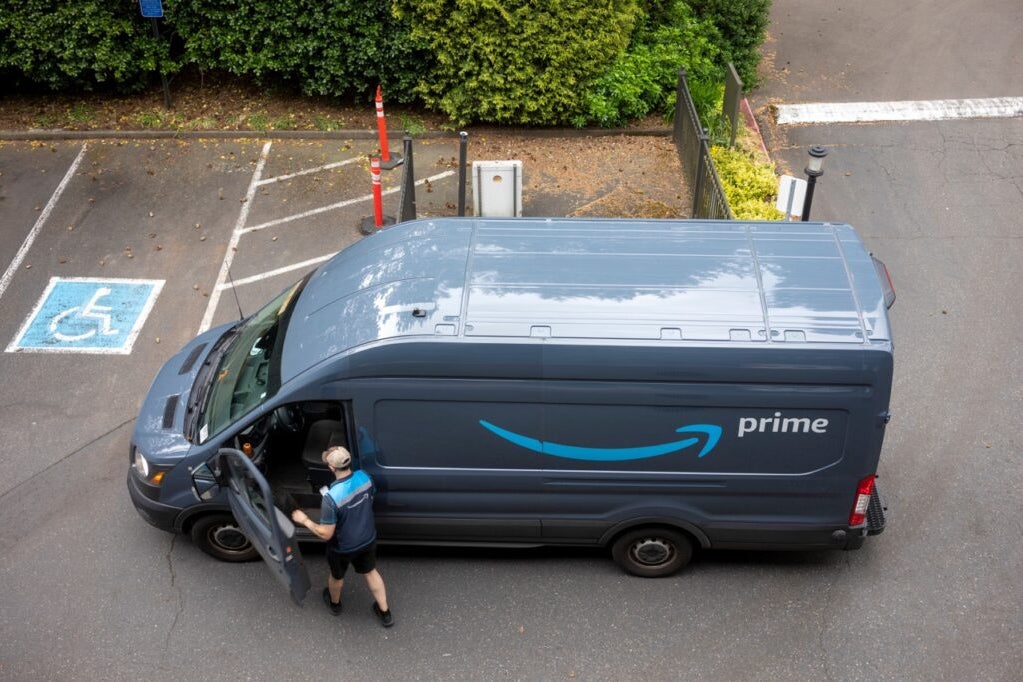
Uber Partners with Wayve and Nissan for Japan's Autonomous Taxi Launch
- Partnership Announcement: Uber has signed a memorandum of understanding with Wayve and Nissan to pilot autonomous taxi services in Tokyo by late 2026, marking Uber's first autonomous vehicle partnership in Japan and demonstrating its commitment to expanding in the global autonomous driving market.
- Technology Integration: The initiative aims to integrate Wayve's AI driving system with Nissan's LEAF electric vehicle, providing safe and reliable transportation services through the Uber platform, enhancing user experience and driving transformation in future mobility solutions.
- Market Challenges: Operating in Tokyo, one of the world's most complex traffic environments, presents significant challenges due to dense traffic and high safety standards, and successful implementation could lay the groundwork for Uber's expansion into other cities, strengthening its competitive position.
- Future Outlook: Uber intends to work closely with local taxi partners to ensure compliant operations, further driving innovation in the Japanese market to meet the growing demand for transportation while providing a model for the global rollout of autonomous driving technology.
See More
Uber's Stock Pullback Sparks Investor Interest

- Strong Financial Performance: Uber's fourth-quarter gross bookings rose 22% year-over-year to $54.1 billion, with revenue climbing 20% to $14.4 billion, demonstrating robust market performance and sustained cash flow growth.
- User Growth: The company's monthly active platform consumers increased by 18% year-over-year to 202 million, reflecting growing global acceptance of its platform and further solidifying its market leadership.
- Autonomous Driving Threat: Despite strong core business performance, investor concerns about autonomous driving technology are rising, potentially impacting Uber's driver-reliant model, as competitors like Waymo and Tesla actively advance their robotaxi initiatives.
- Strategic Partnership Opportunity: Uber's partnership with Amazon's autonomous driving company Zoox aims to launch autonomous taxi services in Las Vegas and Los Angeles by mid-2027; if successful, this transition could significantly reduce costs and enhance profit margins.
See More

Uber's Strong Financials Amid Autonomous Driving Risks
- Surging Cash Flow: Uber's free cash flow reached $2.8 billion in Q4, up 65% year-over-year, with full-year cash flow at $9.8 billion, reflecting the company's robust financial resilience in a rapidly growing market.
- Revenue and Booking Growth: In Q4, Uber's gross bookings rose 22% year-over-year to $54.1 billion, while revenue climbed 20% to $14.4 billion, underscoring its market leadership and strong business performance.
- Autonomous Driving Risks and Opportunities: While the rise of autonomous driving poses a threat to Uber's driver-reliant model, the CEO noted that a successful transition could unlock a multi-trillion dollar market opportunity, highlighting the strategic importance of technological transformation.
- Intensifying Market Competition: With Alphabet's Waymo and Tesla advancing in autonomous driving, Uber faces increasing competition, which challenges market confidence in its future growth and has led to a 12% decline in stock price over the past three months.
See More
Uber Partners with Zoox for Autonomous Robotaxis
- Strategic Partnership Launch: Uber and Zoox have announced a multi-year strategic partnership to deploy fully electric autonomous robotaxis starting in Las Vegas in 2026, marking a significant step in Uber's autonomous driving strategy.
- Market Expansion Plans: Initial services will focus on geofenced areas in Las Vegas, with plans to expand to other Sun Belt and West Coast cities, reflecting the ambition of both companies to broaden their market reach.
- Innovative Operating Model: Uber will handle rider demand, bookings, and customer experience, while Zoox will provide and operate its purpose-built robotaxi fleet, enhancing the differentiation of user experience.
- Safety and Cost Advantages: Both firms emphasize safety and lower operating costs compared to human-driven rides, with the expectation of gathering extensive real-world data to refine autonomous operations before wider deployment.
See More
Uber Partners with Nissan and Wayve for Robotaxi Development
- Collaboration Agreement: Uber, Nissan, and Wayve have signed a memorandum of understanding to jointly develop and deploy robotaxis, marking Uber's first autonomous vehicle partnership in Japan, with a pilot deployment planned in Tokyo by late 2026, enhancing Uber's technological footprint in the Japanese market.
- Technology Integration: Wayve will integrate its end-to-end AI autonomous driving system into Nissan's LEAF EV, providing services to riders via Uber's ride-hailing platform, which not only enhances the intelligence of Nissan's electric vehicles but also adds innovative elements to Uber's mobility services.
- Funding Support: Wayve recently secured $1.2 billion in a Series D funding round, valuing the company at $8.6 billion post-money, with participation from Microsoft, Nvidia, and Uber, which provides strong financial backing for Wayve's technology development and market expansion, further driving the commercialization of robotaxis.
- Global Expansion Plans: The collaboration with Uber is part of Wayve's global robotaxi rollout plan, aiming to launch services in over ten cities, including London and Tokyo, demonstrating its ambition in the global market while laying the groundwork for future competitive positioning.
See More
Wayve, Uber, and Nissan Collaborate on Robotaxi Development
- Collaboration Agreement: Wayve, Uber, and Nissan have signed a memorandum of understanding to pilot robotaxi deployment in Tokyo by late 2026, marking Uber's first autonomous vehicle partnership in Japan and indicating its intent to expand in global markets.
- Technology Integration: The collaboration will integrate Wayve's AI driving system into the Nissan LEAF, enabling seamless connection to Uber's ride-hailing network, enhancing passenger experience while laying the groundwork for future autonomous driving services.
- Safety Operation Model: Initially, vehicles will operate with trained safety operators onboard, ensuring passengers can experience robotaxi services in Tokyo's complex traffic environment, reflecting a commitment to high safety standards.
- Global Expansion Plans: The partnership between Wayve and Uber is not limited to Tokyo, with plans to launch services in over ten cities worldwide, combining advanced vehicle technology and a global network to drive safe, intelligent autonomous mobility solutions.
See More
Uber Partners with Wayve and Nissan for Japan's Autonomous Taxi Launch
- Partnership Announcement: Uber has signed a memorandum of understanding with Wayve and Nissan to pilot autonomous taxi services in Tokyo by late 2026, marking Uber's first autonomous vehicle partnership in Japan and demonstrating its commitment to expanding in the global autonomous driving market.
- Technology Integration: The initiative aims to integrate Wayve's AI driving system with Nissan's LEAF electric vehicle, providing safe and reliable transportation services through the Uber platform, enhancing user experience and driving transformation in future mobility solutions.
- Market Challenges: Operating in Tokyo, one of the world's most complex traffic environments, presents significant challenges due to dense traffic and high safety standards, and successful implementation could lay the groundwork for Uber's expansion into other cities, strengthening its competitive position.
- Future Outlook: Uber intends to work closely with local taxi partners to ensure compliant operations, further driving innovation in the Japanese market to meet the growing demand for transportation while providing a model for the global rollout of autonomous driving technology.
See More
Uber's Stock Pullback Sparks Investor Interest
- Strong Financial Performance: Uber's fourth-quarter gross bookings rose 22% year-over-year to $54.1 billion, with revenue climbing 20% to $14.4 billion, demonstrating robust market performance and sustained cash flow growth.
- User Growth: The company's monthly active platform consumers increased by 18% year-over-year to 202 million, reflecting growing global acceptance of its platform and further solidifying its market leadership.
- Autonomous Driving Threat: Despite strong core business performance, investor concerns about autonomous driving technology are rising, potentially impacting Uber's driver-reliant model, as competitors like Waymo and Tesla actively advance their robotaxi initiatives.
- Strategic Partnership Opportunity: Uber's partnership with Amazon's autonomous driving company Zoox aims to launch autonomous taxi services in Las Vegas and Los Angeles by mid-2027; if successful, this transition could significantly reduce costs and enhance profit margins.
See More
Uber's Strong Financials Amid Autonomous Driving Risks
- Surging Cash Flow: Uber's free cash flow reached $2.8 billion in Q4, up 65% year-over-year, with full-year cash flow at $9.8 billion, reflecting the company's robust financial resilience in a rapidly growing market.
- Revenue and Booking Growth: In Q4, Uber's gross bookings rose 22% year-over-year to $54.1 billion, while revenue climbed 20% to $14.4 billion, underscoring its market leadership and strong business performance.
- Autonomous Driving Risks and Opportunities: While the rise of autonomous driving poses a threat to Uber's driver-reliant model, the CEO noted that a successful transition could unlock a multi-trillion dollar market opportunity, highlighting the strategic importance of technological transformation.
- Intensifying Market Competition: With Alphabet's Waymo and Tesla advancing in autonomous driving, Uber faces increasing competition, which challenges market confidence in its future growth and has led to a 12% decline in stock price over the past three months.
See More