Uber Invests Nearly $500 Million in Self-Driving Startup Nuro
Written by Emily J. Thompson, Senior Investment Analyst
Updated: 2 days ago
0mins

Source: seekingalpha
- Massive Investment: Uber's commitment of nearly $500 million to self-driving startup Nuro signals a significant financial bet in the commercial robotaxi sector, further solidifying its market position.
- Follow-On Capital Injection: This investment includes an undisclosed follow-on capital injection that significantly exceeds Uber's initial funding in Nuro's $203 million round, reflecting strong confidence in Nuro's future development.
- Milestone-Linked Funding Release: Nuro has met its initial development targets on time, allowing for the release of part of the funds, while the remaining capital is strictly tied to upcoming performance milestones, including driverless testing and early passenger deployment in the San Francisco Bay Area.
- Strategic Alliance: This investment heavily supports a three-way alliance between Uber, Nuro, and electric vehicle maker Lucid Group, aiming to deploy a fleet of 35,000 robotaxis leveraging Lucid’s Gravity SUVs and Nuro’s autonomous software, further advancing the commercialization of autonomous driving technology.
Trade with 70% Backtested Accuracy
Stop guessing "Should I Buy UBER?" and start using high-conviction signals backed by rigorous historical data.
Sign up today to access powerful investing tools and make smarter, data-driven decisions.
Analyst Views on UBER
Wall Street analysts forecast UBER stock price to rise
32 Analyst Rating
28 Buy
3 Hold
1 Sell
Strong Buy
Current: 72.210

Low
72.00
Averages
107.10
High
150.00
Current: 72.210
Low
72.00
Averages
107.10
High
150.00
About UBER
Uber Technologies, Inc. operates a technology platform that uses network and technology to power movement from point A to point B. It develops and operates technology applications supporting a variety of offerings on its platform (platform(s)). Its segments include Mobility, Delivery and Freight. Mobility products connect consumers with drivers who provide rides in a variety of vehicles, such as cars, auto rickshaws, motorbikes, minibuses, or taxis. Delivery offerings allow consumers to search for and discover local restaurants, order a meal, and either pick-up at the restaurant or have the meal delivered. In certain markets, the Delivery segment provides offerings for grocery, alcohol, and convenience store delivery as well as select other goods. The Freight segment connects carriers with shippers on its platform, and gives carriers upfront, pricing and the ability to book a shipment. The Freight segment also includes transportation management and other logistics service offerings.
About the author

Emily J. Thompson
Emily J. Thompson, a Chartered Financial Analyst (CFA) with 12 years in investment research, graduated with honors from the Wharton School. Specializing in industrial and technology stocks, she provides in-depth analysis for Intellectia’s earnings and market brief reports.
SpaceX IPO Imminent, Set to Raise Record $75 Billion


- Record-Breaking Fundraising: SpaceX aims to raise $75 billion by selling 555.6 million shares at $135 each, which would result in a corporate valuation of $1.75 trillion, marking the largest IPO in history and showcasing the company's robust performance in capital markets.
- Elevated Market Position: Upon successful listing, SpaceX would become the ninth largest publicly traded company globally, just behind Broadcom and ahead of Elon Musk's other venture, Tesla, highlighting its leadership and market recognition in the aerospace sector.
- High Investor Expectations: The market is rife with anticipation for SpaceX's IPO, particularly given its successful rocket launches and satellite deployments, with investors generally optimistic about its future growth potential, likely attracting significant capital inflows.
- Historical Comparison Analysis: SpaceX's IPO is set to surpass previous U.S. public offerings, such as Uber and Alibaba, which raised $8.1 billion and $25 billion respectively, underscoring SpaceX's unique position and investment appeal in the market.
See More

SpaceX IPO Imminent, Set to Break Fundraising Records
- Record Fundraising: SpaceX aims to raise $75 billion by selling 555.6 million shares at $135 each, projecting a corporate valuation of $1.75 trillion, which would mark the largest IPO in history, underscoring the company's robust position in the global market.
- Significant Market Impact: If successful, SpaceX will become the ninth largest publicly traded company globally, surpassing Broadcom and just behind Elon Musk's Tesla, highlighting its leadership in the aerospace and technology sectors.
- Historical Context: Prior record-setting IPOs from companies like Uber, Rivian, and Alibaba have shown that despite initial stock price volatility, early investors often realized substantial returns, reflecting sustained market interest in high-tech firms.
- High Investor Expectations: As the SpaceX IPO approaches, market anticipation is soaring, particularly against the backdrop of rapid advancements in artificial intelligence and aerospace technology, with investors generally optimistic about its long-term growth potential.
See More

Apple's WWDC Faces AI Strategy Test


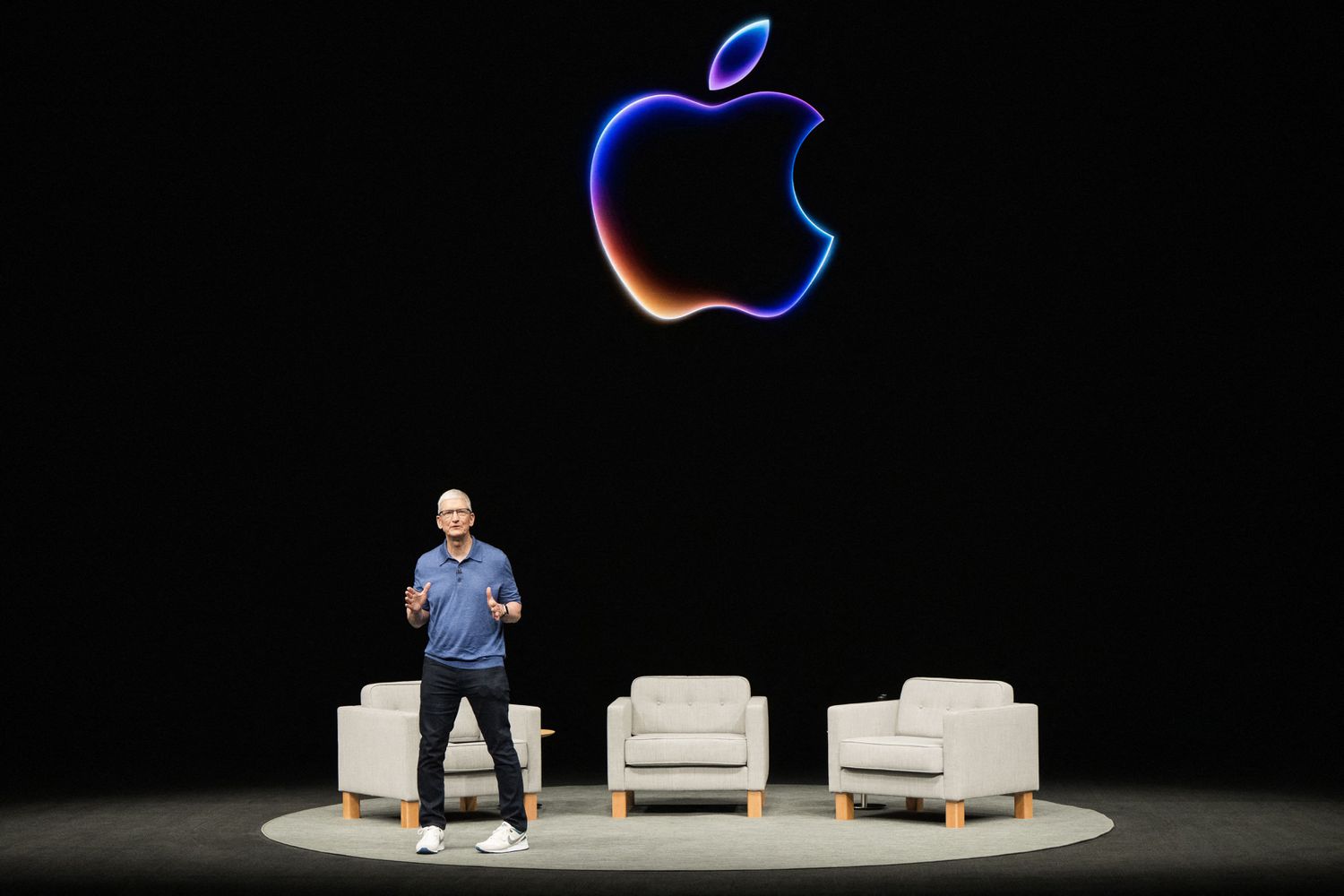
- Critical AI Moment: Apple's upcoming WWDC represents a pivotal moment for Tim Cook as CEO, with analysts suggesting that the event is crucial for showcasing Apple's AI capabilities, particularly whether significant improvements to Siri can drive iPhone upgrades.
- Siri Feature Enhancements: The event is expected to unveil a more powerful version of Siri, featuring a standalone chatbot app, personal context, on-screen awareness, and multi-step command handling, which will directly impact developer confidence and user experience.
- Market Reaction Expectations: Despite Apple's stock nearing all-time highs, analysts caution that if Siri's upgrades do not significantly enhance user experience, it could negatively affect Apple's valuation, especially with a current P/E ratio of 36 times.
- Developer Support Challenges: Apple must address the issue of developer support for Siri, as sufficient third-party app integration is essential for Siri to be truly effective, yet developers may hesitate due to concerns over Apple's control, which could hinder the success of Apple's AI strategy.
See More
Apple's WWDC to Unveil Personalized Siri

- AI Assistant Upgrade: Apple is set to unveil a personalized Siri powered by Google's Gemini AI model at WWDC, expected to enable more natural conversational interactions, thereby enhancing user experience and strengthening Apple's competitive position in the AI market.
- Strong Stock Performance: Since the end of March, Apple's stock has risen over 20%, with a further 3% increase following its earnings report on April 30, currently hovering near the historical high of $315, reflecting high market expectations for the upcoming features.
- New Revenue Streams: Analysts speculate that Apple could charge fees for third-party services integrated with its platform, such as linking Uber with Apple Calendar, which would not only boost service revenue but also enhance the appeal of the Apple One service bundle.
- Security Focus: Apple will emphasize how it addresses the security of AI queries, particularly those requiring cloud processing, and how it leverages on-device capabilities to enhance security and reduce latency, which will significantly impact user trust and market acceptance.
See More
Apple's WWDC to Revamp Siri as Cook's Final Showcase
- Siri Revamp Initiative: Apple is expected to unveil a revamped Siri at WWDC, featuring a standalone chatbot app, personal context, and multi-step command capabilities, aimed at enhancing user experience and strengthening market competitiveness.
- Investor Expectations: Despite Apple's stock nearing record highs, analysts caution that even an upgraded Siri may not justify its current valuation, necessitating proof that it can drive iPhone upgrades.
- Developer Challenges: WWDC serves not only as a consumer AI showcase but also as a critical moment for Apple to convince developers to support Siri's platform strategy, addressing the dependency on developer support for App Intents.
- AI Investment Strategy: Apple has been relatively conservative in AI infrastructure investments, opting for a partnership with Google and utilizing Nvidia chips, which could expedite AI product launches, despite ongoing tensions with developers.
See More
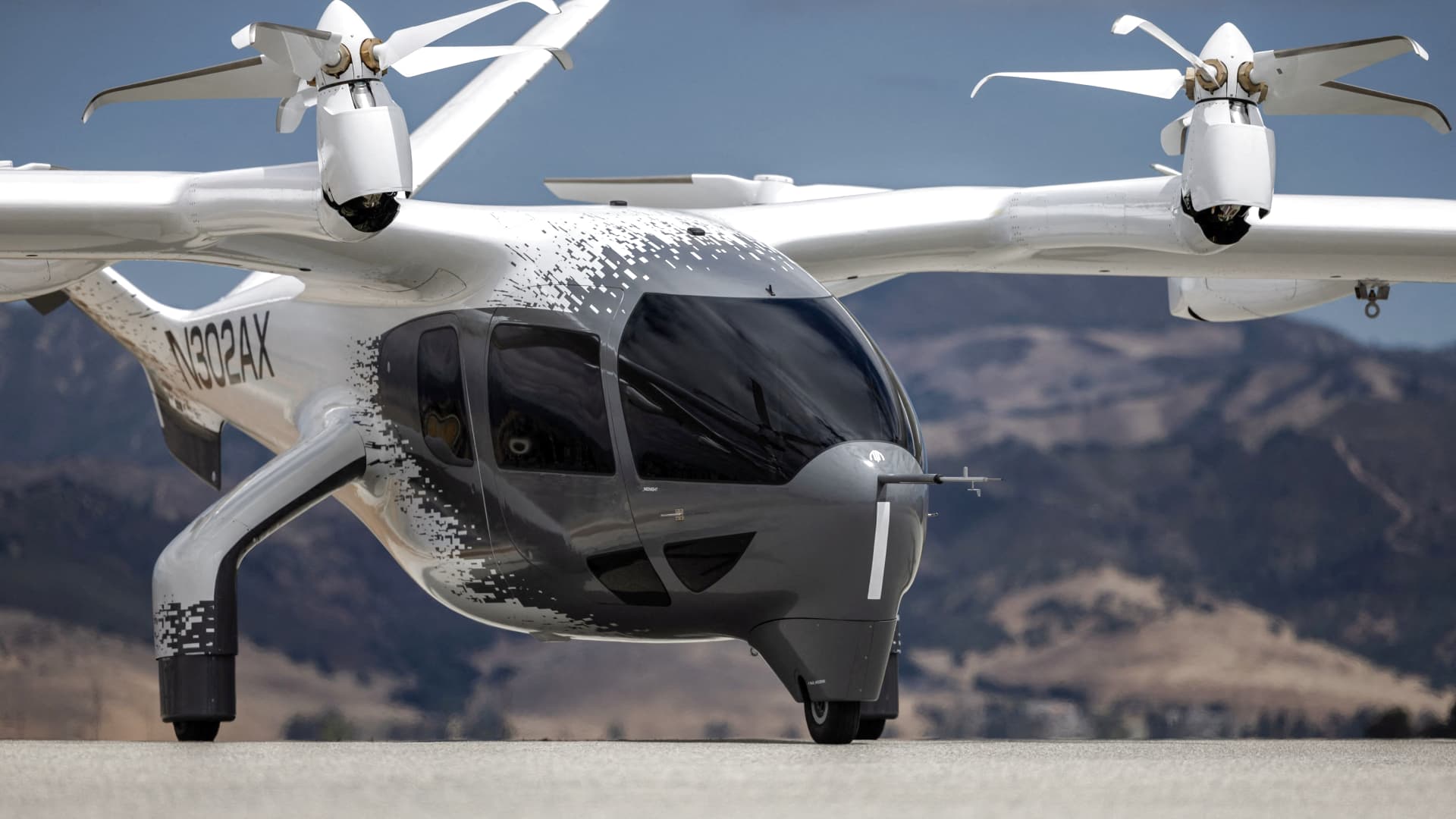
eVTOL Aircraft Set to Transform Urban Transportation


- Massive Market Potential: According to a Morgan Stanley report, the total addressable market for urban air mobility could reach a staggering $9 trillion by 2050, highlighting the significant growth potential of the eVTOL industry and attracting investor interest.
- FAA Certification Progress: Joby and Archer, as partners in the FAA's eVTOL Integration Pilot Program, are accelerating their progress through the rigorous multistage certification process, paving the way for future commercial operations and ensuring their competitive positioning in this emerging market.
- Divergent Business Models: Joby is pursuing a vertically integrated, direct-to-consumer model, planning to own and operate its own air taxi network, while Archer adopts an asset-light approach, leveraging partnerships with Stellantis to achieve efficient production and rapid market expansion.
- Enhanced Production Capacity: Joby's facilities in California and Ohio can produce up to 500 eVTOL aircraft annually, while Archer's high-volume manufacturing facility in Georgia aims for 650 aircraft per year, showcasing the competitive advantages in production capabilities for both companies.
See More
SpaceX IPO Imminent, Set to Raise Record $75 Billion
- Record-Breaking Fundraising: SpaceX aims to raise $75 billion by selling 555.6 million shares at $135 each, which would result in a corporate valuation of $1.75 trillion, marking the largest IPO in history and showcasing the company's robust performance in capital markets.
- Elevated Market Position: Upon successful listing, SpaceX would become the ninth largest publicly traded company globally, just behind Broadcom and ahead of Elon Musk's other venture, Tesla, highlighting its leadership and market recognition in the aerospace sector.
- High Investor Expectations: The market is rife with anticipation for SpaceX's IPO, particularly given its successful rocket launches and satellite deployments, with investors generally optimistic about its future growth potential, likely attracting significant capital inflows.
- Historical Comparison Analysis: SpaceX's IPO is set to surpass previous U.S. public offerings, such as Uber and Alibaba, which raised $8.1 billion and $25 billion respectively, underscoring SpaceX's unique position and investment appeal in the market.
See More
SpaceX IPO Imminent, Set to Break Fundraising Records
- Record Fundraising: SpaceX aims to raise $75 billion by selling 555.6 million shares at $135 each, projecting a corporate valuation of $1.75 trillion, which would mark the largest IPO in history, underscoring the company's robust position in the global market.
- Significant Market Impact: If successful, SpaceX will become the ninth largest publicly traded company globally, surpassing Broadcom and just behind Elon Musk's Tesla, highlighting its leadership in the aerospace and technology sectors.
- Historical Context: Prior record-setting IPOs from companies like Uber, Rivian, and Alibaba have shown that despite initial stock price volatility, early investors often realized substantial returns, reflecting sustained market interest in high-tech firms.
- High Investor Expectations: As the SpaceX IPO approaches, market anticipation is soaring, particularly against the backdrop of rapid advancements in artificial intelligence and aerospace technology, with investors generally optimistic about its long-term growth potential.
See More
Apple's WWDC Faces AI Strategy Test
- Critical AI Moment: Apple's upcoming WWDC represents a pivotal moment for Tim Cook as CEO, with analysts suggesting that the event is crucial for showcasing Apple's AI capabilities, particularly whether significant improvements to Siri can drive iPhone upgrades.
- Siri Feature Enhancements: The event is expected to unveil a more powerful version of Siri, featuring a standalone chatbot app, personal context, on-screen awareness, and multi-step command handling, which will directly impact developer confidence and user experience.
- Market Reaction Expectations: Despite Apple's stock nearing all-time highs, analysts caution that if Siri's upgrades do not significantly enhance user experience, it could negatively affect Apple's valuation, especially with a current P/E ratio of 36 times.
- Developer Support Challenges: Apple must address the issue of developer support for Siri, as sufficient third-party app integration is essential for Siri to be truly effective, yet developers may hesitate due to concerns over Apple's control, which could hinder the success of Apple's AI strategy.
See More
Apple's WWDC to Unveil Personalized Siri
- AI Assistant Upgrade: Apple is set to unveil a personalized Siri powered by Google's Gemini AI model at WWDC, expected to enable more natural conversational interactions, thereby enhancing user experience and strengthening Apple's competitive position in the AI market.
- Strong Stock Performance: Since the end of March, Apple's stock has risen over 20%, with a further 3% increase following its earnings report on April 30, currently hovering near the historical high of $315, reflecting high market expectations for the upcoming features.
- New Revenue Streams: Analysts speculate that Apple could charge fees for third-party services integrated with its platform, such as linking Uber with Apple Calendar, which would not only boost service revenue but also enhance the appeal of the Apple One service bundle.
- Security Focus: Apple will emphasize how it addresses the security of AI queries, particularly those requiring cloud processing, and how it leverages on-device capabilities to enhance security and reduce latency, which will significantly impact user trust and market acceptance.
See More
Apple's WWDC to Revamp Siri as Cook's Final Showcase
- Siri Revamp Initiative: Apple is expected to unveil a revamped Siri at WWDC, featuring a standalone chatbot app, personal context, and multi-step command capabilities, aimed at enhancing user experience and strengthening market competitiveness.
- Investor Expectations: Despite Apple's stock nearing record highs, analysts caution that even an upgraded Siri may not justify its current valuation, necessitating proof that it can drive iPhone upgrades.
- Developer Challenges: WWDC serves not only as a consumer AI showcase but also as a critical moment for Apple to convince developers to support Siri's platform strategy, addressing the dependency on developer support for App Intents.
- AI Investment Strategy: Apple has been relatively conservative in AI infrastructure investments, opting for a partnership with Google and utilizing Nvidia chips, which could expedite AI product launches, despite ongoing tensions with developers.
See More
eVTOL Aircraft Set to Transform Urban Transportation
- Massive Market Potential: According to a Morgan Stanley report, the total addressable market for urban air mobility could reach a staggering $9 trillion by 2050, highlighting the significant growth potential of the eVTOL industry and attracting investor interest.
- FAA Certification Progress: Joby and Archer, as partners in the FAA's eVTOL Integration Pilot Program, are accelerating their progress through the rigorous multistage certification process, paving the way for future commercial operations and ensuring their competitive positioning in this emerging market.
- Divergent Business Models: Joby is pursuing a vertically integrated, direct-to-consumer model, planning to own and operate its own air taxi network, while Archer adopts an asset-light approach, leveraging partnerships with Stellantis to achieve efficient production and rapid market expansion.
- Enhanced Production Capacity: Joby's facilities in California and Ohio can produce up to 500 eVTOL aircraft annually, while Archer's high-volume manufacturing facility in Georgia aims for 650 aircraft per year, showcasing the competitive advantages in production capabilities for both companies.
See More