Tuesday Sector Laggards: Rubber & Plastics, Airlines
Written by Emily J. Thompson, Senior Investment Analyst
Updated: Mar 18 2025
0mins

Source: NASDAQ.COM
Airline Stocks Performance: Airline shares are underperforming in the market, with a collective decline of approximately 2.2%, primarily driven by Alaska Air Group and Frontier Group Holdings, which fell by 5.3% and 4.5% respectively.
Market Commentary: The opinions expressed in the article reflect the author's views and do not necessarily represent those of Nasdaq, Inc.
Trade with 70% Backtested Accuracy
Stop guessing "Should I Buy ALK?" and start using high-conviction signals backed by rigorous historical data.
Sign up today to access powerful investing tools and make smarter, data-driven decisions.
Analyst Views on ALK
Wall Street analysts forecast ALK stock price to rise
11 Analyst Rating
11 Buy
0 Hold
0 Sell
Strong Buy
Current: 41.160

Low
63.00
Averages
71.10
High
80.00
Current: 41.160
Low
63.00
Averages
71.10
High
80.00
About ALK
Alaska Air Group, Inc. is engaged in operating airlines. The Company operates through its subsidiaries Alaska Airlines, Inc., Hawaiian Holdings, Inc., Horizon Air Industries, Inc., and McGee Air Services. The Company's segments include Alaska Airlines, Hawaiian Airlines, and Regional. The Alaska Airlines segment includes scheduled air transportation of passengers and cargo on Boeing 737 (B737), Boeing 787 (B787), Boeing 717 (B717), Airbus A330 (A330), Airbus A321neo (A321neo), and others, throughout North America, Latin America, Asia, and the Pacific. The Regional segment includes Horizon's and other third-party carriers scheduled air transportation on E175 jet aircraft for passengers under capacity purchase agreements (CPAs). The Company serves more than 140 destinations throughout North America, Central America, Asia and across the Pacific. The Company provides freight and mail services (cargo) using both freighter aircraft and the bellies of its passenger aircraft.
About the author

Emily J. Thompson
Emily J. Thompson, a Chartered Financial Analyst (CFA) with 12 years in investment research, graduated with honors from the Wharton School. Specializing in industrial and technology stocks, she provides in-depth analysis for Intellectia’s earnings and market brief reports.

American Airlines and Alaska Air Explore Partnership Options

- Exploring Partnership Potential: American Airlines and Alaska Air are examining partnership options aimed at enhancing competitiveness through revenue sharing and route coordination rather than a full merger, thereby expanding their networks without the complexities of merging.
- International Collaboration Integration: Alaska Air may plug into American Airlines' existing international partnerships, including routes with British Airways and Japan Airlines, facilitating revenue sharing and schedule alignment between the two airlines.
- Adapting to Market Conditions: Given rising fuel costs and pressure from larger competitors like United and Delta, this collaboration is particularly timely, potentially strengthening American Airlines' presence in the West Coast market.
- Long-Haul Route Opportunities: For Alaska Air, this partnership opens up more access to long-haul routes and international traffic, further enhancing its market competitiveness and business expansion capabilities.
See More
American Airlines CEO Rejects Merger with United Airlines

- Merger Proposal Rejected: American Airlines CEO Robert Isom flatly rejected a merger proposal with United Airlines, labeling it anti-competitive while emphasizing American's commitment to defending its Chicago hub to maintain market competitiveness.
- Flight Schedule Rebuilding: Isom stated that federal actions to alleviate congestion at Chicago O'Hare Airport could allow American to restore its daily departures to around 500, enhancing operational efficiency and meeting customer demand.
- Partnership with Alaska Airlines: American is in early-stage talks with Alaska Airlines to deepen their partnership, potentially integrating Alaska into American's transatlantic and transpacific joint business arrangements, thereby expanding market reach.
- Union Warning: The pilot union at American Airlines expressed concerns over the deepening partnership with Alaska, asserting that it would vigorously defend contract protections related to code-sharing to ensure American's global competitiveness is not compromised.
See More

U.S. Airlines Face Fuel Cost Crisis Amid Record Passenger Numbers
- Record Passenger Numbers: U.S. airlines reported their highest-ever passenger counts in Q1, yet rising fuel costs have severely impacted profits, with United Airlines (UAL) cutting its full-year profit forecast by about a third, highlighting the industry's struggle between strong demand and soaring costs.
- Surging Fuel Costs: Jet fuel prices have nearly doubled since the U.S. and Israel's attacks on Iran in late February, making it difficult for airlines to raise fares quickly enough to cover costs; Southwest Airlines (LUV) expects second-quarter fuel prices to reach $4.10 to $4.15 per gallon, significantly up from $2.73 in Q1.
- Flight Reductions: Airlines are cutting flights despite full planes, with United Airlines CEO Scott Kirby stating that some routes no longer make sense in a high fuel price environment, leading to a planned 5% reduction in flights, while Delta Air Lines (DAL) is cutting capacity by over 3.5 percentage points.
- Fare Increases Insufficient: Although Delta's revenue rose nearly 10% in Q1 and fares increased by about 12% in early March, many passengers had booked before fuel prices surged, limiting airlines' ability to recover costs quickly; Alaska Airlines (ALK) noted it would have been profitable this quarter but for fuel costs.
See More
American Airlines and Alaska Air Explore Strategic Partnerships
- Revenue Sharing Talks: American Airlines and Alaska Air Group are exploring revenue-sharing agreements and other strategic partnerships to address rising costs and competition, thereby enhancing their market competitiveness.
- Schedule Coordination: The negotiations include adding Alaska to American's existing joint business arrangements, allowing both airlines to coordinate schedules and pricing on specific routes, which is expected to improve operational efficiency.
- Market Expansion Potential: Broader arrangements could give American greater reach on the US West Coast while enhancing connectivity through Alaska's Seattle hub, providing the smaller carrier with deeper access to lucrative long-haul markets.
- Fuel Cost Mitigation: Amid rising fuel costs linked to conflicts in the Middle East, this partnership would enable American to better defend itself against rivals like United Airlines and Delta Air Lines in key markets.
See More
Alaska Airlines Explores Partnership with American Airlines
- Strategic Partnership Potential: Alaska Airlines is exploring potential revenue-sharing agreements with American Airlines to integrate into its existing joint business arrangements with British Airways and Japan Airlines, thereby enhancing American's competitive edge against United Airlines.
- Stock Upside Expectations: Analysts predict a 29% upside for American Airlines (AAL) stock and a 42% upside for Alaska Airlines (ALK) over the next 12 months, reflecting a bullish sentiment regarding the future performance of both airlines.
- Route Expansion Plans: Earlier this year, Alaska Airlines ordered 105 narrowbody 737 Max 10 models and five 787-10 widebody aircraft to enhance its long-haul flight coverage, further solidifying its position in the aviation market.
- Market Sentiment Analysis: Despite the Middle East conflict dampening optimism around airline stocks, retail sentiment for Alaska Airlines and American Airlines remains 'extremely bullish', indicating strong investor confidence in the demand for air travel in the U.S.
See More
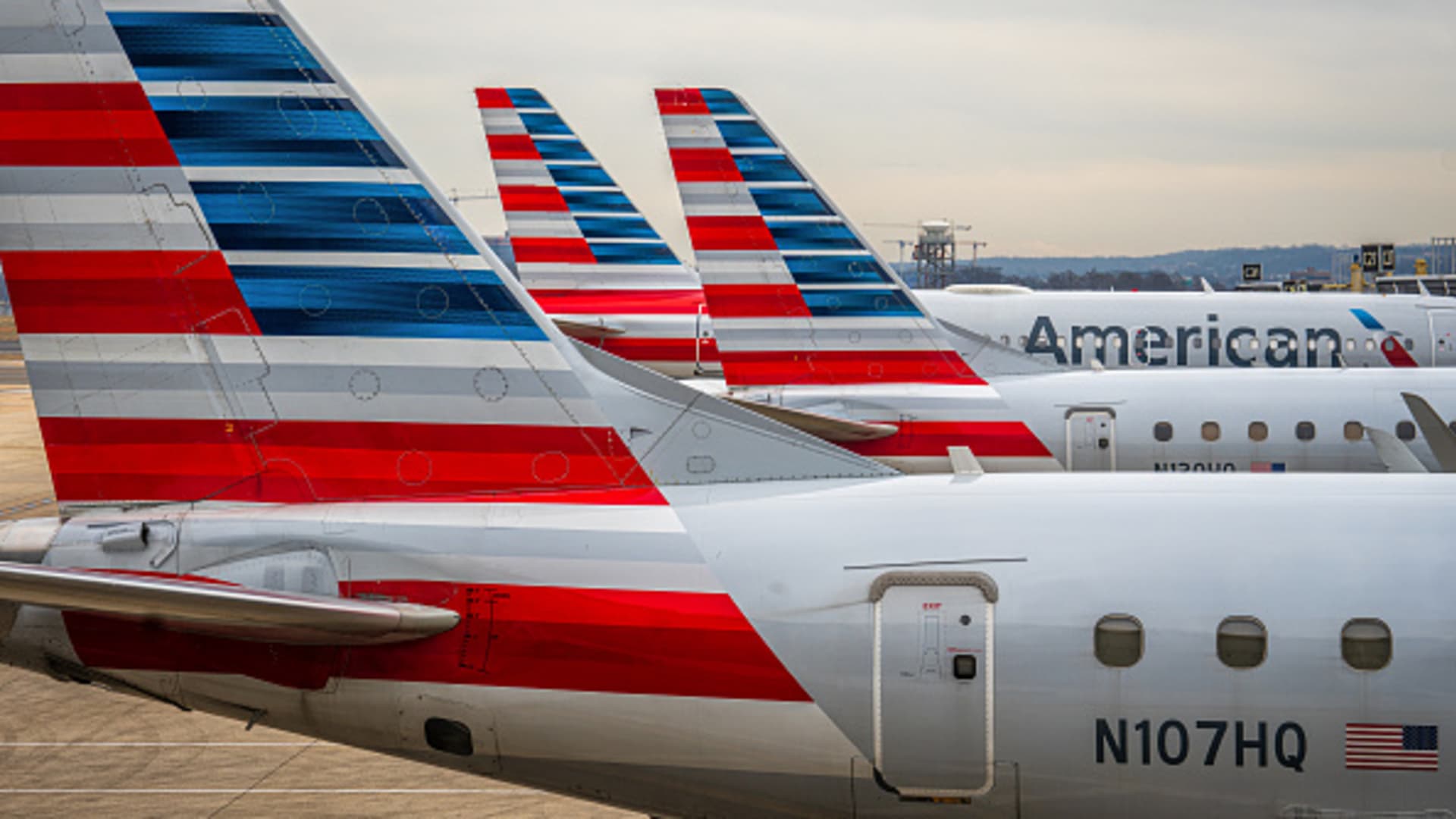
American Airlines and Alaska Air Group Explore Expanded Partnership
- Partnership Expansion Talks: American Airlines is in preliminary discussions with Alaska Air Group to broaden their existing partnership, potentially integrating Alaska into American's transatlantic and transpacific joint business arrangements, thereby enhancing competitive positioning in international markets.
- Existing Collaboration Foundation: The current partnership is based on codesharing and reciprocal loyalty benefits, with Alaska recently acquiring Hawaiian Airlines, and its CEO expressing excitement about organic growth plans, indicating a positive outlook for future collaboration.
- Regulatory Challenges Ahead: Any expansion would require approval from the U.S. Department of Transportation, and while international joint ventures have been common, recent scrutiny of airline partnerships may pose challenges, especially when involving two U.S. carriers.
- Complex Coordination Requirements: The structure under discussion differs from traditional international joint ventures, involving deeper coordination, including pricing and full revenue sharing, necessitating close alignment among airline partners and regulators.
See More
American Airlines and Alaska Air Explore Partnership Options
- Exploring Partnership Potential: American Airlines and Alaska Air are examining partnership options aimed at enhancing competitiveness through revenue sharing and route coordination rather than a full merger, thereby expanding their networks without the complexities of merging.
- International Collaboration Integration: Alaska Air may plug into American Airlines' existing international partnerships, including routes with British Airways and Japan Airlines, facilitating revenue sharing and schedule alignment between the two airlines.
- Adapting to Market Conditions: Given rising fuel costs and pressure from larger competitors like United and Delta, this collaboration is particularly timely, potentially strengthening American Airlines' presence in the West Coast market.
- Long-Haul Route Opportunities: For Alaska Air, this partnership opens up more access to long-haul routes and international traffic, further enhancing its market competitiveness and business expansion capabilities.
See More
American Airlines CEO Rejects Merger with United Airlines
- Merger Proposal Rejected: American Airlines CEO Robert Isom flatly rejected a merger proposal with United Airlines, labeling it anti-competitive while emphasizing American's commitment to defending its Chicago hub to maintain market competitiveness.
- Flight Schedule Rebuilding: Isom stated that federal actions to alleviate congestion at Chicago O'Hare Airport could allow American to restore its daily departures to around 500, enhancing operational efficiency and meeting customer demand.
- Partnership with Alaska Airlines: American is in early-stage talks with Alaska Airlines to deepen their partnership, potentially integrating Alaska into American's transatlantic and transpacific joint business arrangements, thereby expanding market reach.
- Union Warning: The pilot union at American Airlines expressed concerns over the deepening partnership with Alaska, asserting that it would vigorously defend contract protections related to code-sharing to ensure American's global competitiveness is not compromised.
See More
U.S. Airlines Face Fuel Cost Crisis Amid Record Passenger Numbers
- Record Passenger Numbers: U.S. airlines reported their highest-ever passenger counts in Q1, yet rising fuel costs have severely impacted profits, with United Airlines (UAL) cutting its full-year profit forecast by about a third, highlighting the industry's struggle between strong demand and soaring costs.
- Surging Fuel Costs: Jet fuel prices have nearly doubled since the U.S. and Israel's attacks on Iran in late February, making it difficult for airlines to raise fares quickly enough to cover costs; Southwest Airlines (LUV) expects second-quarter fuel prices to reach $4.10 to $4.15 per gallon, significantly up from $2.73 in Q1.
- Flight Reductions: Airlines are cutting flights despite full planes, with United Airlines CEO Scott Kirby stating that some routes no longer make sense in a high fuel price environment, leading to a planned 5% reduction in flights, while Delta Air Lines (DAL) is cutting capacity by over 3.5 percentage points.
- Fare Increases Insufficient: Although Delta's revenue rose nearly 10% in Q1 and fares increased by about 12% in early March, many passengers had booked before fuel prices surged, limiting airlines' ability to recover costs quickly; Alaska Airlines (ALK) noted it would have been profitable this quarter but for fuel costs.
See More
American Airlines and Alaska Air Explore Strategic Partnerships
- Revenue Sharing Talks: American Airlines and Alaska Air Group are exploring revenue-sharing agreements and other strategic partnerships to address rising costs and competition, thereby enhancing their market competitiveness.
- Schedule Coordination: The negotiations include adding Alaska to American's existing joint business arrangements, allowing both airlines to coordinate schedules and pricing on specific routes, which is expected to improve operational efficiency.
- Market Expansion Potential: Broader arrangements could give American greater reach on the US West Coast while enhancing connectivity through Alaska's Seattle hub, providing the smaller carrier with deeper access to lucrative long-haul markets.
- Fuel Cost Mitigation: Amid rising fuel costs linked to conflicts in the Middle East, this partnership would enable American to better defend itself against rivals like United Airlines and Delta Air Lines in key markets.
See More
Alaska Airlines Explores Partnership with American Airlines
- Strategic Partnership Potential: Alaska Airlines is exploring potential revenue-sharing agreements with American Airlines to integrate into its existing joint business arrangements with British Airways and Japan Airlines, thereby enhancing American's competitive edge against United Airlines.
- Stock Upside Expectations: Analysts predict a 29% upside for American Airlines (AAL) stock and a 42% upside for Alaska Airlines (ALK) over the next 12 months, reflecting a bullish sentiment regarding the future performance of both airlines.
- Route Expansion Plans: Earlier this year, Alaska Airlines ordered 105 narrowbody 737 Max 10 models and five 787-10 widebody aircraft to enhance its long-haul flight coverage, further solidifying its position in the aviation market.
- Market Sentiment Analysis: Despite the Middle East conflict dampening optimism around airline stocks, retail sentiment for Alaska Airlines and American Airlines remains 'extremely bullish', indicating strong investor confidence in the demand for air travel in the U.S.
See More
American Airlines and Alaska Air Group Explore Expanded Partnership
- Partnership Expansion Talks: American Airlines is in preliminary discussions with Alaska Air Group to broaden their existing partnership, potentially integrating Alaska into American's transatlantic and transpacific joint business arrangements, thereby enhancing competitive positioning in international markets.
- Existing Collaboration Foundation: The current partnership is based on codesharing and reciprocal loyalty benefits, with Alaska recently acquiring Hawaiian Airlines, and its CEO expressing excitement about organic growth plans, indicating a positive outlook for future collaboration.
- Regulatory Challenges Ahead: Any expansion would require approval from the U.S. Department of Transportation, and while international joint ventures have been common, recent scrutiny of airline partnerships may pose challenges, especially when involving two U.S. carriers.
- Complex Coordination Requirements: The structure under discussion differs from traditional international joint ventures, involving deeper coordination, including pricing and full revenue sharing, necessitating close alignment among airline partners and regulators.
See More