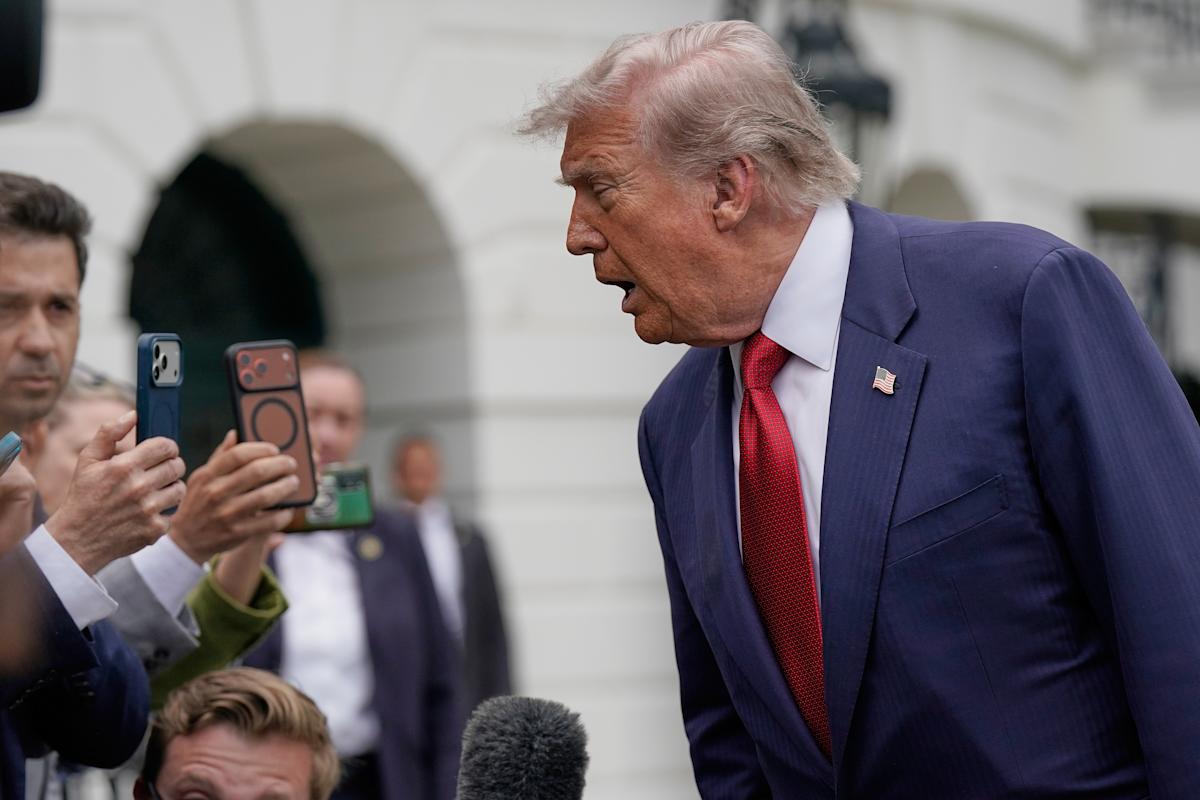
Trump-Xi Talks Omit Chip Export Controls, Focus on Minerals
Written by Emily J. Thompson, Senior Investment Analyst
Updated: 4 hours ago
0mins


Should l Buy NVDA?
Source: Newsfilter
- Meeting Overview: The Trump-Xi talks did not address chip export controls, although critical minerals and market access for U.S. tech companies were expected focal points, indicating ongoing tensions in the tech sector between the two nations.
- U.S. Executive Participation: High-profile executives including Nvidia's Jensen Huang, Tesla's Elon Musk, and Apple's Tim Cook were part of the U.S. delegation, reflecting America's interest in the Chinese market, yet the lack of consensus on chip exports may hinder future collaboration opportunities.
- Rare Earth Minerals Issue: China's dominance over critical and rare earth minerals remains a sensitive topic in U.S.-China relations; while the U.S. has seen improvements in accessing these resources, uncertainty over the extension of future agreements could impact America's competitiveness in high-tech industries.
- Market Reaction Expectations: Despite the absence of concrete agreements, President Xi's statement about further opening China's market may provide opportunities for U.S. businesses, but the practical implications remain to be seen, potentially affecting market confidence in future collaborations.
Trade with 70% Backtested Accuracy
Stop guessing "Should I Buy NVDA?" and start using high-conviction signals backed by rigorous historical data.
Sign up today to access powerful investing tools and make smarter, data-driven decisions.
Analyst Views on NVDA
Wall Street analysts forecast NVDA stock price to rise
41 Analyst Rating
39 Buy
1 Hold
1 Sell
Strong Buy
Current: 235.740

Low
200.00
Averages
264.97
High
352.00
Current: 235.740
Low
200.00
Averages
264.97
High
352.00
About NVDA
NVIDIA Corporation is an artificial intelligence (AI) infrastructure company. The Company is engaged in accelerated computing to help solve the challenging computational problems. Its segments include Compute & Networking and Graphics. The Compute & Networking segment includes its Data Center accelerated computing and networking platforms and AI solutions and software, and automotive platforms and autonomous and electric vehicle solutions, including software. The Graphics segment includes GeForce GPUs for gaming and personal computers (PCs), and Quadro/NVIDIA RTX GPUs for enterprise workstation graphics. Its technology stack includes the foundational NVIDIA CUDA development platform that runs on all NVIDIA GPUs, as well as hundreds of domain-specific software libraries, frameworks, algorithms, software development kits (SDKs), and application programming interfaces (APIs). Its platforms address four markets, which include Data Center, Gaming, Professional Visualization, and Automotive.
About the author

Emily J. Thompson
Emily J. Thompson, a Chartered Financial Analyst (CFA) with 12 years in investment research, graduated with honors from the Wharton School. Specializing in industrial and technology stocks, she provides in-depth analysis for Intellectia’s earnings and market brief reports.
Nvidia Market Cap Surpasses $5.36 Trillion

- Market Recovery: Nvidia (NVDA) saw its market cap dip below $5 trillion earlier this year, but since March, its stock has surged 18%, currently valued at $5.36 trillion, outperforming the S&P 500 and indicating strong market recovery potential.
- AI Technology Leadership: With its deep expertise in GPUs, Nvidia has positioned itself as a key driver of artificial intelligence development, and its latest Vera Rubin architecture is expected to be widely adopted by every cloud model builder, further solidifying its market position.
- Optimistic Earnings Forecast: Nvidia is expected to report a 79% sales increase in its upcoming May 20 earnings report for Q1 2027, with projected earnings per share rising from $0.81 last year to $1.78, showcasing robust profitability and market confidence.
- Investor Confidence Restored: Following strong Q1 earnings reports from major AI developers like Amazon and Alphabet, market confidence in Nvidia's growth prospects has been restored, with CEO Jensen Huang's mention of a $1 trillion sales opportunity further fueling investor optimism.
See More
Trump Invites Xi to White House for Trade Talks
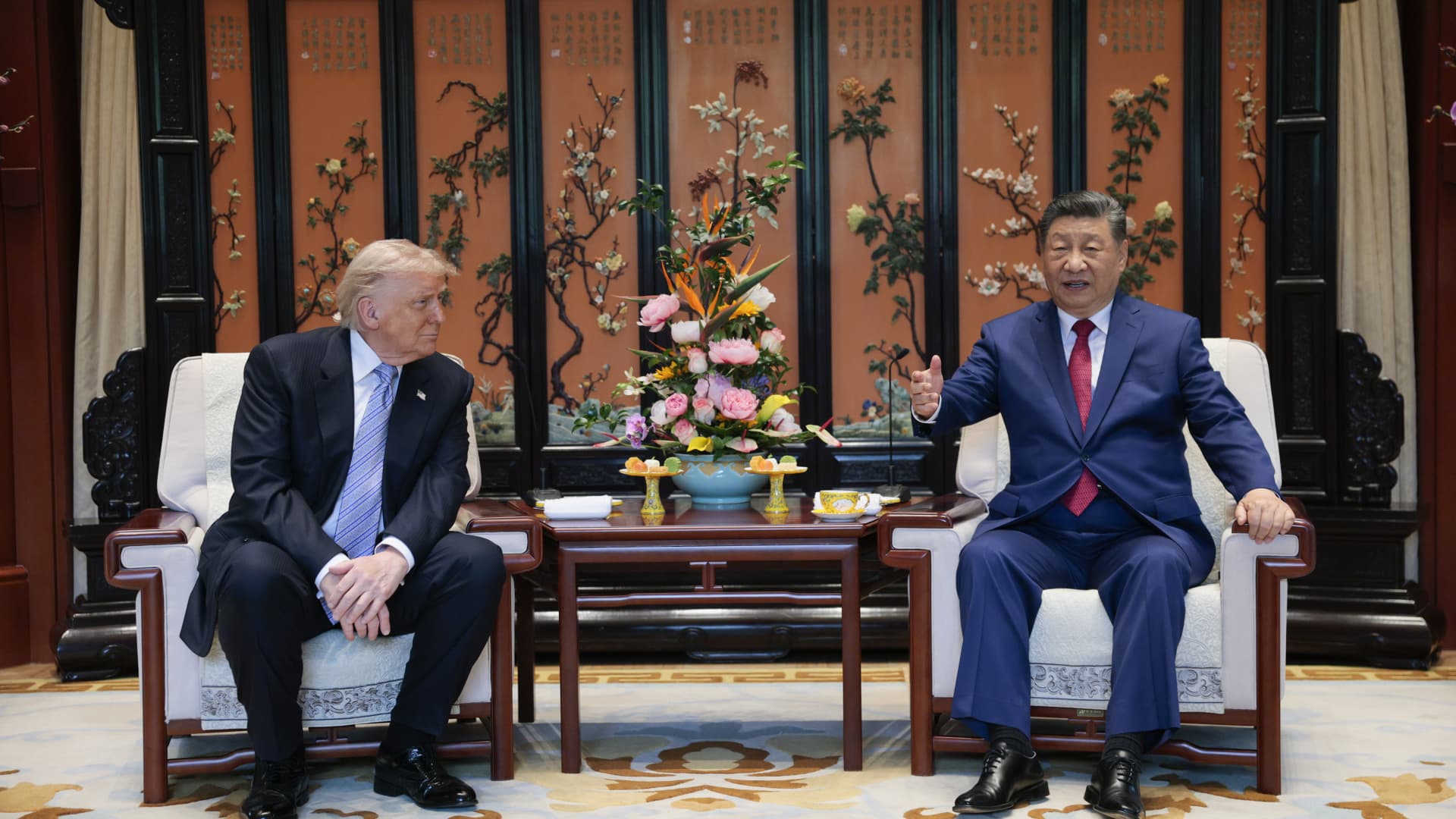
- Meeting Context: On May 15, 2026, U.S. President Trump met with Chinese President Xi Jinping at Zhongnanhai Garden in Beijing, discussing future trade negotiations, highlighting the complexity and significance of U.S.-China relations.
- White House Invitation: Trump announced at a state dinner his invitation for Xi to visit the White House on September 24, indicating that trade talks will extend beyond this week's two-day summit in Beijing, potentially influencing future economic policy directions.
- Strategic Stability Framework: Xi stated that both nations agreed to a framework of 'strategic stability' for the next three years, which could lay the groundwork for long-term development in bilateral relations, although specific agreements remain unconfirmed.
- Future Meeting Arrangements: The two leaders may meet again during the UN General Assembly in September, the APEC meeting in November, and the G20 meeting in December, providing opportunities for further economic cooperation in these significant international forums.
See More

Nvidia Stock Drops Amidst China Market Dynamics

- Sales Authorization Not Granted: Despite the U.S. permitting Nvidia to sell H200 AI chips to up to 10 Chinese companies, reports indicate no actual sales occurred, resulting in a 4% drop in Nvidia's stock during early trading.
- Intent for Domestic Development: President Trump stated that Chinese companies did not purchase Nvidia chips because they opted to develop their own, which may reflect China's intent to reduce reliance on foreign technology, impacting Nvidia's market outlook.
- Persistent Market Demand: Although sales have not materialized in the short term, the demand for Nvidia chips among Chinese companies remains strong, as evidenced by past instances where companies resorted to smuggling servers to access these chips, indicating significant market potential.
- Uncertain Future Sales Outlook: While authorization for purchases is currently lacking, market analysts suggest that China may change its stance in the coming days, potentially allowing sales, which would positively influence Nvidia's long-term growth prospects.
See More
Nvidia's Future Growth Potential Looks Massive
- Surge in Capital Expenditure: Global data center capital expenditures are projected to reach $3 trillion to $4 trillion by 2027, a significant increase from approximately $600 billion in 2025, providing Nvidia with substantial market opportunities and reinforcing its dominant position in AI hardware supply.
- AI Investment Trends: The big four AI hyperscalers plan to invest around $650 billion in data center investments in 2023, indicating strong demand for AI-related technologies, which will directly drive Nvidia's sales growth and market share expansion.
- Improved Earnings Outlook: Despite Nvidia's current P/E ratio of 45, its forward P/E ratio drops to 26, and is expected to fall to 19 next year, suggesting that the market may be underestimating its growth potential, which could attract more investor interest.
- Positive Market Reaction: As more companies disclose their capital expenditure plans for 2027, positive news is likely to drive Nvidia's stock price higher, enhancing its appeal as an investment, particularly against the backdrop of ongoing expansion in the AI sector.
See More

Nvidia's Stock Soars 20% Amid Trade Deal Hopes
- Significant Stock Surge: Nvidia's stock has surged 20% since May 5, increasing its market cap from $4.7 trillion to nearly $5.7 trillion, reflecting market optimism about a potential U.S.-China trade deal that could open sales channels in China.
- Active Options Market: The stock's rise has put many bullish options traders
See More

Market Dynamics and Investment Opportunities Analysis


- Tech Sector Weakness: Nasdaq 100 futures are down over 1.5%, indicating weakness in tech stocks, while U.S. WTI crude oil prices have risen 3% to $104 per barrel, and market interest rates are also climbing, with the 10-year Treasury yield surpassing 4.56% and the 30-year yield reaching 5.1%, which could exert pressure on the stock market.
- Applied Materials Strong Quarter: Applied Materials reported a robust quarterly performance, beating both revenue and earnings expectations, yet its inability to increase machine and tool output has kept supplies tight; Citi raised its price target from $520 to $550, but the stock still fell 2%, reflecting market concerns about the semiconductor sector.
- Deutsche Bank Bullish on BWX Technologies: Deutsche Bank upgraded BWX Technologies from hold to buy, citing an improving outlook for nuclear energy; BWX primarily designs and manufactures nuclear components for the Navy, and despite a good quarter earlier this month, the stock was poorly received, indicating cautious investor sentiment.
- Texas Roadhouse Potential: RBC Capital upgraded Texas Roadhouse from hold to buy, anticipating that declining beef prices will improve margins; although the company has struggled with high beef inflation, market optimism about its future is beginning to rise.
See More
Nvidia Market Cap Surpasses $5.36 Trillion
- Market Recovery: Nvidia (NVDA) saw its market cap dip below $5 trillion earlier this year, but since March, its stock has surged 18%, currently valued at $5.36 trillion, outperforming the S&P 500 and indicating strong market recovery potential.
- AI Technology Leadership: With its deep expertise in GPUs, Nvidia has positioned itself as a key driver of artificial intelligence development, and its latest Vera Rubin architecture is expected to be widely adopted by every cloud model builder, further solidifying its market position.
- Optimistic Earnings Forecast: Nvidia is expected to report a 79% sales increase in its upcoming May 20 earnings report for Q1 2027, with projected earnings per share rising from $0.81 last year to $1.78, showcasing robust profitability and market confidence.
- Investor Confidence Restored: Following strong Q1 earnings reports from major AI developers like Amazon and Alphabet, market confidence in Nvidia's growth prospects has been restored, with CEO Jensen Huang's mention of a $1 trillion sales opportunity further fueling investor optimism.
See More
Trump Invites Xi to White House for Trade Talks
- Meeting Context: On May 15, 2026, U.S. President Trump met with Chinese President Xi Jinping at Zhongnanhai Garden in Beijing, discussing future trade negotiations, highlighting the complexity and significance of U.S.-China relations.
- White House Invitation: Trump announced at a state dinner his invitation for Xi to visit the White House on September 24, indicating that trade talks will extend beyond this week's two-day summit in Beijing, potentially influencing future economic policy directions.
- Strategic Stability Framework: Xi stated that both nations agreed to a framework of 'strategic stability' for the next three years, which could lay the groundwork for long-term development in bilateral relations, although specific agreements remain unconfirmed.
- Future Meeting Arrangements: The two leaders may meet again during the UN General Assembly in September, the APEC meeting in November, and the G20 meeting in December, providing opportunities for further economic cooperation in these significant international forums.
See More
Nvidia Stock Drops Amidst China Market Dynamics
- Sales Authorization Not Granted: Despite the U.S. permitting Nvidia to sell H200 AI chips to up to 10 Chinese companies, reports indicate no actual sales occurred, resulting in a 4% drop in Nvidia's stock during early trading.
- Intent for Domestic Development: President Trump stated that Chinese companies did not purchase Nvidia chips because they opted to develop their own, which may reflect China's intent to reduce reliance on foreign technology, impacting Nvidia's market outlook.
- Persistent Market Demand: Although sales have not materialized in the short term, the demand for Nvidia chips among Chinese companies remains strong, as evidenced by past instances where companies resorted to smuggling servers to access these chips, indicating significant market potential.
- Uncertain Future Sales Outlook: While authorization for purchases is currently lacking, market analysts suggest that China may change its stance in the coming days, potentially allowing sales, which would positively influence Nvidia's long-term growth prospects.
See More
Nvidia's Future Growth Potential Looks Massive
- Surge in Capital Expenditure: Global data center capital expenditures are projected to reach $3 trillion to $4 trillion by 2027, a significant increase from approximately $600 billion in 2025, providing Nvidia with substantial market opportunities and reinforcing its dominant position in AI hardware supply.
- AI Investment Trends: The big four AI hyperscalers plan to invest around $650 billion in data center investments in 2023, indicating strong demand for AI-related technologies, which will directly drive Nvidia's sales growth and market share expansion.
- Improved Earnings Outlook: Despite Nvidia's current P/E ratio of 45, its forward P/E ratio drops to 26, and is expected to fall to 19 next year, suggesting that the market may be underestimating its growth potential, which could attract more investor interest.
- Positive Market Reaction: As more companies disclose their capital expenditure plans for 2027, positive news is likely to drive Nvidia's stock price higher, enhancing its appeal as an investment, particularly against the backdrop of ongoing expansion in the AI sector.
See More
Nvidia's Stock Soars 20% Amid Trade Deal Hopes
- Significant Stock Surge: Nvidia's stock has surged 20% since May 5, increasing its market cap from $4.7 trillion to nearly $5.7 trillion, reflecting market optimism about a potential U.S.-China trade deal that could open sales channels in China.
- Active Options Market: The stock's rise has put many bullish options traders
See More
Market Dynamics and Investment Opportunities Analysis
- Tech Sector Weakness: Nasdaq 100 futures are down over 1.5%, indicating weakness in tech stocks, while U.S. WTI crude oil prices have risen 3% to $104 per barrel, and market interest rates are also climbing, with the 10-year Treasury yield surpassing 4.56% and the 30-year yield reaching 5.1%, which could exert pressure on the stock market.
- Applied Materials Strong Quarter: Applied Materials reported a robust quarterly performance, beating both revenue and earnings expectations, yet its inability to increase machine and tool output has kept supplies tight; Citi raised its price target from $520 to $550, but the stock still fell 2%, reflecting market concerns about the semiconductor sector.
- Deutsche Bank Bullish on BWX Technologies: Deutsche Bank upgraded BWX Technologies from hold to buy, citing an improving outlook for nuclear energy; BWX primarily designs and manufactures nuclear components for the Navy, and despite a good quarter earlier this month, the stock was poorly received, indicating cautious investor sentiment.
- Texas Roadhouse Potential: RBC Capital upgraded Texas Roadhouse from hold to buy, anticipating that declining beef prices will improve margins; although the company has struggled with high beef inflation, market optimism about its future is beginning to rise.
See More