Trump's Federal Reserve Nominee is Causing Market Jitters: Here's How Stocks, Bitcoin, and Gold Are Responding to Warsh.

Role of the Federal Reserve: Former Fed Chair William McChesney Martin emphasized that the central bank's duty is to curb excesses in the economy, akin to removing a punchbowl when the party is in full swing.
Impact of Kevin Warsh's Nomination: Kevin Warsh's nomination by President Donald Trump to lead the Fed has seemingly deflated a bubble in precious metals, indicating his influence even before taking office.
Trade with 70% Backtested Accuracy
Analyst Views on LI

About LI
About the author


The Rise and Transformation of Physical AI


- Physical AI Transformation: Bank of America analyst Martyn Briggs highlights that the rise of Physical AI is underway, projected to drive a trillion-dollar market shift as value transitions from digital models to physical machines like robots, autonomous vehicles, and drones, marking a significant shift of intelligence from screens to machines.
- Humanoid Robot Production: Over 50 companies are developing humanoid robot platforms, with shipments expected to grow from tens of thousands today to millions annually over the next decade, driven by labor shortages and falling component costs, which will transform operations in manufacturing and logistics.
- Autonomous Driving Adoption: Robotaxis are operational in multiple cities, and advanced driver-assistance systems are set to achieve mass adoption in China by 2030, with hardware cost reductions significantly lowering ride-hailing and freight costs, thus transforming mobility into a software-defined, AI-driven platform.
- Investment Opportunities: Bank of America has highlighted 15 publicly traded companies exposed to Physical AI, including Nvidia, Tesla, and Qualcomm, which are leading in chips, robotics, mobility, and sensing, expected to spearhead this transformative wave.

Nio Inc. Issues Positive Profit Alert for Q4 2025


- Positive Profit Outlook: Nio anticipates an adjusted profit from operations of approximately 700 million to 1.2 billion Chinese yuan (about $100 million to $172 million) for Q4 2025, a stark contrast to the 5.54 billion yuan loss in Q4 2024, indicating a strong potential for business recovery.
- Significant Delivery Growth: In January, Nio reported a 96.1% year-over-year increase in deliveries, reaching 27,182 vehicles, with the third-generation ES8 SUV accounting for nearly two-thirds of total deliveries, highlighting the company's ongoing growth and market share expansion in the EV sector.
- Ongoing Technology Investment: Nio continues to invest heavily in smart EV technologies, planning to launch an upgraded NIO World model in January 2026 to enhance assisted driving, smart parking, and safety features, further improving user experience and competitive positioning.
- Stock Price Surge: Following the positive profit alert, Nio's stock rose 9.23% to $4.84 in premarket trading on Thursday, reflecting market optimism regarding the company's future profitability.

BYD Reports Nearly Two-Year Low in January Sales

- Sales Decline: BYD reported only 83,249 battery electric passenger cars sold in January, marking a significant drop and indicating weak domestic demand while facing fierce competition, which could impact its market share.
- Policy Impact: The reinstatement of a 5% purchase tax on new energy vehicles starting January 1 ends over a decade of exemptions, likely further suppressing consumer purchasing intentions and affecting overall sales.
- Intensifying Competition: Brands like Xiaomi and Nio reported year-on-year delivery increases in January, with Xiaomi exceeding 39,000 deliveries, highlighting intensified market competition that may pressure BYD's sales.
- Export Decline: BYD's exports fell to 100,482 vehicles in January from 133,172 in December, reflecting weakening international demand, which could adversely affect the company's overall performance.

Li Auto Reports Continued Decline in Deliveries
- Declining Deliveries: Li Auto delivered 27,668 vehicles in January 2026, reflecting a 7.55% year-over-year decline, marking the eighth consecutive month of falling deliveries and reaching the lowest level since March 2025, indicating the impact of intensified competition on its L-series hybrids.
- Cumulative Delivery Figures: The cumulative delivery total now stands at 1,567,883 units, showcasing the company's ongoing efforts in the market, but the recent decline in deliveries may adversely affect its future market share and brand perception.
- Retail and Charging Network: As of January 31, 2026, Li Auto operates 547 retail stores and 547 service centers across 159 cities, along with 3,966 supercharging stations nationwide, equipped with 21,945 charging stalls, demonstrating its continued investment in infrastructure development.
- Poor Financial Performance: In November 2025, Li Auto reported a significant decline in third-quarter fiscal results, with vehicle sales dropping 37.4% to $3.6 billion, primarily due to lower delivery volumes and rising costs, which could negatively impact its future profitability.

Trump's Federal Reserve Nominee is Causing Market Jitters: Here's How Stocks, Bitcoin, and Gold Are Responding to Warsh.

Role of the Federal Reserve: Former Fed Chair William McChesney Martin emphasized that the central bank's duty is to curb excesses in the economy, akin to removing a punchbowl when the party is in full swing.
Impact of Kevin Warsh's Nomination: Kevin Warsh's nomination by President Donald Trump to lead the Fed has seemingly deflated a bubble in precious metals, indicating his influence even before taking office.
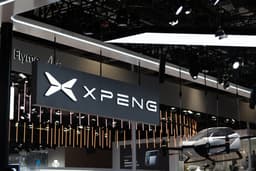
XPeng Inc. Reports 34% Decline in Deliveries
- Delivery Decline: XPeng delivered 20,011 vehicles in January 2026, marking a 34% year-over-year decline, indicating pressure in the competitive EV market that may affect future sales forecasts.
- Global Expansion: As of December 31, 2025, XPeng has established 380 physical stores across 60 countries and regions, achieving over 150% year-over-year growth, reflecting a proactive international market strategy despite current delivery challenges.
- New Model Launch: The XPeng P7+ was launched simultaneously in 36 countries and made its European debut at the 2026 Brussels Motor Show, aiming to enhance brand visibility and attract more international consumers.
- Financial Performance: In Q3 2025, XPeng reported revenue of 20.38 billion yuan (approximately $2.86 billion), a 101.8% year-over-year increase, although it fell short of market expectations; however, the adjusted net loss per ADS was 0.16 yuan, better than the analyst consensus loss estimate of 0.47 yuan.
The Rise and Transformation of Physical AI
- Physical AI Transformation: Bank of America analyst Martyn Briggs highlights that the rise of Physical AI is underway, projected to drive a trillion-dollar market shift as value transitions from digital models to physical machines like robots, autonomous vehicles, and drones, marking a significant shift of intelligence from screens to machines.
- Humanoid Robot Production: Over 50 companies are developing humanoid robot platforms, with shipments expected to grow from tens of thousands today to millions annually over the next decade, driven by labor shortages and falling component costs, which will transform operations in manufacturing and logistics.
- Autonomous Driving Adoption: Robotaxis are operational in multiple cities, and advanced driver-assistance systems are set to achieve mass adoption in China by 2030, with hardware cost reductions significantly lowering ride-hailing and freight costs, thus transforming mobility into a software-defined, AI-driven platform.
- Investment Opportunities: Bank of America has highlighted 15 publicly traded companies exposed to Physical AI, including Nvidia, Tesla, and Qualcomm, which are leading in chips, robotics, mobility, and sensing, expected to spearhead this transformative wave.
Nio Inc. Issues Positive Profit Alert for Q4 2025
- Positive Profit Outlook: Nio anticipates an adjusted profit from operations of approximately 700 million to 1.2 billion Chinese yuan (about $100 million to $172 million) for Q4 2025, a stark contrast to the 5.54 billion yuan loss in Q4 2024, indicating a strong potential for business recovery.
- Significant Delivery Growth: In January, Nio reported a 96.1% year-over-year increase in deliveries, reaching 27,182 vehicles, with the third-generation ES8 SUV accounting for nearly two-thirds of total deliveries, highlighting the company's ongoing growth and market share expansion in the EV sector.
- Ongoing Technology Investment: Nio continues to invest heavily in smart EV technologies, planning to launch an upgraded NIO World model in January 2026 to enhance assisted driving, smart parking, and safety features, further improving user experience and competitive positioning.
- Stock Price Surge: Following the positive profit alert, Nio's stock rose 9.23% to $4.84 in premarket trading on Thursday, reflecting market optimism regarding the company's future profitability.
BYD Reports Nearly Two-Year Low in January Sales
- Sales Decline: BYD reported only 83,249 battery electric passenger cars sold in January, marking a significant drop and indicating weak domestic demand while facing fierce competition, which could impact its market share.
- Policy Impact: The reinstatement of a 5% purchase tax on new energy vehicles starting January 1 ends over a decade of exemptions, likely further suppressing consumer purchasing intentions and affecting overall sales.
- Intensifying Competition: Brands like Xiaomi and Nio reported year-on-year delivery increases in January, with Xiaomi exceeding 39,000 deliveries, highlighting intensified market competition that may pressure BYD's sales.
- Export Decline: BYD's exports fell to 100,482 vehicles in January from 133,172 in December, reflecting weakening international demand, which could adversely affect the company's overall performance.
Li Auto Reports Continued Decline in Deliveries
- Declining Deliveries: Li Auto delivered 27,668 vehicles in January 2026, reflecting a 7.55% year-over-year decline, marking the eighth consecutive month of falling deliveries and reaching the lowest level since March 2025, indicating the impact of intensified competition on its L-series hybrids.
- Cumulative Delivery Figures: The cumulative delivery total now stands at 1,567,883 units, showcasing the company's ongoing efforts in the market, but the recent decline in deliveries may adversely affect its future market share and brand perception.
- Retail and Charging Network: As of January 31, 2026, Li Auto operates 547 retail stores and 547 service centers across 159 cities, along with 3,966 supercharging stations nationwide, equipped with 21,945 charging stalls, demonstrating its continued investment in infrastructure development.
- Poor Financial Performance: In November 2025, Li Auto reported a significant decline in third-quarter fiscal results, with vehicle sales dropping 37.4% to $3.6 billion, primarily due to lower delivery volumes and rising costs, which could negatively impact its future profitability.
Trump's Federal Reserve Nominee is Causing Market Jitters: Here's How Stocks, Bitcoin, and Gold Are Responding to Warsh.
Role of the Federal Reserve: Former Fed Chair William McChesney Martin emphasized that the central bank's duty is to curb excesses in the economy, akin to removing a punchbowl when the party is in full swing.
Impact of Kevin Warsh's Nomination: Kevin Warsh's nomination by President Donald Trump to lead the Fed has seemingly deflated a bubble in precious metals, indicating his influence even before taking office.
XPeng Inc. Reports 34% Decline in Deliveries
- Delivery Decline: XPeng delivered 20,011 vehicles in January 2026, marking a 34% year-over-year decline, indicating pressure in the competitive EV market that may affect future sales forecasts.
- Global Expansion: As of December 31, 2025, XPeng has established 380 physical stores across 60 countries and regions, achieving over 150% year-over-year growth, reflecting a proactive international market strategy despite current delivery challenges.
- New Model Launch: The XPeng P7+ was launched simultaneously in 36 countries and made its European debut at the 2026 Brussels Motor Show, aiming to enhance brand visibility and attract more international consumers.
- Financial Performance: In Q3 2025, XPeng reported revenue of 20.38 billion yuan (approximately $2.86 billion), a 101.8% year-over-year increase, although it fell short of market expectations; however, the adjusted net loss per ADS was 0.16 yuan, better than the analyst consensus loss estimate of 0.47 yuan.