Trump to Announce Expansion of TrumpRx Discounted Prescription Medications
Written by Emily J. Thompson, Senior Investment Analyst
Updated: May 18 2026
0mins


U.S. President Donald Trump is slated to announce this afternoon a "dramatic expansion" of discounted prescription medication offerings available on TrumpRx, CNBC's Megan Cassella reports, citing a White House official. Trump is set to speak at a healthcare affordability event at 4:30 pm ET Monday, the author notes. Publicly traded companies in the space include AstraZeneca (AZN), Bristol Myers (BMY), Eli Lilly (LLY), GSK (GSK), Johnson & Johnson (JNJ), Merck (MRK), Novartis (NVS), Pfizer (PFE), Roche (RHHBY) and Sanofi (SNY).
Trade with 70% Backtested Accuracy
Stop guessing "Should I Buy JNJ?" and start using high-conviction signals backed by rigorous historical data.
Sign up today to access powerful investing tools and make smarter, data-driven decisions.
Analyst Views on JNJ
Wall Street analysts forecast JNJ stock price to fall
20 Analyst Rating
13 Buy
7 Hold
0 Sell
Moderate Buy
Current: 230.800

Low
190.00
Averages
218.50
High
240.00
Current: 230.800
Low
190.00
Averages
218.50
High
240.00
About JNJ
Johnson & Johnson and its subsidiaries are engaged in the research and development, manufacture, and sale of a range of products in the healthcare field. The Company’s segments include Innovative Medicine and MedTech. The Innovative Medicine segment is focused on various therapeutic areas, including immunology, infectious diseases, neuroscience, oncology, pulmonary hypertension, cardiovascular and metabolism. Its products include REMICADE (infliximab), SIMPONI (golimumab), SIMPONI ARIA (golimumab), STELARA (ustekinumab), TREMFYA (guselkumab), EDURANT (rilpivirine), and INVEGA SUSTENNA/XEPLION (paliperidone palmitate). The MedTech segment includes a portfolio of products used in cardiovascular, orthopedics, surgery, and vision categories. The Cardiovascular portfolio includes electrophysiology products to treat heart rhythm disorders and circulatory restoration products (Shockwave) for the treatment of calcified coronary artery disease (CAD) and peripheral artery disease (PAD).
About the author

Emily J. Thompson
Emily J. Thompson, a Chartered Financial Analyst (CFA) with 12 years in investment research, graduated with honors from the Wharton School. Specializing in industrial and technology stocks, she provides in-depth analysis for Intellectia’s earnings and market brief reports.

Johnson & Johnson Updates RYBREVANT Study Findings

- Survival Rate Improvement: Johnson & Johnson's CHRYSALIS-2 study reveals that the combination of RYBREVANT and LAZCLUZE achieves a median overall survival of nearly 3.5 years in patients with advanced non-small cell lung cancer, indicating significant potential for improving long-term patient outcomes in this challenging population.
- Consistency of Efficacy: The analysis shows consistent treatment responses across atypical EGFR mutation subgroups, including those historically linked to poorer prognoses, further validating the effectiveness and broad applicability of this therapeutic combination.
- Clinical Significance: These findings contribute to the growing evidence supporting the use of RYBREVANT plus LAZCLUZE in first-line treatment, potentially offering durable survival benefits for non-small cell lung cancer patients and driving transformative changes in clinical practice.
- Market Reaction: Despite the positive study results, JNJ's stock price fell by 2.37% to $225.33 in Friday's trading, reflecting overall market sentiment towards the biopharmaceutical sector and investor caution regarding new therapies.
See More

Preparing for Economic Recession: Resilient Stock Picks

- Consumer Resilience: Coca-Cola and Procter & Gamble, both Dividend Kings, maintain high dividend yields of 2.6% and 2.9% respectively, showcasing their robust business models and market adaptability, which help stabilize cash flow during economic downturns.
- Healthcare Sector Stability: Johnson & Johnson and Medtronic also demonstrate strong performance in the healthcare sector, offering dividend yields of 2.3% and 3.6%, indicating that the inelastic demand for medical care allows these companies to remain profitable amid economic fluctuations.
- Valuation Insights: Coca-Cola's price-to-earnings ratio is slightly below its five-year average, suggesting reasonable pricing, while Procter & Gamble's P/E is even lower, indicating potential undervaluation that may attract value investors.
- Portfolio Strategy: Given the increasing risk of economic recession, investors are advised to consider adding these resilient consumer and healthcare stocks to their portfolios to mitigate potential economic downturn risks.
See More

Resilient Stocks to Consider Amid Recession Fears
- Resilient Sector Focus: In light of impending economic recessions, investors are advised to concentrate on resilient sectors such as consumer staples and healthcare, which maintain stable cash flows and profitability by selling essential everyday products even during downturns.
- Coca-Cola and Procter & Gamble: Both companies, recognized as 'Dividend Kings', offer dividend yields of 2.6% and 2.9% respectively, with their price-to-earnings ratios currently below their five-year averages, indicating that their stock prices are reasonably valued and suitable for income-seeking investors.
- Strong Healthcare Options: Johnson & Johnson and Medtronic also demonstrate resilience in the healthcare sector, with dividend yields of 2.3% and 3.6% respectively; while J&J's P/E is above its five-year average, its diversified operations provide investors with effective risk management.
- Medtronic's Growth Potential: Medtronic achieved its highest revenue growth rate in ten quarters during Q3 of fiscal 2026, and although the company is undergoing restructuring to enhance innovation, its attractive dividend yield compensates investors for their patience during this transition.
See More

Walmart's Dividend Growth Amid Stock Price Decline

- Stable Dividend Growth: Walmart has increased its dividend for 53 consecutive years, demonstrating its reliability as a Dividend King, and while the dividend yield is only 0.8%, the consistent returns attract long-term investors.
- Stock Price Volatility: Despite meeting expectations for Q1 FY2027, Walmart's stock price dropped over 9% from May 20 to 26 due to a cautious outlook, reflecting market concerns over rising fuel costs impacting operations and consumer spending.
- Technology-Driven Growth: The introduction of the Walmart+ subscription plan has proven successful, with members spending four times more than non-members, and the quarterly revenue from membership fees increased by double digits, showcasing effective service transformation.
- Advertising Revenue Surge: Advertising revenue grew by 36% this quarter, becoming a significant part of Walmart's income, and combined with online sales and subscription services, it creates a sustainable revenue growth model that enhances the company's future profitability.
See More

Walmart's Dividend Opportunities Amid Stock Price Fluctuations
- Reliability of Dividend Kings: Walmart, recognized as a Dividend King, has increased its dividend for 53 consecutive years, providing a 150% return to shareholders over the past five years, showcasing its potential for stable dividends and stock price appreciation, despite a recent stock price drop of over 9% due to cautious outlook.
- Earnings Performance and Market Reaction: Walmart's fiscal 2027 Q1 results largely met expectations, but the stock price fell due to below-expectation guidance for the upcoming quarter, with investors concerned about rising fuel costs impacting distribution and consumer spending.
- Technology-Driven Growth: Walmart enhances its competitiveness through technological innovations, with the Walmart+ membership program leading to members spending four times more than non-members, and a double-digit increase in membership fee revenue this quarter, indicating strong growth potential in subscription and advertising revenue.
- Optimistic Management Outlook: Despite challenges from rising fuel costs, Walmart's management expresses optimism about future business potential, with CFO John Rainey stating that the excitement about the business is at its highest in years, reflecting confidence in sustained growth and dividend payouts.
See More
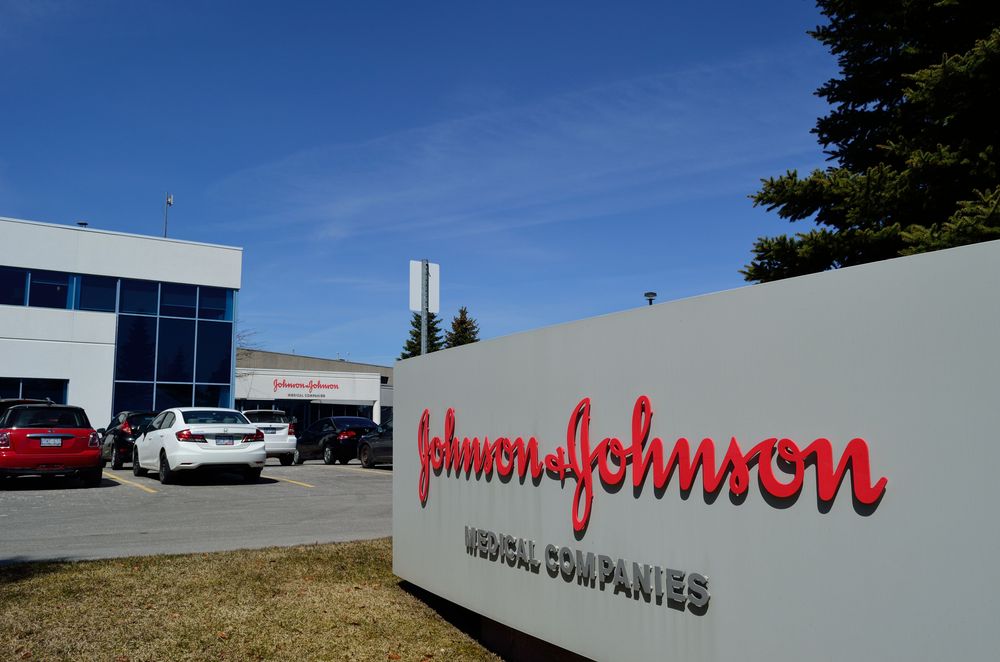
Johnson & Johnson's Lung Cancer Therapy Shows Significant Survival Improvement
- Survival Rate Data: Johnson & Johnson's RYBREVANT-LAZCLUZE combination therapy achieved a median overall survival of nearly 3.5 years in 49 patients with advanced lung cancer carrying atypical EGFR mutations, indicating the therapy's potential in treating this patient group.
- Study Results Presentation: The findings were presented at the 2026 American Society of Clinical Oncology (ASCO) Annual Meeting; however, despite the positive data, JNJ's stock fell 2.3% during Friday trading, reflecting market caution regarding the new therapy's reception.
- Long-term Survival Rates: The data showed that 55% of patients treated with the combination were alive after three years and 46% after four years, suggesting the therapy's potential for durable disease control, which could influence future treatment decisions.
- Market Sentiment Shift: Stocktwits sentiment on JNJ improved from “neutral” to “bullish,” indicating investor optimism about the therapy's prospects, with the stock gaining over 47% in the past 12 months.
See More
Johnson & Johnson Updates RYBREVANT Study Findings
- Survival Rate Improvement: Johnson & Johnson's CHRYSALIS-2 study reveals that the combination of RYBREVANT and LAZCLUZE achieves a median overall survival of nearly 3.5 years in patients with advanced non-small cell lung cancer, indicating significant potential for improving long-term patient outcomes in this challenging population.
- Consistency of Efficacy: The analysis shows consistent treatment responses across atypical EGFR mutation subgroups, including those historically linked to poorer prognoses, further validating the effectiveness and broad applicability of this therapeutic combination.
- Clinical Significance: These findings contribute to the growing evidence supporting the use of RYBREVANT plus LAZCLUZE in first-line treatment, potentially offering durable survival benefits for non-small cell lung cancer patients and driving transformative changes in clinical practice.
- Market Reaction: Despite the positive study results, JNJ's stock price fell by 2.37% to $225.33 in Friday's trading, reflecting overall market sentiment towards the biopharmaceutical sector and investor caution regarding new therapies.
See More
Preparing for Economic Recession: Resilient Stock Picks
- Consumer Resilience: Coca-Cola and Procter & Gamble, both Dividend Kings, maintain high dividend yields of 2.6% and 2.9% respectively, showcasing their robust business models and market adaptability, which help stabilize cash flow during economic downturns.
- Healthcare Sector Stability: Johnson & Johnson and Medtronic also demonstrate strong performance in the healthcare sector, offering dividend yields of 2.3% and 3.6%, indicating that the inelastic demand for medical care allows these companies to remain profitable amid economic fluctuations.
- Valuation Insights: Coca-Cola's price-to-earnings ratio is slightly below its five-year average, suggesting reasonable pricing, while Procter & Gamble's P/E is even lower, indicating potential undervaluation that may attract value investors.
- Portfolio Strategy: Given the increasing risk of economic recession, investors are advised to consider adding these resilient consumer and healthcare stocks to their portfolios to mitigate potential economic downturn risks.
See More
Resilient Stocks to Consider Amid Recession Fears
- Resilient Sector Focus: In light of impending economic recessions, investors are advised to concentrate on resilient sectors such as consumer staples and healthcare, which maintain stable cash flows and profitability by selling essential everyday products even during downturns.
- Coca-Cola and Procter & Gamble: Both companies, recognized as 'Dividend Kings', offer dividend yields of 2.6% and 2.9% respectively, with their price-to-earnings ratios currently below their five-year averages, indicating that their stock prices are reasonably valued and suitable for income-seeking investors.
- Strong Healthcare Options: Johnson & Johnson and Medtronic also demonstrate resilience in the healthcare sector, with dividend yields of 2.3% and 3.6% respectively; while J&J's P/E is above its five-year average, its diversified operations provide investors with effective risk management.
- Medtronic's Growth Potential: Medtronic achieved its highest revenue growth rate in ten quarters during Q3 of fiscal 2026, and although the company is undergoing restructuring to enhance innovation, its attractive dividend yield compensates investors for their patience during this transition.
See More
Walmart's Dividend Growth Amid Stock Price Decline
- Stable Dividend Growth: Walmart has increased its dividend for 53 consecutive years, demonstrating its reliability as a Dividend King, and while the dividend yield is only 0.8%, the consistent returns attract long-term investors.
- Stock Price Volatility: Despite meeting expectations for Q1 FY2027, Walmart's stock price dropped over 9% from May 20 to 26 due to a cautious outlook, reflecting market concerns over rising fuel costs impacting operations and consumer spending.
- Technology-Driven Growth: The introduction of the Walmart+ subscription plan has proven successful, with members spending four times more than non-members, and the quarterly revenue from membership fees increased by double digits, showcasing effective service transformation.
- Advertising Revenue Surge: Advertising revenue grew by 36% this quarter, becoming a significant part of Walmart's income, and combined with online sales and subscription services, it creates a sustainable revenue growth model that enhances the company's future profitability.
See More
Walmart's Dividend Opportunities Amid Stock Price Fluctuations
- Reliability of Dividend Kings: Walmart, recognized as a Dividend King, has increased its dividend for 53 consecutive years, providing a 150% return to shareholders over the past five years, showcasing its potential for stable dividends and stock price appreciation, despite a recent stock price drop of over 9% due to cautious outlook.
- Earnings Performance and Market Reaction: Walmart's fiscal 2027 Q1 results largely met expectations, but the stock price fell due to below-expectation guidance for the upcoming quarter, with investors concerned about rising fuel costs impacting distribution and consumer spending.
- Technology-Driven Growth: Walmart enhances its competitiveness through technological innovations, with the Walmart+ membership program leading to members spending four times more than non-members, and a double-digit increase in membership fee revenue this quarter, indicating strong growth potential in subscription and advertising revenue.
- Optimistic Management Outlook: Despite challenges from rising fuel costs, Walmart's management expresses optimism about future business potential, with CFO John Rainey stating that the excitement about the business is at its highest in years, reflecting confidence in sustained growth and dividend payouts.
See More
Johnson & Johnson's Lung Cancer Therapy Shows Significant Survival Improvement
- Survival Rate Data: Johnson & Johnson's RYBREVANT-LAZCLUZE combination therapy achieved a median overall survival of nearly 3.5 years in 49 patients with advanced lung cancer carrying atypical EGFR mutations, indicating the therapy's potential in treating this patient group.
- Study Results Presentation: The findings were presented at the 2026 American Society of Clinical Oncology (ASCO) Annual Meeting; however, despite the positive data, JNJ's stock fell 2.3% during Friday trading, reflecting market caution regarding the new therapy's reception.
- Long-term Survival Rates: The data showed that 55% of patients treated with the combination were alive after three years and 46% after four years, suggesting the therapy's potential for durable disease control, which could influence future treatment decisions.
- Market Sentiment Shift: Stocktwits sentiment on JNJ improved from “neutral” to “bullish,” indicating investor optimism about the therapy's prospects, with the stock gaining over 47% in the past 12 months.
See More