Top Dividend Stocks to Hold for the Next Decade
Written by Emily J. Thompson, Senior Investment Analyst
Updated: 1 hour ago
0mins

Source: Fool
- Clorox's Rebuilding: After a $580 million ERP upgrade and a cyberattack, Clorox's $2.25 billion acquisition of GOJO Industries in 2026 is expected to drive sales growth over the next decade, particularly in hand hygiene products.
- Brown-Forman's Consistent Growth: With 42 consecutive years of dividend increases, Brown-Forman faces a soft global spirits market but has seen positive consumer engagement with its new Jack Daniel's Tennessee Blackberry flavor, projecting a 6% to 8% annual dividend growth over the next decade.
- Kimberly-Clark's Transformation: Currently undergoing its most significant transformation in 154 years, Kimberly-Clark reported a 3.7% increase in adjusted operating profit in Q1 2026 and reaffirmed its full-year guidance, indicating that restructuring is not disrupting core operations, while the merger with Kenvue will enhance market competitiveness over the next decade.
- Stable Dividend Yields: Clorox, Brown-Forman, and Kimberly-Clark offer dividend yields of 5.18%, 3.45%, and a safe level respectively, indicating that these companies will provide stable cash flow and potential capital appreciation for investors over the next ten years.
Trade with 70% Backtested Accuracy
Stop guessing "Should I Buy KMB?" and start using high-conviction signals backed by rigorous historical data.
Sign up today to access powerful investing tools and make smarter, data-driven decisions.
Analyst Views on KMB
Wall Street analysts forecast KMB stock price to rise
14 Analyst Rating
5 Buy
8 Hold
1 Sell
Moderate Buy
Current: 101.470

Low
95.00
Averages
127.71
High
162.00
Current: 101.470
Low
95.00
Averages
127.71
High
162.00
About KMB
Kimberly-Clark Corporation is a global company focused on delivering products and solutions that provide better care. The Company's segments include North America and International Personal Care. The North America segment consists of products encompassing each of its five global daily-need categories across consumer and professional channels, including disposable diapers, training and youth pants, swim pants, baby wipes, feminine and incontinence care products, reusable underwear, facial and bathroom tissue, paper towels, napkins, wipers, tissue, towels, soaps and sanitizers and other related products. The International Personal Care segment consists of three core categories: Baby & Child Care, Adult Care and Feminine Care, including disposable diapers, training and youth pants, swim pants, baby wipes, feminine and incontinence care products, reusable underwear and other related products. Its portfolio of brands includes Huggies, Kleenex, Scott, Kotex, Cottonelle, Depend, and Pull-Ups.
About the author

Emily J. Thompson
Emily J. Thompson, a Chartered Financial Analyst (CFA) with 12 years in investment research, graduated with honors from the Wharton School. Specializing in industrial and technology stocks, she provides in-depth analysis for Intellectia’s earnings and market brief reports.

Top Dividend Stocks to Hold for the Next Decade


- Clorox's Rebuilding: After a $580 million ERP upgrade and a cyberattack, Clorox's $2.25 billion acquisition of GOJO Industries in 2026 is expected to drive sales growth over the next decade, particularly in hand hygiene products.
- Brown-Forman's Consistent Growth: With 42 consecutive years of dividend increases, Brown-Forman faces a soft global spirits market but has seen positive consumer engagement with its new Jack Daniel's Tennessee Blackberry flavor, projecting a 6% to 8% annual dividend growth over the next decade.
- Kimberly-Clark's Transformation: Currently undergoing its most significant transformation in 154 years, Kimberly-Clark reported a 3.7% increase in adjusted operating profit in Q1 2026 and reaffirmed its full-year guidance, indicating that restructuring is not disrupting core operations, while the merger with Kenvue will enhance market competitiveness over the next decade.
- Stable Dividend Yields: Clorox, Brown-Forman, and Kimberly-Clark offer dividend yields of 5.18%, 3.45%, and a safe level respectively, indicating that these companies will provide stable cash flow and potential capital appreciation for investors over the next ten years.
See More

2026 Consumer Goods Market Analysis
- Church & Dwight's Strong Performance: Church & Dwight (CHD) achieved a 5% organic sales growth in Q1 2026, surpassing the 3% forecast, indicating the company's ability to navigate inflation through volume growth rather than price increases, thereby enhancing its market competitiveness.
- Keurig Dr Pepper's Growth Potential: Despite a nearly 29% decline from its 2025 peak, Keurig Dr Pepper (KDP) expects its energy drink portfolio to generate over $1 billion in annual retail sales, showcasing strong market demand and growth potential.
- Kenvue's Merger Prospects: Kenvue (KVUE) reported an 8.4% growth in its skin health and beauty division in Q1 2026, with quarterly sales reaching $1 billion, and the anticipated merger with Kimberly-Clark (KMB) is expected to further strengthen its market position and pricing power.
- Robust Investment Amid Market Uncertainty: In an uncertain market, these three companies provide a stable business foundation, making them suitable for investors looking to allocate $1,000 during turbulent times for long-term growth.
See More
Church & Dwight's Growth Strategy Amid Inflation
- Stable Sales Growth: Church & Dwight achieved a 5% organic sales growth in Q1 2026, surpassing the 3% forecast, demonstrating its growth strategy focused on volume rather than price increases, which enhances its competitive edge in an inflationary environment.
- Acquisition to Expand Market Share: The company acquired the fast-growing stain-removal brand Miss Mouth's Messy Eater for $325 million, continuing its decade-long acquisition strategy aimed at expanding market share without increasing leverage, thereby solidifying its position in the consumer goods market.
- Energy Drink Portfolio Growth: Keurig Dr Pepper's energy drink portfolio is expected to exceed $1 billion in annual retail sales, and despite a 29% decline in stock price, its low double-digit adjusted earnings growth forecast indicates potential in the youth market, boosting investor confidence.
- Strong Performance in Beauty Health Segment: Kenvue's skin health and beauty division grew 8.4% in Q1 2026, reaching $1 billion in quarterly sales, reflecting stable consumer demand amid economic uncertainty, with the anticipated merger with Kimberly-Clark expected to further enhance market competitiveness.
See More

Kenvue's Promising Outlook Ahead of Kimberly-Clark Merger

- Merger Catalyst: Kenvue's pending $40 billion merger with Kimberly-Clark is expected to transform it from a slow-growth spinoff into an efficient consumer goods powerhouse, with anticipated cost synergies of $2.1 billion, enhancing margins and accelerating growth.
- Strong Brand Portfolio: Kenvue owns trusted health products like Tylenol and Listerine, which maintain strong pricing power even during economic downturns, ensuring stable gross margins and consumer loyalty.
- Dividend Appeal: With a dividend yield of 4.53%, Kenvue is attractive to income-seeking investors, and this yield may increase post-merger, providing a buffer in volatile market conditions.
- Robust Financial Performance: Kenvue reported first-quarter revenue of $3.9 billion, a 4.5% year-over-year increase, with earnings per share of $0.25, up 47%, showcasing its strong position in the health consumer goods market and boosting investor confidence.
See More

Consumer Stocks Face Challenges but Remain Promising


- Nike's Challenges and Opportunities: Nike (NYSE: NKE) has faced several years of struggles, with its stock price declining from its 2021 peak, currently offering a 3.6% dividend yield; analysts predict earnings will rebound to $2.40 per share by the end of the next fiscal year, indicating potential for recovery.
- PepsiCo's Brand Strength: PepsiCo (NASDAQ: PEP), a 'Dividend King' with 54 consecutive annual increases, faces challenges in sales growth, yet its 4.1% dividend yield and a projected 6% annual earnings growth make it attractive in the current market.
- Hershey's Transformation Strategy: Hershey (NYSE: HSY) has been pressured by soaring cocoa prices affecting profit margins; although it did not raise its dividend last year, new CEO Kirk Tanner aims to expand into salty snacks and nutrition bars, which could drive future growth.
- Kimberly-Clark's Merger Strategy: Kimberly-Clark (NASDAQ: KMB) is merging with Kenvue in a $48.7 billion deal, creating a global consumer products giant; despite integration risks, both companies are Dividend Kings, likely prioritizing dividend maintenance and growth, with a current yield of 5%.
See More
Analysis of Four Declining Consumer Brand Stocks
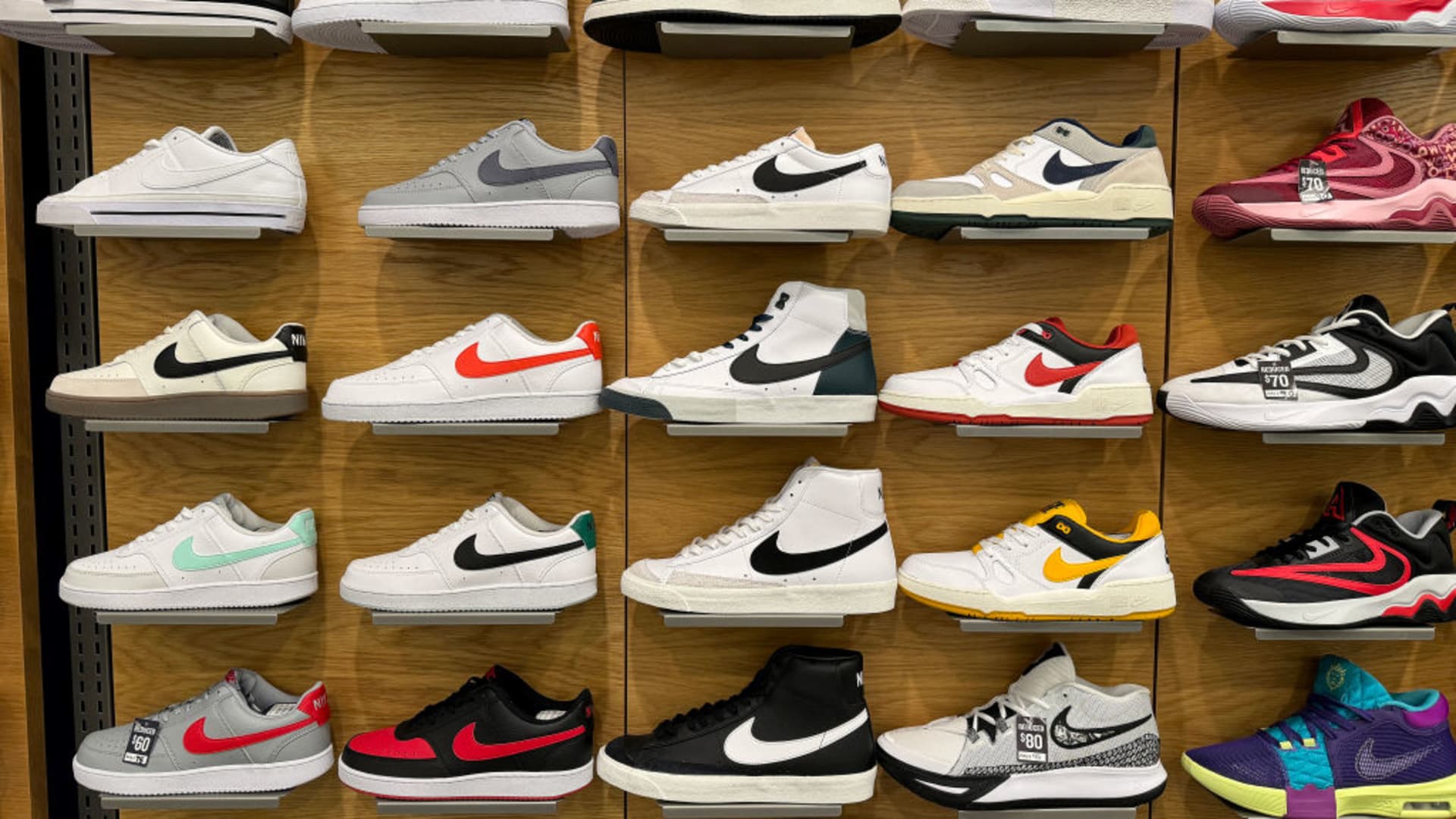
- Nike's Struggles: Nike (NKE) has seen a 74% decline in stock price due to a misguided direct-to-consumer strategy that led to the firing of its CEO; despite raising dividends for 24 consecutive years, the company's earnings have deteriorated, presenting a buying opportunity at a 3.6% dividend yield.
- PepsiCo's Realignment: PepsiCo (PEP) is down 26%, but with a history of 54 consecutive annual dividend increases, the company has adjusted its pricing strategy after aggressive hikes post-COVID, and analysts expect 6% annualized earnings growth, with a dividend yield of 4.1%.
- Hershey's Transition: Hershey (HSY) has dropped 34% due to a severe cocoa shortage impacting profit margins; with a new CEO focusing on growth in salty snacks and nutrition bars, investors should watch for recovery in its core business, currently offering a 3.12% dividend yield.
- Kimberly-Clark's Merger: Kimberly-Clark (KMB) is down 35% as it merges with Kenvue in a $48.7 billion deal, creating a global consumer products giant; while the merger poses risks, both companies are Dividend Kings, and investors can expect a 5% dividend yield during the integration phase.
See More
Top Dividend Stocks to Hold for the Next Decade
- Clorox's Rebuilding: After a $580 million ERP upgrade and a cyberattack, Clorox's $2.25 billion acquisition of GOJO Industries in 2026 is expected to drive sales growth over the next decade, particularly in hand hygiene products.
- Brown-Forman's Consistent Growth: With 42 consecutive years of dividend increases, Brown-Forman faces a soft global spirits market but has seen positive consumer engagement with its new Jack Daniel's Tennessee Blackberry flavor, projecting a 6% to 8% annual dividend growth over the next decade.
- Kimberly-Clark's Transformation: Currently undergoing its most significant transformation in 154 years, Kimberly-Clark reported a 3.7% increase in adjusted operating profit in Q1 2026 and reaffirmed its full-year guidance, indicating that restructuring is not disrupting core operations, while the merger with Kenvue will enhance market competitiveness over the next decade.
- Stable Dividend Yields: Clorox, Brown-Forman, and Kimberly-Clark offer dividend yields of 5.18%, 3.45%, and a safe level respectively, indicating that these companies will provide stable cash flow and potential capital appreciation for investors over the next ten years.
See More
2026 Consumer Goods Market Analysis
- Church & Dwight's Strong Performance: Church & Dwight (CHD) achieved a 5% organic sales growth in Q1 2026, surpassing the 3% forecast, indicating the company's ability to navigate inflation through volume growth rather than price increases, thereby enhancing its market competitiveness.
- Keurig Dr Pepper's Growth Potential: Despite a nearly 29% decline from its 2025 peak, Keurig Dr Pepper (KDP) expects its energy drink portfolio to generate over $1 billion in annual retail sales, showcasing strong market demand and growth potential.
- Kenvue's Merger Prospects: Kenvue (KVUE) reported an 8.4% growth in its skin health and beauty division in Q1 2026, with quarterly sales reaching $1 billion, and the anticipated merger with Kimberly-Clark (KMB) is expected to further strengthen its market position and pricing power.
- Robust Investment Amid Market Uncertainty: In an uncertain market, these three companies provide a stable business foundation, making them suitable for investors looking to allocate $1,000 during turbulent times for long-term growth.
See More
Church & Dwight's Growth Strategy Amid Inflation
- Stable Sales Growth: Church & Dwight achieved a 5% organic sales growth in Q1 2026, surpassing the 3% forecast, demonstrating its growth strategy focused on volume rather than price increases, which enhances its competitive edge in an inflationary environment.
- Acquisition to Expand Market Share: The company acquired the fast-growing stain-removal brand Miss Mouth's Messy Eater for $325 million, continuing its decade-long acquisition strategy aimed at expanding market share without increasing leverage, thereby solidifying its position in the consumer goods market.
- Energy Drink Portfolio Growth: Keurig Dr Pepper's energy drink portfolio is expected to exceed $1 billion in annual retail sales, and despite a 29% decline in stock price, its low double-digit adjusted earnings growth forecast indicates potential in the youth market, boosting investor confidence.
- Strong Performance in Beauty Health Segment: Kenvue's skin health and beauty division grew 8.4% in Q1 2026, reaching $1 billion in quarterly sales, reflecting stable consumer demand amid economic uncertainty, with the anticipated merger with Kimberly-Clark expected to further enhance market competitiveness.
See More
Kenvue's Promising Outlook Ahead of Kimberly-Clark Merger
- Merger Catalyst: Kenvue's pending $40 billion merger with Kimberly-Clark is expected to transform it from a slow-growth spinoff into an efficient consumer goods powerhouse, with anticipated cost synergies of $2.1 billion, enhancing margins and accelerating growth.
- Strong Brand Portfolio: Kenvue owns trusted health products like Tylenol and Listerine, which maintain strong pricing power even during economic downturns, ensuring stable gross margins and consumer loyalty.
- Dividend Appeal: With a dividend yield of 4.53%, Kenvue is attractive to income-seeking investors, and this yield may increase post-merger, providing a buffer in volatile market conditions.
- Robust Financial Performance: Kenvue reported first-quarter revenue of $3.9 billion, a 4.5% year-over-year increase, with earnings per share of $0.25, up 47%, showcasing its strong position in the health consumer goods market and boosting investor confidence.
See More
Consumer Stocks Face Challenges but Remain Promising
- Nike's Challenges and Opportunities: Nike (NYSE: NKE) has faced several years of struggles, with its stock price declining from its 2021 peak, currently offering a 3.6% dividend yield; analysts predict earnings will rebound to $2.40 per share by the end of the next fiscal year, indicating potential for recovery.
- PepsiCo's Brand Strength: PepsiCo (NASDAQ: PEP), a 'Dividend King' with 54 consecutive annual increases, faces challenges in sales growth, yet its 4.1% dividend yield and a projected 6% annual earnings growth make it attractive in the current market.
- Hershey's Transformation Strategy: Hershey (NYSE: HSY) has been pressured by soaring cocoa prices affecting profit margins; although it did not raise its dividend last year, new CEO Kirk Tanner aims to expand into salty snacks and nutrition bars, which could drive future growth.
- Kimberly-Clark's Merger Strategy: Kimberly-Clark (NASDAQ: KMB) is merging with Kenvue in a $48.7 billion deal, creating a global consumer products giant; despite integration risks, both companies are Dividend Kings, likely prioritizing dividend maintenance and growth, with a current yield of 5%.
See More
Analysis of Four Declining Consumer Brand Stocks
- Nike's Struggles: Nike (NKE) has seen a 74% decline in stock price due to a misguided direct-to-consumer strategy that led to the firing of its CEO; despite raising dividends for 24 consecutive years, the company's earnings have deteriorated, presenting a buying opportunity at a 3.6% dividend yield.
- PepsiCo's Realignment: PepsiCo (PEP) is down 26%, but with a history of 54 consecutive annual dividend increases, the company has adjusted its pricing strategy after aggressive hikes post-COVID, and analysts expect 6% annualized earnings growth, with a dividend yield of 4.1%.
- Hershey's Transition: Hershey (HSY) has dropped 34% due to a severe cocoa shortage impacting profit margins; with a new CEO focusing on growth in salty snacks and nutrition bars, investors should watch for recovery in its core business, currently offering a 3.12% dividend yield.
- Kimberly-Clark's Merger: Kimberly-Clark (KMB) is down 35% as it merges with Kenvue in a $48.7 billion deal, creating a global consumer products giant; while the merger poses risks, both companies are Dividend Kings, and investors can expect a 5% dividend yield during the integration phase.
See More