Top Dividend Stocks to Consider for Steady Income
Written by Emily J. Thompson, Senior Investment Analyst
Updated: 1 hour ago
0mins
Source: Fool
- Coca-Cola's Stability: Coca-Cola (KO) operates in over 200 countries, boasting a superb 35% operating margin in Q1, demonstrating strong pricing power and customer loyalty, which ensures stable dividend payments even amidst economic fluctuations.
- Lowe's Commitment to Returns: Lowe's (LOW) will pay an annual dividend of $5 starting in August, yielding 2.25%, and despite challenges like high interest rates and low housing turnover, it has raised dividends for over 25 consecutive years, reflecting management's commitment to shareholder returns.
- Procter & Gamble's Historical Performance: Procter & Gamble (PG) generated $21.2 billion in revenue for Q3 2026 with an 18.4% net margin, offering a dividend yield of 2.93%, and has paid dividends for an astonishing 136 consecutive years, showcasing stability in its capital allocation policy.
- Attractiveness of Dividend Investing: These companies not only provide a steady income stream but also exhibit strong resilience against economic uncertainties, making them ideal for retirees and investors seeking reliable cash flow.
Trade with 70% Backtested Accuracy
Stop guessing "Should I Buy KO?" and start using high-conviction signals backed by rigorous historical data.
Sign up today to access powerful investing tools and make smarter, data-driven decisions.
Analyst Views on KO
Wall Street analysts forecast KO stock price to fall
14 Analyst Rating
13 Buy
1 Hold
0 Sell
Strong Buy
Current: 80.420

Low
71.00
Averages
79.33
High
85.00
Current: 80.420
Low
71.00
Averages
79.33
High
85.00
About KO
The Coca-Cola Company is a beverage company. The Company's segments include Europe, Middle East and Africa (EMEA); Latin America; North America; Asia Pacific, and Bottling Investments. It sells multiple brands across several beverage categories worldwide. Its portfolio of sparkling soft drink brands includes Coca-Cola, Sprite and Fanta. Its water, sports, coffee and tea brands include Dasani, smartwater, vitaminwater, Topo Chico, BODYARMOR, Powerade, Costa, Georgia, Fuze Tea, Gold Peak and Ayataka. Its juice, value-added dairy and plant-based beverage brands include Minute Maid, Simply, innocent, Del Valle, fairlife and Santa Clara. It operates in two lines of business: concentrate operations and finished product operations. Its concentrate operations sell beverage concentrates, syrups, including fountain syrups, and certain finished beverages to authorized bottling operations. Its finished product operations sell sparkling soft drinks and a variety of other finished beverages.
About the author

Emily J. Thompson
Emily J. Thompson, a Chartered Financial Analyst (CFA) with 12 years in investment research, graduated with honors from the Wharton School. Specializing in industrial and technology stocks, she provides in-depth analysis for Intellectia’s earnings and market brief reports.

Top Dividend Stocks to Consider for Steady Income

- Coca-Cola's Stability: Coca-Cola (KO) operates in over 200 countries, boasting a superb 35% operating margin in Q1, demonstrating strong pricing power and customer loyalty, which ensures stable dividend payments even amidst economic fluctuations.
- Lowe's Commitment to Returns: Lowe's (LOW) will pay an annual dividend of $5 starting in August, yielding 2.25%, and despite challenges like high interest rates and low housing turnover, it has raised dividends for over 25 consecutive years, reflecting management's commitment to shareholder returns.
- Procter & Gamble's Historical Performance: Procter & Gamble (PG) generated $21.2 billion in revenue for Q3 2026 with an 18.4% net margin, offering a dividend yield of 2.93%, and has paid dividends for an astonishing 136 consecutive years, showcasing stability in its capital allocation policy.
- Attractiveness of Dividend Investing: These companies not only provide a steady income stream but also exhibit strong resilience against economic uncertainties, making them ideal for retirees and investors seeking reliable cash flow.
See More
Functional Beverage Market Rapid Growth

- Market Expansion: The global functional beverage market has reached $160 billion, with companies launching innovative products to meet the growing demand from health-conscious young consumers, thereby driving overall market growth.
- Changing Consumer Preferences: According to EY's survey, about 75% of millennials and 80% of Gen Z are consuming functional beverages, with over half of respondents willing to pay more for drinks that support their health, indicating a shift in consumer habits towards health awareness.
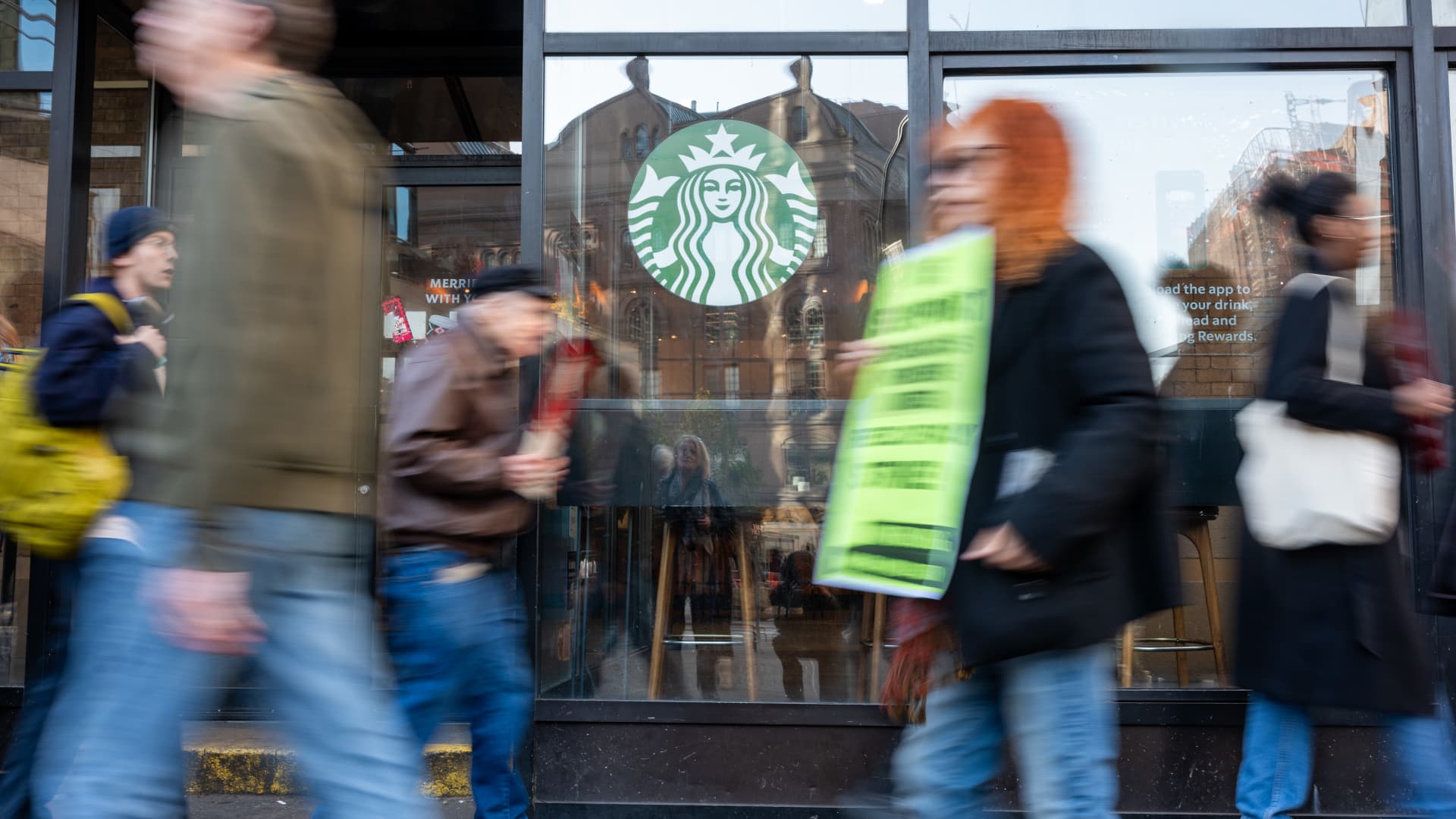
- Product Innovation: Starbucks has introduced protein coffees in the U.S., Canada, and Europe to capitalize on the wellness drink trend, with protein cold foam sales nearly matching flat whites, reflecting strong consumer demand for health-oriented beverages.
- Social Media Influence: TRIP has successfully attracted young consumers through a social media strategy, becoming TikTok Shop UK's top drink brand, with 72% of Gen Z looking to social media for food and drink wellness trends, further propelling the popularity of functional beverages.
See More

Functional Beverage Market Thrives Amid Health Trends
- Market Growth Surge: The global functional beverage market has reached $160 billion, reflecting strong demand from health-conscious young consumers, prompting beverage brands to continuously introduce innovative products to meet market trends.
- Shifting Consumer Preferences: According to EY's survey, about 75% of millennials and 80% of Gen Z are consuming functional beverages, with over half of respondents willing to pay more for drinks that support their health, indicating significant market potential for health-focused drinks.
- Brand Strategic Positioning: Starbucks has launched protein coffees in the U.S., Canada, and Europe, priced between $5.75 and $6.75, aiming to capitalize on the trend for multifunctional beverages and further solidify its competitive position in the market.
- Social Media Influence: TRIP's co-founder noted that social media has transformed functional drinks into a
See More

Coca-Cola and American Express: Investment Value Insights

- Coca-Cola's Pricing Power: Coca-Cola maintains a 2.6% dividend yield and successfully passes inflation-related costs to consumers, ensuring stable cash flow and consistent shareholder returns due to its strong brand influence and unique business model.
- American Express's Growth Potential: American Express achieved a record $72 billion in revenue for 2024, a 10% increase, with a 15% rise in adjusted earnings per share to $15.38, showcasing its strong appeal among high-spending consumers and resilience against inflation.
- Long-Term Investment Philosophy: Warren Buffett's investment philosophy emphasizes that only stocks worth holding for the long term should be considered, a strategy validated by the success of Coca-Cola and American Express, highlighting the importance of patience and trust in quality businesses.
- Power of Dividend Growth: As a 'Dividend King' with over sixty years of dividend increases, Coca-Cola generates hundreds of millions in passive income for Berkshire Hathaway annually, illustrating the significance of compounding effects in long-term investing.
See More
Wisdom and Opportunities in Long-Term Investing
- Coca-Cola's Investment Value: Coca-Cola (KO) stands out as a quintessential Buffett investment due to its strong economic moat and a remarkable 64-year streak of dividend increases, currently offering a yield of approximately 2.6%, providing reliable cash flow through economic cycles and demonstrating resilience in global markets.
- Unique Business Model: Operating primarily as a high-margin concentrate company, Coca-Cola sells syrups and bases to independent bottling partners, minimizing capital expenditures while maintaining brand control and pricing power, thus enabling global expansion.
- American Express's Market Positioning: American Express (AXP) distinguishes itself through a unique closed-loop payment ecosystem targeting affluent consumers, resulting in strong performance during economic downturns, with a current market cap of $234 billion and a dividend yield of about 1%.
- Financial Performance and Growth Potential: American Express reported a record $72 billion in revenue for 2024, a 10% increase year-over-year, alongside a 15% rise in adjusted earnings per share to $15.38, showcasing its profitability and growth potential in an inflationary environment.
See More
Coca-Cola vs. PepsiCo: A Competitive Analysis
- Financial Performance Comparison: In 2025, Coca-Cola reported approximately $48.1 billion in revenue, reflecting a 2.6% year-over-year growth with a net income of $13.1 billion, showcasing its robust performance in the beverage market; in contrast, PepsiCo's revenue reached $93.9 billion with a 2.3% growth, but its net income fell to $8.2 billion, indicating challenges in its diversified business model.
- Market Risk Assessment: Coca-Cola faces risks from economic and geopolitical instability that could disrupt global supply chains and consumer demand, alongside fierce competition in the retail sector and ongoing tax litigation; meanwhile, PepsiCo must navigate shifting consumer dietary trends and legal risks, particularly antitrust litigation with Walmart.
- Valuation Comparison: Coca-Cola's forward P/E ratio stands at 24.6x, significantly higher than PepsiCo's 16.1x, although Coca-Cola's net income margin is projected to reach 29% in 2026, far exceeding PepsiCo's expected 11.2%, indicating a stronger profitability outlook for Coca-Cola.
- Dividend Yield Analysis: PepsiCo offers a more attractive forward dividend yield of 4.24% compared to Coca-Cola's 2.62%, making it appealing for stable dividend payments, although Coca-Cola's superior profitability may provide better long-term investment returns.
See More
Top Dividend Stocks to Consider for Steady Income
- Coca-Cola's Stability: Coca-Cola (KO) operates in over 200 countries, boasting a superb 35% operating margin in Q1, demonstrating strong pricing power and customer loyalty, which ensures stable dividend payments even amidst economic fluctuations.
- Lowe's Commitment to Returns: Lowe's (LOW) will pay an annual dividend of $5 starting in August, yielding 2.25%, and despite challenges like high interest rates and low housing turnover, it has raised dividends for over 25 consecutive years, reflecting management's commitment to shareholder returns.
- Procter & Gamble's Historical Performance: Procter & Gamble (PG) generated $21.2 billion in revenue for Q3 2026 with an 18.4% net margin, offering a dividend yield of 2.93%, and has paid dividends for an astonishing 136 consecutive years, showcasing stability in its capital allocation policy.
- Attractiveness of Dividend Investing: These companies not only provide a steady income stream but also exhibit strong resilience against economic uncertainties, making them ideal for retirees and investors seeking reliable cash flow.
See More
Functional Beverage Market Rapid Growth
- Market Expansion: The global functional beverage market has reached $160 billion, with companies launching innovative products to meet the growing demand from health-conscious young consumers, thereby driving overall market growth.
- Changing Consumer Preferences: According to EY's survey, about 75% of millennials and 80% of Gen Z are consuming functional beverages, with over half of respondents willing to pay more for drinks that support their health, indicating a shift in consumer habits towards health awareness.
- Product Innovation: Starbucks has introduced protein coffees in the U.S., Canada, and Europe to capitalize on the wellness drink trend, with protein cold foam sales nearly matching flat whites, reflecting strong consumer demand for health-oriented beverages.
- Social Media Influence: TRIP has successfully attracted young consumers through a social media strategy, becoming TikTok Shop UK's top drink brand, with 72% of Gen Z looking to social media for food and drink wellness trends, further propelling the popularity of functional beverages.
See More
Functional Beverage Market Thrives Amid Health Trends
- Market Growth Surge: The global functional beverage market has reached $160 billion, reflecting strong demand from health-conscious young consumers, prompting beverage brands to continuously introduce innovative products to meet market trends.
- Shifting Consumer Preferences: According to EY's survey, about 75% of millennials and 80% of Gen Z are consuming functional beverages, with over half of respondents willing to pay more for drinks that support their health, indicating significant market potential for health-focused drinks.
- Brand Strategic Positioning: Starbucks has launched protein coffees in the U.S., Canada, and Europe, priced between $5.75 and $6.75, aiming to capitalize on the trend for multifunctional beverages and further solidify its competitive position in the market.
- Social Media Influence: TRIP's co-founder noted that social media has transformed functional drinks into a
See More
Coca-Cola and American Express: Investment Value Insights
- Coca-Cola's Pricing Power: Coca-Cola maintains a 2.6% dividend yield and successfully passes inflation-related costs to consumers, ensuring stable cash flow and consistent shareholder returns due to its strong brand influence and unique business model.
- American Express's Growth Potential: American Express achieved a record $72 billion in revenue for 2024, a 10% increase, with a 15% rise in adjusted earnings per share to $15.38, showcasing its strong appeal among high-spending consumers and resilience against inflation.
- Long-Term Investment Philosophy: Warren Buffett's investment philosophy emphasizes that only stocks worth holding for the long term should be considered, a strategy validated by the success of Coca-Cola and American Express, highlighting the importance of patience and trust in quality businesses.
- Power of Dividend Growth: As a 'Dividend King' with over sixty years of dividend increases, Coca-Cola generates hundreds of millions in passive income for Berkshire Hathaway annually, illustrating the significance of compounding effects in long-term investing.
See More
Wisdom and Opportunities in Long-Term Investing
- Coca-Cola's Investment Value: Coca-Cola (KO) stands out as a quintessential Buffett investment due to its strong economic moat and a remarkable 64-year streak of dividend increases, currently offering a yield of approximately 2.6%, providing reliable cash flow through economic cycles and demonstrating resilience in global markets.
- Unique Business Model: Operating primarily as a high-margin concentrate company, Coca-Cola sells syrups and bases to independent bottling partners, minimizing capital expenditures while maintaining brand control and pricing power, thus enabling global expansion.
- American Express's Market Positioning: American Express (AXP) distinguishes itself through a unique closed-loop payment ecosystem targeting affluent consumers, resulting in strong performance during economic downturns, with a current market cap of $234 billion and a dividend yield of about 1%.
- Financial Performance and Growth Potential: American Express reported a record $72 billion in revenue for 2024, a 10% increase year-over-year, alongside a 15% rise in adjusted earnings per share to $15.38, showcasing its profitability and growth potential in an inflationary environment.
See More
Coca-Cola vs. PepsiCo: A Competitive Analysis
- Financial Performance Comparison: In 2025, Coca-Cola reported approximately $48.1 billion in revenue, reflecting a 2.6% year-over-year growth with a net income of $13.1 billion, showcasing its robust performance in the beverage market; in contrast, PepsiCo's revenue reached $93.9 billion with a 2.3% growth, but its net income fell to $8.2 billion, indicating challenges in its diversified business model.
- Market Risk Assessment: Coca-Cola faces risks from economic and geopolitical instability that could disrupt global supply chains and consumer demand, alongside fierce competition in the retail sector and ongoing tax litigation; meanwhile, PepsiCo must navigate shifting consumer dietary trends and legal risks, particularly antitrust litigation with Walmart.
- Valuation Comparison: Coca-Cola's forward P/E ratio stands at 24.6x, significantly higher than PepsiCo's 16.1x, although Coca-Cola's net income margin is projected to reach 29% in 2026, far exceeding PepsiCo's expected 11.2%, indicating a stronger profitability outlook for Coca-Cola.
- Dividend Yield Analysis: PepsiCo offers a more attractive forward dividend yield of 4.24% compared to Coca-Cola's 2.62%, making it appealing for stable dividend payments, although Coca-Cola's superior profitability may provide better long-term investment returns.
See More