TikTok Finalizes Agreement to Continue Operations in the U.S.
Written by Emily J. Thompson, Senior Investment Analyst
Updated: Jan 23 2026
0mins
Should l Buy ORCL?
Source: Barron's
- Deal Approval: A deal has been approved for the sale of TikTok's U.S. business to a consortium of investors.
- U.S.-China Relations: The agreement marks a significant development in U.S.-China relations regarding technology and data privacy.
- Investor Consortium: The consortium of investors involved in the deal is expected to manage TikTok's operations in the U.S.
- Future Implications: This sale could have implications for TikTok's future in the U.S. market and its compliance with regulatory concerns.
Trade with 70% Backtested Accuracy
Stop guessing "Should I Buy ORCL?" and start using high-conviction signals backed by rigorous historical data.
Sign up today to access powerful investing tools and make smarter, data-driven decisions.
Analyst Views on ORCL
Wall Street analysts forecast ORCL stock price to rise
34 Analyst Rating
25 Buy
9 Hold
0 Sell
Moderate Buy
Current: 145.230

Low
180.00
Averages
309.59
High
400.00
Current: 145.230
Low
180.00
Averages
309.59
High
400.00
About ORCL
Oracle Corporation offers integrated suites of applications plus secure, autonomous infrastructure in the Oracle Cloud. The Company operates through three businesses: cloud and license, hardware and service. Its cloud and license business is engaged in the sale, marketing and delivery of its enterprise applications and infrastructure technologies through cloud and on-premise deployment models including its cloud services and license support offerings, and its cloud license and on-premise license offerings. Its hardware business provides infrastructure technologies including Oracle Engineered Systems, servers, storage, industry-specific hardware, operating systems, virtualization, management and other hardware-related software to support diverse IT environments. Its services business provides services to customers and partners to help maximize the performance of their investments in Oracle applications and infrastructure technologies.
About the author

Emily J. Thompson
Emily J. Thompson, a Chartered Financial Analyst (CFA) with 12 years in investment research, graduated with honors from the Wharton School. Specializing in industrial and technology stocks, she provides in-depth analysis for Intellectia’s earnings and market brief reports.

Oracle Corp. Cash Flow Tension Analysis

- Cash Flow Dilemma: Oracle Corp. generated $22 billion in operating cash flow last fiscal year but reported nearly zero free cash flow, indicating excessive capital expenditures that raise investor concerns about future profitability.
- Surge in Capital Expenditures: The company's infrastructure spending skyrocketed from $6.9 billion to $21.2 billion, resulting in a negative free cash flow of $394 million, highlighting financial pressures during its expansion that could impact future shareholder returns.
- Contract Revenue Surge: Oracle's remaining performance obligations reached $523 billion, a staggering 438% year-over-year increase, indicating strong market demand in the cloud infrastructure sector, yet the ability to convert this into cash flow remains uncertain.
- Market Valuation Fluctuations: Oracle's stock price plummeted from $326 to $145, with its price-to-earnings ratio dropping from 40x to 21.7x, reflecting a market reassessment of its future growth potential and sparking discussions on whether it is undervalued.
See More

Defense Tech Investment Soars Amid Geopolitical Tensions
- Funding Surge: The defense tech sector's funding skyrocketed from $869 million in 2020 to $11.2 billion by 2025, reflecting a more than tenfold increase driven by rising global geopolitical tensions, particularly amid the Iran war.
- Rising Demand: Since the U.S. and Israel's initial strikes on Iran at the end of February, defense tech startups have reported a significant uptick in demand from Department of Defense customers, with many offering to buy out capacity or requesting increased production to meet escalating military needs.
- Workforce Expansion: In response to the Iran war, European-headquartered defense startups are set to increase their workforce in the Middle East, with Estonian drone and missile interceptor startup Frankenburg and Ukrainian-UK Uforce both announcing plans to ramp up hiring in the region.
- Challenges and Opportunities: Despite the surge in demand, the U.S. government has not provided a steady flow of contracts, leaving firms divided over whether to scale up capacity at the risk of profitability or hold back, while European startups face tough decisions on resource allocation between Middle Eastern opportunities and their home markets.
See More
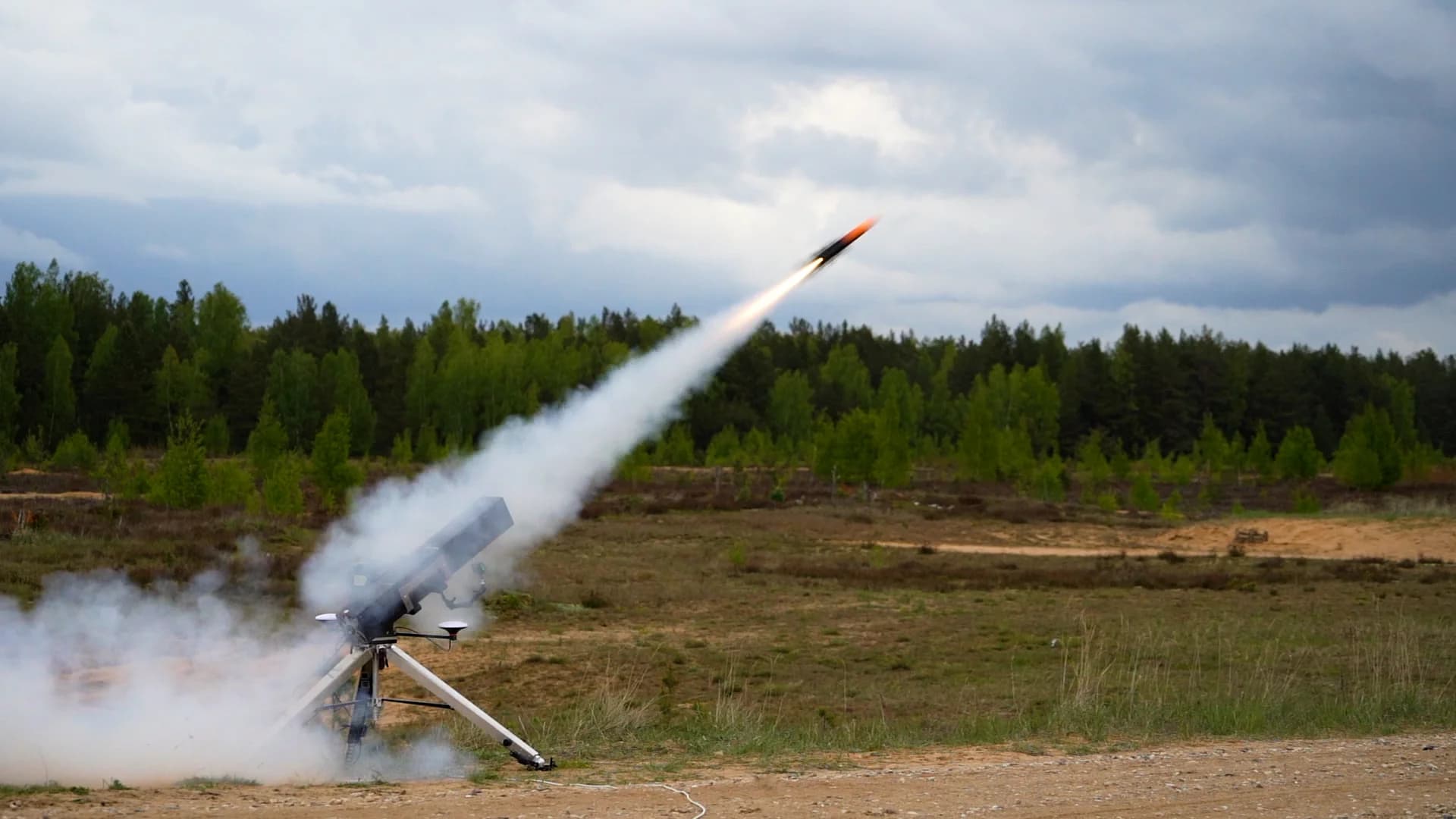
Surge in Defense Tech Investments Amid Geopolitical Tensions

- Significant Investment Growth: According to Dealroom, defense tech funding was only $869 million globally in 2020, but is projected to surge to $11.2 billion by 2025, reflecting a more than tenfold increase driven by rising geopolitical tensions and demand for defense technologies.
- Rising Demand: Since the end of February, following U.S. and Israeli military actions against Iran, defense tech startups have reported a significant uptick in demand from Department of Defense customers, with many clients offering to buy out capacity or requesting increased production, indicating a pressing market need for new technologies.
- Opportunities in the Middle East: As conflicts escalate, defense tech startups in Europe and the U.S. are accelerating commercial discussions with Middle Eastern governments, particularly as interest from Gulf states skyrockets, highlighting urgent needs for defenses against drone and missile attacks.
- Human Resource Expansion: In response to the Iran war, European-headquartered defense startups are set to increase staffing in the Middle East, with Estonian startup Frankenburg and Ukrainian-UK Uforce both indicating plans to ramp up hiring in the region to meet the surging market demand.
See More
Oracle Stock Plummets 57% Amid Rising Debt Concerns

- Significant Stock Decline: Oracle's stock has plummeted 57% from its peak of $328 last September, currently trading at $146.31, reflecting market concerns over its financial health, particularly amid rising debt levels that could undermine investor confidence.
- Surge in Cloud Demand: Despite Oracle generating $17.2 billion in total revenue for Q3 FY2026, a 22% year-over-year increase, with cloud infrastructure revenue soaring 84% to $4.9 billion, the high debt and customer dependency risks cloud its future growth prospects.
- Substantial Order Backlog: Oracle's remaining performance obligations (RPO) reached $553 billion, a staggering 325% increase year-over-year, indicating strong market demand; however, $300 billion of this is tied to high-risk clients like OpenAI, potentially jeopardizing cash flow stability.
- Uncertain Market Environment: While Oracle's P/E ratio of 25.1 is lower than the Nasdaq-100's 29.9, suggesting its stock may be undervalued, the high debt and customer reliance make it prudent for investors to exercise caution amid market instability.
See More

Oracle's AI Data Center Demand Soars Amid Concerns
- Record Backlog: Oracle's order backlog from AI developers has surged to $553 billion, a 325% increase year-over-year, indicating strong demand for its data centers but also highlighting supply challenges the company faces.
- Increasing Financial Pressure: Despite Oracle generating $17.2 billion in total revenue for Q3 FY2026, a 22% year-over-year increase, its long-term debt has exceeded $124 billion, raising investor concerns about its financial health.
- Customer Dependency Risks: A significant $300 billion of Oracle's backlog is attributed to OpenAI, which only generates $25 billion in annual revenue and is experiencing substantial losses, creating uncertainty around Oracle's future revenue streams.
- Deteriorating Market Conditions: With geopolitical tensions in the Middle East driving oil prices up, fears of an economic slowdown have intensified, leading to a 57% drop in Oracle's stock since last September, prompting investors to adopt a cautious outlook on its prospects.
See More

Analysis of XLK ETF's 52-Week Price Fluctuations

- Price Range Analysis: The XLK ETF's 52-week low is $86.225 per share, with a high of $152.995, while the last trade was at $133.67, indicating relative stability and investor confidence in the current market environment.
- Technical Analysis Tool: Comparing the current share price to the 200-day moving average can provide valuable insights for investors, aiding them in making more informed investment decisions based on market trends.
- ETF Trading Mechanism: Exchange-traded funds (ETFs) trade like stocks, where investors are buying and selling 'units' that can be created or destroyed based on investor demand, impacting liquidity and market performance.
- Inflows and Outflows Monitoring: Weekly monitoring of changes in shares outstanding helps identify ETFs experiencing notable inflows (new units created) or outflows (old units destroyed), assessing their potential impact on underlying assets.
See More
Oracle Corp. Cash Flow Tension Analysis
- Cash Flow Dilemma: Oracle Corp. generated $22 billion in operating cash flow last fiscal year but reported nearly zero free cash flow, indicating excessive capital expenditures that raise investor concerns about future profitability.
- Surge in Capital Expenditures: The company's infrastructure spending skyrocketed from $6.9 billion to $21.2 billion, resulting in a negative free cash flow of $394 million, highlighting financial pressures during its expansion that could impact future shareholder returns.
- Contract Revenue Surge: Oracle's remaining performance obligations reached $523 billion, a staggering 438% year-over-year increase, indicating strong market demand in the cloud infrastructure sector, yet the ability to convert this into cash flow remains uncertain.
- Market Valuation Fluctuations: Oracle's stock price plummeted from $326 to $145, with its price-to-earnings ratio dropping from 40x to 21.7x, reflecting a market reassessment of its future growth potential and sparking discussions on whether it is undervalued.
See More
Defense Tech Investment Soars Amid Geopolitical Tensions
- Funding Surge: The defense tech sector's funding skyrocketed from $869 million in 2020 to $11.2 billion by 2025, reflecting a more than tenfold increase driven by rising global geopolitical tensions, particularly amid the Iran war.
- Rising Demand: Since the U.S. and Israel's initial strikes on Iran at the end of February, defense tech startups have reported a significant uptick in demand from Department of Defense customers, with many offering to buy out capacity or requesting increased production to meet escalating military needs.
- Workforce Expansion: In response to the Iran war, European-headquartered defense startups are set to increase their workforce in the Middle East, with Estonian drone and missile interceptor startup Frankenburg and Ukrainian-UK Uforce both announcing plans to ramp up hiring in the region.
- Challenges and Opportunities: Despite the surge in demand, the U.S. government has not provided a steady flow of contracts, leaving firms divided over whether to scale up capacity at the risk of profitability or hold back, while European startups face tough decisions on resource allocation between Middle Eastern opportunities and their home markets.
See More
Surge in Defense Tech Investments Amid Geopolitical Tensions
- Significant Investment Growth: According to Dealroom, defense tech funding was only $869 million globally in 2020, but is projected to surge to $11.2 billion by 2025, reflecting a more than tenfold increase driven by rising geopolitical tensions and demand for defense technologies.
- Rising Demand: Since the end of February, following U.S. and Israeli military actions against Iran, defense tech startups have reported a significant uptick in demand from Department of Defense customers, with many clients offering to buy out capacity or requesting increased production, indicating a pressing market need for new technologies.
- Opportunities in the Middle East: As conflicts escalate, defense tech startups in Europe and the U.S. are accelerating commercial discussions with Middle Eastern governments, particularly as interest from Gulf states skyrockets, highlighting urgent needs for defenses against drone and missile attacks.
- Human Resource Expansion: In response to the Iran war, European-headquartered defense startups are set to increase staffing in the Middle East, with Estonian startup Frankenburg and Ukrainian-UK Uforce both indicating plans to ramp up hiring in the region to meet the surging market demand.
See More
Oracle Stock Plummets 57% Amid Rising Debt Concerns
- Significant Stock Decline: Oracle's stock has plummeted 57% from its peak of $328 last September, currently trading at $146.31, reflecting market concerns over its financial health, particularly amid rising debt levels that could undermine investor confidence.
- Surge in Cloud Demand: Despite Oracle generating $17.2 billion in total revenue for Q3 FY2026, a 22% year-over-year increase, with cloud infrastructure revenue soaring 84% to $4.9 billion, the high debt and customer dependency risks cloud its future growth prospects.
- Substantial Order Backlog: Oracle's remaining performance obligations (RPO) reached $553 billion, a staggering 325% increase year-over-year, indicating strong market demand; however, $300 billion of this is tied to high-risk clients like OpenAI, potentially jeopardizing cash flow stability.
- Uncertain Market Environment: While Oracle's P/E ratio of 25.1 is lower than the Nasdaq-100's 29.9, suggesting its stock may be undervalued, the high debt and customer reliance make it prudent for investors to exercise caution amid market instability.
See More
Oracle's AI Data Center Demand Soars Amid Concerns
- Record Backlog: Oracle's order backlog from AI developers has surged to $553 billion, a 325% increase year-over-year, indicating strong demand for its data centers but also highlighting supply challenges the company faces.
- Increasing Financial Pressure: Despite Oracle generating $17.2 billion in total revenue for Q3 FY2026, a 22% year-over-year increase, its long-term debt has exceeded $124 billion, raising investor concerns about its financial health.
- Customer Dependency Risks: A significant $300 billion of Oracle's backlog is attributed to OpenAI, which only generates $25 billion in annual revenue and is experiencing substantial losses, creating uncertainty around Oracle's future revenue streams.
- Deteriorating Market Conditions: With geopolitical tensions in the Middle East driving oil prices up, fears of an economic slowdown have intensified, leading to a 57% drop in Oracle's stock since last September, prompting investors to adopt a cautious outlook on its prospects.
See More
Analysis of XLK ETF's 52-Week Price Fluctuations
- Price Range Analysis: The XLK ETF's 52-week low is $86.225 per share, with a high of $152.995, while the last trade was at $133.67, indicating relative stability and investor confidence in the current market environment.
- Technical Analysis Tool: Comparing the current share price to the 200-day moving average can provide valuable insights for investors, aiding them in making more informed investment decisions based on market trends.
- ETF Trading Mechanism: Exchange-traded funds (ETFs) trade like stocks, where investors are buying and selling 'units' that can be created or destroyed based on investor demand, impacting liquidity and market performance.
- Inflows and Outflows Monitoring: Weekly monitoring of changes in shares outstanding helps identify ETFs experiencing notable inflows (new units created) or outflows (old units destroyed), assessing their potential impact on underlying assets.
See More