This Retail Stock Continues to Thrive Despite a 200% Surge
Company Growth and Market Position: The TJX Companies is well-positioned for continued growth in the retail market, demonstrating a strong track record of capital returns and focusing on quality over growth, particularly in 2026.
Financial Performance and Shareholder Returns: The company has reaffirmed its commitment to quality and cash flow by increasing its capital return, issuing a 13% distribution increase, and engaging in share buybacks, despite a modest dividend yield of 1.1%.
Analyst Sentiment and Market Trends: Analysts maintain a positive outlook on TJX, with many reaffirming price targets and suggesting a bullish sentiment, indicating a strong market conviction with a consensus rating of "Buy."
Balance Sheet Strength: TJX's balance sheet reflects operational quality and business strength, with increases in cash, inventories, and assets, while maintaining low leverage, positioning the company well for future strategic execution and capital returns.
Trade with 70% Backtested Accuracy
Analyst Views on TJX

About TJX
About the author


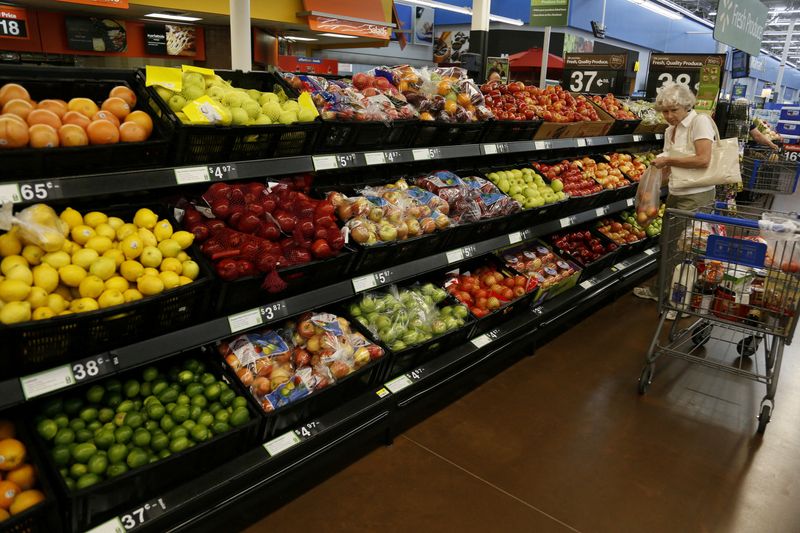
Retail Sector Boosted by Tax Refunds and Consumer Resilience


- Consumer Spending Recovery: Despite pressures from high gas prices and persistent inflation, the retail sector saw sales and profits rise in Q1, indicating consumer resilience, particularly bolstered by tax refunds, with Q2 expected to further assess consumer health.
- Target Sales Growth: Target reported a 5.6% increase in same-store sales during its fiscal Q1, marking its first positive growth in five quarters, with the CFO noting that increased tax refunds supported spending, although this benefit is expected to fade throughout the year.
- Strong Performance from Burlington and Ross: Burlington's same-store sales grew by 6%, with 1.5 to 2 percentage points attributed to tax refunds, while Ross achieved a staggering 17% increase, exceeding expectations, showcasing strong consumer purchasing power fueled by additional stimulus.
- Cautious Future Outlook: Although retailers performed well in Q1, many companies are adopting a cautious stance for Q2, anticipating that as tax refunds diminish, consumers may face greater economic pressures that could impact future spending behavior.
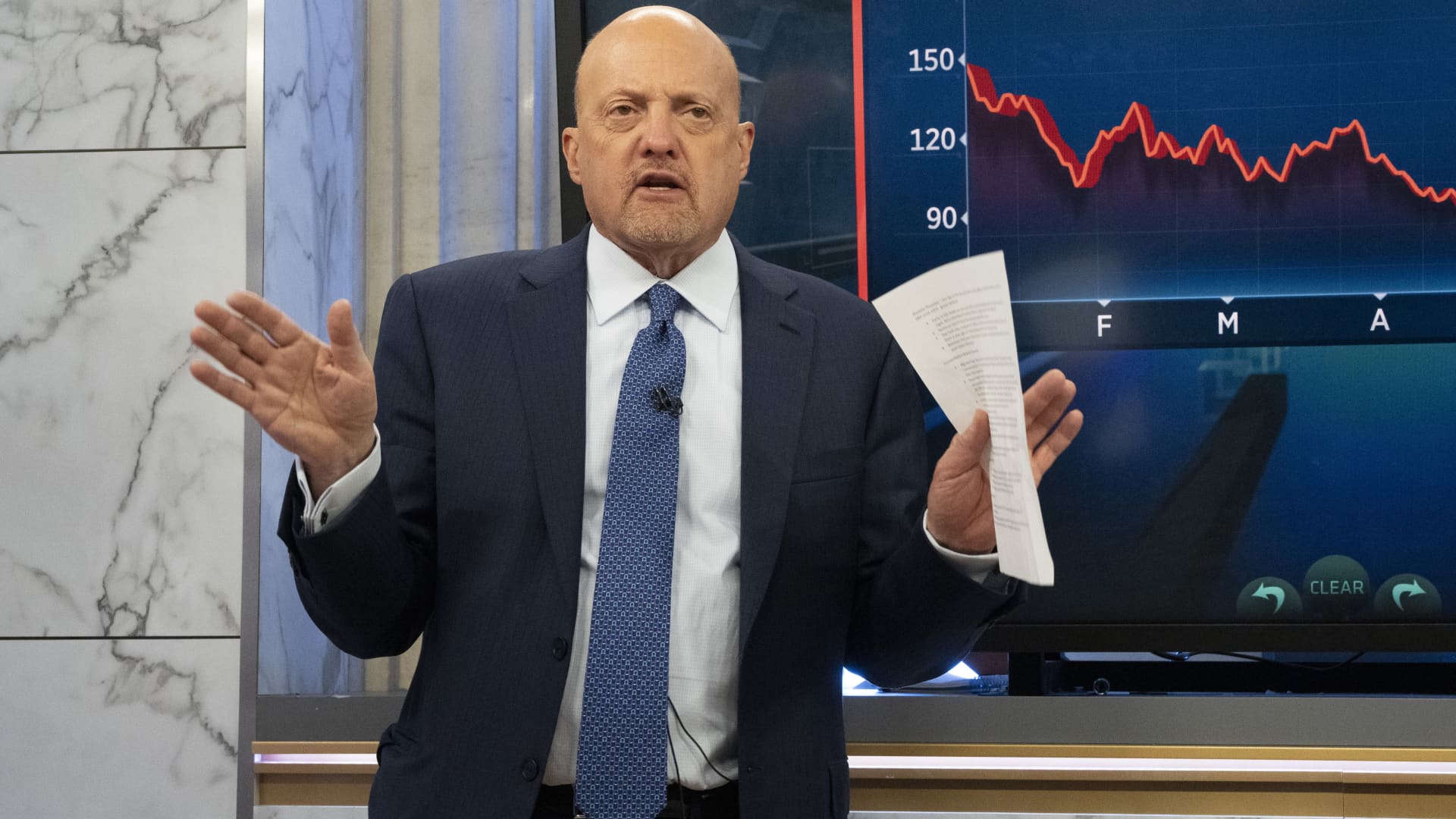
Jim Cramer Recommends Four Stocks for New Investors


- Diversification Strategy: Jim Cramer emphasized the need for diversification even as artificial intelligence dominates the market, ensuring long-term stability in investment portfolios to mitigate risks associated with single-theme investments.
- Stock Recommendations: Cramer recommended four stocks for new members to buy, including Alphabet, Amazon, Apple, and Nvidia, all of which demonstrate strong growth potential, particularly in their AI-related businesses.
- Market Outlook: Despite challenges faced by Meta and Microsoft, Cramer remains cautiously optimistic about their future performance, suggesting that these companies could achieve breakthroughs in the evolving AI landscape.
- Emerging Investment Opportunities: Stocks like Arm Holdings and Broadcom are showing strong performance, particularly in the data center and AI chip sectors, reflecting robust market demand for related technologies, making them worth watching for long-term growth potential.

Analysis of Retail Winners and Losers

- Target's Recovery: Target's (TGT) Q1 earnings report revealed a comparable sales increase, with net sales expected to grow 4% for the year, surpassing the previous 2% forecast, indicating the effectiveness of the new CEO's 'Back to Basics' strategy in boosting performance.
- Strategic Adjustments: Target has reorganized stores, stabilized inventory, and improved employee training while expanding food and beverage categories to reduce reliance on higher-priced discretionary items, thereby enhancing its competitive edge.
- Kohl's Struggles: Kohl's (KSS) latest report showed a 3.1% decline in comparable sales for FY2025, with a further expected drop of 0%-2% in 2026, struggling to survive in a crowded retail market.
- Market Challenges: Amidst a tough macro environment, Kohl's is losing core lower- to middle-income shoppers, and although its stock appears cheap, it will remain undervalued unless its sluggish turnaround efforts yield results.

Target Sales Rebound While Kohl's Struggles Deepen
- Target Sales Growth: Target's (NYSE: TGT) Q1 earnings report revealed a comparable sales increase, with net sales expected to grow 4% for the year, up from a prior forecast of 2%, indicating the effectiveness of its new CEO's 'Back to Basics' strategy.
- Strategic Adjustments Pay Off: By reorganizing stores, stabilizing inventory, and enhancing employee training, Target successfully expanded its food and beverage categories, reducing reliance on higher-priced discretionary items, thereby strengthening its market competitiveness.
- Kohl's Performance Decline: Kohl's (NYSE: KSS) latest report showed a 3.1% decline in comparable sales for FY 2025, with expectations of a further 0%-2% drop in 2026, facing survival challenges in a crowded retail market.
- Intensifying Market Competition: Kohl's is losing its core lower- to middle-income shoppers and is focusing on cost-cutting rather than improving store layouts, with analysts predicting less than 1% revenue growth and a 38% plunge in EPS for 2026, highlighting the difficulty of its turnaround efforts.
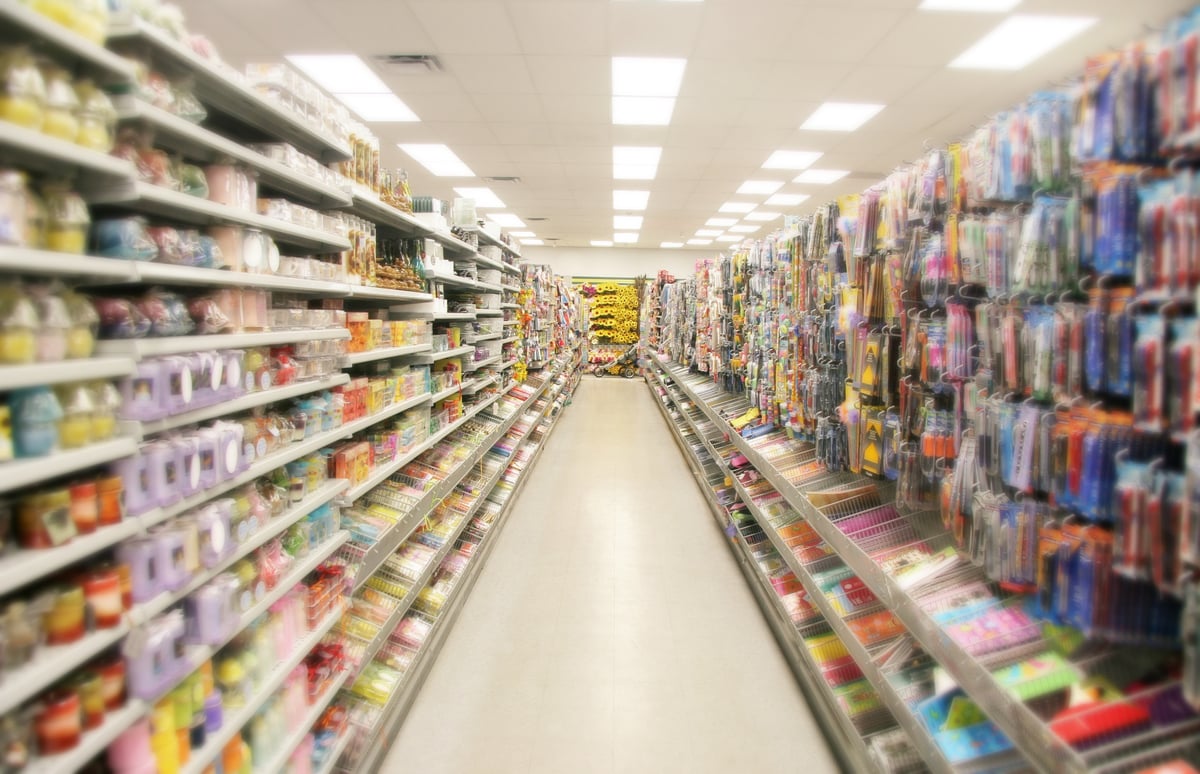
American Consumer Sentiment Hits Historic Low


- Consumer Sentiment Decline: The University of Michigan's Consumer Sentiment Index has dropped to 48.2, marking one of the lowest levels ever recorded, indicating rising consumer concerns about inflation, gasoline prices, and purchasing power, which could lead to shifts in shopping behavior and impact the overall retail market.
- Dollar General's Steady Growth: Dollar General reported $42.7 billion in revenue for fiscal 2025, a 5.2% year-over-year increase, with same-store sales rising by 3%, and management projects net sales growth of 3.7% to 4.2% for fiscal 2026, demonstrating resilient demand despite weak consumer sentiment.
- Strong Performance by TJX: TJX generated $60.4 billion in revenue for fiscal 2026, up 7% year-over-year, with comparable sales increasing by 5% and net income reaching approximately $5.5 billion, indicating that discount retailers can still attract consumers during economic uncertainty.
- Discount Retailers Benefit: As consumers become more price-conscious, discount retailers like Dollar General and TJX are likely to gain market share under economic pressure, highlighting the strategic significance of value-oriented retail models in downturns.

Consumer Sentiment Declines, Discount Retailers Benefit
- Consumer Sentiment Decline: The University of Michigan's Consumer Sentiment Index has fallen to 48.2, one of the lowest levels recorded, indicating growing consumer concerns about inflation, gasoline prices, and purchasing power, which may lead to shifts in shopping habits and impact the overall retail market.
- Dollar General's Steady Growth: Dollar General reported $42.7 billion in revenue for fiscal 2025, a 5.2% year-over-year increase, with same-store sales rising 3%, and management projects net sales growth of 3.7% to 4.2% for fiscal 2026, highlighting strong demand for low-cost alternatives amid economic pressures.
- Strong Performance by TJX: TJX generated $60.4 billion in revenue for fiscal 2026, up 7% year-over-year, with net income around $5.5 billion and a 6% increase in comparable sales in the latest quarter, demonstrating the effectiveness of its discount retail model in attracting price-sensitive consumers during economic uncertainty.
- Market Opportunities for Discount Retailers: As consumers become more price-conscious, discount retailers like Dollar General and TJX are likely to gain greater market share during economic downturns, underscoring the strategic significance of value-oriented retail strategies in changing economic environments.
Retail Sector Boosted by Tax Refunds and Consumer Resilience
- Consumer Spending Recovery: Despite pressures from high gas prices and persistent inflation, the retail sector saw sales and profits rise in Q1, indicating consumer resilience, particularly bolstered by tax refunds, with Q2 expected to further assess consumer health.
- Target Sales Growth: Target reported a 5.6% increase in same-store sales during its fiscal Q1, marking its first positive growth in five quarters, with the CFO noting that increased tax refunds supported spending, although this benefit is expected to fade throughout the year.
- Strong Performance from Burlington and Ross: Burlington's same-store sales grew by 6%, with 1.5 to 2 percentage points attributed to tax refunds, while Ross achieved a staggering 17% increase, exceeding expectations, showcasing strong consumer purchasing power fueled by additional stimulus.
- Cautious Future Outlook: Although retailers performed well in Q1, many companies are adopting a cautious stance for Q2, anticipating that as tax refunds diminish, consumers may face greater economic pressures that could impact future spending behavior.
Jim Cramer Recommends Four Stocks for New Investors
- Diversification Strategy: Jim Cramer emphasized the need for diversification even as artificial intelligence dominates the market, ensuring long-term stability in investment portfolios to mitigate risks associated with single-theme investments.
- Stock Recommendations: Cramer recommended four stocks for new members to buy, including Alphabet, Amazon, Apple, and Nvidia, all of which demonstrate strong growth potential, particularly in their AI-related businesses.
- Market Outlook: Despite challenges faced by Meta and Microsoft, Cramer remains cautiously optimistic about their future performance, suggesting that these companies could achieve breakthroughs in the evolving AI landscape.
- Emerging Investment Opportunities: Stocks like Arm Holdings and Broadcom are showing strong performance, particularly in the data center and AI chip sectors, reflecting robust market demand for related technologies, making them worth watching for long-term growth potential.
Analysis of Retail Winners and Losers
- Target's Recovery: Target's (TGT) Q1 earnings report revealed a comparable sales increase, with net sales expected to grow 4% for the year, surpassing the previous 2% forecast, indicating the effectiveness of the new CEO's 'Back to Basics' strategy in boosting performance.
- Strategic Adjustments: Target has reorganized stores, stabilized inventory, and improved employee training while expanding food and beverage categories to reduce reliance on higher-priced discretionary items, thereby enhancing its competitive edge.
- Kohl's Struggles: Kohl's (KSS) latest report showed a 3.1% decline in comparable sales for FY2025, with a further expected drop of 0%-2% in 2026, struggling to survive in a crowded retail market.
- Market Challenges: Amidst a tough macro environment, Kohl's is losing core lower- to middle-income shoppers, and although its stock appears cheap, it will remain undervalued unless its sluggish turnaround efforts yield results.
Target Sales Rebound While Kohl's Struggles Deepen
- Target Sales Growth: Target's (NYSE: TGT) Q1 earnings report revealed a comparable sales increase, with net sales expected to grow 4% for the year, up from a prior forecast of 2%, indicating the effectiveness of its new CEO's 'Back to Basics' strategy.
- Strategic Adjustments Pay Off: By reorganizing stores, stabilizing inventory, and enhancing employee training, Target successfully expanded its food and beverage categories, reducing reliance on higher-priced discretionary items, thereby strengthening its market competitiveness.
- Kohl's Performance Decline: Kohl's (NYSE: KSS) latest report showed a 3.1% decline in comparable sales for FY 2025, with expectations of a further 0%-2% drop in 2026, facing survival challenges in a crowded retail market.
- Intensifying Market Competition: Kohl's is losing its core lower- to middle-income shoppers and is focusing on cost-cutting rather than improving store layouts, with analysts predicting less than 1% revenue growth and a 38% plunge in EPS for 2026, highlighting the difficulty of its turnaround efforts.
American Consumer Sentiment Hits Historic Low
- Consumer Sentiment Decline: The University of Michigan's Consumer Sentiment Index has dropped to 48.2, marking one of the lowest levels ever recorded, indicating rising consumer concerns about inflation, gasoline prices, and purchasing power, which could lead to shifts in shopping behavior and impact the overall retail market.
- Dollar General's Steady Growth: Dollar General reported $42.7 billion in revenue for fiscal 2025, a 5.2% year-over-year increase, with same-store sales rising by 3%, and management projects net sales growth of 3.7% to 4.2% for fiscal 2026, demonstrating resilient demand despite weak consumer sentiment.
- Strong Performance by TJX: TJX generated $60.4 billion in revenue for fiscal 2026, up 7% year-over-year, with comparable sales increasing by 5% and net income reaching approximately $5.5 billion, indicating that discount retailers can still attract consumers during economic uncertainty.
- Discount Retailers Benefit: As consumers become more price-conscious, discount retailers like Dollar General and TJX are likely to gain market share under economic pressure, highlighting the strategic significance of value-oriented retail models in downturns.
Consumer Sentiment Declines, Discount Retailers Benefit
- Consumer Sentiment Decline: The University of Michigan's Consumer Sentiment Index has fallen to 48.2, one of the lowest levels recorded, indicating growing consumer concerns about inflation, gasoline prices, and purchasing power, which may lead to shifts in shopping habits and impact the overall retail market.
- Dollar General's Steady Growth: Dollar General reported $42.7 billion in revenue for fiscal 2025, a 5.2% year-over-year increase, with same-store sales rising 3%, and management projects net sales growth of 3.7% to 4.2% for fiscal 2026, highlighting strong demand for low-cost alternatives amid economic pressures.
- Strong Performance by TJX: TJX generated $60.4 billion in revenue for fiscal 2026, up 7% year-over-year, with net income around $5.5 billion and a 6% increase in comparable sales in the latest quarter, demonstrating the effectiveness of its discount retail model in attracting price-sensitive consumers during economic uncertainty.
- Market Opportunities for Discount Retailers: As consumers become more price-conscious, discount retailers like Dollar General and TJX are likely to gain greater market share during economic downturns, underscoring the strategic significance of value-oriented retail strategies in changing economic environments.