$249 AI Glasses Capture Everything You Say — Harvard Dropouts Claim They Will Enable 'Endless Memory'
Written by Emily J. Thompson, Senior Investment Analyst
Updated: Aug 31 2025
0mins
Should l Buy UBER?
Source: Yahoo Finance
Halo X Smart Glasses
- Product Overview: Halo X, developed by Harvard dropouts AnhPhu Nguyen and Caine Ardayfio, are AI-powered smart glasses designed to record, transcribe, and analyze conversations in real-time, providing users with prompts and answers.
- Funding and Pricing: The startup has raised $1 million in funding from investors including Pillar VC, Soma Capital, Village Global, and Morningside Venture. The glasses are priced at $249 and are currently available for preorder.
Technology and Features
- AI Integration: The glasses connect to a smartphone app for processing and utilize AI systems like Google's Gemini for reasoning and Perplexity for live web queries.
- Discreet Design: Unlike other smart glasses, Halo X does not have external indicators for recording, aiming for a more discreet appearance. The device records audio, transcribes it, and deletes raw files post-processing.
Privacy Concerns
- Public Trust Issues: Privacy advocates express concerns over the potential erosion of public trust due to the lack of transparency in the device's operation. The Electronic Frontier Foundation highlights the implications of normalizing always-on recording devices.
- Legal Challenges: The glasses may face legal hurdles in U.S. states with two-party consent laws, with the co-founders trusting users to obtain necessary consent.
Vision and Future
- Cognitive Enhancement: Ardayfio envisions Halo X as a tool for productivity and cognitive enhancement, claiming the AI can assist users in conversations by providing relevant information.
- Market Positioning: Nguyen believes that while larger tech companies may shy away from such devices due to reputational risks, startups like Halo are positioned to lead in this innovative space, suggesting a future where recording daily life becomes commonplace.
Trade with 70% Backtested Accuracy
Stop guessing "Should I Buy UBER?" and start using high-conviction signals backed by rigorous historical data.
Sign up today to access powerful investing tools and make smarter, data-driven decisions.
Analyst Views on UBER
Wall Street analysts forecast UBER stock price to rise
32 Analyst Rating
28 Buy
3 Hold
1 Sell
Strong Buy
Current: 75.580

Low
72.00
Averages
107.10
High
150.00
Current: 75.580
Low
72.00
Averages
107.10
High
150.00
About UBER
Uber Technologies, Inc. operates a technology platform that uses network and technology to power movement from point A to point B. It develops and operates technology applications supporting a variety of offerings on its platform (platform(s)). Its segments include Mobility, Delivery and Freight. Mobility products connect consumers with drivers who provide rides in a variety of vehicles, such as cars, auto rickshaws, motorbikes, minibuses, or taxis. Delivery offerings allow consumers to search for and discover local restaurants, order a meal, and either pick-up at the restaurant or have the meal delivered. In certain markets, the Delivery segment provides offerings for grocery, alcohol, and convenience store delivery as well as select other goods. The Freight segment connects carriers with shippers on its platform, and gives carriers upfront, pricing and the ability to book a shipment. The Freight segment also includes transportation management and other logistics service offerings.
About the author

Emily J. Thompson
Emily J. Thompson, a Chartered Financial Analyst (CFA) with 12 years in investment research, graduated with honors from the Wharton School. Specializing in industrial and technology stocks, she provides in-depth analysis for Intellectia’s earnings and market brief reports.
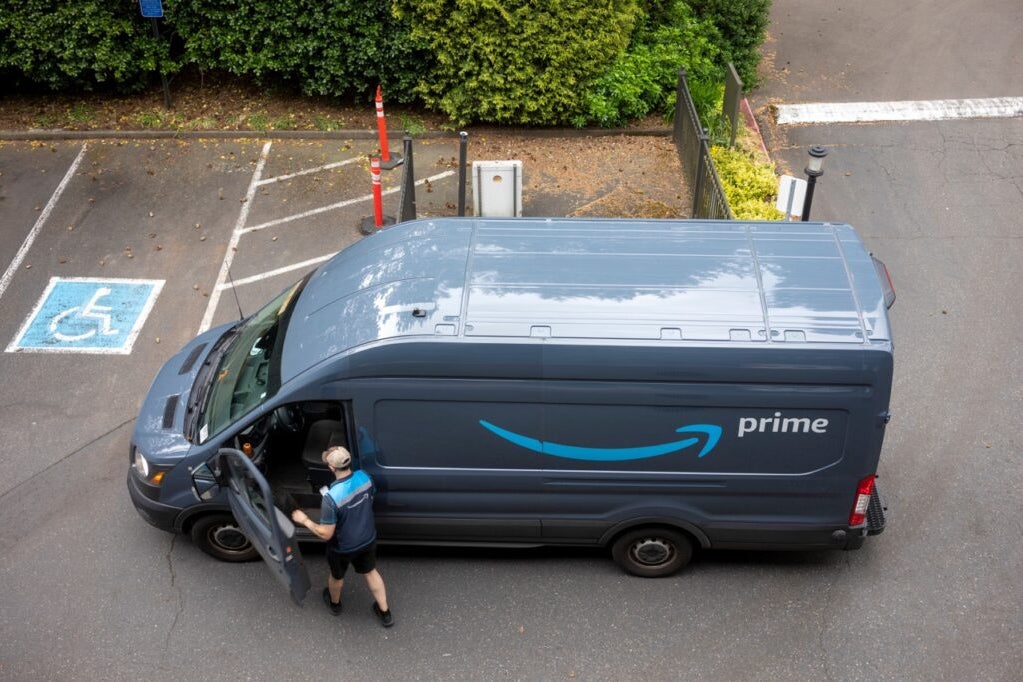
UBER TO INVEST IN FRENCH FIRM HYSETCO, ACCORDING TO BOTH COMPANIES

- Investment Announcement: Uber is making an investment in the French company Hysetco.
- Company Focus: Hysetco specializes in hydrogen mobility solutions.
See More
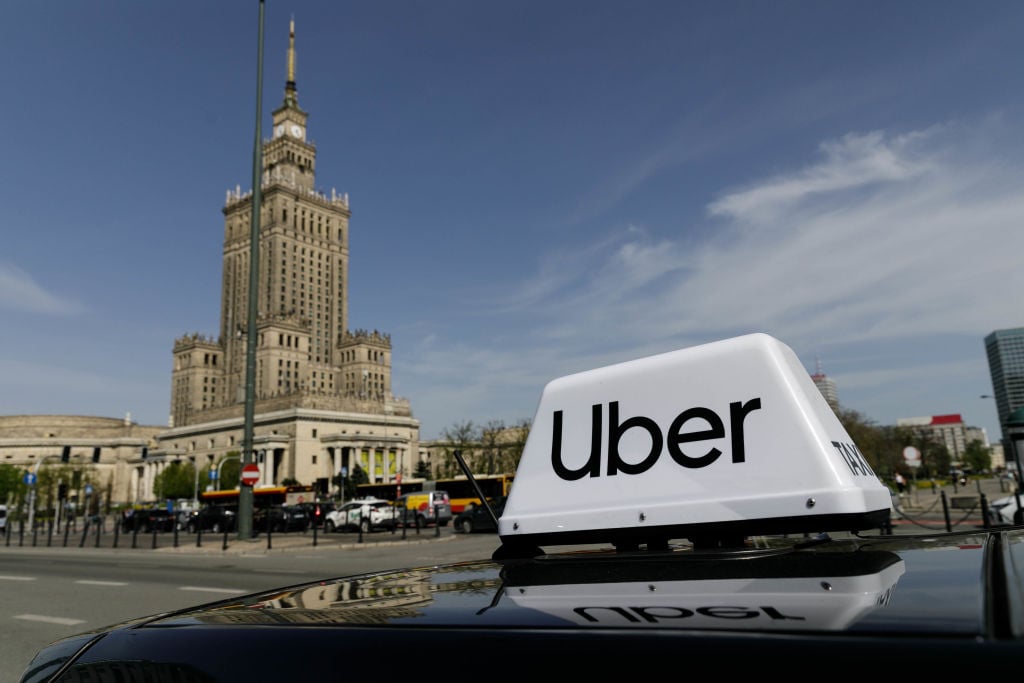
Uber's $10 Billion Investment in Autonomous Driving
- Strategic Investment Plan: Uber is set to invest $10 billion in autonomous driving technology over the next few years, with $2.5 billion allocated for equity stakes and $7.5 billion for purchasing AVs, marking a shift from an asset-light model to a capital-intensive approach.
- Competitive Market Pressure: The company aims to launch AV rides in 15 cities by the end of 2026, attempting to catch up with Waymo's dominance, which currently completes 500,000 AV rides per week in the U.S., highlighting the intense competition in the industry.
- User Base Advantage: With 202 million monthly active users, Uber controls the demand side, making it a reasonable capital allocation decision to foster AV adoption within its ecosystem, which is expected to yield significant long-term financial benefits.
- Optimistic Financial Outlook: Uber's revenue and operating income are projected to grow at compound annual rates of 13% and 32%, respectively, from 2025 to 2028, making the current price-to-earnings ratio of 16.3 appear attractive, further solidifying its position as a growth stock.
See More

Rising Demand for EVs Among US Car Rental Companies
- EV Reservation Surge: Hertz reported a nearly 25% increase in EV reservations in March compared to February, indicating a growing consumer interest in electric vehicles, particularly on the West Coast where gas prices are highest, suggesting a potential fleet adjustment by rental companies to meet market demand.
- Significant Fuel Price Impact: U.S. gas prices have risen by over a third since February 28, reaching $4.02 per gallon, prompting consumers to seek more economical travel options, reflecting the direct impact of Middle Eastern conflicts on the market.
- Used EV Market Rebound: The price of used electric vehicles has firmed up after months of decline due to rising oil prices, indicating a recovery in consumer demand for EVs, which may drive rental companies to invest more in electric vehicle offerings.
- Strong Performance of Rental Platforms: Car Rental Gateway reported a 16% relative increase in EV and hybrid bookings in March, suggesting that rental companies could gain a competitive edge in a high fuel price environment by attracting more customers looking to save on fuel costs.
See More

Intensifying Competition in eVTOL Market


- Market Competition Landscape: The eVTOL market is highly competitive, with Joby Aviation and Archer Aviation emerging as strong contenders for FAA certification, drawing significant attention while other companies like Vertical Aerospace and Embraer's Eve Air Mobility are also actively developing their business models.
- Business Model Differences: Joby and Wisk are adopting a Transportation-as-a-Service (TaaS) model focused on in-house development of core technologies, while Vertical and Archer rely on traditional equipment manufacturers (OEM), potentially giving the latter an edge in the certification process.
- Financial Impact Analysis: Archer is expected to generate earnings and cash flow sooner due to upfront revenue from eVTOL sales, whereas Joby must rely on partnerships with Uber and Delta to establish its transportation service, facing higher upfront investment risks.
- Technological Collaboration and Future Development: Joby is collaborating with Nvidia to develop autonomous flight capabilities and has acquired Xwing's autonomy division to enhance its competitiveness in the future eVTOL industry, demonstrating a forward-looking strategy in market positioning.
See More

Joby and Wisk Compete in the eVTOL Market
- Market Competition: Joby and Wisk face unique risks and opportunities in the electric vertical takeoff and landing (eVTOL) market, with Joby focusing on a transportation-as-a-service (TaaS) model while Wisk develops autonomous flight technology, potentially impacting their market shares.
- Certification Process Comparison: Although Joby is slightly ahead of Archer in the FAA certification race, its need to establish a comprehensive transportation service may slow its revenue growth compared to Archer, which relies on OEM sales, thus affecting its short-term financial performance.
- Technological Collaboration and Investment: Joby's partnership with Nvidia aims to develop autonomous capabilities, and its acquisition of Xwing's autonomy division indicates a desire to remain relevant in the future eVTOL industry, despite requiring higher upfront investments.
- Long-term Market Outlook: Joby's first-mover advantage may allow it to gain commercial acceptance in the TaaS market, but Wisk's autonomous eVTOL service could enter the market at a lower cost in the coming years, posing a threat to Joby and prompting it to accelerate technological innovation and market positioning.
See More

Uber Found Liable in Rideshare Assault Case
- Legal Accountability: A federal jury in North Carolina found Uber liable for the March 26, 2019 assault on passenger Brianna Mensing, marking the second time this year that Uber has been held accountable for driver actions in nationwide multidistrict litigation, highlighting significant legal risks for the company regarding passenger safety.
- Compensation Amount: The jury awarded Mensing $5,000, despite her stating that she was not seeking money but rather accountability from Uber, reflecting the courage and determination of victims in their pursuit of justice.
- Upcoming Trials: Four additional bellwether trials are scheduled to proceed, with the next two set to begin on September 14, 2026, which will further test Uber's legal responsibilities in similar cases and could have profound implications for its operational model.
- Change in Legal Status: The judge ruled that Uber qualifies as a
See More
UBER TO INVEST IN FRENCH FIRM HYSETCO, ACCORDING TO BOTH COMPANIES
- Investment Announcement: Uber is making an investment in the French company Hysetco.
- Company Focus: Hysetco specializes in hydrogen mobility solutions.
See More
Uber's $10 Billion Investment in Autonomous Driving
- Strategic Investment Plan: Uber is set to invest $10 billion in autonomous driving technology over the next few years, with $2.5 billion allocated for equity stakes and $7.5 billion for purchasing AVs, marking a shift from an asset-light model to a capital-intensive approach.
- Competitive Market Pressure: The company aims to launch AV rides in 15 cities by the end of 2026, attempting to catch up with Waymo's dominance, which currently completes 500,000 AV rides per week in the U.S., highlighting the intense competition in the industry.
- User Base Advantage: With 202 million monthly active users, Uber controls the demand side, making it a reasonable capital allocation decision to foster AV adoption within its ecosystem, which is expected to yield significant long-term financial benefits.
- Optimistic Financial Outlook: Uber's revenue and operating income are projected to grow at compound annual rates of 13% and 32%, respectively, from 2025 to 2028, making the current price-to-earnings ratio of 16.3 appear attractive, further solidifying its position as a growth stock.
See More
Rising Demand for EVs Among US Car Rental Companies
- EV Reservation Surge: Hertz reported a nearly 25% increase in EV reservations in March compared to February, indicating a growing consumer interest in electric vehicles, particularly on the West Coast where gas prices are highest, suggesting a potential fleet adjustment by rental companies to meet market demand.
- Significant Fuel Price Impact: U.S. gas prices have risen by over a third since February 28, reaching $4.02 per gallon, prompting consumers to seek more economical travel options, reflecting the direct impact of Middle Eastern conflicts on the market.
- Used EV Market Rebound: The price of used electric vehicles has firmed up after months of decline due to rising oil prices, indicating a recovery in consumer demand for EVs, which may drive rental companies to invest more in electric vehicle offerings.
- Strong Performance of Rental Platforms: Car Rental Gateway reported a 16% relative increase in EV and hybrid bookings in March, suggesting that rental companies could gain a competitive edge in a high fuel price environment by attracting more customers looking to save on fuel costs.
See More
Intensifying Competition in eVTOL Market
- Market Competition Landscape: The eVTOL market is highly competitive, with Joby Aviation and Archer Aviation emerging as strong contenders for FAA certification, drawing significant attention while other companies like Vertical Aerospace and Embraer's Eve Air Mobility are also actively developing their business models.
- Business Model Differences: Joby and Wisk are adopting a Transportation-as-a-Service (TaaS) model focused on in-house development of core technologies, while Vertical and Archer rely on traditional equipment manufacturers (OEM), potentially giving the latter an edge in the certification process.
- Financial Impact Analysis: Archer is expected to generate earnings and cash flow sooner due to upfront revenue from eVTOL sales, whereas Joby must rely on partnerships with Uber and Delta to establish its transportation service, facing higher upfront investment risks.
- Technological Collaboration and Future Development: Joby is collaborating with Nvidia to develop autonomous flight capabilities and has acquired Xwing's autonomy division to enhance its competitiveness in the future eVTOL industry, demonstrating a forward-looking strategy in market positioning.
See More
Joby and Wisk Compete in the eVTOL Market
- Market Competition: Joby and Wisk face unique risks and opportunities in the electric vertical takeoff and landing (eVTOL) market, with Joby focusing on a transportation-as-a-service (TaaS) model while Wisk develops autonomous flight technology, potentially impacting their market shares.
- Certification Process Comparison: Although Joby is slightly ahead of Archer in the FAA certification race, its need to establish a comprehensive transportation service may slow its revenue growth compared to Archer, which relies on OEM sales, thus affecting its short-term financial performance.
- Technological Collaboration and Investment: Joby's partnership with Nvidia aims to develop autonomous capabilities, and its acquisition of Xwing's autonomy division indicates a desire to remain relevant in the future eVTOL industry, despite requiring higher upfront investments.
- Long-term Market Outlook: Joby's first-mover advantage may allow it to gain commercial acceptance in the TaaS market, but Wisk's autonomous eVTOL service could enter the market at a lower cost in the coming years, posing a threat to Joby and prompting it to accelerate technological innovation and market positioning.
See More
Uber Found Liable in Rideshare Assault Case
- Legal Accountability: A federal jury in North Carolina found Uber liable for the March 26, 2019 assault on passenger Brianna Mensing, marking the second time this year that Uber has been held accountable for driver actions in nationwide multidistrict litigation, highlighting significant legal risks for the company regarding passenger safety.
- Compensation Amount: The jury awarded Mensing $5,000, despite her stating that she was not seeking money but rather accountability from Uber, reflecting the courage and determination of victims in their pursuit of justice.
- Upcoming Trials: Four additional bellwether trials are scheduled to proceed, with the next two set to begin on September 14, 2026, which will further test Uber's legal responsibilities in similar cases and could have profound implications for its operational model.
- Change in Legal Status: The judge ruled that Uber qualifies as a
See More