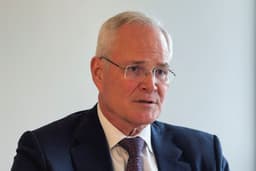
The Rise and Transformation of Physical AI
Written by Emily J. Thompson, Senior Investment Analyst
Updated: 1d ago
0mins


Should l Buy AAPL?
Source: Benzinga
- Physical AI Transformation: Bank of America analyst Martyn Briggs highlights that the rise of Physical AI is underway, projected to drive a trillion-dollar market shift as value transitions from digital models to physical machines like robots, autonomous vehicles, and drones, marking a significant shift of intelligence from screens to machines.
- Humanoid Robot Production: Over 50 companies are developing humanoid robot platforms, with shipments expected to grow from tens of thousands today to millions annually over the next decade, driven by labor shortages and falling component costs, which will transform operations in manufacturing and logistics.
- Autonomous Driving Adoption: Robotaxis are operational in multiple cities, and advanced driver-assistance systems are set to achieve mass adoption in China by 2030, with hardware cost reductions significantly lowering ride-hailing and freight costs, thus transforming mobility into a software-defined, AI-driven platform.
- Investment Opportunities: Bank of America has highlighted 15 publicly traded companies exposed to Physical AI, including Nvidia, Tesla, and Qualcomm, which are leading in chips, robotics, mobility, and sensing, expected to spearhead this transformative wave.
Trade with 70% Backtested Accuracy
Stop guessing "Should I Buy AAPL?" and start using high-conviction signals backed by rigorous historical data.
Sign up today to access powerful investing tools and make smarter, data-driven decisions.
Analyst Views on AAPL
Wall Street analysts forecast AAPL stock price to rise over the next 12 months. According to Wall Street analysts, the average 1-year price target for AAPL is 299.69 USD with a low forecast of 230.00 USD and a high forecast of 350.00 USD. However, analyst price targets are subjective and often lag stock prices, so investors should focus on the objective reasons behind analyst rating changes, which better reflect the company's fundamentals.
32 Analyst Rating
19 Buy
11 Hold
2 Sell
Moderate Buy
Current: 275.910

Low
230.00
Averages
299.69
High
350.00
Current: 275.910
Low
230.00
Averages
299.69
High
350.00
About AAPL
Apple Inc. designs, manufactures and markets smartphones, personal computers, tablets, wearables and accessories, and sells a variety of related services. Its product categories include iPhone, Mac, iPad, and Wearables, Home and Accessories. Its software platforms include iOS, iPadOS, macOS, watchOS, visionOS, and tvOS. Its services include advertising, AppleCare, cloud services, digital content and payment services. The Company operates various platforms, including the App Store, that allow customers to discover and download applications and digital content, such as books, music, video, games and podcasts. It also offers digital content through subscription-based services, including Apple Arcade, Apple Fitness+, Apple Music, Apple News+, and Apple TV+. Its products include iPhone 16 Pro, iPhone 16, iPhone 15, iPhone 14, iPhone SE, MacBook Air, MacBook Pro, iMac, Mac mini, Mac Studio, Mac Pro, iPad Pro, iPad Air, AirPods, AirPods Pro, AirPods Max, Apple TV, Apple Vision Pro and others.
About the author

Emily J. Thompson
Emily J. Thompson, a Chartered Financial Analyst (CFA) with 12 years in investment research, graduated with honors from the Wharton School. Specializing in industrial and technology stocks, she provides in-depth analysis for Intellectia’s earnings and market brief reports.

Apple iPhones to Accompany Artemis II Moon Mission

- Artemis II Mission: NASA is set to launch the Artemis II mission next month, featuring a crew of three Americans and one Canadian who will embark on a 10-day lunar flyby to test hardware and systems for future moon landings.
- iPhones in Space: For the first time, astronauts will carry iPhones provided by Apple, marking a significant milestone as smartphones are utilized in a space mission, although they have been safely used in commercial space flights for about a decade, reflecting NASA's embrace of modern technology.
- Timeline Adjustments: Originally scheduled for early February, the Artemis II launch has been postponed to March, with NASA emphasizing that this operational urgency will facilitate high-value scientific research both in orbit and on the lunar surface.
- Crew-12 Mission Context: The Crew-12 mission is slated for launch on February 11, sending four astronauts to the International Space Station for a six-month mission, further showcasing the effectiveness of NASA's collaboration with SpaceX.
See More

PayPal CEO Change Amidst Disappointing Earnings


- Executive Change: PayPal's board has decided to fire CEO Alex Chriss and appoint HP's Enrique Lores, effective March 1, reflecting dissatisfaction with current performance and potentially undermining investor confidence.
- Disappointing Financials: For Q4 2025, PayPal's online branded checkout saw only a 1% year-over-year increase in transaction volume, indicating weak consumer spending during the holiday season, while transactions per active account fell by 5%, highlighting significant challenges in retail.
- Intensifying Competition: PayPal faces fierce competition from tech giants like Apple Pay and Google Pay, which dominate distribution through smartphone integration, exacerbating the pressure on PayPal's market position.
- Investor Confidence Shaken: Although PayPal paid its first-ever quarterly dividend of $0.14 per share totaling $130 million in Q4 2024, management's low guidance for adjusted earnings per share in 2026 failed to boost shareholder confidence, raising questions about capital allocation decisions.
See More

S&P 500 Index Could Reach 15,000 by 2030


- Future Growth Outlook: Tom Lee from Fundstrat predicts that the S&P 500 index will reach 15,000 by 2030, implying a 120% upside from its current level of 6,830, presenting significant potential returns for investors.
- ETF Investment Advantage: The Vanguard S&P 500 ETF provides exposure to approximately 80% of U.S. equities and 50% of global equities by market value, offering broad access to many of the world's most influential stocks, particularly in the technology sector, enhancing portfolio diversity and potential returns.
- Strong Historical Performance: Over the past two decades, the S&P 500 has advanced 439%, compounding at an annual rate of 8.7%, and with dividends included, the total return reached 700%, compounding at 10.9%, demonstrating the wealth creation capability of long-term holding.
- Generational Wealth Transfer: Millennials are set to inherit $80 trillion and are reshaping the economy as they enter their peak earning years, combined with a predicted global labor shortage, which is expected to drive demand for technology stocks, further boosting the performance of the S&P 500 index.
See More

Apple's Aggressive Recruitment of Tesla Engineers During EV Project

- Talent War: During Apple's electric vehicle project development, the company aggressively targeted Tesla engineers with relentless recruiting calls, which Musk described as 'carpet bombing,' leading engineers to unplug their phones, highlighting Apple's strong competitive intent in the EV sector.
- High Salary Offers: Musk revealed that Apple's recruitment offers were often double Tesla's salaries and frequently made without formal interviews, placing Tesla at a disadvantage in the talent market, especially during periods of strong company performance when poaching became more likely.
- Geographical Influence: Tesla's location in Silicon Valley facilitated job switching for engineers, with Musk noting that the company's engineering-heavy culture attracted competitors eager to accelerate innovation, further exacerbating the risk of talent loss.
- Apple Project Termination: After facing multiple technical challenges and leadership reshuffles, Apple shelved its electric vehicle project Titan in 2024, reflecting the complexities of strategic adjustments and market competition in the EV landscape.
See More

Amazon Investors Urged to Stay Patient Amid Spending Risks
- Increased Capex Guidance: Amazon's management has raised its 2026 capital expenditure forecast to $200 billion, significantly above the $146.6 billion expected, indicating a strong commitment to cloud and AI infrastructure, yet this implies severe cash flow constraints in the near future.
- Accelerated Cloud Growth: Amazon Web Services (AWS) achieved a 24% year-over-year growth rate in Q4, marking the fastest pace in 13 quarters, although it faces fierce competition from Google Cloud and Microsoft Azure, with AWS backlog reaching $244 billion, up 40% year-over-year.
- Negative Market Reaction: Following the higher-than-expected capital expenditures and lower-than-expected earnings outlook, Amazon's stock fell 5.6% to $210 on Friday, prompting analysts to lower their price targets, reflecting market concerns about its short-term performance.
- AI Investment Uncertainty: Despite ongoing investments in AI, investor confidence in Amazon's short-term returns remains low compared to competitors, leading analysts to express concerns about the retail business's ability to integrate AI platforms effectively, suggesting a potential structural disadvantage if not addressed.
See More
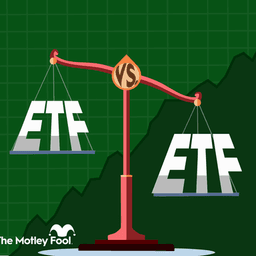
Comparison of Climate-Focused ETFs: NZAC vs IEMG

- Cost and Return Comparison: The iShares Core MSCI Emerging Markets ETF (IEMG) has an expense ratio of 0.09%, lower than the SPDR MSCI ACWI Climate Paris Aligned ETF (NZAC) at 0.12%, making IEMG more appealing for cost-conscious investors, while its 1-year return of 35.3% significantly outperforms NZAC's 15.8%.
- Asset Management Scale Difference: IEMG boasts an asset management size of $138.8 billion, vastly exceeding NZAC's $183.2 million, indicating stronger liquidity and investor confidence in IEMG, which may attract more institutional investor interest.
- Risk and Return Analysis: Although IEMG's returns have surpassed NZAC's over the past year, NZAC's five-year return of 57% clearly outstrips IEMG's 23%, suggesting that NZAC has demonstrated more resilience across market cycles, particularly when tech stocks perform well.
- Investment Strategy Choice: For investors seeking diversified international exposure, IEMG offers broader market coverage, while NZAC appeals to those prioritizing climate-friendly investments, highlighting distinct investment strategies and market positioning.
See More
Apple iPhones to Accompany Artemis II Moon Mission
- Artemis II Mission: NASA is set to launch the Artemis II mission next month, featuring a crew of three Americans and one Canadian who will embark on a 10-day lunar flyby to test hardware and systems for future moon landings.
- iPhones in Space: For the first time, astronauts will carry iPhones provided by Apple, marking a significant milestone as smartphones are utilized in a space mission, although they have been safely used in commercial space flights for about a decade, reflecting NASA's embrace of modern technology.
- Timeline Adjustments: Originally scheduled for early February, the Artemis II launch has been postponed to March, with NASA emphasizing that this operational urgency will facilitate high-value scientific research both in orbit and on the lunar surface.
- Crew-12 Mission Context: The Crew-12 mission is slated for launch on February 11, sending four astronauts to the International Space Station for a six-month mission, further showcasing the effectiveness of NASA's collaboration with SpaceX.
See More
PayPal CEO Change Amidst Disappointing Earnings
- Executive Change: PayPal's board has decided to fire CEO Alex Chriss and appoint HP's Enrique Lores, effective March 1, reflecting dissatisfaction with current performance and potentially undermining investor confidence.
- Disappointing Financials: For Q4 2025, PayPal's online branded checkout saw only a 1% year-over-year increase in transaction volume, indicating weak consumer spending during the holiday season, while transactions per active account fell by 5%, highlighting significant challenges in retail.
- Intensifying Competition: PayPal faces fierce competition from tech giants like Apple Pay and Google Pay, which dominate distribution through smartphone integration, exacerbating the pressure on PayPal's market position.
- Investor Confidence Shaken: Although PayPal paid its first-ever quarterly dividend of $0.14 per share totaling $130 million in Q4 2024, management's low guidance for adjusted earnings per share in 2026 failed to boost shareholder confidence, raising questions about capital allocation decisions.
See More
S&P 500 Index Could Reach 15,000 by 2030
- Future Growth Outlook: Tom Lee from Fundstrat predicts that the S&P 500 index will reach 15,000 by 2030, implying a 120% upside from its current level of 6,830, presenting significant potential returns for investors.
- ETF Investment Advantage: The Vanguard S&P 500 ETF provides exposure to approximately 80% of U.S. equities and 50% of global equities by market value, offering broad access to many of the world's most influential stocks, particularly in the technology sector, enhancing portfolio diversity and potential returns.
- Strong Historical Performance: Over the past two decades, the S&P 500 has advanced 439%, compounding at an annual rate of 8.7%, and with dividends included, the total return reached 700%, compounding at 10.9%, demonstrating the wealth creation capability of long-term holding.
- Generational Wealth Transfer: Millennials are set to inherit $80 trillion and are reshaping the economy as they enter their peak earning years, combined with a predicted global labor shortage, which is expected to drive demand for technology stocks, further boosting the performance of the S&P 500 index.
See More
Apple's Aggressive Recruitment of Tesla Engineers During EV Project
- Talent War: During Apple's electric vehicle project development, the company aggressively targeted Tesla engineers with relentless recruiting calls, which Musk described as 'carpet bombing,' leading engineers to unplug their phones, highlighting Apple's strong competitive intent in the EV sector.
- High Salary Offers: Musk revealed that Apple's recruitment offers were often double Tesla's salaries and frequently made without formal interviews, placing Tesla at a disadvantage in the talent market, especially during periods of strong company performance when poaching became more likely.
- Geographical Influence: Tesla's location in Silicon Valley facilitated job switching for engineers, with Musk noting that the company's engineering-heavy culture attracted competitors eager to accelerate innovation, further exacerbating the risk of talent loss.
- Apple Project Termination: After facing multiple technical challenges and leadership reshuffles, Apple shelved its electric vehicle project Titan in 2024, reflecting the complexities of strategic adjustments and market competition in the EV landscape.
See More
Amazon Investors Urged to Stay Patient Amid Spending Risks
- Increased Capex Guidance: Amazon's management has raised its 2026 capital expenditure forecast to $200 billion, significantly above the $146.6 billion expected, indicating a strong commitment to cloud and AI infrastructure, yet this implies severe cash flow constraints in the near future.
- Accelerated Cloud Growth: Amazon Web Services (AWS) achieved a 24% year-over-year growth rate in Q4, marking the fastest pace in 13 quarters, although it faces fierce competition from Google Cloud and Microsoft Azure, with AWS backlog reaching $244 billion, up 40% year-over-year.
- Negative Market Reaction: Following the higher-than-expected capital expenditures and lower-than-expected earnings outlook, Amazon's stock fell 5.6% to $210 on Friday, prompting analysts to lower their price targets, reflecting market concerns about its short-term performance.
- AI Investment Uncertainty: Despite ongoing investments in AI, investor confidence in Amazon's short-term returns remains low compared to competitors, leading analysts to express concerns about the retail business's ability to integrate AI platforms effectively, suggesting a potential structural disadvantage if not addressed.
See More
Comparison of Climate-Focused ETFs: NZAC vs IEMG
- Cost and Return Comparison: The iShares Core MSCI Emerging Markets ETF (IEMG) has an expense ratio of 0.09%, lower than the SPDR MSCI ACWI Climate Paris Aligned ETF (NZAC) at 0.12%, making IEMG more appealing for cost-conscious investors, while its 1-year return of 35.3% significantly outperforms NZAC's 15.8%.
- Asset Management Scale Difference: IEMG boasts an asset management size of $138.8 billion, vastly exceeding NZAC's $183.2 million, indicating stronger liquidity and investor confidence in IEMG, which may attract more institutional investor interest.
- Risk and Return Analysis: Although IEMG's returns have surpassed NZAC's over the past year, NZAC's five-year return of 57% clearly outstrips IEMG's 23%, suggesting that NZAC has demonstrated more resilience across market cycles, particularly when tech stocks perform well.
- Investment Strategy Choice: For investors seeking diversified international exposure, IEMG offers broader market coverage, while NZAC appeals to those prioritizing climate-friendly investments, highlighting distinct investment strategies and market positioning.
See More