The Rise and Challenges of Home Data Centers
Written by Emily J. Thompson, Senior Investment Analyst
Updated: May 09 2026
0mins


Source: CNBC
- Legislative Developments: Maine's legislature passed a data center ban, though it failed to override the governor's veto, indicating rising public discontent with data centers, as 14 states consider similar legislation reflecting concerns over big tech's influence.
- Massive Investment Trends: U.S. tech companies are projected to spend up to $1 trillion annually on AI by 2027, with global data center spending expected to reach $7 trillion by 2030, illustrating a significant influx of capital despite public opposition.
- Home Data Center Model: PulteGroup is collaborating with Nvidia and startup Span to test the installation of small data center nodes on new homes' exterior walls, although the scalability and regulatory approval of this model remain uncertain, its potential for energy efficiency and cost savings is noteworthy.
- Technical and Security Challenges: Home data centers face significant technical limitations regarding power density, connectivity, and security, as they may work for specific workloads, but high-density AI training and real-time tasks present major challenges, with experts highlighting concerns over reliability and security in residential settings.
Trade with 70% Backtested Accuracy
Stop guessing "Should I Buy AMZN?" and start using high-conviction signals backed by rigorous historical data.
Sign up today to access powerful investing tools and make smarter, data-driven decisions.
Analyst Views on AMZN
Wall Street analysts forecast AMZN stock price to rise
44 Analyst Rating
41 Buy
3 Hold
0 Sell
Strong Buy
Current: 274.000

Low
175.00
Averages
280.01
High
325.00
Current: 274.000
Low
175.00
Averages
280.01
High
325.00
About AMZN
Amazon.com, Inc. provides a range of products and services to customers. The products offered through its stores include merchandise and content it has purchased for resale and products offered by third-party sellers. The Company’s segments include North America, International and Amazon Web Services (AWS). It serves consumers through its online and physical stores and focuses on selection, price, and convenience. Customers access its offerings through its websites, mobile apps, Alexa, devices, streaming, and physically visiting its stores. It also manufactures and sells electronic devices, including Kindle, Fire tablet, Fire TV, Echo, Ring, Blink, and eero, and develops and produces media content. It serves developers and enterprises of all sizes, including start-ups, government agencies, and academic institutions, through AWS, which offers a set of on-demand technology services, including compute, storage, database, analytics, and machine learning, and other services.
About the author

Emily J. Thompson
Emily J. Thompson, a Chartered Financial Analyst (CFA) with 12 years in investment research, graduated with honors from the Wharton School. Specializing in industrial and technology stocks, she provides in-depth analysis for Intellectia’s earnings and market brief reports.

Amazon's Satellite Broadband Service Rapidly Advancing

- Significant Business Growth: Amazon's first-quarter report reveals impressive growth, with triple-digit increases in its chips business and a 170% quarter-over-quarter rise in client spending on its Bedrock platform, indicating that its substantial investments are yielding significant returns and solidifying its market position.
- Satellite Broadband Progress: The company is launching its satellite broadband service, Amazon Leo, and although it currently has just over 250 satellites in orbit, Amazon plans 20 more launches this year to rapidly close the gap with competitors in this fast-growing market.
- Massive Market Opportunity: According to Grand View Research, the satellite broadband industry is projected to reach $35.7 billion by 2033, with a compound annual growth rate of 15.1%, providing Amazon with a new revenue stream and growth pathway in connectivity.
- Strategic Partnerships: Amazon has signed significant agreements with Delta Airlines for in-flight Wi-Fi and Apple for integration with iPhones and Apple Watches, enhancing its competitive edge in the satellite broadband market.
See More

S&P 500 Future Outlook and Performance Insights


- Historical Performance Review: Over the past 20 years, the S&P 500 has achieved an annual return of 9.3% excluding dividends, while the total return including dividends reached 768%, demonstrating its strong position as a benchmark for the U.S. stock market.
- Future Growth Expectations: Wall Street analysts project a 25% increase in earnings for S&P 500 companies in 2026, up from 14% in 2025, primarily driven by robust spending on artificial intelligence infrastructure and corporate tax breaks.
- Market Risk Factors: While strong earnings growth is expected to drive the S&P 500 higher, economic uncertainties stemming from the Iran conflict and potential interest rate hikes could negatively impact the stock market, necessitating cautious investor strategies.
- Investment Recommendations: When considering investments in the S&P 500 index, investors should also explore other potential stocks, as the Motley Fool analyst team has identified 10 stocks that could yield significant returns in the coming years, highlighting diverse investment opportunities in the market.
See More

Amazon Doubles Down on AI Infrastructure Investment
- Capital Expenditure Surge: Amazon plans to increase capital expenditures by 32% to nearly $200 billion to support cloud demand and compute capacity expansion, a move that has reduced free cash flow to $1.2 billion, yet management views this as a once-in-a-lifetime opportunity.
- E-commerce Growth: Last quarter, Amazon's total sales grew 17% year-over-year to $181 billion, with online store sales achieving the highest unit sales growth in four years, demonstrating strong performance and market penetration in the e-commerce sector.
- Cloud Services Drive: Amazon Web Services (AWS) saw a 28% year-over-year revenue increase in Q1, primarily driven by strong demand for AI services, attracting enterprise clients with the cost-effectiveness and performance of Amazon's proprietary chips, generating $20 billion in annual revenue and growing at triple-digit rates.
- Satellite Network Expansion: Amazon is building a large satellite constellation (Amazon Leo) for broadband internet service, which not only enhances shopping experiences in remote areas but could also boost AWS demand through data processing at remote sites, further expanding its market potential.
See More
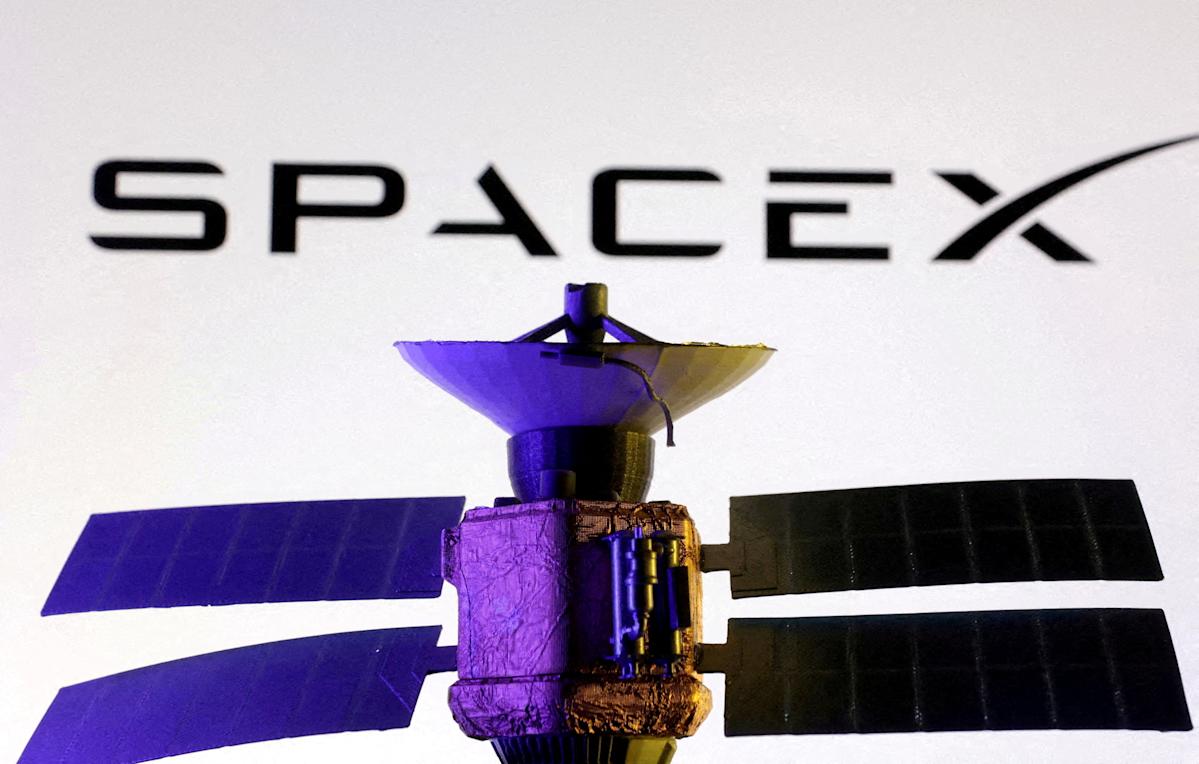
SpaceX Plans IPO, Signaling Market Shift in Private Funding

- Delayed IPO Timeline: SpaceX is targeting a public listing approximately 24 years after its founding, making it one of the latest entrants among recent IPOs, which underscores a growing reliance on private funding and may alter how future investors engage with new companies.
- Comparison with Peers: Unlike early public companies like Amazon, Apple, and Netflix that went public within 3 to 6 years of their founding, SpaceX's extended timeline could reshape investor expectations regarding the timing of new market entrants.
- Shifting Market Trends: The trend of companies like Palantir and Reddit, which waited 17 to 19 years before going public, highlights that IPOs are increasingly viewed as a means for early investors to cash out rather than a starting point for new ventures, as exemplified by SpaceX's anticipated listing.
- Investor Strategy Reevaluation: As IPOs evolve into cash-out opportunities for early investors and employees, investors may need to reassess their strategies to adapt to this market shift, particularly when seeking investment opportunities in emerging tech companies.
See More

Micron Technology Thrives Amid AI Growth Surge

- Market Value Milestone: Micron Technology has achieved a market value exceeding $1 trillion, joining the ranks of major tech giants, which reflects strong investor confidence in its role in the AI sector and has driven the stock price higher, attracting more investments.
- Revenue Surge: In its latest earnings report, Micron reported a nearly 200% year-over-year revenue increase, surpassing $23 billion, setting a record that underscores the skyrocketing demand for its memory and storage products in AI applications, further solidifying its market leadership.
- Future Growth Potential: With the rise of Agentic AI, the demand for memory is expected to increase even further, providing Micron with substantial growth opportunities, particularly as AI agents require deeper reasoning and collaboration, making its products increasingly vital.
- Supply Chain Challenges: Despite strong demand, Micron faces supply constraints, currently able to meet only 50% to 66% of key customer needs, necessitating careful management of its supply chain while expanding production capacity to sustain ongoing growth.
See More

Amazon Doubles Down on AI Infrastructure Investments
- Strong Sales Growth: Amazon has signaled a clear strategic shift over the past year, with total sales growing 17% year-over-year to $181 billion, and online store sales achieving their highest unit sales growth in four years, indicating a robust recovery in its e-commerce business.
- Cloud Services Drive Revenue: Amazon Web Services (AWS) saw a 28% year-over-year revenue increase in Q1, primarily due to strong demand for AI services, with enterprise customers attracted to the cost-effectiveness and performance of Amazon's proprietary chips (Trainium, Graviton, and Nitro), generating $20 billion in annualized revenue and growing at triple-digit rates.
- Significant Capital Expenditure Increase: The company plans to increase capital expenditures by 32% to nearly $200 billion to support cloud demand and additional compute capacity, which has led to a drop in free cash flow to $1.2 billion, but management views this as a once-in-a-lifetime opportunity.
- Huge Future Growth Potential: Despite Amazon's leadership in e-commerce, it captures less than 10% of the global retail market, with management expecting more offline shopping to shift online over the next decade; additionally, Amazon is building a large satellite constellation for broadband internet service, further expanding market opportunities.
See More
Amazon's Satellite Broadband Service Rapidly Advancing
- Significant Business Growth: Amazon's first-quarter report reveals impressive growth, with triple-digit increases in its chips business and a 170% quarter-over-quarter rise in client spending on its Bedrock platform, indicating that its substantial investments are yielding significant returns and solidifying its market position.
- Satellite Broadband Progress: The company is launching its satellite broadband service, Amazon Leo, and although it currently has just over 250 satellites in orbit, Amazon plans 20 more launches this year to rapidly close the gap with competitors in this fast-growing market.
- Massive Market Opportunity: According to Grand View Research, the satellite broadband industry is projected to reach $35.7 billion by 2033, with a compound annual growth rate of 15.1%, providing Amazon with a new revenue stream and growth pathway in connectivity.
- Strategic Partnerships: Amazon has signed significant agreements with Delta Airlines for in-flight Wi-Fi and Apple for integration with iPhones and Apple Watches, enhancing its competitive edge in the satellite broadband market.
See More
S&P 500 Future Outlook and Performance Insights
- Historical Performance Review: Over the past 20 years, the S&P 500 has achieved an annual return of 9.3% excluding dividends, while the total return including dividends reached 768%, demonstrating its strong position as a benchmark for the U.S. stock market.
- Future Growth Expectations: Wall Street analysts project a 25% increase in earnings for S&P 500 companies in 2026, up from 14% in 2025, primarily driven by robust spending on artificial intelligence infrastructure and corporate tax breaks.
- Market Risk Factors: While strong earnings growth is expected to drive the S&P 500 higher, economic uncertainties stemming from the Iran conflict and potential interest rate hikes could negatively impact the stock market, necessitating cautious investor strategies.
- Investment Recommendations: When considering investments in the S&P 500 index, investors should also explore other potential stocks, as the Motley Fool analyst team has identified 10 stocks that could yield significant returns in the coming years, highlighting diverse investment opportunities in the market.
See More
Amazon Doubles Down on AI Infrastructure Investment
- Capital Expenditure Surge: Amazon plans to increase capital expenditures by 32% to nearly $200 billion to support cloud demand and compute capacity expansion, a move that has reduced free cash flow to $1.2 billion, yet management views this as a once-in-a-lifetime opportunity.
- E-commerce Growth: Last quarter, Amazon's total sales grew 17% year-over-year to $181 billion, with online store sales achieving the highest unit sales growth in four years, demonstrating strong performance and market penetration in the e-commerce sector.
- Cloud Services Drive: Amazon Web Services (AWS) saw a 28% year-over-year revenue increase in Q1, primarily driven by strong demand for AI services, attracting enterprise clients with the cost-effectiveness and performance of Amazon's proprietary chips, generating $20 billion in annual revenue and growing at triple-digit rates.
- Satellite Network Expansion: Amazon is building a large satellite constellation (Amazon Leo) for broadband internet service, which not only enhances shopping experiences in remote areas but could also boost AWS demand through data processing at remote sites, further expanding its market potential.
See More
SpaceX Plans IPO, Signaling Market Shift in Private Funding
- Delayed IPO Timeline: SpaceX is targeting a public listing approximately 24 years after its founding, making it one of the latest entrants among recent IPOs, which underscores a growing reliance on private funding and may alter how future investors engage with new companies.
- Comparison with Peers: Unlike early public companies like Amazon, Apple, and Netflix that went public within 3 to 6 years of their founding, SpaceX's extended timeline could reshape investor expectations regarding the timing of new market entrants.
- Shifting Market Trends: The trend of companies like Palantir and Reddit, which waited 17 to 19 years before going public, highlights that IPOs are increasingly viewed as a means for early investors to cash out rather than a starting point for new ventures, as exemplified by SpaceX's anticipated listing.
- Investor Strategy Reevaluation: As IPOs evolve into cash-out opportunities for early investors and employees, investors may need to reassess their strategies to adapt to this market shift, particularly when seeking investment opportunities in emerging tech companies.
See More
Micron Technology Thrives Amid AI Growth Surge
- Market Value Milestone: Micron Technology has achieved a market value exceeding $1 trillion, joining the ranks of major tech giants, which reflects strong investor confidence in its role in the AI sector and has driven the stock price higher, attracting more investments.
- Revenue Surge: In its latest earnings report, Micron reported a nearly 200% year-over-year revenue increase, surpassing $23 billion, setting a record that underscores the skyrocketing demand for its memory and storage products in AI applications, further solidifying its market leadership.
- Future Growth Potential: With the rise of Agentic AI, the demand for memory is expected to increase even further, providing Micron with substantial growth opportunities, particularly as AI agents require deeper reasoning and collaboration, making its products increasingly vital.
- Supply Chain Challenges: Despite strong demand, Micron faces supply constraints, currently able to meet only 50% to 66% of key customer needs, necessitating careful management of its supply chain while expanding production capacity to sustain ongoing growth.
See More
Amazon Doubles Down on AI Infrastructure Investments
- Strong Sales Growth: Amazon has signaled a clear strategic shift over the past year, with total sales growing 17% year-over-year to $181 billion, and online store sales achieving their highest unit sales growth in four years, indicating a robust recovery in its e-commerce business.
- Cloud Services Drive Revenue: Amazon Web Services (AWS) saw a 28% year-over-year revenue increase in Q1, primarily due to strong demand for AI services, with enterprise customers attracted to the cost-effectiveness and performance of Amazon's proprietary chips (Trainium, Graviton, and Nitro), generating $20 billion in annualized revenue and growing at triple-digit rates.
- Significant Capital Expenditure Increase: The company plans to increase capital expenditures by 32% to nearly $200 billion to support cloud demand and additional compute capacity, which has led to a drop in free cash flow to $1.2 billion, but management views this as a once-in-a-lifetime opportunity.
- Huge Future Growth Potential: Despite Amazon's leadership in e-commerce, it captures less than 10% of the global retail market, with management expecting more offline shopping to shift online over the next decade; additionally, Amazon is building a large satellite constellation for broadband internet service, further expanding market opportunities.
See More