The Major Shift Has Begun—and Perhaps Concluded. What Are the Next Steps?
Written by Emily J. Thompson, Senior Investment Analyst
Updated: Feb 20 2026
0mins

Source: Barron's
Market Dynamics: The article questions whether the current stock market trends represent a genuine rotation or are simply erratic fluctuations akin to a carnival ride.
Personal Reflection: The author expresses regret over their investment choices, likening the experience to regretting a poor food choice at a fair.
Trade with 70% Backtested Accuracy
Stop guessing "Should I Buy TAP?" and start using high-conviction signals backed by rigorous historical data.
Sign up today to access powerful investing tools and make smarter, data-driven decisions.
Analyst Views on TAP
Wall Street analysts forecast TAP stock price to rise
15 Analyst Rating
5 Buy
9 Hold
1 Sell
Moderate Buy
Current: 39.040

Low
46.00
Averages
52.00
High
72.00
Current: 39.040
Low
46.00
Averages
52.00
High
72.00
About TAP
Molson Coors Beverage Company is a holding company. The Company operates in two segments: Americas and EMEA&APAC. The Americas segment consists of the production, importing, marketing, distribution and sales of its owned brands and partner brands and licensed brands in the United States, Canada and various countries in Latin America. It operates nine primary breweries, three craft breweries and two container operations. It also includes partnership arrangements for the distribution of beer in Ontario and the western provinces of Canada. The EMEA&APAC segment consists of the production, marketing and sales of its primary brands as well as other owned and licensed brands in Bulgaria, Croatia, Czech Republic, Hungary, Montenegro, the Republic of Ireland, Romania, Serbia, the United Kingdom, various other European countries and certain countries within the Middle East, Africa and Asia Pacific regions. It operates approximately 10 primary breweries, three craft breweries and one cidery.
About the author

Emily J. Thompson
Emily J. Thompson, a Chartered Financial Analyst (CFA) with 12 years in investment research, graduated with honors from the Wharton School. Specializing in industrial and technology stocks, she provides in-depth analysis for Intellectia’s earnings and market brief reports.

Newmont's Executive Changes Boost Stock Performance
- Executive Changes: Newmont announced the appointment of a new CFO, COO, and CTO, effective July 1, which contributed to a nearly 3% stock increase despite broader market declines, indicating strong investor confidence.
- New CFO Background: Brian Tabolt, the new CFO, is a company veteran who joined in 2021 and previously served as chief accounting officer, bringing extensive financial management experience that is expected to enhance the company's financial transparency and execution.
- Leadership in Operations and Technology: New COO Mark Rodgers and CTO David Thornton are both current executives, with Rodgers having joined in 2020 and Thornton in 2016, which will likely strengthen the company's operational efficiency and technological innovation capabilities.
- Enhanced Strategic Execution: The company stated in its press release that the new leadership team will bolster its ability to execute strategies effectively, ensuring strong alignment across operations, finance, and technical functions, thereby improving performance and delivering long-term shareholder value.
See More

Newmont Appoints New CFO, COO, and CTO
- Executive Appointments: Newmont has appointed Brian Tabolt as the new CFO, Mark Rodgers as COO, and David Thornton as CTO, effective July 1, showcasing the company's deep internal talent pool.
- Market Performance: In the context of these executive changes, Newmont's stock rose nearly 3% on Tuesday, contrasting with a 0.6% decline in the S&P 500, indicating increased market confidence in the new leadership.
- Strategic Execution Capability: The company stated in its press release that the new executives will enhance its “ability to execute its strategy with clarity and focus,” which will help improve performance, maintain cost discipline, and deliver long-term value for shareholders.
- Internal Promotion Advantage: This appointment reflects Newmont's capability to promote from within, strengthening the company's adaptability and competitiveness in a rapidly changing market environment.
See More

2026 FIFA World Cup to Boost Key Sectors and Stocks

- Sector Benefit Analysis: Deutsche Bank analysts noted that the 2026 FIFA World Cup will provide a temporary boost to sectors such as leisure, dining, media, tech, and gaming, particularly benefiting U.S. restaurant brands like Sweetgreen, Shake Shack, and The Cheesecake Factory due to their proximity to host cities.
- Advertising Revenue Expectations: The tournament is expected to generate the highest advertising revenue in U.S. history, with the number of participating teams increasing from 32 to 48, benefiting major players like Fox and Comcast's Telemundo, thereby driving growth in the media sector.
- Consumer Goods Market Outlook: Goldman Sachs forecasts that European and U.S. consumer staples, retail, lodging, and airlines will benefit from the influx of spectators traveling to the games, with beer companies such as AB InBev, Constellation Brands, and Molson Coors rated as
See More
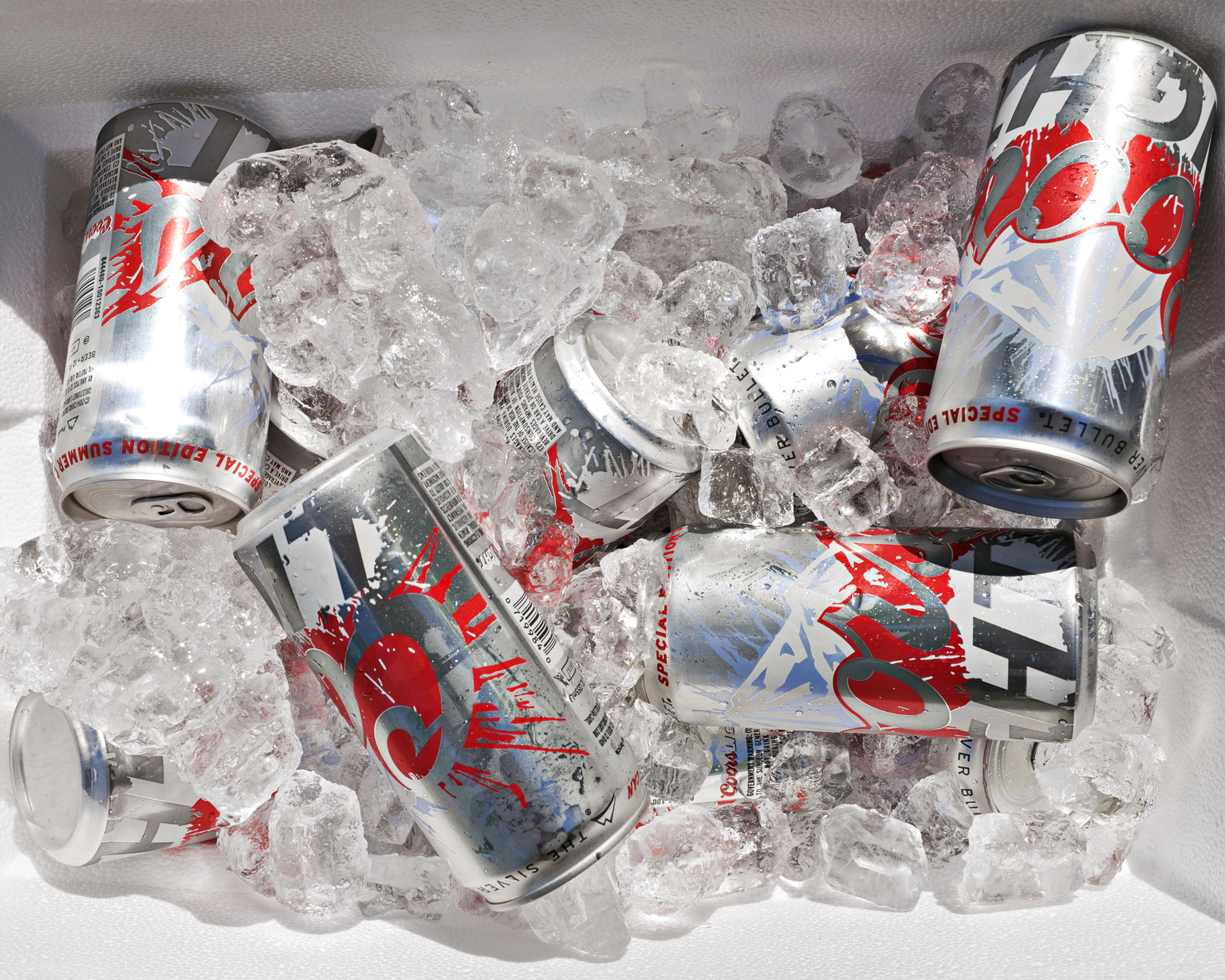
Molson Coors Lowers Full-Year Guidance Amid Price Target Cuts
- Full-Year Guidance Cut: Molson Coors (TAP) faces downward pressure as it lowers its full-year guidance, prompting widespread price target reductions on Wall Street, with Bernstein slashing its target by 40% to $45, despite a 7% upside potential, indicating market concerns about the company's future performance.
- Weak Sales Outlook: The company anticipates flat net sales with a range of plus or minus 1%, and a projected underlying loss decline of 15% to 18% by 2025, highlighting the severe market environment and cost pressures it is facing.
- Significant Aluminum Price Impact: CFO Tracey Joubert estimates that rising aluminum prices will negatively affect pre-tax income growth by 9% to 10%, translating to at least $125 million in additional costs by 2025, demonstrating the direct threat of raw material costs on profitability.
- Negative Market Reaction: Molson Coors shares have dropped over 3%, putting pressure on peers such as The Boston Beer Company (SAM), Anheuser-Busch InBev (BUD), and Constellation Brands (STZ), reflecting investor concerns about the outlook for the entire industry.
See More
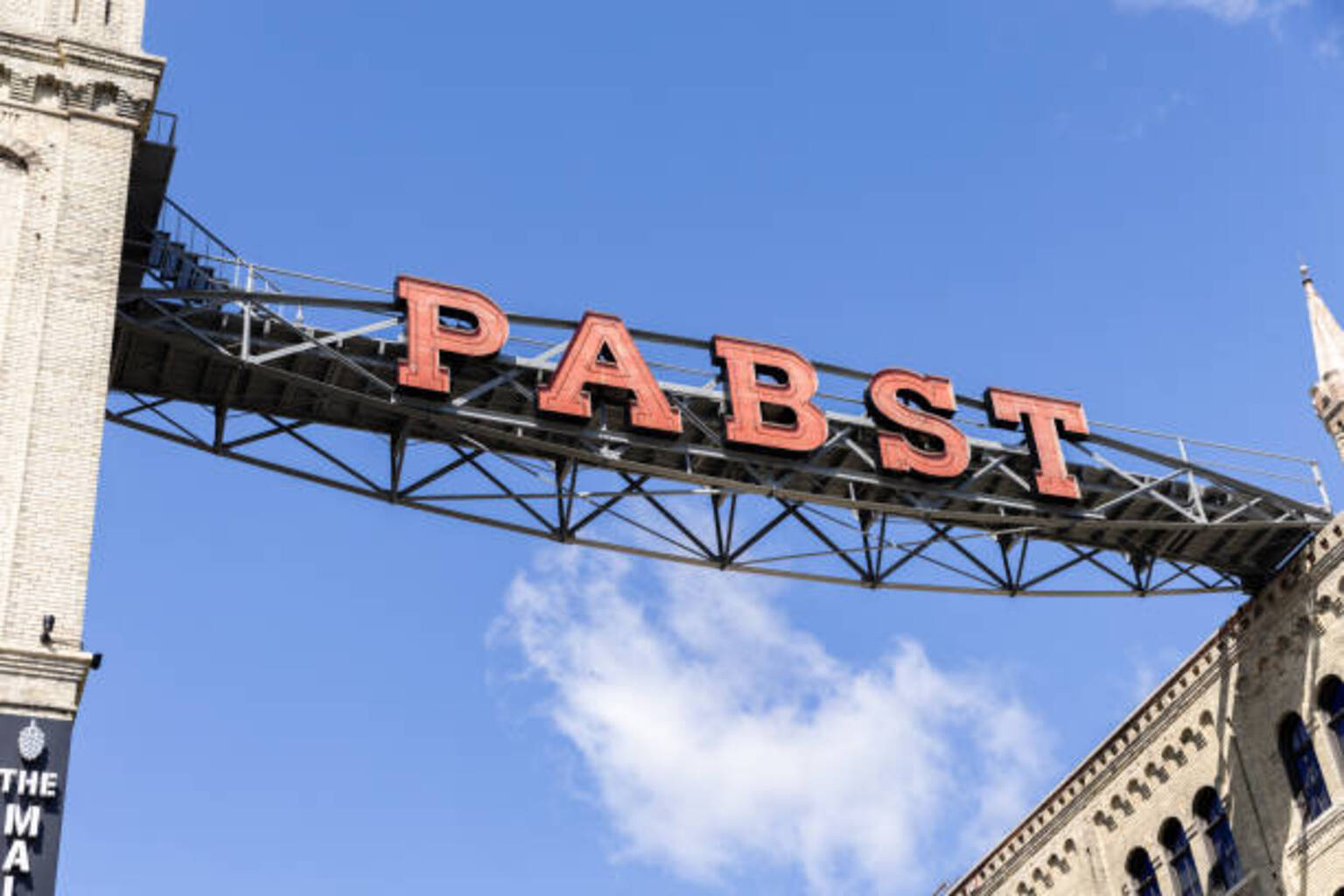
Pabst Brewing Places Schlitz Brand on Hiatus, Ending 177-Year History
- Production Hiatus: Pabst Brewing Company has confirmed the hiatus of Schlitz Premium due to unsustainable economics, indicating that the brand's volume has fallen below the minimum production requirements at the Anheuser-Busch plant in Texas.
- Historic Brand: With a brewing history of 177 years, Schlitz was the largest brewer in the world during the 1950s; however, cost-cutting measures that altered its recipe led to a decline in brand loyalty and sales.
- Market Impact: The cessation of Schlitz production marks the end of an era and reflects broader changes in the U.S. beer market, where many century-old brands face similar challenges, potentially affecting consumer perceptions of traditional brands.
- Cultural Legacy: Schlitz has a rich history in Chicago, having provided drinking water to residents after the Great Chicago Fire of 1871, and its disappearance signifies a significant loss to local culture and history.
See More

Molson Coors Prices $1.5B Senior Notes Offering
- Bond Offering Size: Molson Coors has announced a $1.5 billion senior notes offering, which includes $500 million of 4.900% senior notes due in 2031 and $1 billion of 5.500% senior notes due in 2036, providing crucial funding for the company.
- Clear Use of Proceeds: The funds raised will be used for general purposes, including repaying $2 billion in 3.00% senior notes maturing in 2026, aimed at optimizing the company's capital structure and reducing future interest burdens.
- Strong Underwriter Lineup: Citigroup, BofA Securities, and Goldman Sachs serve as joint book-running managers for this bond offering, reflecting market confidence in Molson Coors and expected to attract significant investor interest.
- Transaction Timeline: The bond offering is set to close around May 27, 2026, pending usual closing conditions, providing the company ample time to prepare and execute related financial strategies.
See More
Newmont's Executive Changes Boost Stock Performance
- Executive Changes: Newmont announced the appointment of a new CFO, COO, and CTO, effective July 1, which contributed to a nearly 3% stock increase despite broader market declines, indicating strong investor confidence.
- New CFO Background: Brian Tabolt, the new CFO, is a company veteran who joined in 2021 and previously served as chief accounting officer, bringing extensive financial management experience that is expected to enhance the company's financial transparency and execution.
- Leadership in Operations and Technology: New COO Mark Rodgers and CTO David Thornton are both current executives, with Rodgers having joined in 2020 and Thornton in 2016, which will likely strengthen the company's operational efficiency and technological innovation capabilities.
- Enhanced Strategic Execution: The company stated in its press release that the new leadership team will bolster its ability to execute strategies effectively, ensuring strong alignment across operations, finance, and technical functions, thereby improving performance and delivering long-term shareholder value.
See More
Newmont Appoints New CFO, COO, and CTO
- Executive Appointments: Newmont has appointed Brian Tabolt as the new CFO, Mark Rodgers as COO, and David Thornton as CTO, effective July 1, showcasing the company's deep internal talent pool.
- Market Performance: In the context of these executive changes, Newmont's stock rose nearly 3% on Tuesday, contrasting with a 0.6% decline in the S&P 500, indicating increased market confidence in the new leadership.
- Strategic Execution Capability: The company stated in its press release that the new executives will enhance its “ability to execute its strategy with clarity and focus,” which will help improve performance, maintain cost discipline, and deliver long-term value for shareholders.
- Internal Promotion Advantage: This appointment reflects Newmont's capability to promote from within, strengthening the company's adaptability and competitiveness in a rapidly changing market environment.
See More
2026 FIFA World Cup to Boost Key Sectors and Stocks
- Sector Benefit Analysis: Deutsche Bank analysts noted that the 2026 FIFA World Cup will provide a temporary boost to sectors such as leisure, dining, media, tech, and gaming, particularly benefiting U.S. restaurant brands like Sweetgreen, Shake Shack, and The Cheesecake Factory due to their proximity to host cities.
- Advertising Revenue Expectations: The tournament is expected to generate the highest advertising revenue in U.S. history, with the number of participating teams increasing from 32 to 48, benefiting major players like Fox and Comcast's Telemundo, thereby driving growth in the media sector.
- Consumer Goods Market Outlook: Goldman Sachs forecasts that European and U.S. consumer staples, retail, lodging, and airlines will benefit from the influx of spectators traveling to the games, with beer companies such as AB InBev, Constellation Brands, and Molson Coors rated as
See More
Molson Coors Lowers Full-Year Guidance Amid Price Target Cuts
- Full-Year Guidance Cut: Molson Coors (TAP) faces downward pressure as it lowers its full-year guidance, prompting widespread price target reductions on Wall Street, with Bernstein slashing its target by 40% to $45, despite a 7% upside potential, indicating market concerns about the company's future performance.
- Weak Sales Outlook: The company anticipates flat net sales with a range of plus or minus 1%, and a projected underlying loss decline of 15% to 18% by 2025, highlighting the severe market environment and cost pressures it is facing.
- Significant Aluminum Price Impact: CFO Tracey Joubert estimates that rising aluminum prices will negatively affect pre-tax income growth by 9% to 10%, translating to at least $125 million in additional costs by 2025, demonstrating the direct threat of raw material costs on profitability.
- Negative Market Reaction: Molson Coors shares have dropped over 3%, putting pressure on peers such as The Boston Beer Company (SAM), Anheuser-Busch InBev (BUD), and Constellation Brands (STZ), reflecting investor concerns about the outlook for the entire industry.
See More
Pabst Brewing Places Schlitz Brand on Hiatus, Ending 177-Year History
- Production Hiatus: Pabst Brewing Company has confirmed the hiatus of Schlitz Premium due to unsustainable economics, indicating that the brand's volume has fallen below the minimum production requirements at the Anheuser-Busch plant in Texas.
- Historic Brand: With a brewing history of 177 years, Schlitz was the largest brewer in the world during the 1950s; however, cost-cutting measures that altered its recipe led to a decline in brand loyalty and sales.
- Market Impact: The cessation of Schlitz production marks the end of an era and reflects broader changes in the U.S. beer market, where many century-old brands face similar challenges, potentially affecting consumer perceptions of traditional brands.
- Cultural Legacy: Schlitz has a rich history in Chicago, having provided drinking water to residents after the Great Chicago Fire of 1871, and its disappearance signifies a significant loss to local culture and history.
See More
Molson Coors Prices $1.5B Senior Notes Offering
- Bond Offering Size: Molson Coors has announced a $1.5 billion senior notes offering, which includes $500 million of 4.900% senior notes due in 2031 and $1 billion of 5.500% senior notes due in 2036, providing crucial funding for the company.
- Clear Use of Proceeds: The funds raised will be used for general purposes, including repaying $2 billion in 3.00% senior notes maturing in 2026, aimed at optimizing the company's capital structure and reducing future interest burdens.
- Strong Underwriter Lineup: Citigroup, BofA Securities, and Goldman Sachs serve as joint book-running managers for this bond offering, reflecting market confidence in Molson Coors and expected to attract significant investor interest.
- Transaction Timeline: The bond offering is set to close around May 27, 2026, pending usual closing conditions, providing the company ample time to prepare and execute related financial strategies.
See More