The Impact of the Iran Conflict on Nvidia's Stock Performance
Written by Emily J. Thompson, Senior Investment Analyst
Updated: 9 hours ago
0mins


Should l Buy NVDA?
Source: Barron's
- Nvidia Stock Performance: Nvidia's stock experienced a decline early Monday.
- Supply Chain Concerns: The drop in stock price is attributed to rising fears about potential disruptions in the chip supply chain due to ongoing conflict in the Middle East.
Trade with 70% Backtested Accuracy
Stop guessing "Should I Buy NVDA?" and start using high-conviction signals backed by rigorous historical data.
Sign up today to access powerful investing tools and make smarter, data-driven decisions.
Analyst Views on NVDA
Wall Street analysts forecast NVDA stock price to rise
41 Analyst Rating
39 Buy
1 Hold
1 Sell
Strong Buy
Current: 177.820

Low
200.00
Averages
264.97
High
352.00
Current: 177.820
Low
200.00
Averages
264.97
High
352.00
About NVDA
NVIDIA Corporation is a full-stack computing infrastructure company. The Company is engaged in accelerated computing to help solve the challenging computational problems. The Company’s segments include Compute & Networking and Graphics. The Compute & Networking segment includes its Data Center accelerated computing platforms and artificial intelligence (AI) solutions and software; networking; automotive platforms and autonomous and electric vehicle solutions; Jetson for robotics and other embedded platforms, and DGX Cloud computing services. The Graphics segment includes GeForce GPUs for gaming and PCs, the GeForce NOW game streaming service and related infrastructure, and solutions for gaming platforms; Quadro/NVIDIA RTX GPUs for enterprise workstation graphics; virtual GPU software for cloud-based visual and virtual computing; automotive platforms for infotainment systems, and Omniverse Enterprise software for building and operating industrial AI and digital twin applications.
About the author

Emily J. Thompson
Emily J. Thompson, a Chartered Financial Analyst (CFA) with 12 years in investment research, graduated with honors from the Wharton School. Specializing in industrial and technology stocks, she provides in-depth analysis for Intellectia’s earnings and market brief reports.
Nvidia: A Steady Growth Investment Choice

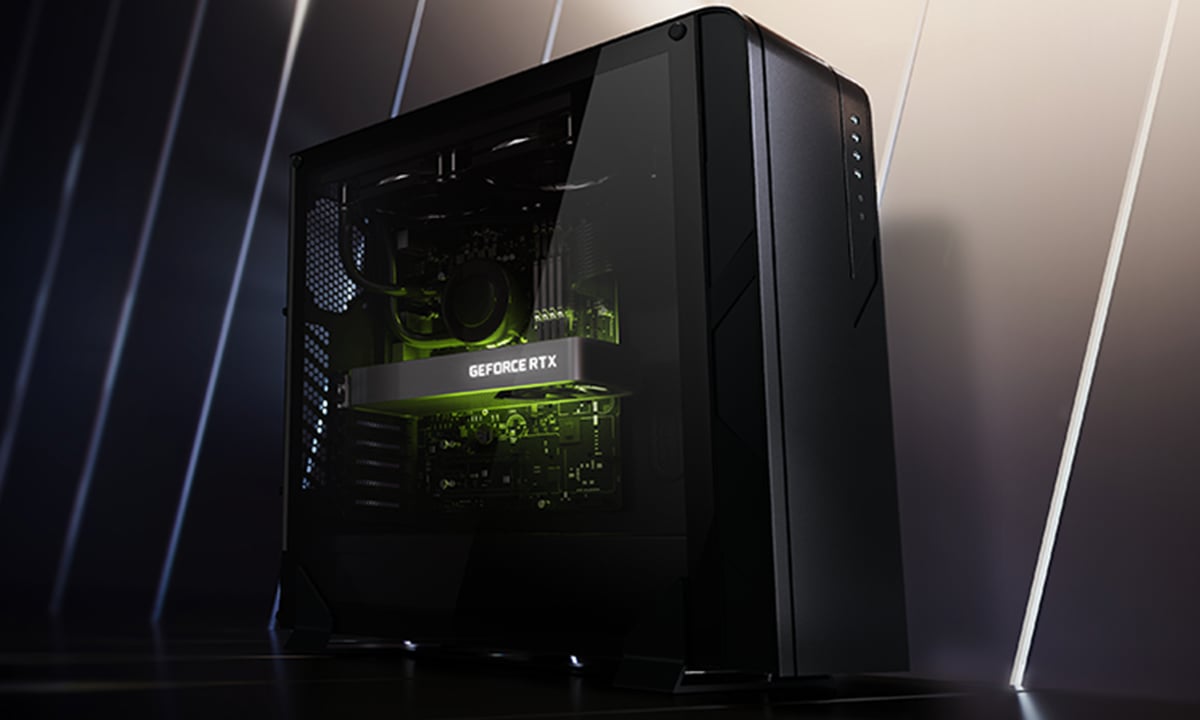
- Significant Revenue Growth: Nvidia reported a 73% year-over-year revenue increase in Q4 FY2026, reaching $68 billion, with net income soaring to $43 billion, far exceeding last year's $22 billion, highlighting its leadership in the rapidly growing AI accelerator market.
- Future Growth Expectations: While analysts predict a slowdown to 25% annual growth in FY2028, a robust 70% growth forecast for FY2027 indicates Nvidia's strong growth potential, making it appealing to risk-averse investors.
- Strong Financial Position: Nvidia has built up liquidity to nearly $63 billion, with total assets of $207 billion exceeding total liabilities of $50 billion by four times, showcasing a solid financial condition that reassures investors.
- Valuation Rationalization: With a P/E ratio of 37, slightly above the S&P 500 average of 30, and a forward P/E of just 22, Nvidia's valuation appears attractive, especially considering its growth prospects, making it suitable for conservative investors.
See More

Nvidia Reports Strong Earnings Yet Stock Declines
- Strong Earnings Report: Nvidia's fiscal Q4 revenue surged 73% year-over-year to a record $120 billion, exceeding Wall Street's consensus estimate of $154 billion, highlighting the company's robust growth potential in the AI sector.
- Optimistic Outlook: Management forecasts a 77% year-over-year revenue increase for Q1 FY2027, indicating sustained momentum driven by strong market demand and new product launches, despite facing chip supply constraints.
- Data Center Business Expansion: Nvidia's data center business is now 13 times larger than it was three years ago when ChatGPT launched, and while supply is constrained, the company is confident in its ability to meet demand through 2027.
- Market Sentiment Challenges: Despite Nvidia's P/E ratio of 36 and projected net income reaching $292 billion over the next four years, the stock's performance has been lackluster, reflecting investor caution and uncertainty about future prospects.
See More

Investment Opportunities Amid Tech Stock Pullback

- Nvidia's Market Dominance: Nvidia (NVDA) is trading near its lowest point in a year, yet it maintains a strong position in the rapidly growing AI market, with a commitment to annual chip updates that could drive revenue growth, presenting an excellent entry point for investors.
- Google's AI-Driven Growth: Alphabet is enhancing its search platform with its proprietary large language model, which is crucial as advertising remains its largest revenue driver, while Google Cloud is experiencing a surge in demand for generative AI, making its current stock price appear undervalued.
- Microsoft's Strong Cloud Performance: Microsoft (MSFT) reported a 39% increase in cloud services revenue in the latest quarter, and with analysts predicting the AI market could reach $2 trillion by the early next decade, the company's stock is seen as a valuable investment opportunity.
- Market Environment Impact: Despite external factors like concerns over the war in Iran dampening investor appetite for tech stocks, many high-quality tech stocks are currently trading at bargain prices, providing a favorable entry point for investors seeking opportunities.
See More
Nvidia and Micron Technology's Future Collaboration Prospects

- Surging Market Demand: Nvidia's unprecedented demand for GPUs has significantly boosted the demand for Micron Technology's high-bandwidth memory (HBM), DRAM, and NAND processors, although Micron faces persistent shortages of data center memory chips, which may adversely affect its market performance.
- Competitor Supply: Nvidia's flagship Vera Rubin chip will source HBM4 memory chips from SK Hynix and Samsung Electronics, with SK Hynix expected to supply over 50% of Nvidia's total HBM supply, indicating increased competitive pressure on Micron in the market.
- Market Share Analysis: According to Counterpoint Research, SK Hynix and Samsung Electronics hold 34% and 33% of the HBM market share respectively, while Micron ranks third with a 26% share, highlighting the challenges Micron faces in the high-end memory market.
- Investment Opportunity: Despite Micron's stock price declining 13% from its peak, the company is expected to grow its revenue by 109% this year, with a forward P/E ratio of 11, indicating that there are still investment opportunities amidst uncertainty, attracting attention to its future growth potential.
See More

Tech Stocks Edge Lower on Monday Afternoon

- Market Dynamics: Tech stocks were edging lower on Monday afternoon, reflecting a cautious attitude among investors regarding market outlook, which could influence short-term investment decisions.
- Sector Impact: The decline in the tech sector may negatively affect the stock prices of related companies, particularly against the backdrop of increasing economic uncertainty, prompting investors to reassess risks.
- Investor Sentiment: The cautious market sentiment could lead to capital outflows from tech stocks, subsequently impacting overall market performance, especially ahead of upcoming economic data releases.
- Future Outlook: As market attention shifts away from tech stocks, investors may pivot towards other sectors, resulting in a relative decline in tech stock performance and affecting long-term investment strategies.
See More

Weak Jobs Data and Rising Oil Prices Create Market Uncertainty

- Job Market Decline: The Bureau of Labor Statistics reported a loss of 92,000 jobs in February, with major sectors like healthcare, information, and transportation experiencing layoffs, maintaining the unemployment rate at 4.4%, complicating the Federal Reserve's interest rate decisions amidst economic recovery challenges.
- Rising Oil Prices Impact: Oil prices have surged above $100 per barrel due to the Iran conflict, leading to increased costs in transportation and nearly all products requiring shipping, which could drive up prices in other sectors and heighten inflationary pressures.
- Stagflation Risk Intensifies: Investors are increasingly concerned about the risk of stagflation, characterized by high unemployment and high inflation, reminiscent of the energy crisis in the 1970s and 1980s; while the U.S. is now a larger oil producer, global market pricing remains a critical factor.
- Increased Market Volatility: The CBOE Volatility Index (^VIX) has spiked to its highest level in nearly a year since the outbreak of the Iran war, indicating that investors should brace for an uncertain and volatile stock market, with a significant pullback becoming more likely if high oil prices and job losses persist.
See More
Nvidia: A Steady Growth Investment Choice
- Significant Revenue Growth: Nvidia reported a 73% year-over-year revenue increase in Q4 FY2026, reaching $68 billion, with net income soaring to $43 billion, far exceeding last year's $22 billion, highlighting its leadership in the rapidly growing AI accelerator market.
- Future Growth Expectations: While analysts predict a slowdown to 25% annual growth in FY2028, a robust 70% growth forecast for FY2027 indicates Nvidia's strong growth potential, making it appealing to risk-averse investors.
- Strong Financial Position: Nvidia has built up liquidity to nearly $63 billion, with total assets of $207 billion exceeding total liabilities of $50 billion by four times, showcasing a solid financial condition that reassures investors.
- Valuation Rationalization: With a P/E ratio of 37, slightly above the S&P 500 average of 30, and a forward P/E of just 22, Nvidia's valuation appears attractive, especially considering its growth prospects, making it suitable for conservative investors.
See More
Nvidia Reports Strong Earnings Yet Stock Declines
- Strong Earnings Report: Nvidia's fiscal Q4 revenue surged 73% year-over-year to a record $120 billion, exceeding Wall Street's consensus estimate of $154 billion, highlighting the company's robust growth potential in the AI sector.
- Optimistic Outlook: Management forecasts a 77% year-over-year revenue increase for Q1 FY2027, indicating sustained momentum driven by strong market demand and new product launches, despite facing chip supply constraints.
- Data Center Business Expansion: Nvidia's data center business is now 13 times larger than it was three years ago when ChatGPT launched, and while supply is constrained, the company is confident in its ability to meet demand through 2027.
- Market Sentiment Challenges: Despite Nvidia's P/E ratio of 36 and projected net income reaching $292 billion over the next four years, the stock's performance has been lackluster, reflecting investor caution and uncertainty about future prospects.
See More
Investment Opportunities Amid Tech Stock Pullback
- Nvidia's Market Dominance: Nvidia (NVDA) is trading near its lowest point in a year, yet it maintains a strong position in the rapidly growing AI market, with a commitment to annual chip updates that could drive revenue growth, presenting an excellent entry point for investors.
- Google's AI-Driven Growth: Alphabet is enhancing its search platform with its proprietary large language model, which is crucial as advertising remains its largest revenue driver, while Google Cloud is experiencing a surge in demand for generative AI, making its current stock price appear undervalued.
- Microsoft's Strong Cloud Performance: Microsoft (MSFT) reported a 39% increase in cloud services revenue in the latest quarter, and with analysts predicting the AI market could reach $2 trillion by the early next decade, the company's stock is seen as a valuable investment opportunity.
- Market Environment Impact: Despite external factors like concerns over the war in Iran dampening investor appetite for tech stocks, many high-quality tech stocks are currently trading at bargain prices, providing a favorable entry point for investors seeking opportunities.
See More
Nvidia and Micron Technology's Future Collaboration Prospects
- Surging Market Demand: Nvidia's unprecedented demand for GPUs has significantly boosted the demand for Micron Technology's high-bandwidth memory (HBM), DRAM, and NAND processors, although Micron faces persistent shortages of data center memory chips, which may adversely affect its market performance.
- Competitor Supply: Nvidia's flagship Vera Rubin chip will source HBM4 memory chips from SK Hynix and Samsung Electronics, with SK Hynix expected to supply over 50% of Nvidia's total HBM supply, indicating increased competitive pressure on Micron in the market.
- Market Share Analysis: According to Counterpoint Research, SK Hynix and Samsung Electronics hold 34% and 33% of the HBM market share respectively, while Micron ranks third with a 26% share, highlighting the challenges Micron faces in the high-end memory market.
- Investment Opportunity: Despite Micron's stock price declining 13% from its peak, the company is expected to grow its revenue by 109% this year, with a forward P/E ratio of 11, indicating that there are still investment opportunities amidst uncertainty, attracting attention to its future growth potential.
See More
Tech Stocks Edge Lower on Monday Afternoon
- Market Dynamics: Tech stocks were edging lower on Monday afternoon, reflecting a cautious attitude among investors regarding market outlook, which could influence short-term investment decisions.
- Sector Impact: The decline in the tech sector may negatively affect the stock prices of related companies, particularly against the backdrop of increasing economic uncertainty, prompting investors to reassess risks.
- Investor Sentiment: The cautious market sentiment could lead to capital outflows from tech stocks, subsequently impacting overall market performance, especially ahead of upcoming economic data releases.
- Future Outlook: As market attention shifts away from tech stocks, investors may pivot towards other sectors, resulting in a relative decline in tech stock performance and affecting long-term investment strategies.
See More
Weak Jobs Data and Rising Oil Prices Create Market Uncertainty
- Job Market Decline: The Bureau of Labor Statistics reported a loss of 92,000 jobs in February, with major sectors like healthcare, information, and transportation experiencing layoffs, maintaining the unemployment rate at 4.4%, complicating the Federal Reserve's interest rate decisions amidst economic recovery challenges.
- Rising Oil Prices Impact: Oil prices have surged above $100 per barrel due to the Iran conflict, leading to increased costs in transportation and nearly all products requiring shipping, which could drive up prices in other sectors and heighten inflationary pressures.
- Stagflation Risk Intensifies: Investors are increasingly concerned about the risk of stagflation, characterized by high unemployment and high inflation, reminiscent of the energy crisis in the 1970s and 1980s; while the U.S. is now a larger oil producer, global market pricing remains a critical factor.
- Increased Market Volatility: The CBOE Volatility Index (^VIX) has spiked to its highest level in nearly a year since the outbreak of the Iran war, indicating that investors should brace for an uncertain and volatile stock market, with a significant pullback becoming more likely if high oil prices and job losses persist.
See More