Tesla's Robotaxi Rollout Progress Remains Slow
Written by Emily J. Thompson, Senior Investment Analyst
Updated: Apr 18 2026
0mins


Source: Fool
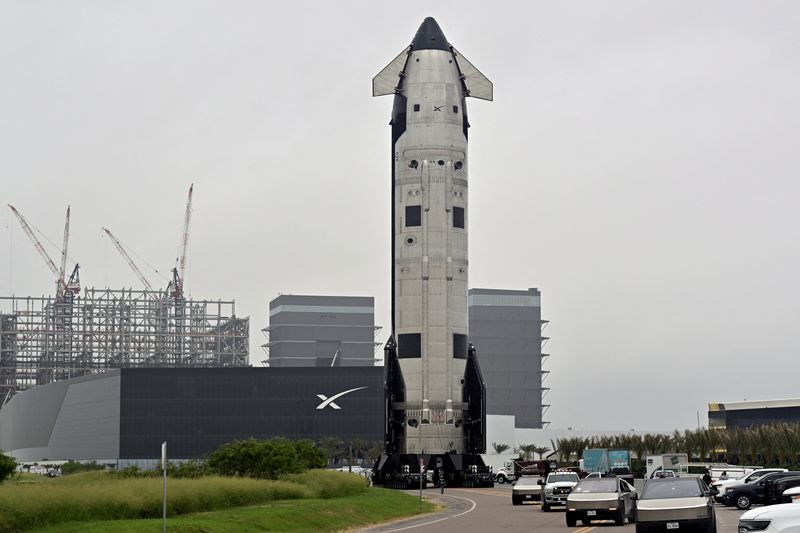
- Stock Decline Reasons: Tesla's stock has fallen 14.5% this year primarily due to the slow rollout of its robotaxi service, which is currently limited to a small area in Austin, Texas, failing to meet CEO Elon Musk's ambitious rollout expectations.
- Market Potential Remains: Despite current challenges, Tesla's robotaxi service is expected to generate significant revenue once scaled, and investors remain optimistic about its long-term growth potential despite the sluggish rollout.
- Industry Leadership: Tesla commands over 54% market share in the U.S. electric vehicle market and has driven more than 9.2 billion miles on its full self-driving software, showcasing its advantages in market recognition and technological data, further solidifying its leadership position.
- Positive Financial Outlook: Analysts project Tesla will end 2026 with over $28 billion in net cash, even after ramping up capital expenditures for battery development and robotaxi production, indicating strong investment capacity and financial health moving forward.
Trade with 70% Backtested Accuracy
Stop guessing "Should I Buy TSLA?" and start using high-conviction signals backed by rigorous historical data.
Sign up today to access powerful investing tools and make smarter, data-driven decisions.
Analyst Views on TSLA
Wall Street analysts forecast TSLA stock price to fall
30 Analyst Rating
12 Buy
11 Hold
7 Sell
Hold
Current: 417.850

Low
25.28
Averages
401.93
High
600.00
Current: 417.850
Low
25.28
Averages
401.93
High
600.00
About TSLA
Tesla, Inc. designs, develops, manufactures, sells and leases high-performance fully electric vehicles and energy generation and storage systems, and offers services related to its products. Its segments include automotive, and energy generation and storage. The automotive segment includes the design, development, manufacturing, sales and leasing of high-performance fully electric vehicles, and sales of automotive regulatory credits. It also includes sales of used vehicles, non-warranty maintenance services and collisions, part sales, paid supercharging, insurance services revenue and retail merchandise sales. The energy generation and storage segment include the design, manufacture, installation, sales and leasing of solar energy generation and energy storage products and related services and sales of solar energy systems incentives. Its consumer vehicles include the Model 3, Y, S, X and Cybertruck. Its lithium-ion battery energy storage products include Powerwall and Megapack.
About the author

Emily J. Thompson
Emily J. Thompson, a Chartered Financial Analyst (CFA) with 12 years in investment research, graduated with honors from the Wharton School. Specializing in industrial and technology stocks, she provides in-depth analysis for Intellectia’s earnings and market brief reports.

Analysis of SpaceX's IPO Prospects and Financial Status

- Revenue Growth and Losses: In 2025, SpaceX's revenue increased by 33% to $18.67 billion, but in Q1 2026, it only grew 15% year-over-year to $4.69 billion, indicating a slowdown that could affect investor confidence.
- Starlink Business Performance: The Starlink satellite business accounted for 61% of revenue in 2025 and saw a 57% year-over-year increase in Q1 2026, although average revenue per user dropped from $81 to $66, suggesting pressure on profitability.
- AI and Space Segment Losses: In 2026, SpaceX's AI and space segments reported losses of $6.36 billion and $657 million respectively, while Starlink generated a profit of $4.42 billion, indicating a concerning overall financial situation that may impact future investment decisions.
- IPO Valuation and Market Reaction: SpaceX aims to raise $75 billion with a valuation of up to $2 trillion, translating to a staggering 107 times sales multiple, yet concerns over its profitability model could lead to stock volatility, urging investors to proceed with caution.
See More
Investment Opportunities in Musk's Empire

- Integrated Technology Ecosystem: The upcoming IPO of SpaceX presents investors with a chance to leverage its vertically integrated technology stack, including silicon, proprietary software, and AI, to capitalize on a $1.25 trillion opportunity, positioning themselves advantageously in the future AI industry.
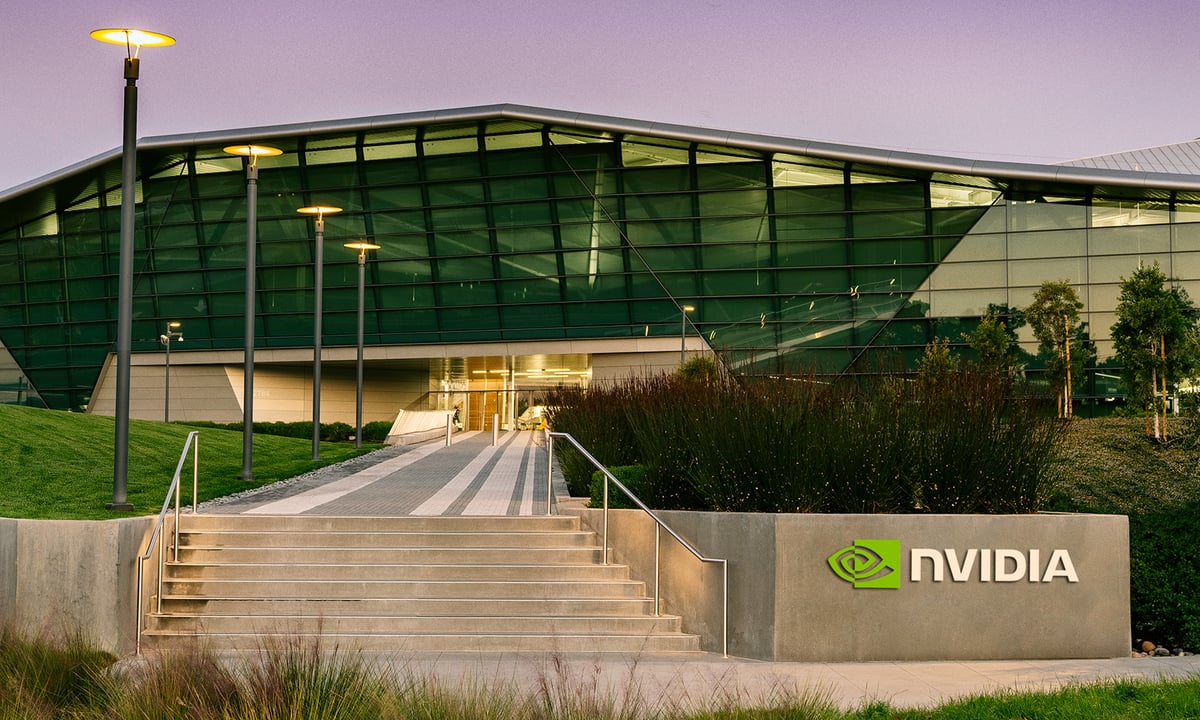
- Data-Driven Synergies: Nvidia's GPUs provide the computational foundation for xAI and Tesla's autonomous driving, while the unique data generated by Tesla's fleet not only trains models but also enhances product performance, creating a closed-loop ecosystem.
- Infrastructure Value Enhancement: SpaceX's Starlink satellite network offers low-latency connectivity for Tesla and Optimus robots, and future orbital data centers will further bolster its infrastructure capabilities, supporting large-scale training runs and increasing overall business value.
- Portfolio Strategy: Investors should view Tesla, Nvidia, xAI, and SpaceX as a unified investment opportunity, combining them with other AI infrastructure and energy projects to achieve long-term wealth growth while mitigating risks associated with pure speculation.
See More

SpaceX Set to Go Public in June, AI Ecosystem Emerges
- IPO Date Set: SpaceX is scheduled to go public on June 12 on Nasdaq, presenting investors with a lucrative opportunity to engage with Musk's ecosystem, which is expected to attract significant capital inflow and enhance the company's market valuation.
- Significant Merger Impact: The merger between SpaceX and xAI has resulted in a valuation of $1.25 trillion for the new entity, indicating that Musk's integration strategy is forming a powerful AI industrial complex, allowing investors to potentially reap long-term benefits from this platform.
- Technological Synergy: Nvidia's GPUs provide the computational foundation for training models at xAI and Tesla, while the data generated from Tesla's fleet will be used to optimize products, creating a closed-loop ecosystem that enhances overall business efficiency and market competitiveness.
- Future Growth Potential: Musk's plans to develop orbital data centers position SpaceX as a major host for large-scale training runs, which is expected to further drive advancements in AI technology and market demand, making it crucial for investors to pay attention to the long-term value derived from this strategic positioning.
See More
Microsoft's Stock Decline Amid Strong Performance Raises Questions


- Significant Revenue Growth: In its fiscal Q3 2026, Microsoft reported an 18% year-over-year revenue increase to $82.9 billion, with operating income rising 20% to $38.4 billion, indicating strong performance and sustained market demand in the AI sector.
- Surge in AI Revenue: Microsoft's AI products now have an annual revenue run rate exceeding $37 billion, up 123% year-over-year, highlighting substantial progress in market demand for cloud computing and AI tools, particularly with Copilot assistant gaining 5 million paid users in a single quarter.
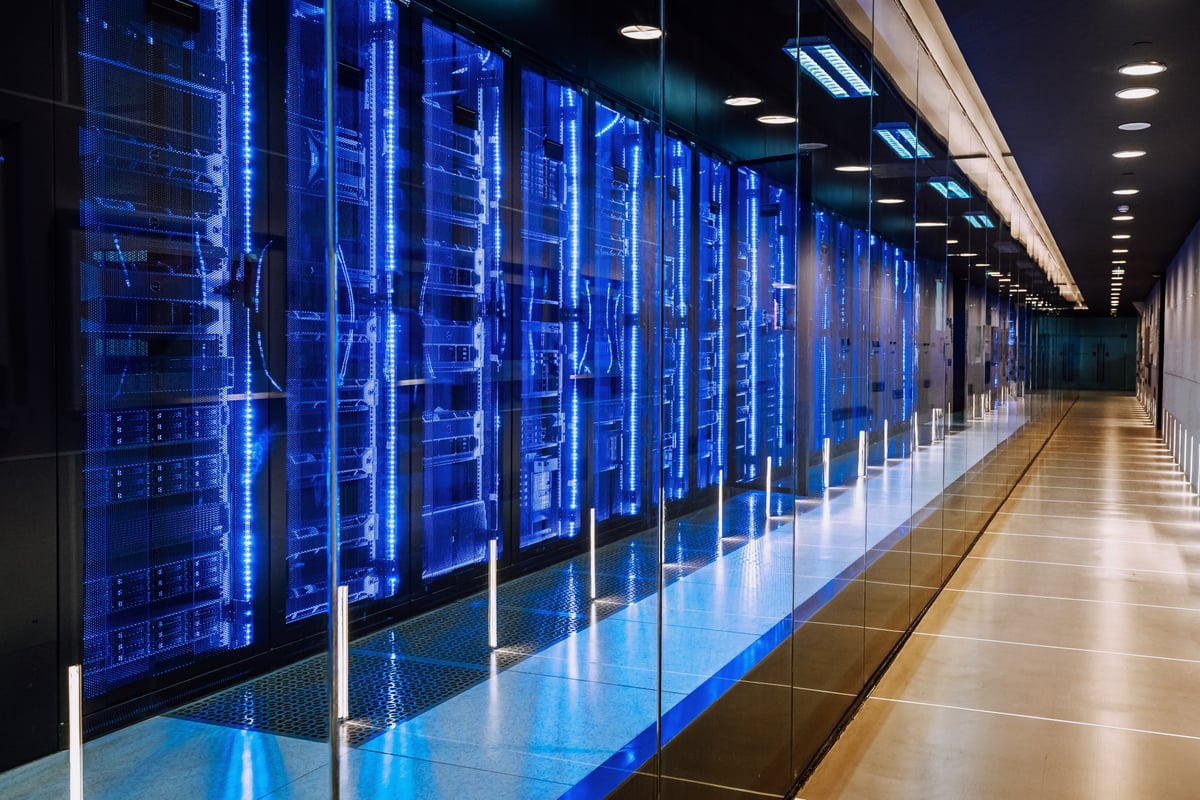
- Increased Capital Expenditure: Microsoft anticipates capital expenditures of approximately $190 billion in 2026, a 61% increase from the previous year, which, while pressuring gross margins, reflects the company's aggressive investment in data center construction to support future growth.
- Stock Price Attractiveness Decline: Despite a forward P/E ratio of about 22, the lowest among the
See More

Microsoft Underperforms in 2026 Despite Doubling AI Revenue
- Poor Stock Performance: Microsoft is down about 13% year-to-date in 2026, making it the worst performer among the 'Magnificent Seven,' despite other members rebounding, indicating market skepticism about its AI promises.
- Accelerated Revenue Growth: In the fiscal third quarter of 2026, Microsoft reported an 18% year-over-year revenue increase to $82.9 billion, with operating income rising 20% to $38.4 billion, demonstrating strong fundamentals.
- AI Business Surge: Microsoft's AI products now have an annual revenue run rate exceeding $37 billion, up 123% year-over-year, driven by external developers on Azure and the rapid growth of its Copilot assistant, indicating rising market demand for AI tools.
- Rising Spending Plans: Microsoft expects capital expenditures to reach approximately $190 billion in 2026, a 61% increase from the previous year, which may pressure gross margins but lays the groundwork for future growth.
See More

Stock Market Rebounds on Iran Deal Hopes


- Market Rebound: The stock market experienced solid weekly gains driven by optimism surrounding the Iran deal, indicating investor confidence in future economic recovery, which may attract more capital inflows into the market.
- Tesla Buy Point Approaching: Tesla's stock is nearing a buy point, suggesting investor interest in its growth potential, which could lead to a short-term price increase and enhance overall market vitality.
- Strong AI Stock Performance: ASML and several AI-related stocks are performing well, reflecting ongoing market enthusiasm for technology stocks, potentially prompting more investors to focus on and invest in the tech sector.
- Weekend Negotiations Ongoing: Talks regarding the Iran deal continued over the weekend, and if a consensus is reached, it could further boost market sentiment and drive stock performance in related sectors, particularly energy and technology.
See More
Analysis of SpaceX's IPO Prospects and Financial Status
- Revenue Growth and Losses: In 2025, SpaceX's revenue increased by 33% to $18.67 billion, but in Q1 2026, it only grew 15% year-over-year to $4.69 billion, indicating a slowdown that could affect investor confidence.
- Starlink Business Performance: The Starlink satellite business accounted for 61% of revenue in 2025 and saw a 57% year-over-year increase in Q1 2026, although average revenue per user dropped from $81 to $66, suggesting pressure on profitability.
- AI and Space Segment Losses: In 2026, SpaceX's AI and space segments reported losses of $6.36 billion and $657 million respectively, while Starlink generated a profit of $4.42 billion, indicating a concerning overall financial situation that may impact future investment decisions.
- IPO Valuation and Market Reaction: SpaceX aims to raise $75 billion with a valuation of up to $2 trillion, translating to a staggering 107 times sales multiple, yet concerns over its profitability model could lead to stock volatility, urging investors to proceed with caution.
See More
Investment Opportunities in Musk's Empire
- Integrated Technology Ecosystem: The upcoming IPO of SpaceX presents investors with a chance to leverage its vertically integrated technology stack, including silicon, proprietary software, and AI, to capitalize on a $1.25 trillion opportunity, positioning themselves advantageously in the future AI industry.
- Data-Driven Synergies: Nvidia's GPUs provide the computational foundation for xAI and Tesla's autonomous driving, while the unique data generated by Tesla's fleet not only trains models but also enhances product performance, creating a closed-loop ecosystem.
- Infrastructure Value Enhancement: SpaceX's Starlink satellite network offers low-latency connectivity for Tesla and Optimus robots, and future orbital data centers will further bolster its infrastructure capabilities, supporting large-scale training runs and increasing overall business value.
- Portfolio Strategy: Investors should view Tesla, Nvidia, xAI, and SpaceX as a unified investment opportunity, combining them with other AI infrastructure and energy projects to achieve long-term wealth growth while mitigating risks associated with pure speculation.
See More
SpaceX Set to Go Public in June, AI Ecosystem Emerges
- IPO Date Set: SpaceX is scheduled to go public on June 12 on Nasdaq, presenting investors with a lucrative opportunity to engage with Musk's ecosystem, which is expected to attract significant capital inflow and enhance the company's market valuation.
- Significant Merger Impact: The merger between SpaceX and xAI has resulted in a valuation of $1.25 trillion for the new entity, indicating that Musk's integration strategy is forming a powerful AI industrial complex, allowing investors to potentially reap long-term benefits from this platform.
- Technological Synergy: Nvidia's GPUs provide the computational foundation for training models at xAI and Tesla, while the data generated from Tesla's fleet will be used to optimize products, creating a closed-loop ecosystem that enhances overall business efficiency and market competitiveness.
- Future Growth Potential: Musk's plans to develop orbital data centers position SpaceX as a major host for large-scale training runs, which is expected to further drive advancements in AI technology and market demand, making it crucial for investors to pay attention to the long-term value derived from this strategic positioning.
See More
Microsoft's Stock Decline Amid Strong Performance Raises Questions
- Significant Revenue Growth: In its fiscal Q3 2026, Microsoft reported an 18% year-over-year revenue increase to $82.9 billion, with operating income rising 20% to $38.4 billion, indicating strong performance and sustained market demand in the AI sector.
- Surge in AI Revenue: Microsoft's AI products now have an annual revenue run rate exceeding $37 billion, up 123% year-over-year, highlighting substantial progress in market demand for cloud computing and AI tools, particularly with Copilot assistant gaining 5 million paid users in a single quarter.
- Increased Capital Expenditure: Microsoft anticipates capital expenditures of approximately $190 billion in 2026, a 61% increase from the previous year, which, while pressuring gross margins, reflects the company's aggressive investment in data center construction to support future growth.
- Stock Price Attractiveness Decline: Despite a forward P/E ratio of about 22, the lowest among the
See More
Microsoft Underperforms in 2026 Despite Doubling AI Revenue
- Poor Stock Performance: Microsoft is down about 13% year-to-date in 2026, making it the worst performer among the 'Magnificent Seven,' despite other members rebounding, indicating market skepticism about its AI promises.
- Accelerated Revenue Growth: In the fiscal third quarter of 2026, Microsoft reported an 18% year-over-year revenue increase to $82.9 billion, with operating income rising 20% to $38.4 billion, demonstrating strong fundamentals.
- AI Business Surge: Microsoft's AI products now have an annual revenue run rate exceeding $37 billion, up 123% year-over-year, driven by external developers on Azure and the rapid growth of its Copilot assistant, indicating rising market demand for AI tools.
- Rising Spending Plans: Microsoft expects capital expenditures to reach approximately $190 billion in 2026, a 61% increase from the previous year, which may pressure gross margins but lays the groundwork for future growth.
See More
Stock Market Rebounds on Iran Deal Hopes
- Market Rebound: The stock market experienced solid weekly gains driven by optimism surrounding the Iran deal, indicating investor confidence in future economic recovery, which may attract more capital inflows into the market.
- Tesla Buy Point Approaching: Tesla's stock is nearing a buy point, suggesting investor interest in its growth potential, which could lead to a short-term price increase and enhance overall market vitality.
- Strong AI Stock Performance: ASML and several AI-related stocks are performing well, reflecting ongoing market enthusiasm for technology stocks, potentially prompting more investors to focus on and invest in the tech sector.
- Weekend Negotiations Ongoing: Talks regarding the Iran deal continued over the weekend, and if a consensus is reached, it could further boost market sentiment and drive stock performance in related sectors, particularly energy and technology.
See More