Tesla's Full Self-Driving Software Approved in Belgium
Written by Emily J. Thompson, Senior Investment Analyst
Updated: 1 hour ago
0mins
Source: Newsfilter
- Regulatory Approval: Annick De Ridder, the transport minister of Flanders, announced on social media that Tesla's Full Self-Driving supervised driver assistance software has been approved, marking a significant expansion for the company in the European market.
- Successful Testing: The approval follows a series of successful tests conducted by Tesla in Belgium, demonstrating the feasibility and safety of its technology in the local context, which enhances consumer confidence in the product.
- Nationwide Validity: The authorization in one of Belgium's three regions allows Tesla to roll out its technology across the entire country, significantly boosting its competitive position in the European market.
- Market Expansion: Belgium becomes the third EU country to approve Tesla's Full Self-Driving software after the Netherlands and Lithuania, a development that not only increases Tesla's market share but may also encourage other countries to follow suit, accelerating the adoption of autonomous driving technology.
Trade with 70% Backtested Accuracy
Stop guessing "Should I Buy TSLA?" and start using high-conviction signals backed by rigorous historical data.
Sign up today to access powerful investing tools and make smarter, data-driven decisions.
Analyst Views on TSLA
Wall Street analysts forecast TSLA stock price to rise
30 Analyst Rating
12 Buy
11 Hold
7 Sell
Hold
Current: 396.680

Low
25.28
Averages
401.93
High
600.00
Current: 396.680
Low
25.28
Averages
401.93
High
600.00
About TSLA
Tesla, Inc. designs, develops, manufactures, sells and leases high-performance fully electric vehicles and energy generation and storage systems, and offers services related to its products. Its segments include automotive, and energy generation and storage. The automotive segment includes the design, development, manufacturing, sales and leasing of high-performance fully electric vehicles, and sales of automotive regulatory credits. It also includes sales of used vehicles, non-warranty maintenance services and collisions, part sales, paid supercharging, insurance services revenue and retail merchandise sales. The energy generation and storage segment include the design, manufacture, installation, sales and leasing of solar energy generation and energy storage products and related services and sales of solar energy systems incentives. Its consumer vehicles include the Model 3, Y, S, X and Cybertruck. Its lithium-ion battery energy storage products include Powerwall and Megapack.
About the author

Emily J. Thompson
Emily J. Thompson, a Chartered Financial Analyst (CFA) with 12 years in investment research, graduated with honors from the Wharton School. Specializing in industrial and technology stocks, she provides in-depth analysis for Intellectia’s earnings and market brief reports.
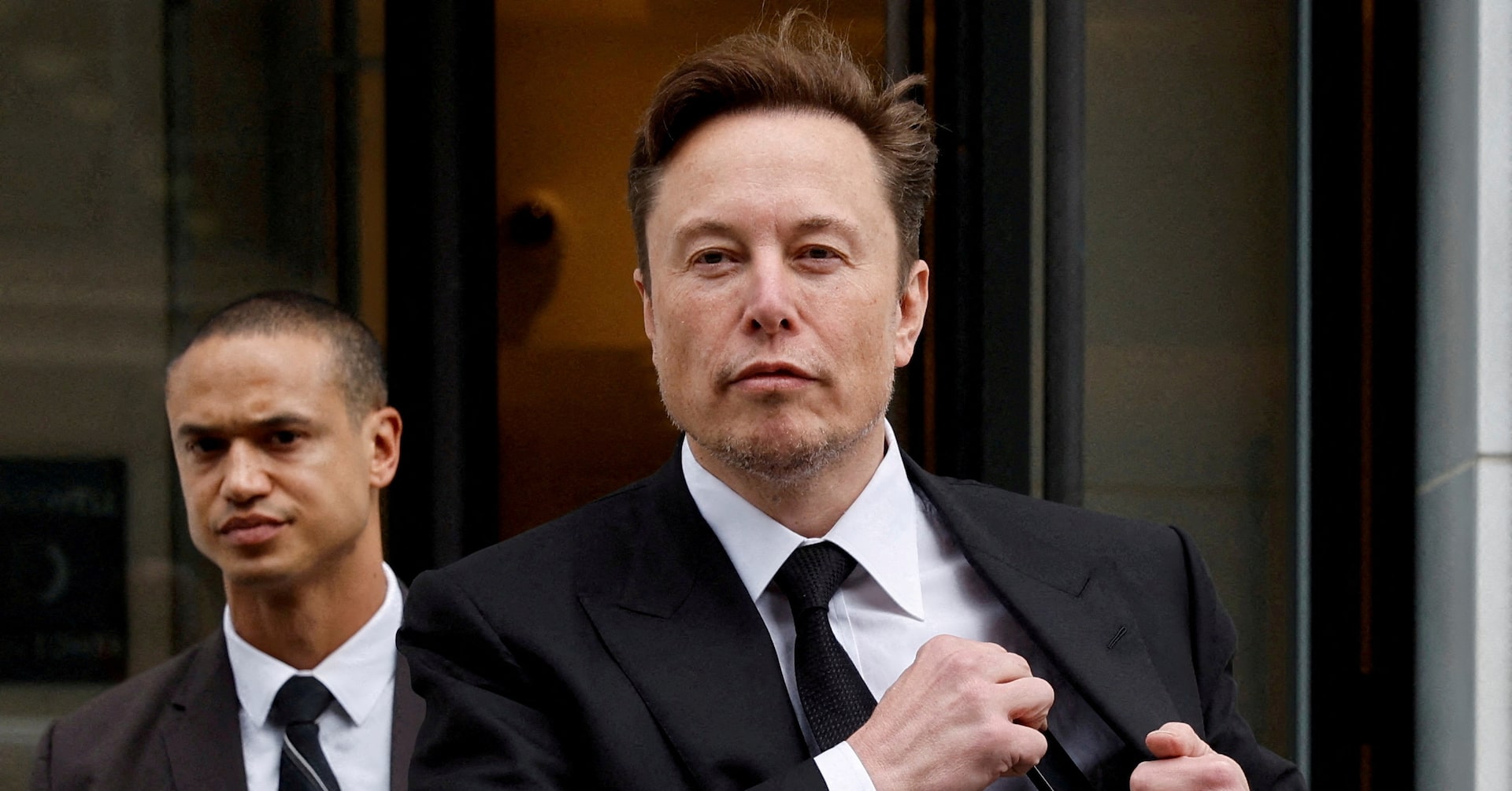
SpaceX Sets Record $135 IPO Valuation at $1.77 Trillion

- Record IPO: SpaceX's debut at $135 per share raises $75 billion, marking the largest IPO in history with a market valuation of approximately $1.77 trillion, reflecting strong investor confidence in its growth potential.
- Key Technology Development: The company's future hinges on the successful development of its fully reusable Starship rocket, which is expected to significantly reduce launch costs, making orbital data centers viable and potentially generating hundreds of billions in annual revenue.
- Massive Market Potential: SpaceX estimates a total addressable market of $28.5 trillion in its SEC filing, indicating substantial upside for shareholders if the company can successfully develop its technology and capture market share, despite facing significant challenges.
- Analyst Optimism: Morningstar analysts project that if Starship is operational by 2028, SpaceX could capture one-fifth of the AI infrastructure market by 2040, with expectations of generating $225 billion in annual revenue by 2035, highlighting a robust growth outlook.
See More
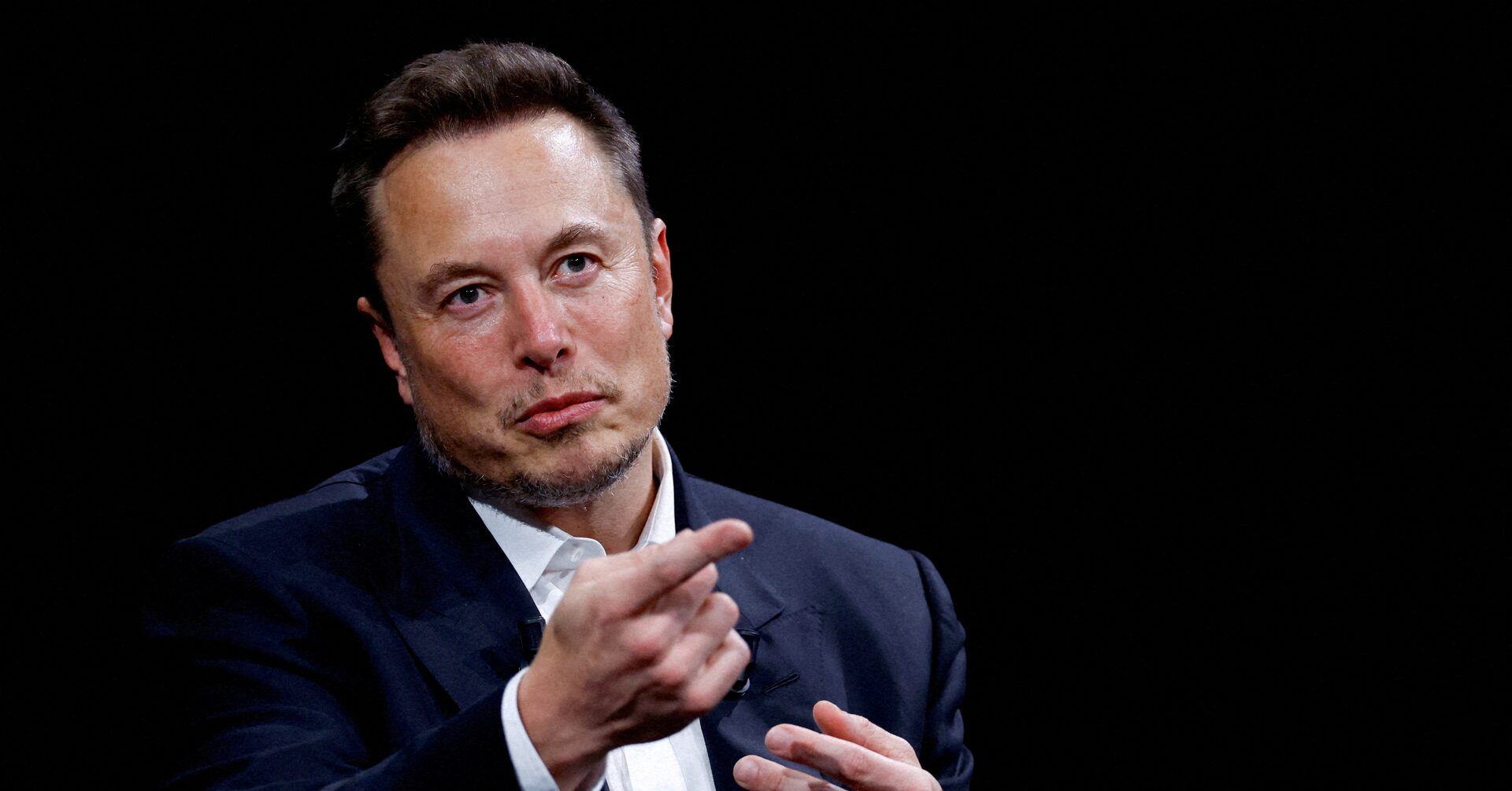
SpaceX IPO: Market Potential and Risks
- Market Size Analysis: SpaceX claims a total addressable market of $28.5 trillion, with $26.5 trillion attributed to artificial intelligence, highlighting the company's immense potential in future technologies while also reflecting a heavy reliance on AI development.
- Profitability Source: Currently, SpaceX's only profitable division is its Starlink internet service, valued at $1.6 trillion, which, although not fully realized, provides a stable cash flow support for the company.
- Importance of Rocket Launches: While many of SpaceX's future growth opportunities are closely tied to rocket launches, the IPO prospectus warns that the successful development and scaling of the Starship rocket is critical to executing its growth strategy, with any delays potentially impacting the company's future financial condition.
- Competitive Advantage and Challenges: SpaceX's leading position in the rocket launch sector gives it a dominant market share; however, CEO Elon Musk's history of hinging growth on single product success indicates significant risks, necessitating careful evaluation of potential challenges and returns by investors.
See More
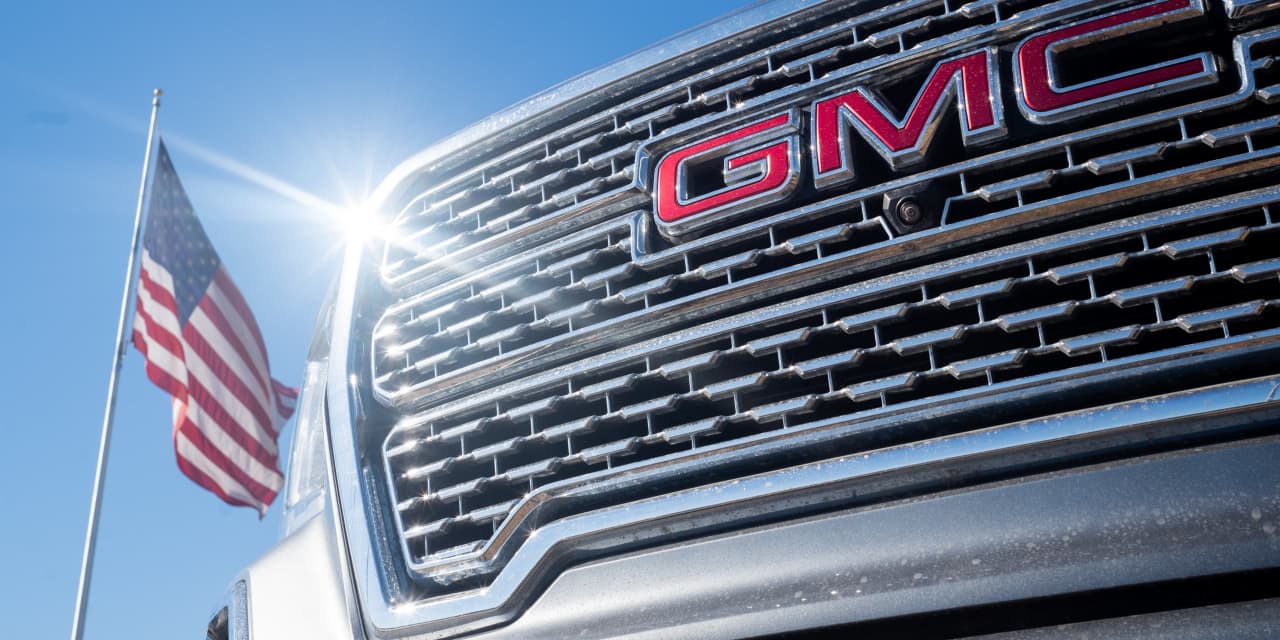
General Motors May Abandon LFP Battery Plans


- Battery Technology Shift: GM's battery technology chief indicated a potential abandonment of lower-cost iron-based battery plans in favor of lithium manganese-rich (LMR) batteries, which can store more energy at the same weight and size, despite similar production costs to lithium iron phosphate (LFP).
- Production Plan Adjustment: The Tennessee factory will begin LFP cell production this month, but these cells are intended for energy storage systems rather than electric vehicles, highlighting a significant shift in GM's battery strategy.
- Market Competitive Pressure: This decision may create a notable divergence from competitors like Tesla and Ford, who have widely adopted LFP batteries in their EVs to cut costs, potentially impacting GM's market positioning.
- Technical Challenges and Outlook: While LMR batteries offer advantages in reducing reliance on critical minerals, S&P Global noted that technical challenges mean mass adoption is not expected soon, which could affect GM's competitive edge in the EV market.
See More
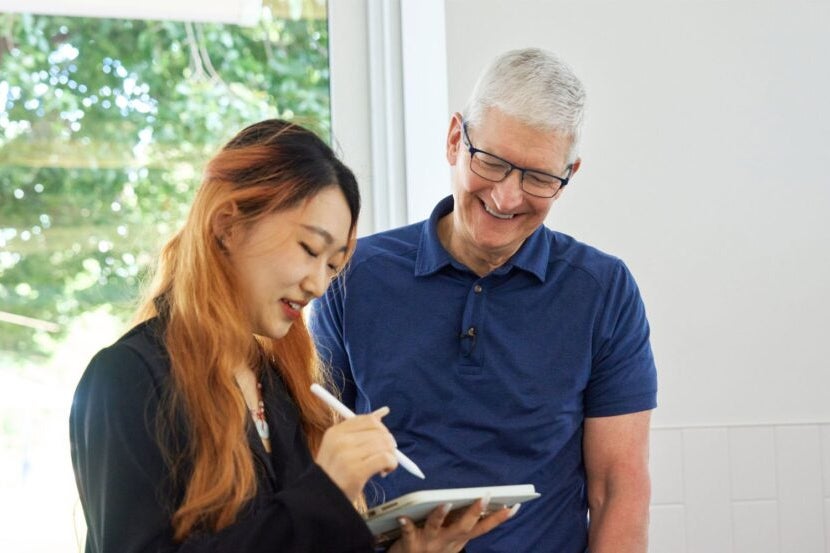
SpaceX IPO: Market Potential and AI Opportunities

- Market Size Estimate: In its IPO filing, SpaceX estimates its total addressable market at $28.5 trillion, with $26.5 trillion specifically from artificial intelligence (AI), highlighting the company's significant potential in future tech markets and likely attracting investor interest.
- Nvidia's Indirect Gains: Although Nvidia does not directly own shares in SpaceX, its collaboration, particularly supplying over 220,000 GPUs for SpaceX's Tennessee data center, is projected to generate $1.2 billion monthly, further solidifying Nvidia's dominant position in the semiconductor industry.
- Tesla's Direct Benefits: Tesla holds 19 million shares in SpaceX, valued at approximately $2.57 billion at the IPO price of $135 per share, and a successful IPO could significantly enhance Tesla's asset value while improving its supply chain stability through shared chip manufacturing.
- Robot Market Outlook: Tesla plans to produce 1 million Optimus robots annually, with a second-generation facility in Texas aiming for 10 million units, and combined with full self-driving technology, the robotaxi market is projected to reach $415 billion by 2035, enhancing Tesla's competitive edge in the market.
See More

SpaceX Sees $26.5 Trillion AI Market Opportunity
- Massive Market Potential: SpaceX's IPO filing reveals a total addressable market of $28.5 trillion, with $26.5 trillion specifically attributed to artificial intelligence (AI), highlighting the company's significant future growth prospects and strategic importance in the tech landscape.
- Satellite Network Initiative: The company plans to launch a constellation of data center satellites to support its AI infrastructure, which not only enhances its competitive edge but also presents substantial revenue opportunities for partners like Nvidia and Tesla.
- Chip Manufacturing Strategy: SpaceX is establishing a semiconductor facility in Texas to produce chips for Tesla, SpaceX, and its acquired xAI, ensuring a consistent supply of chips for Tesla's robotics and full self-driving technology, thereby strengthening its market position.
- Robotaxi Market Outlook: With projections estimating the global robotaxi market to reach $415 billion by 2035, Tesla's collaboration with SpaceX positions it advantageously in this rapidly expanding sector, further solidifying its leadership in the electric vehicle industry.
See More
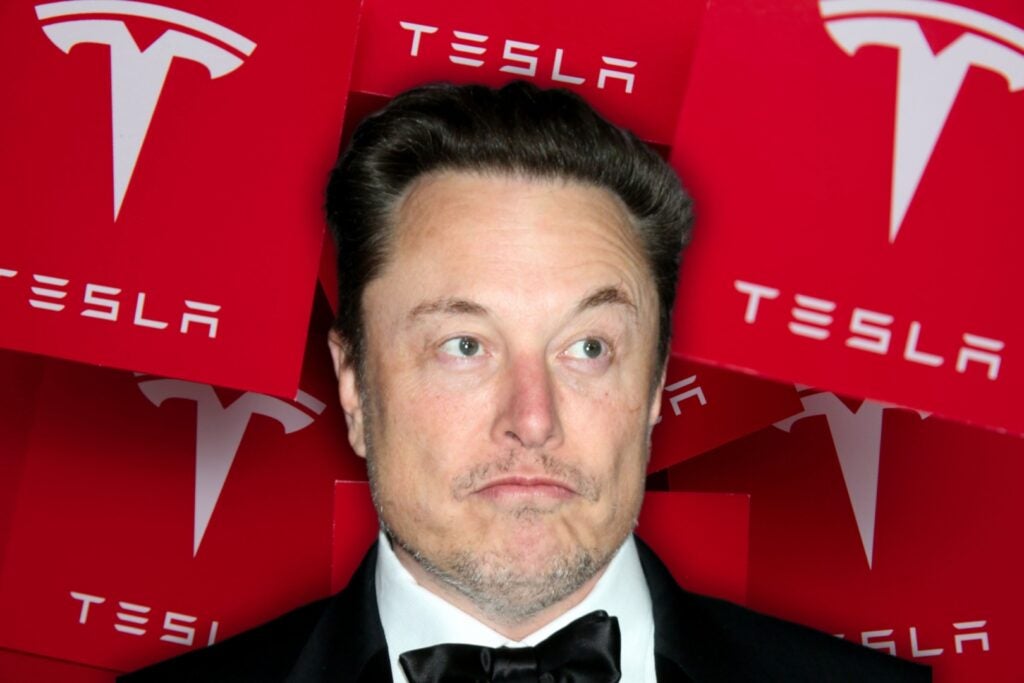
Tesla's Full Self-Driving Software Approved in Belgium
- Regulatory Approval: Annick De Ridder, the transport minister of Flanders, announced on social media that Tesla's Full Self-Driving supervised driver assistance software has been approved, marking a significant expansion for the company in the European market.
- Successful Testing: The approval follows a series of successful tests conducted by Tesla in Belgium, demonstrating the feasibility and safety of its technology in the local context, which enhances consumer confidence in the product.
- Nationwide Validity: The authorization in one of Belgium's three regions allows Tesla to roll out its technology across the entire country, significantly boosting its competitive position in the European market.
- Market Expansion: Belgium becomes the third EU country to approve Tesla's Full Self-Driving software after the Netherlands and Lithuania, a development that not only increases Tesla's market share but may also encourage other countries to follow suit, accelerating the adoption of autonomous driving technology.
See More
SpaceX Sets Record $135 IPO Valuation at $1.77 Trillion
- Record IPO: SpaceX's debut at $135 per share raises $75 billion, marking the largest IPO in history with a market valuation of approximately $1.77 trillion, reflecting strong investor confidence in its growth potential.
- Key Technology Development: The company's future hinges on the successful development of its fully reusable Starship rocket, which is expected to significantly reduce launch costs, making orbital data centers viable and potentially generating hundreds of billions in annual revenue.
- Massive Market Potential: SpaceX estimates a total addressable market of $28.5 trillion in its SEC filing, indicating substantial upside for shareholders if the company can successfully develop its technology and capture market share, despite facing significant challenges.
- Analyst Optimism: Morningstar analysts project that if Starship is operational by 2028, SpaceX could capture one-fifth of the AI infrastructure market by 2040, with expectations of generating $225 billion in annual revenue by 2035, highlighting a robust growth outlook.
See More
SpaceX IPO: Market Potential and Risks
- Market Size Analysis: SpaceX claims a total addressable market of $28.5 trillion, with $26.5 trillion attributed to artificial intelligence, highlighting the company's immense potential in future technologies while also reflecting a heavy reliance on AI development.
- Profitability Source: Currently, SpaceX's only profitable division is its Starlink internet service, valued at $1.6 trillion, which, although not fully realized, provides a stable cash flow support for the company.
- Importance of Rocket Launches: While many of SpaceX's future growth opportunities are closely tied to rocket launches, the IPO prospectus warns that the successful development and scaling of the Starship rocket is critical to executing its growth strategy, with any delays potentially impacting the company's future financial condition.
- Competitive Advantage and Challenges: SpaceX's leading position in the rocket launch sector gives it a dominant market share; however, CEO Elon Musk's history of hinging growth on single product success indicates significant risks, necessitating careful evaluation of potential challenges and returns by investors.
See More
General Motors May Abandon LFP Battery Plans
- Battery Technology Shift: GM's battery technology chief indicated a potential abandonment of lower-cost iron-based battery plans in favor of lithium manganese-rich (LMR) batteries, which can store more energy at the same weight and size, despite similar production costs to lithium iron phosphate (LFP).
- Production Plan Adjustment: The Tennessee factory will begin LFP cell production this month, but these cells are intended for energy storage systems rather than electric vehicles, highlighting a significant shift in GM's battery strategy.
- Market Competitive Pressure: This decision may create a notable divergence from competitors like Tesla and Ford, who have widely adopted LFP batteries in their EVs to cut costs, potentially impacting GM's market positioning.
- Technical Challenges and Outlook: While LMR batteries offer advantages in reducing reliance on critical minerals, S&P Global noted that technical challenges mean mass adoption is not expected soon, which could affect GM's competitive edge in the EV market.
See More
SpaceX IPO: Market Potential and AI Opportunities
- Market Size Estimate: In its IPO filing, SpaceX estimates its total addressable market at $28.5 trillion, with $26.5 trillion specifically from artificial intelligence (AI), highlighting the company's significant potential in future tech markets and likely attracting investor interest.
- Nvidia's Indirect Gains: Although Nvidia does not directly own shares in SpaceX, its collaboration, particularly supplying over 220,000 GPUs for SpaceX's Tennessee data center, is projected to generate $1.2 billion monthly, further solidifying Nvidia's dominant position in the semiconductor industry.
- Tesla's Direct Benefits: Tesla holds 19 million shares in SpaceX, valued at approximately $2.57 billion at the IPO price of $135 per share, and a successful IPO could significantly enhance Tesla's asset value while improving its supply chain stability through shared chip manufacturing.
- Robot Market Outlook: Tesla plans to produce 1 million Optimus robots annually, with a second-generation facility in Texas aiming for 10 million units, and combined with full self-driving technology, the robotaxi market is projected to reach $415 billion by 2035, enhancing Tesla's competitive edge in the market.
See More
SpaceX Sees $26.5 Trillion AI Market Opportunity
- Massive Market Potential: SpaceX's IPO filing reveals a total addressable market of $28.5 trillion, with $26.5 trillion specifically attributed to artificial intelligence (AI), highlighting the company's significant future growth prospects and strategic importance in the tech landscape.
- Satellite Network Initiative: The company plans to launch a constellation of data center satellites to support its AI infrastructure, which not only enhances its competitive edge but also presents substantial revenue opportunities for partners like Nvidia and Tesla.
- Chip Manufacturing Strategy: SpaceX is establishing a semiconductor facility in Texas to produce chips for Tesla, SpaceX, and its acquired xAI, ensuring a consistent supply of chips for Tesla's robotics and full self-driving technology, thereby strengthening its market position.
- Robotaxi Market Outlook: With projections estimating the global robotaxi market to reach $415 billion by 2035, Tesla's collaboration with SpaceX positions it advantageously in this rapidly expanding sector, further solidifying its leadership in the electric vehicle industry.
See More
Tesla's Full Self-Driving Software Approved in Belgium
- Regulatory Approval: Annick De Ridder, the transport minister of Flanders, announced on social media that Tesla's Full Self-Driving supervised driver assistance software has been approved, marking a significant expansion for the company in the European market.
- Successful Testing: The approval follows a series of successful tests conducted by Tesla in Belgium, demonstrating the feasibility and safety of its technology in the local context, which enhances consumer confidence in the product.
- Nationwide Validity: The authorization in one of Belgium's three regions allows Tesla to roll out its technology across the entire country, significantly boosting its competitive position in the European market.
- Market Expansion: Belgium becomes the third EU country to approve Tesla's Full Self-Driving software after the Netherlands and Lithuania, a development that not only increases Tesla's market share but may also encourage other countries to follow suit, accelerating the adoption of autonomous driving technology.
See More