Tesla's FSD 14.3 Employee Beta Set for Broader Release
Written by Emily J. Thompson, Senior Investment Analyst
Updated: 4 days ago
0mins
Should l Buy TSLA?
Source: seekingalpha
- FSD 14.3 Employee Beta: Elon Musk announced that Tesla's Full Self-Driving (FSD) version 14.3 is currently in employee beta and is expected to roll out more broadly by the end of the week, a development that could enhance Tesla's competitive edge in the autonomous driving market.
- Increased Regulatory Scrutiny: The rollout comes amid intensified scrutiny from the National Highway Traffic Safety Administration regarding Tesla's automated driving system, which may affect consumer confidence and market acceptance of the technology due to the regulatory environment.
- Technology Dependence and Risks: Tesla's FSD system relies on vision-based cameras and software to detect roadway conditions, and despite its design aimed at improving driving safety, concerns over its reliability in low-visibility conditions due to several accidents could impact future sales performance.
- Stock Price Reaction: Following the announcement of FSD 14.3, Tesla's shares rose 1.49% in premarket trading to $377.3, indicating that market expectations for the new technology may drive short-term stock price increases.
Trade with 70% Backtested Accuracy
Stop guessing "Should I Buy TSLA?" and start using high-conviction signals backed by rigorous historical data.
Sign up today to access powerful investing tools and make smarter, data-driven decisions.
Analyst Views on TSLA
Wall Street analysts forecast TSLA stock price to rise
30 Analyst Rating
12 Buy
11 Hold
7 Sell
Hold
Current: 381.260

Low
25.28
Averages
401.93
High
600.00
Current: 381.260
Low
25.28
Averages
401.93
High
600.00
About TSLA
Tesla, Inc. designs, develops, manufactures, sells and leases high-performance fully electric vehicles and energy generation and storage systems, and offers services related to its products. Its segments include automotive, and energy generation and storage. The automotive segment includes the design, development, manufacturing, sales and leasing of high-performance fully electric vehicles, and sales of automotive regulatory credits. It also includes sales of used vehicles, non-warranty maintenance services and collisions, part sales, paid supercharging, insurance services revenue and retail merchandise sales. The energy generation and storage segment include the design, manufacture, installation, sales and leasing of solar energy generation and energy storage products and related services and sales of solar energy systems incentives. Its consumer vehicles include the Model 3, Y, S, X and Cybertruck. Its lithium-ion battery energy storage products include Powerwall and Megapack.
About the author

Emily J. Thompson
Emily J. Thompson, a Chartered Financial Analyst (CFA) with 12 years in investment research, graduated with honors from the Wharton School. Specializing in industrial and technology stocks, she provides in-depth analysis for Intellectia’s earnings and market brief reports.

Tesla Sales Decline but Future Outlook Remains Positive

- Sales Decline: Tesla's auto deliveries fell by approximately 9% in 2025, while nationwide EV sales dropped around 2%, indicating that the company struggled to maintain competitiveness in a weak market, resulting in profits being nearly halved.
- Robotaxi Potential: Despite weak auto sales, Tesla's market cap exceeded $1 trillion by the end of 2025, with projections suggesting that its robotaxi business could represent 90% of its enterprise value by 2029, significantly enhancing the company's long-term growth prospects.
- Production Capacity Advantage: Tesla's Austin factory can produce over 5,000 vehicles daily, with the potential to match the entire ride-hail fleet of urban Austin in about nine days, showcasing its robust production capabilities in the robotaxi market.
- Stock Price Expectations: Ark Invest forecasts Tesla's shares could reach $2,900 by 2029, although skepticism exists regarding Musk's overly optimistic timelines; nonetheless, the potential of the robotaxi market should not be underestimated.
See More

SpaceX Set for IPO, Poised to Disrupt Space Industry

- IPO Valuation Potential: SpaceX is preparing for an initial public offering (IPO) that could value the company at up to $1.5 trillion, positioning it as the world's most valuable private company and drawing significant investor interest.
- Market Leadership: SpaceX dominates the global satellite launch market, with its Falcon 9 rocket achieving 633 launches, showcasing reliability and cost-effectiveness, thereby solidifying its market share.
- Starlink Revenue Growth: SpaceX's Starlink satellite internet service is projected to generate approximately $11.8 billion in revenue by 2025, indicating that this figure may only scratch the surface of its potential, highlighting its importance in future markets.
- Technological Integration Advantage: SpaceX's acquisition of Elon Musk's AI startup, xAI, combined with the potential of harnessing solar energy in space, could lead to breakthroughs in power demand and technological innovation, enhancing the company's overall competitiveness.
See More
SpaceX IPO Could Be a Once-in-a-Generation Investment Opportunity
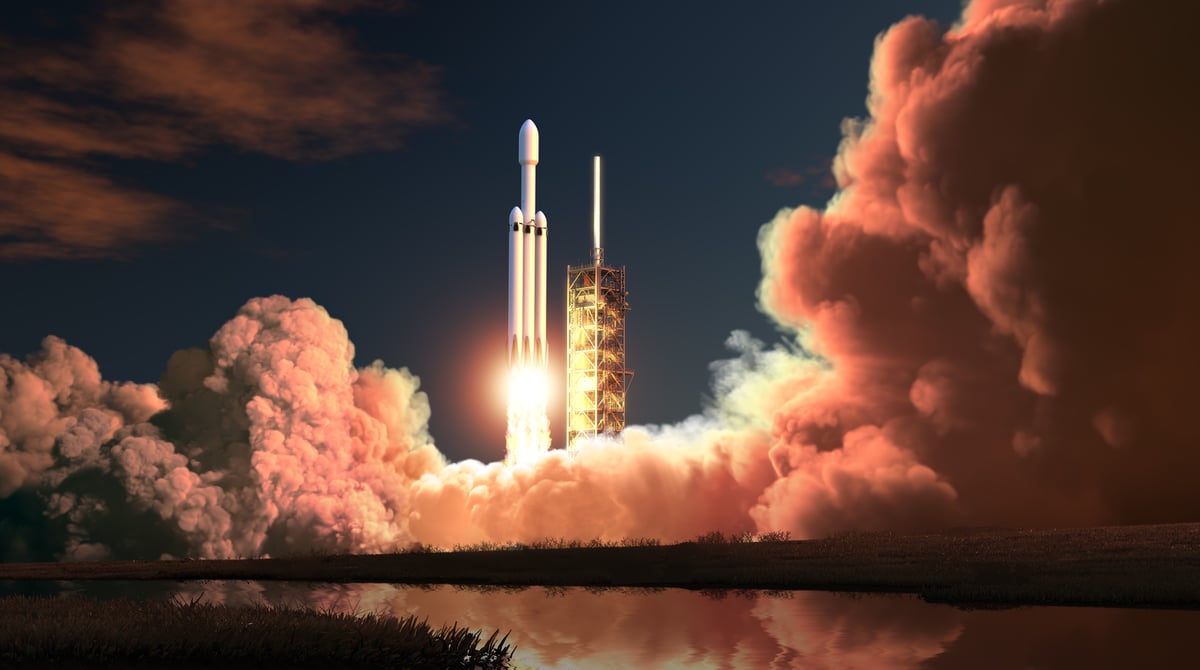
- Market Leadership: SpaceX is currently the world's most valuable private company, with a potential valuation of $1.5 trillion, having achieved 633 launches with its Falcon 9 rocket, which is known for its cost-effectiveness and reliability, solidifying its dominance in the satellite launch market.
- Innovative Technology: SpaceX's Starship is the first fully reusable spacecraft designed to carry humans to the moon, Mars, and beyond, capable of transporting 150 metric tonnes of cargo, with plans to establish a self-sustaining city on Mars, showcasing its long-term strategic vision.
- Revenue Potential: SpaceX's Starlink satellite internet service is projected to generate approximately $11.8 billion in revenue by 2025, indicating strong profitability in a rapidly growing market and potentially becoming a major driver of future growth for the company.
- AI and Energy Integration: SpaceX's acquisition of Elon Musk's AI startup xAI aims to harness solar energy in space to power AI data centers, which could enhance SpaceX's competitive edge in energy utilization and technology integration.
See More

European Auto Industry Shifts to Defense Manufacturing Amid Crisis


- Crisis Deepens: The European automotive industry is experiencing a structural crisis characterized by slowing electric vehicle demand, lost market share to Chinese competitors, and rising borrowing costs, leading to sales volumes significantly below pre-pandemic levels, which adversely affects profitability and market confidence.
- Shift to Defense Manufacturing: Renault's announcement to develop ground-based drones and its partnership with defense group Turgis Gaillard for aerial drones indicate a strategic pivot by automakers seeking diversification in response to market challenges, aiming to leverage growth opportunities in the defense sector to alleviate current difficulties.
- Intensifying Market Competition: According to ACEA data, BYD reported a staggering 175% year-on-year increase in new car sales, reaching 13,982 units, while European automakers like Volkswagen have seen their stock prices plummet over 60% in the past five years, highlighting the strong performance of Chinese brands and the threat they pose to the European automotive industry.
- Employment and Ethical Challenges: Volkswagen plans to cut approximately 35,000 jobs by 2030, and while collaboration with Israeli defense firm Rafael may preserve some positions, unions warn that the significant differences in production models between the defense and automotive sectors make it unrealistic to resolve the structural issues facing the auto industry.
See More
Tesla Faces Sales Challenges Amid $10 Trillion Opportunity
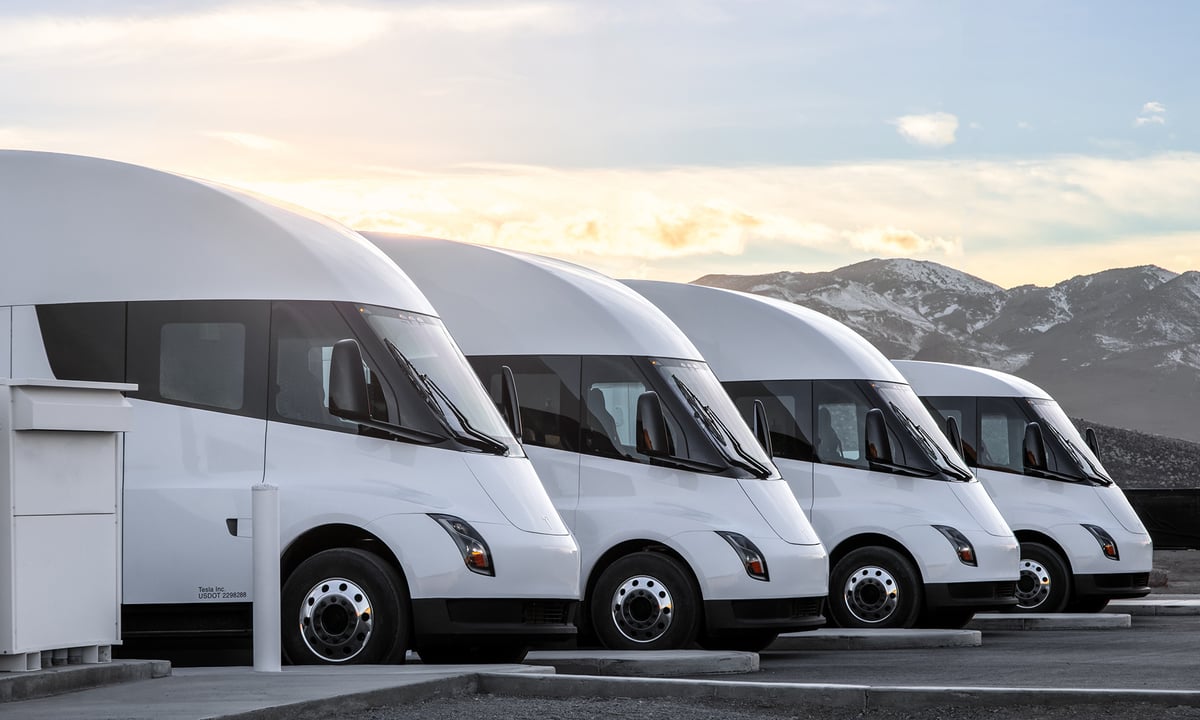
- Sales Decline: Tesla's auto deliveries fell by approximately 9% in 2025, amidst a 2% decline in the overall EV market, indicating a weakening competitive position that resulted in nearly halved profits, reflecting struggles in a soft market.
- Quarterly Sales Data: In Q1 2026, deliveries dropped 14% from the previous quarter, although there was a slight year-over-year increase, this trend suggests ongoing sales pressure for Tesla in the short term, potentially impacting investor confidence.
- Robotaxi Market Potential: Tesla anticipates that by 2029, its robotaxi business could represent around 90% of its enterprise value, with this market projected to reach $10 trillion, highlighting the strategic shift potential for Tesla's future growth.
- Production Capacity Advantage: Tesla's Austin factory can produce over 5,000 vehicles daily, with the capability to match the entire ride-hail fleet of urban Austin in about 9 days, indicating that its rapid deployment ability in the robotaxi market will provide a competitive edge.
See More

Tesla and Amazon's Strategic Moves in AI Robotics Market

- Tesla's Strategic Shift: Tesla has announced the discontinuation of its Model S and Model X, focusing instead on the production of Model 3 and Model Y, while repurposing factory space for its Optimus humanoid robots, expected to launch by the end of 2027, which could significantly enhance the company's revenue and profitability if successful.
- AI Robotics Market Potential: Projections indicate that the AI robotics market will reach approximately $375.8 billion by 2035, with a compound annual growth rate of 17.33%, and if Tesla and Amazon can capitalize on this opportunity, they could achieve substantial returns and transform their market positions.
- Amazon's Robotics Innovation: Amazon has ramped up its investments in the robotics market over the past few years, launching a million AI-powered robots last year and acquiring Fauna Robotics; although it lags behind Tesla in robotics, its strong cash reserves (totaling $123 billion as of Q4) provide a solid foundation for catching up.
- Market Competition and Risks: While the outlook for Tesla and Amazon in the AI robotics sector is optimistic, they face risks including legal and regulatory challenges, and the uncertainty of whether Tesla's robots will meet expectations, which will directly impact their stock prices and market performance.
See More
Tesla Sales Decline but Future Outlook Remains Positive
- Sales Decline: Tesla's auto deliveries fell by approximately 9% in 2025, while nationwide EV sales dropped around 2%, indicating that the company struggled to maintain competitiveness in a weak market, resulting in profits being nearly halved.
- Robotaxi Potential: Despite weak auto sales, Tesla's market cap exceeded $1 trillion by the end of 2025, with projections suggesting that its robotaxi business could represent 90% of its enterprise value by 2029, significantly enhancing the company's long-term growth prospects.
- Production Capacity Advantage: Tesla's Austin factory can produce over 5,000 vehicles daily, with the potential to match the entire ride-hail fleet of urban Austin in about nine days, showcasing its robust production capabilities in the robotaxi market.
- Stock Price Expectations: Ark Invest forecasts Tesla's shares could reach $2,900 by 2029, although skepticism exists regarding Musk's overly optimistic timelines; nonetheless, the potential of the robotaxi market should not be underestimated.
See More
SpaceX Set for IPO, Poised to Disrupt Space Industry
- IPO Valuation Potential: SpaceX is preparing for an initial public offering (IPO) that could value the company at up to $1.5 trillion, positioning it as the world's most valuable private company and drawing significant investor interest.
- Market Leadership: SpaceX dominates the global satellite launch market, with its Falcon 9 rocket achieving 633 launches, showcasing reliability and cost-effectiveness, thereby solidifying its market share.
- Starlink Revenue Growth: SpaceX's Starlink satellite internet service is projected to generate approximately $11.8 billion in revenue by 2025, indicating that this figure may only scratch the surface of its potential, highlighting its importance in future markets.
- Technological Integration Advantage: SpaceX's acquisition of Elon Musk's AI startup, xAI, combined with the potential of harnessing solar energy in space, could lead to breakthroughs in power demand and technological innovation, enhancing the company's overall competitiveness.
See More
SpaceX IPO Could Be a Once-in-a-Generation Investment Opportunity
- Market Leadership: SpaceX is currently the world's most valuable private company, with a potential valuation of $1.5 trillion, having achieved 633 launches with its Falcon 9 rocket, which is known for its cost-effectiveness and reliability, solidifying its dominance in the satellite launch market.
- Innovative Technology: SpaceX's Starship is the first fully reusable spacecraft designed to carry humans to the moon, Mars, and beyond, capable of transporting 150 metric tonnes of cargo, with plans to establish a self-sustaining city on Mars, showcasing its long-term strategic vision.
- Revenue Potential: SpaceX's Starlink satellite internet service is projected to generate approximately $11.8 billion in revenue by 2025, indicating strong profitability in a rapidly growing market and potentially becoming a major driver of future growth for the company.
- AI and Energy Integration: SpaceX's acquisition of Elon Musk's AI startup xAI aims to harness solar energy in space to power AI data centers, which could enhance SpaceX's competitive edge in energy utilization and technology integration.
See More
European Auto Industry Shifts to Defense Manufacturing Amid Crisis
- Crisis Deepens: The European automotive industry is experiencing a structural crisis characterized by slowing electric vehicle demand, lost market share to Chinese competitors, and rising borrowing costs, leading to sales volumes significantly below pre-pandemic levels, which adversely affects profitability and market confidence.
- Shift to Defense Manufacturing: Renault's announcement to develop ground-based drones and its partnership with defense group Turgis Gaillard for aerial drones indicate a strategic pivot by automakers seeking diversification in response to market challenges, aiming to leverage growth opportunities in the defense sector to alleviate current difficulties.
- Intensifying Market Competition: According to ACEA data, BYD reported a staggering 175% year-on-year increase in new car sales, reaching 13,982 units, while European automakers like Volkswagen have seen their stock prices plummet over 60% in the past five years, highlighting the strong performance of Chinese brands and the threat they pose to the European automotive industry.
- Employment and Ethical Challenges: Volkswagen plans to cut approximately 35,000 jobs by 2030, and while collaboration with Israeli defense firm Rafael may preserve some positions, unions warn that the significant differences in production models between the defense and automotive sectors make it unrealistic to resolve the structural issues facing the auto industry.
See More
Tesla Faces Sales Challenges Amid $10 Trillion Opportunity
- Sales Decline: Tesla's auto deliveries fell by approximately 9% in 2025, amidst a 2% decline in the overall EV market, indicating a weakening competitive position that resulted in nearly halved profits, reflecting struggles in a soft market.
- Quarterly Sales Data: In Q1 2026, deliveries dropped 14% from the previous quarter, although there was a slight year-over-year increase, this trend suggests ongoing sales pressure for Tesla in the short term, potentially impacting investor confidence.
- Robotaxi Market Potential: Tesla anticipates that by 2029, its robotaxi business could represent around 90% of its enterprise value, with this market projected to reach $10 trillion, highlighting the strategic shift potential for Tesla's future growth.
- Production Capacity Advantage: Tesla's Austin factory can produce over 5,000 vehicles daily, with the capability to match the entire ride-hail fleet of urban Austin in about 9 days, indicating that its rapid deployment ability in the robotaxi market will provide a competitive edge.
See More
Tesla and Amazon's Strategic Moves in AI Robotics Market
- Tesla's Strategic Shift: Tesla has announced the discontinuation of its Model S and Model X, focusing instead on the production of Model 3 and Model Y, while repurposing factory space for its Optimus humanoid robots, expected to launch by the end of 2027, which could significantly enhance the company's revenue and profitability if successful.
- AI Robotics Market Potential: Projections indicate that the AI robotics market will reach approximately $375.8 billion by 2035, with a compound annual growth rate of 17.33%, and if Tesla and Amazon can capitalize on this opportunity, they could achieve substantial returns and transform their market positions.
- Amazon's Robotics Innovation: Amazon has ramped up its investments in the robotics market over the past few years, launching a million AI-powered robots last year and acquiring Fauna Robotics; although it lags behind Tesla in robotics, its strong cash reserves (totaling $123 billion as of Q4) provide a solid foundation for catching up.
- Market Competition and Risks: While the outlook for Tesla and Amazon in the AI robotics sector is optimistic, they face risks including legal and regulatory challenges, and the uncertainty of whether Tesla's robots will meet expectations, which will directly impact their stock prices and market performance.
See More