Tesla's Brand Value Significantly Declines Amid Leadership Shift
Written by Emily J. Thompson, Senior Investment Analyst
Updated: Feb 17 2026
0mins

Should l Buy TSLA?
Source: Benzinga
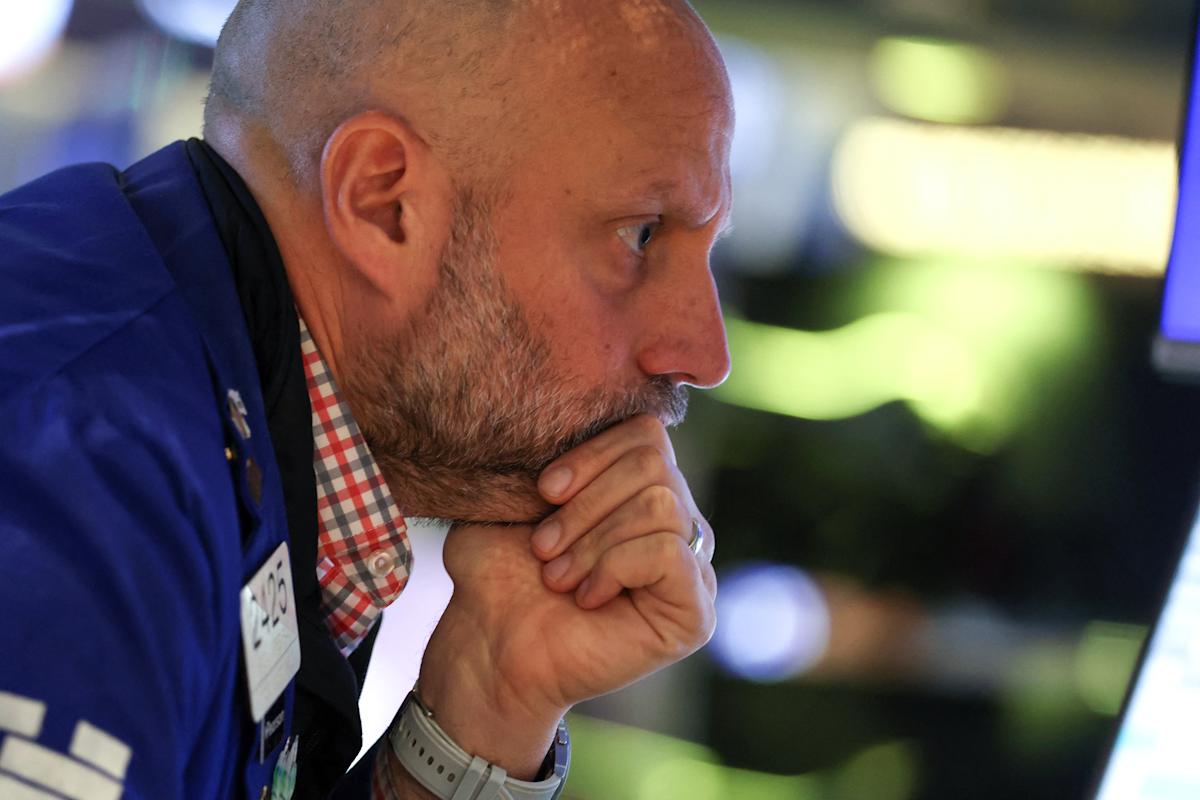
- Brand Value Decline: Investor Ross Gerber stated that Tesla's brand value has deteriorated to a negative level, indicating a significant impact on brand image as CEO Elon Musk pivots towards autonomy and robotics, which may lead to decreased investor confidence.
- Investor Concerns: Multiple investors, including ARK Invest's Cathie Wood, have expressed worries about the decline in Tesla's brand image, attributing the negative impact to Musk's political ventures, which could affect future sales and market share.
- Rivian's Rise: Gerber hailed Rivian as the leader in U.S. EVs, with its upcoming R2 Crossover SUV expected to be priced around $45,000 for the base model, highlighting the growing attention on emerging EV brands that may pose competitive pressure on Tesla.
- Cybercab Production Plans: Tesla's Cybercab is set to begin production in April, with Musk confirming a radical change in its manufacturing process, indicating the company's ongoing innovation and adaptability in the electric vehicle sector.
Trade with 70% Backtested Accuracy
Stop guessing "Should I Buy TSLA?" and start using high-conviction signals backed by rigorous historical data.
Sign up today to access powerful investing tools and make smarter, data-driven decisions.
Analyst Views on TSLA
Wall Street analysts forecast TSLA stock price to fall
30 Analyst Rating
12 Buy
11 Hold
7 Sell
Hold
Current: 443.300

Low
25.28
Averages
401.93
High
600.00
Current: 443.300
Low
25.28
Averages
401.93
High
600.00
About TSLA
Tesla, Inc. designs, develops, manufactures, sells and leases high-performance fully electric vehicles and energy generation and storage systems, and offers services related to its products. Its segments include automotive, and energy generation and storage. The automotive segment includes the design, development, manufacturing, sales and leasing of high-performance fully electric vehicles, and sales of automotive regulatory credits. It also includes sales of used vehicles, non-warranty maintenance services and collisions, part sales, paid supercharging, insurance services revenue and retail merchandise sales. The energy generation and storage segment include the design, manufacture, installation, sales and leasing of solar energy generation and energy storage products and related services and sales of solar energy systems incentives. Its consumer vehicles include the Model 3, Y, S, X and Cybertruck. Its lithium-ion battery energy storage products include Powerwall and Megapack.
About the author

Emily J. Thompson
Emily J. Thompson, a Chartered Financial Analyst (CFA) with 12 years in investment research, graduated with honors from the Wharton School. Specializing in industrial and technology stocks, she provides in-depth analysis for Intellectia’s earnings and market brief reports.
SpaceX IPO Could Start Soon, Valuation Over $2 Trillion

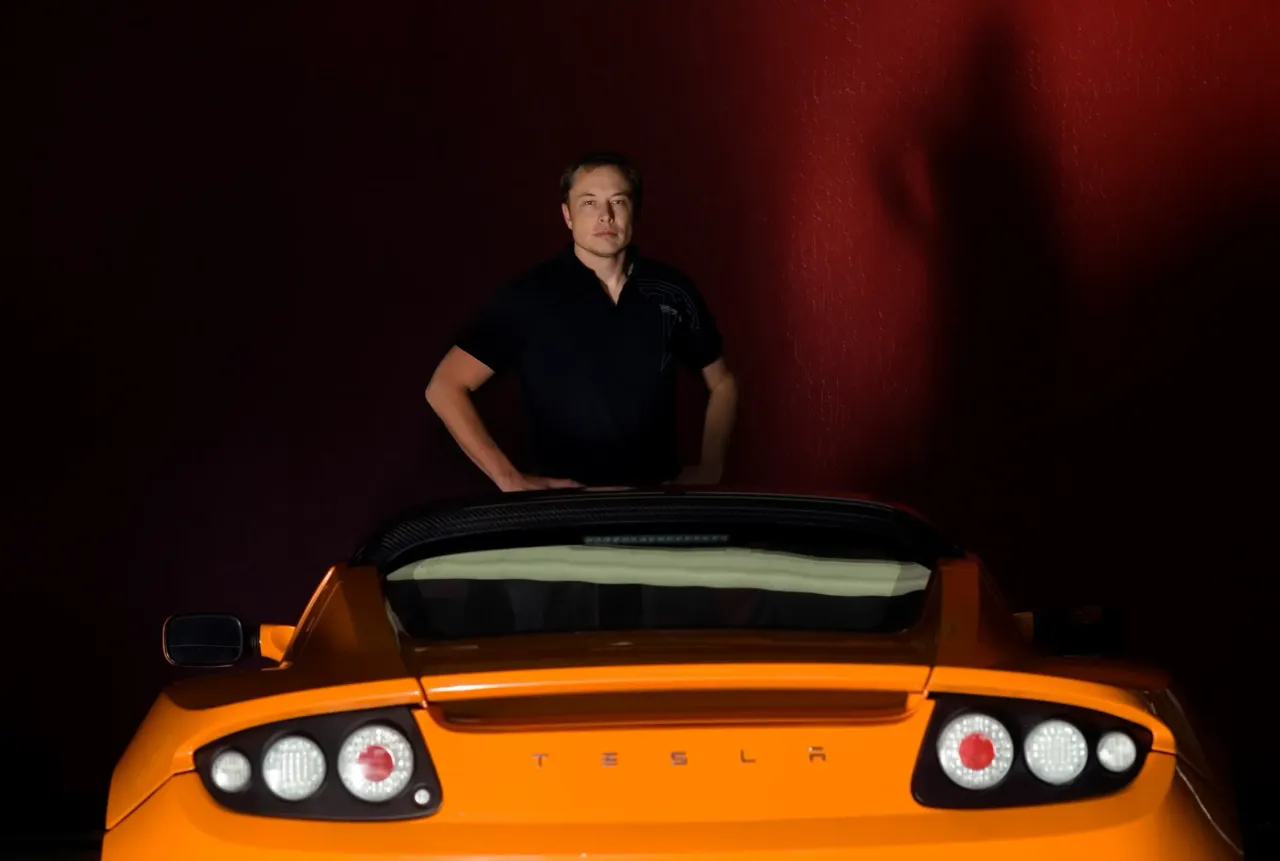
- IPO Process Acceleration: SpaceX could reportedly initiate its IPO process within days, targeting a valuation exceeding $2 trillion and potentially raising up to $75 billion, which would make it the largest IPO in history, significantly increasing market attention and attracting large institutional investors.
- Tesla-SpaceX Merger Odds: Investor Gene Munster stated that there is a greater than 50% chance of a Tesla-SpaceX merger within the next five years, which would enhance both companies' integration in AI and energy sectors, creating a stronger competitive position in the market.
- Tesla Stock Price Outlook: Munster predicts that Tesla's stock could reach $600 by 2027, contingent on the successful rollout of Robotaxi and physical AI, providing crucial psychological and commercial validation for investors.
- Retail Investor Sentiment: While retail sentiment for Tesla remains bullish, sentiment around SpaceX is extremely bullish, with high discussion volume reflecting strong investor anticipation and concerns regarding the upcoming IPO.
See More
Xpeng Begins Mass Production of First Robotaxi
- Driverless Technology Advancement: Xpeng has commenced mass production of its first robotaxi at its Guangzhou headquarters, aiming for fully driverless operations by early 2027, showcasing its technological leadership amid fierce competition.
- In-House Development Edge: The robotaxi, built on Xpeng's GX platform, is China's first 'production-ready' model developed entirely with in-house technologies, highlighting the company's innovative capabilities in smart mobility.
- Market Introduction Plan: Xpeng plans to initiate pilot operations for the robotaxi in the second half of this year, with expectations to produce hundreds to thousands of units over the next 12 to 18 months, aiming to rapidly capture market share.
- Intensifying Industry Competition: As competition intensifies, Xpeng is accelerating its shift towards driverless vehicles and humanoid robotics, indicating its strategic positioning in the world's largest auto market and forward-thinking approach to future mobility.
See More
Analysis of Three Stable Dividend Stocks


- Walmart's Market Advantage: With a vast network of 5,212 U.S. retail units and a 15.1% growth in global membership revenue, Walmart demonstrates strong market competitiveness, ensuring the safety of its dividend payments and long-term growth potential.
- Coca-Cola's Brand Power: Coca-Cola, with a 64-year dividend growth history and a gross margin of 61.82%, consistently maintains stable dividend returns amid economic fluctuations; although its annual growth rate is modest, its dividend appeal remains strong.
- McDonald's Asset-Light Model: By owning most of its restaurant real estate and charging franchisees rent, McDonald's showcases higher profit margins than traditional restaurant chains; while it has not yet reached
See More
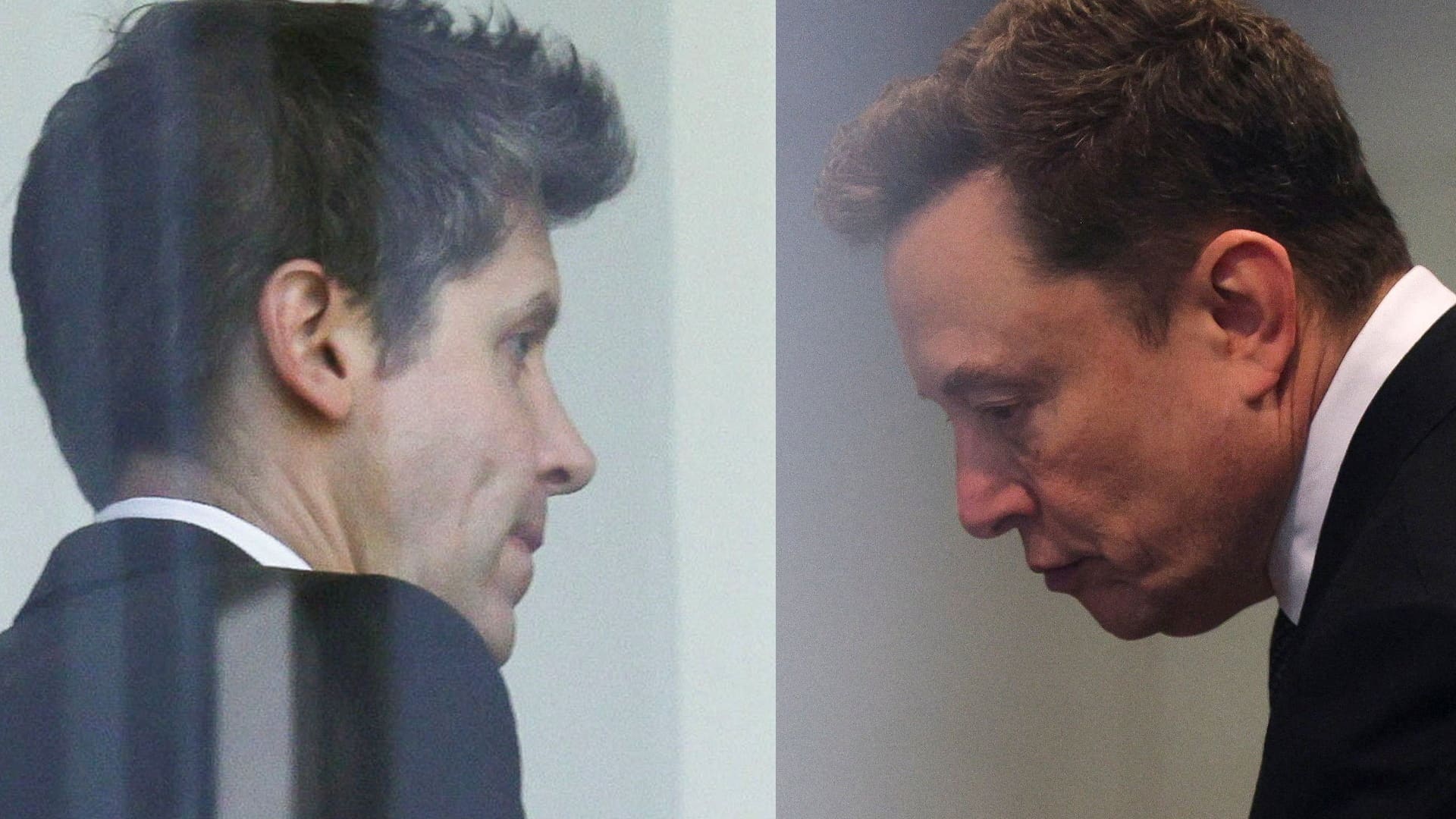
Musk's Legal Battle with OpenAI Unfolds


- Legal Dispute Background: Musk sued OpenAI and CEO Altman in 2024 for allegedly breaching commitments to keep OpenAI a nonprofit, with OpenAI currently valued at over $850 billion and Musk's SpaceX at $1.25 trillion, highlighting fierce competition in the AI sector.
- Allegations Details: During the trial, Musk emphasized his pivotal role in OpenAI's inception and growth, including initial funding and talent recruitment, while Altman countered that no commitments regarding corporate structure were made to Musk, revealing a significant trust crisis.
- Public Opinion Impact: A professor from UC Berkeley noted that the public may not favor either billionaire in this dispute, potentially leading to negative perceptions that could affect their future business collaborations and public support.
- Technological Development and Competition: Despite escalating internal conflicts, OpenAI achieved breakthroughs, notably defeating top players in Dota 2 in 2017, demonstrating its leading position in AI, while Musk expressed dissatisfaction on social media regarding OpenAI's shift away from its original nonprofit mission.
See More

Musk vs. Altman: Legal Battle Over OpenAI's Nonprofit Status
- Escalating Legal Dispute: The relationship between Musk and Altman has deteriorated sharply due to Musk's 2024 lawsuit against Altman and OpenAI, alleging a breach of their commitment to keep OpenAI a nonprofit, with the case currently being heard in Oakland, California, where the jury will begin deliberations on Monday.
- Soaring Company Valuations: OpenAI is now valued at over $850 billion, while Musk's SpaceX reached a valuation of $1.25 trillion after merging with his AI lab, xAI, highlighting the immense potential and competitive strength of both companies in the tech sector.
- Public Opinion Impact: Despite the intense courtroom drama, a professor from UC Berkeley suggests that the public may view both tech titans unfavorably, believing neither billionaire is a suitable steward for transformative technology, reflecting growing concerns over tech ethics.
- Deteriorating Partnership: Since co-founding OpenAI in 2015, Musk and Altman's relationship has soured, particularly as Musk sought greater control over OpenAI, leading to significant governance and strategic disagreements that ultimately resulted in Musk halting his financial support for the organization.
See More
SpaceX Approaches $2 Trillion IPO Valuation
- Valuation Surge: SpaceX's valuation reached $800 billion in 2025, soared to $1.25 trillion after merging with xAI in 2026, and recently hit $1.5 trillion on Forge Global, with IPO expectations between $1.75 trillion and $2 trillion, indicating strong growth potential in the aerospace market.
- Revenue Expectations: Analysts estimate SpaceX's revenue last year ranged from $15 billion to $18 billion, and while specific figures remain undisclosed, the IPO valuation implies a price-to-sales ratio exceeding 100, reflecting high market expectations for future growth.
- Technological Innovation: SpaceX significantly reduces launch costs through reusable rockets and has evolved Starlink into a global broadband network, while also positioning itself as an orbital AI infrastructure provider, with a total addressable market estimated at around $28 trillion, primarily in enterprise AI.
- Market Risks: Although SpaceX's IPO may price shares at a premium, its future valuation faces multiple risks, including the need for Starlink user growth, Starship launch frequency, and the commercialization of its AI business, where any execution delays or shifts in market sentiment could lead to significant valuation volatility.
See More
SpaceX IPO Could Start Soon, Valuation Over $2 Trillion
- IPO Process Acceleration: SpaceX could reportedly initiate its IPO process within days, targeting a valuation exceeding $2 trillion and potentially raising up to $75 billion, which would make it the largest IPO in history, significantly increasing market attention and attracting large institutional investors.
- Tesla-SpaceX Merger Odds: Investor Gene Munster stated that there is a greater than 50% chance of a Tesla-SpaceX merger within the next five years, which would enhance both companies' integration in AI and energy sectors, creating a stronger competitive position in the market.
- Tesla Stock Price Outlook: Munster predicts that Tesla's stock could reach $600 by 2027, contingent on the successful rollout of Robotaxi and physical AI, providing crucial psychological and commercial validation for investors.
- Retail Investor Sentiment: While retail sentiment for Tesla remains bullish, sentiment around SpaceX is extremely bullish, with high discussion volume reflecting strong investor anticipation and concerns regarding the upcoming IPO.
See More
Xpeng Begins Mass Production of First Robotaxi
- Driverless Technology Advancement: Xpeng has commenced mass production of its first robotaxi at its Guangzhou headquarters, aiming for fully driverless operations by early 2027, showcasing its technological leadership amid fierce competition.
- In-House Development Edge: The robotaxi, built on Xpeng's GX platform, is China's first 'production-ready' model developed entirely with in-house technologies, highlighting the company's innovative capabilities in smart mobility.
- Market Introduction Plan: Xpeng plans to initiate pilot operations for the robotaxi in the second half of this year, with expectations to produce hundreds to thousands of units over the next 12 to 18 months, aiming to rapidly capture market share.
- Intensifying Industry Competition: As competition intensifies, Xpeng is accelerating its shift towards driverless vehicles and humanoid robotics, indicating its strategic positioning in the world's largest auto market and forward-thinking approach to future mobility.
See More
Analysis of Three Stable Dividend Stocks
- Walmart's Market Advantage: With a vast network of 5,212 U.S. retail units and a 15.1% growth in global membership revenue, Walmart demonstrates strong market competitiveness, ensuring the safety of its dividend payments and long-term growth potential.
- Coca-Cola's Brand Power: Coca-Cola, with a 64-year dividend growth history and a gross margin of 61.82%, consistently maintains stable dividend returns amid economic fluctuations; although its annual growth rate is modest, its dividend appeal remains strong.
- McDonald's Asset-Light Model: By owning most of its restaurant real estate and charging franchisees rent, McDonald's showcases higher profit margins than traditional restaurant chains; while it has not yet reached
See More
Musk's Legal Battle with OpenAI Unfolds
- Legal Dispute Background: Musk sued OpenAI and CEO Altman in 2024 for allegedly breaching commitments to keep OpenAI a nonprofit, with OpenAI currently valued at over $850 billion and Musk's SpaceX at $1.25 trillion, highlighting fierce competition in the AI sector.
- Allegations Details: During the trial, Musk emphasized his pivotal role in OpenAI's inception and growth, including initial funding and talent recruitment, while Altman countered that no commitments regarding corporate structure were made to Musk, revealing a significant trust crisis.
- Public Opinion Impact: A professor from UC Berkeley noted that the public may not favor either billionaire in this dispute, potentially leading to negative perceptions that could affect their future business collaborations and public support.
- Technological Development and Competition: Despite escalating internal conflicts, OpenAI achieved breakthroughs, notably defeating top players in Dota 2 in 2017, demonstrating its leading position in AI, while Musk expressed dissatisfaction on social media regarding OpenAI's shift away from its original nonprofit mission.
See More
Musk vs. Altman: Legal Battle Over OpenAI's Nonprofit Status
- Escalating Legal Dispute: The relationship between Musk and Altman has deteriorated sharply due to Musk's 2024 lawsuit against Altman and OpenAI, alleging a breach of their commitment to keep OpenAI a nonprofit, with the case currently being heard in Oakland, California, where the jury will begin deliberations on Monday.
- Soaring Company Valuations: OpenAI is now valued at over $850 billion, while Musk's SpaceX reached a valuation of $1.25 trillion after merging with his AI lab, xAI, highlighting the immense potential and competitive strength of both companies in the tech sector.
- Public Opinion Impact: Despite the intense courtroom drama, a professor from UC Berkeley suggests that the public may view both tech titans unfavorably, believing neither billionaire is a suitable steward for transformative technology, reflecting growing concerns over tech ethics.
- Deteriorating Partnership: Since co-founding OpenAI in 2015, Musk and Altman's relationship has soured, particularly as Musk sought greater control over OpenAI, leading to significant governance and strategic disagreements that ultimately resulted in Musk halting his financial support for the organization.
See More
SpaceX Approaches $2 Trillion IPO Valuation
- Valuation Surge: SpaceX's valuation reached $800 billion in 2025, soared to $1.25 trillion after merging with xAI in 2026, and recently hit $1.5 trillion on Forge Global, with IPO expectations between $1.75 trillion and $2 trillion, indicating strong growth potential in the aerospace market.
- Revenue Expectations: Analysts estimate SpaceX's revenue last year ranged from $15 billion to $18 billion, and while specific figures remain undisclosed, the IPO valuation implies a price-to-sales ratio exceeding 100, reflecting high market expectations for future growth.
- Technological Innovation: SpaceX significantly reduces launch costs through reusable rockets and has evolved Starlink into a global broadband network, while also positioning itself as an orbital AI infrastructure provider, with a total addressable market estimated at around $28 trillion, primarily in enterprise AI.
- Market Risks: Although SpaceX's IPO may price shares at a premium, its future valuation faces multiple risks, including the need for Starlink user growth, Starship launch frequency, and the commercialization of its AI business, where any execution delays or shifts in market sentiment could lead to significant valuation volatility.
See More