Tesla's Bitcoin Holdings Under Pressure Amid Selloff
Written by Emily J. Thompson, Senior Investment Analyst
Updated: 56 minutes ago
0mins
Source: seekingalpha
- Bitcoin Value Decline: Tesla's Bitcoin holdings remain at 11,509 BTC, but the cryptocurrency's price drop to $62,715 during Asian trading has eroded the value of its digital asset portfolio from $946 million to approximately $724 million, resulting in a loss exceeding $220 million, highlighting the ongoing volatility risks associated with the company's digital assets.
- Quarterly Loss Impact: In Q1 2026, Tesla reported a $173 million loss related to its cryptocurrency holdings, and while accounting treatments may cause discrepancies between reported earnings and market value changes, the continued weakness in Bitcoin could keep the company's crypto exposure in the spotlight ahead of its next earnings report.
- Market Volatility Intensifies: Bitcoin's nearly 15% decline over the past week, alongside Ethereum and Solana's drops of 5% and 3.9% respectively, indicates the overall instability in the crypto market, which may further impact Tesla's financial health.
- Uncertain Future Outlook: As Bitcoin prices continue to slide, Tesla's cryptocurrency risks are likely to become a focal point for investors, particularly with the upcoming earnings report, which could influence market expectations regarding the company's future profitability.
Trade with 70% Backtested Accuracy
Stop guessing "Should I Buy TSLA?" and start using high-conviction signals backed by rigorous historical data.
Sign up today to access powerful investing tools and make smarter, data-driven decisions.
Analyst Views on TSLA
Wall Street analysts forecast TSLA stock price to fall
30 Analyst Rating
12 Buy
11 Hold
7 Sell
Hold
Current: 423.700

Low
25.28
Averages
401.93
High
600.00
Current: 423.700
Low
25.28
Averages
401.93
High
600.00
About TSLA
Tesla, Inc. designs, develops, manufactures, sells and leases high-performance fully electric vehicles and energy generation and storage systems, and offers services related to its products. Its segments include automotive, and energy generation and storage. The automotive segment includes the design, development, manufacturing, sales and leasing of high-performance fully electric vehicles, and sales of automotive regulatory credits. It also includes sales of used vehicles, non-warranty maintenance services and collisions, part sales, paid supercharging, insurance services revenue and retail merchandise sales. The energy generation and storage segment include the design, manufacture, installation, sales and leasing of solar energy generation and energy storage products and related services and sales of solar energy systems incentives. Its consumer vehicles include the Model 3, Y, S, X and Cybertruck. Its lithium-ion battery energy storage products include Powerwall and Megapack.
About the author

Emily J. Thompson
Emily J. Thompson, a Chartered Financial Analyst (CFA) with 12 years in investment research, graduated with honors from the Wharton School. Specializing in industrial and technology stocks, she provides in-depth analysis for Intellectia’s earnings and market brief reports.
Tesla Stock Stages Strong Comeback

- Significant Revenue Growth: Tesla's first-quarter revenue rose 16% year-over-year to $22.4 billion, with gross margin recovering to 21.1%, indicating a gradual recovery in profitability after last year's revenue decline, which enhances market confidence in its future prospects.
- Chinese Market Revival: Tesla's sales in China surged approximately 40% year-over-year in May, marking the strongest monthly sales figure of 2026, suggesting an improvement in performance in this critical market that could bolster overall results.
- Autonomous Driving Service Expansion: Tesla expanded its driverless Robotaxi service to Dallas and Houston, with the miles driven by its robotaxis nearly doubling from the previous quarter, demonstrating ongoing progress in the autonomous driving sector, although management is adopting a cautious expansion strategy.
- Valuation Risk: With a current price-to-earnings ratio of about 390, Tesla's valuation reflects high market expectations for its future autonomous driving and humanoid robot businesses, posing significant risks, especially against the backdrop of a shrinking core automotive business, with stock price projections for the next three years ranging between $300 and $600.
See More
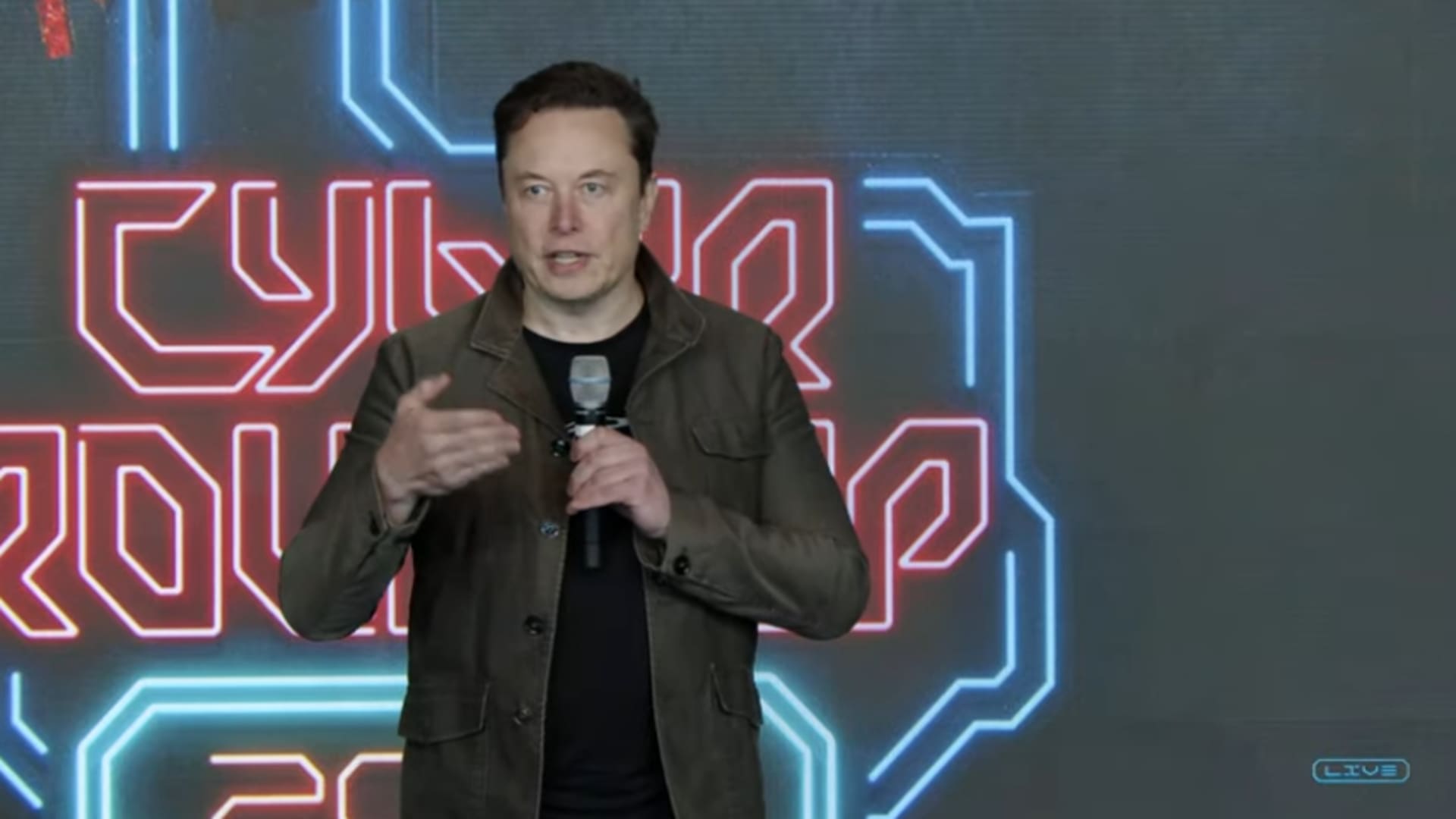
SpaceX IPO Could Be Historic Stock Offering
- Massive Valuation Potential: SpaceX's IPO is set at $135 per share, valuing the company at approximately $1.77 trillion, with potential to approach $2 trillion, highlighting the immense potential of its satellite internet business and likely attracting significant investor interest.
- Large Fundraising Scale: The company plans to sell 555.6 million shares, aiming to raise $75 billion, with underwriters having an option to purchase an additional 83.33 million shares, adding $11.2 billion, reflecting strong market confidence in its future growth.
- Concentrated Control: After the IPO, Musk will retain over 82% voting control, ensuring stability in the company's strategic direction while demonstrating his strong belief in its future development.
- AI and Satellite Network Synergy: Winton emphasized that SpaceX's growth potential extends beyond launch services and is closely tied to the rapid expansion of artificial intelligence, with estimates suggesting that related companies could reach an enterprise value of $15 trillion to $20 trillion by 2030, further enhancing SpaceX's market outlook.
See More
Tesla's Bitcoin Holdings Under Pressure Amid Selloff
- Bitcoin Value Decline: Tesla's Bitcoin holdings remain at 11,509 BTC, but the cryptocurrency's price drop to $62,715 during Asian trading has eroded the value of its digital asset portfolio from $946 million to approximately $724 million, resulting in a loss exceeding $220 million, highlighting the ongoing volatility risks associated with the company's digital assets.
- Quarterly Loss Impact: In Q1 2026, Tesla reported a $173 million loss related to its cryptocurrency holdings, and while accounting treatments may cause discrepancies between reported earnings and market value changes, the continued weakness in Bitcoin could keep the company's crypto exposure in the spotlight ahead of its next earnings report.
- Market Volatility Intensifies: Bitcoin's nearly 15% decline over the past week, alongside Ethereum and Solana's drops of 5% and 3.9% respectively, indicates the overall instability in the crypto market, which may further impact Tesla's financial health.
- Uncertain Future Outlook: As Bitcoin prices continue to slide, Tesla's cryptocurrency risks are likely to become a focal point for investors, particularly with the upcoming earnings report, which could influence market expectations regarding the company's future profitability.
See More
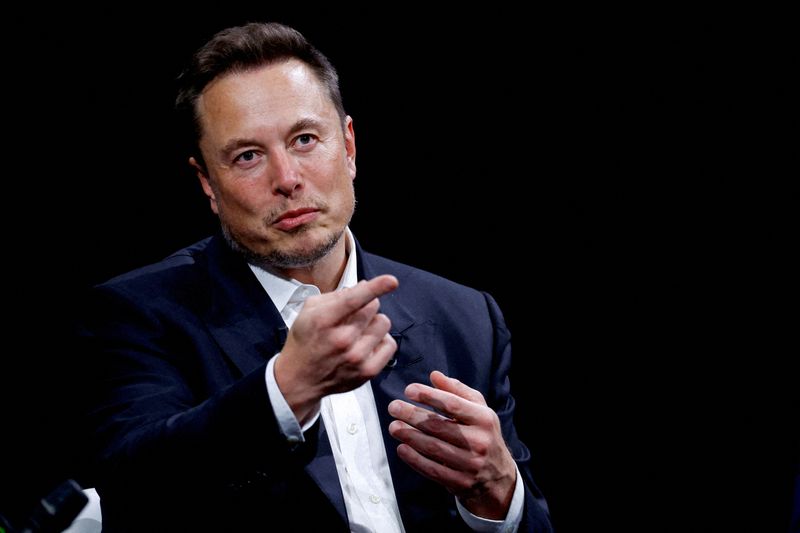
Tesla Shareholders Gain Special Access to SpaceX IPO

- Tesla Shareholder Priority: Investors holding Tesla shares for over 10 years are granted special access to SpaceX's IPO through Morgan Stanley's E*TRADE, reflecting Musk's commitment to retail investors and potentially enhancing loyalty among Tesla shareholders.
- SpaceX IPO Scale: SpaceX plans to sell 555.6 million shares at $135 each, aiming to raise $75 billion and achieve a valuation of $1.77 trillion, with the potential to exceed $1.8 trillion on a fully diluted basis, marking it as one of the largest IPOs in history.
- Strong Investor Demand: Following a JPMorgan-hosted roadshow, investor demand for SpaceX has been exceptionally strong, with analysts fielding 20 investor calls per day, significantly above the typical 10 to 15, indicating high market interest in Musk's AI initiatives.
- Retail Investor Commitment: Fidelity has announced it will reserve up to 30% of the IPO for retail investors, far exceeding the usual 5%-10%, which not only fulfills Musk's promise to retail investors but may also attract more small investors, enhancing market activity.
See More
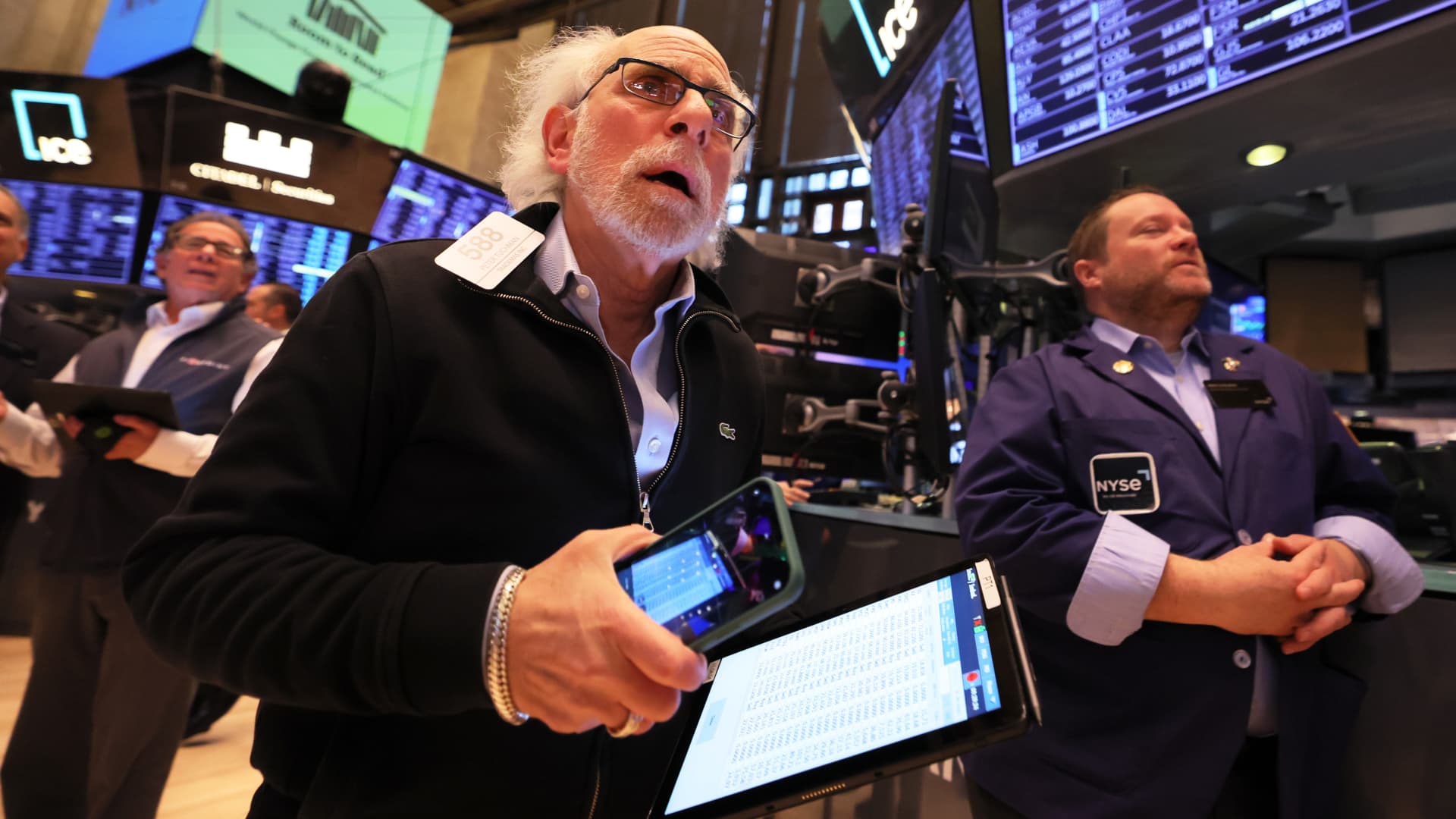
SpaceX IPO Set to Become Largest in History


- Record-Setting IPO: SpaceX aims to raise $75 billion at a price of $135 per share, achieving a valuation of $1.75 trillion, positioning itself among the top ten most valuable companies in the U.S., surpassing Tesla and demonstrating significant market appeal.
- Wall Street Enthusiasm: With 23 banks participating in the IPO, underwriting fees are expected to reach around $500 million, highlighting the importance of this event for Wall Street, especially amid frothy market valuations.
- Unconventional Pricing Approach: Unlike traditional IPOs, SpaceX has set its share price a week in advance, increasing pressure on Wall Street to find buyers while eliminating buyer input on pricing, which could undermine investor confidence.
- Market Risk Warning: While SpaceX has a promising future, its current financials and unconventional IPO process raise red flags; historically, major IPOs like Meta and Uber have seen significant post-debut declines, prompting investors to carefully assess potential risks.
See More

SpaceX IPO Faces Setback as S&P Maintains Entry Requirements


- IPO Entry Barrier: S&P Global's decision to maintain its entry requirements for major indices effectively rules out a swift inclusion of SpaceX's record-setting IPO into the S&P 500, negatively impacting market expectations surrounding the offering.
- Nasdaq Fast Track: In contrast to S&P's stance, Nasdaq is moving to fast-track SpaceX's inclusion in the Nasdaq 100 index, raising concerns that new retail investors could become exit liquidity for legacy shareholders, thereby increasing market uncertainty.
- Bitcoin ETF Outflows: Bitcoin is on track for its worst week since February amid record ETF outflows, indicating a break from dominant narratives in the crypto market, which could undermine investor confidence in the sector.
- World Cup Economic Impact: Deutsche Bank and Goldman Sachs predict that the 2026 FIFA World Cup will boost hospitality stocks, particularly U.S. restaurant brands near host cities, as increased tourism is expected to drive significant economic benefits, highlighting the positive impact of major events on the economy.
See More
Tesla Stock Stages Strong Comeback
- Significant Revenue Growth: Tesla's first-quarter revenue rose 16% year-over-year to $22.4 billion, with gross margin recovering to 21.1%, indicating a gradual recovery in profitability after last year's revenue decline, which enhances market confidence in its future prospects.
- Chinese Market Revival: Tesla's sales in China surged approximately 40% year-over-year in May, marking the strongest monthly sales figure of 2026, suggesting an improvement in performance in this critical market that could bolster overall results.
- Autonomous Driving Service Expansion: Tesla expanded its driverless Robotaxi service to Dallas and Houston, with the miles driven by its robotaxis nearly doubling from the previous quarter, demonstrating ongoing progress in the autonomous driving sector, although management is adopting a cautious expansion strategy.
- Valuation Risk: With a current price-to-earnings ratio of about 390, Tesla's valuation reflects high market expectations for its future autonomous driving and humanoid robot businesses, posing significant risks, especially against the backdrop of a shrinking core automotive business, with stock price projections for the next three years ranging between $300 and $600.
See More
SpaceX IPO Could Be Historic Stock Offering
- Massive Valuation Potential: SpaceX's IPO is set at $135 per share, valuing the company at approximately $1.77 trillion, with potential to approach $2 trillion, highlighting the immense potential of its satellite internet business and likely attracting significant investor interest.
- Large Fundraising Scale: The company plans to sell 555.6 million shares, aiming to raise $75 billion, with underwriters having an option to purchase an additional 83.33 million shares, adding $11.2 billion, reflecting strong market confidence in its future growth.
- Concentrated Control: After the IPO, Musk will retain over 82% voting control, ensuring stability in the company's strategic direction while demonstrating his strong belief in its future development.
- AI and Satellite Network Synergy: Winton emphasized that SpaceX's growth potential extends beyond launch services and is closely tied to the rapid expansion of artificial intelligence, with estimates suggesting that related companies could reach an enterprise value of $15 trillion to $20 trillion by 2030, further enhancing SpaceX's market outlook.
See More
Tesla's Bitcoin Holdings Under Pressure Amid Selloff
- Bitcoin Value Decline: Tesla's Bitcoin holdings remain at 11,509 BTC, but the cryptocurrency's price drop to $62,715 during Asian trading has eroded the value of its digital asset portfolio from $946 million to approximately $724 million, resulting in a loss exceeding $220 million, highlighting the ongoing volatility risks associated with the company's digital assets.
- Quarterly Loss Impact: In Q1 2026, Tesla reported a $173 million loss related to its cryptocurrency holdings, and while accounting treatments may cause discrepancies between reported earnings and market value changes, the continued weakness in Bitcoin could keep the company's crypto exposure in the spotlight ahead of its next earnings report.
- Market Volatility Intensifies: Bitcoin's nearly 15% decline over the past week, alongside Ethereum and Solana's drops of 5% and 3.9% respectively, indicates the overall instability in the crypto market, which may further impact Tesla's financial health.
- Uncertain Future Outlook: As Bitcoin prices continue to slide, Tesla's cryptocurrency risks are likely to become a focal point for investors, particularly with the upcoming earnings report, which could influence market expectations regarding the company's future profitability.
See More
Tesla Shareholders Gain Special Access to SpaceX IPO
- Tesla Shareholder Priority: Investors holding Tesla shares for over 10 years are granted special access to SpaceX's IPO through Morgan Stanley's E*TRADE, reflecting Musk's commitment to retail investors and potentially enhancing loyalty among Tesla shareholders.
- SpaceX IPO Scale: SpaceX plans to sell 555.6 million shares at $135 each, aiming to raise $75 billion and achieve a valuation of $1.77 trillion, with the potential to exceed $1.8 trillion on a fully diluted basis, marking it as one of the largest IPOs in history.
- Strong Investor Demand: Following a JPMorgan-hosted roadshow, investor demand for SpaceX has been exceptionally strong, with analysts fielding 20 investor calls per day, significantly above the typical 10 to 15, indicating high market interest in Musk's AI initiatives.
- Retail Investor Commitment: Fidelity has announced it will reserve up to 30% of the IPO for retail investors, far exceeding the usual 5%-10%, which not only fulfills Musk's promise to retail investors but may also attract more small investors, enhancing market activity.
See More
SpaceX IPO Set to Become Largest in History
- Record-Setting IPO: SpaceX aims to raise $75 billion at a price of $135 per share, achieving a valuation of $1.75 trillion, positioning itself among the top ten most valuable companies in the U.S., surpassing Tesla and demonstrating significant market appeal.
- Wall Street Enthusiasm: With 23 banks participating in the IPO, underwriting fees are expected to reach around $500 million, highlighting the importance of this event for Wall Street, especially amid frothy market valuations.
- Unconventional Pricing Approach: Unlike traditional IPOs, SpaceX has set its share price a week in advance, increasing pressure on Wall Street to find buyers while eliminating buyer input on pricing, which could undermine investor confidence.
- Market Risk Warning: While SpaceX has a promising future, its current financials and unconventional IPO process raise red flags; historically, major IPOs like Meta and Uber have seen significant post-debut declines, prompting investors to carefully assess potential risks.
See More
SpaceX IPO Faces Setback as S&P Maintains Entry Requirements
- IPO Entry Barrier: S&P Global's decision to maintain its entry requirements for major indices effectively rules out a swift inclusion of SpaceX's record-setting IPO into the S&P 500, negatively impacting market expectations surrounding the offering.
- Nasdaq Fast Track: In contrast to S&P's stance, Nasdaq is moving to fast-track SpaceX's inclusion in the Nasdaq 100 index, raising concerns that new retail investors could become exit liquidity for legacy shareholders, thereby increasing market uncertainty.
- Bitcoin ETF Outflows: Bitcoin is on track for its worst week since February amid record ETF outflows, indicating a break from dominant narratives in the crypto market, which could undermine investor confidence in the sector.
- World Cup Economic Impact: Deutsche Bank and Goldman Sachs predict that the 2026 FIFA World Cup will boost hospitality stocks, particularly U.S. restaurant brands near host cities, as increased tourism is expected to drive significant economic benefits, highlighting the positive impact of major events on the economy.
See More