Tesla Raises Model Y Prices in the U.S.
Institutional investors and professional traders rely on The Fly to keep up-to-the-second on breaking news in the electric vehicle and clean energy space, as well as which stocks in these sectors that the best analysts on Wall Street are saying to buy and sell.From the hotly-debated high-flier Tesla, Wall Street's newest darling Rivian, traditional-stalwarts turned EV-upstarts GMand Fordto the numerous SPAC-deal makers that have come public in this red-hot space, The Fly has you covered with "Charged," a weekly recap of the top stories and expert calls in the sector.Clickto check out Tesla's recent Media Buzz Sentiment as measured by TipRanks.MODEL Y PRICING:Tesla has raised the prices of its Model Y cars in the U.S., increasing the premium all-wheel drive and premium rear-wheel drive by $1,000, Reuters. The Model Y premium all-wheel drive and Model Y premium rear-wheel drive move to $49,990 and $45,990 respectively, while the Model Y Performance all-wheel drive will now be $57,990 in the United States, up $500 from earlier, the website showed.REBATE PROGRAM:California Governor Gavin Newsom announced that applications are open for the California Clean Fuel Reward rebate program for electric medium- and heavy-duty trucks. Rebates will be available statewide to help fleets access and deploy zero-emission electric technology - positioning California to compete as global electric heavy-freight trucks sales tripled in 2025 alone. "With funding from the Low Carbon Fuel Standard program, CCFR is expected to become the largest utility-administered rebate program for electric trucks in the country, with $250 million available this year and over $1 billion in total rebate funding expected through 2030." Newsom said: "While Trump surrenders America's auto industry to China, California is choosing a different path - one that cements our global leadership in clean technologies that will define the future of transportation. California will never stop fighting for good-paying American jobs, economic prosperity, and a more secure future for our workers and families." Publicly traded companies in the space include Ford, General Motors, Honda, Lucid Group, Mercedes-Benz, Nissan, Rivian, Stellantis, Tesla, Toyotaand Volkswagen.LI L9:Li Autolaunched the Li L9, with deliveries to commence on May 17. The vehicle is available in Ultra and Livis trims, priced at RMB 459,800 and RMB 509,800, respectively.MASS-PRODUCED ROBOTAXI:XPengannounced the official rollout of its first mass-produced Robotaxi in Guangzhou. This marks the first time in China that an automaker has achieved mass production of a Robotaxi through full-stack, in-house development. The newly unveiled Robotaxi, built on the XPeng GX platform, is China's first production-ready, pre-assembled Robotaxi model developed entirely with in-house technologies and engineered to L4 autonomous driving standards. Powered by four self-developed Turing AI chips, it delivers an industry-leading effective on-board computing power of 3,000 TOPS.
Trade with 70% Backtested Accuracy
Analyst Views on TSLA

About TSLA
About the author

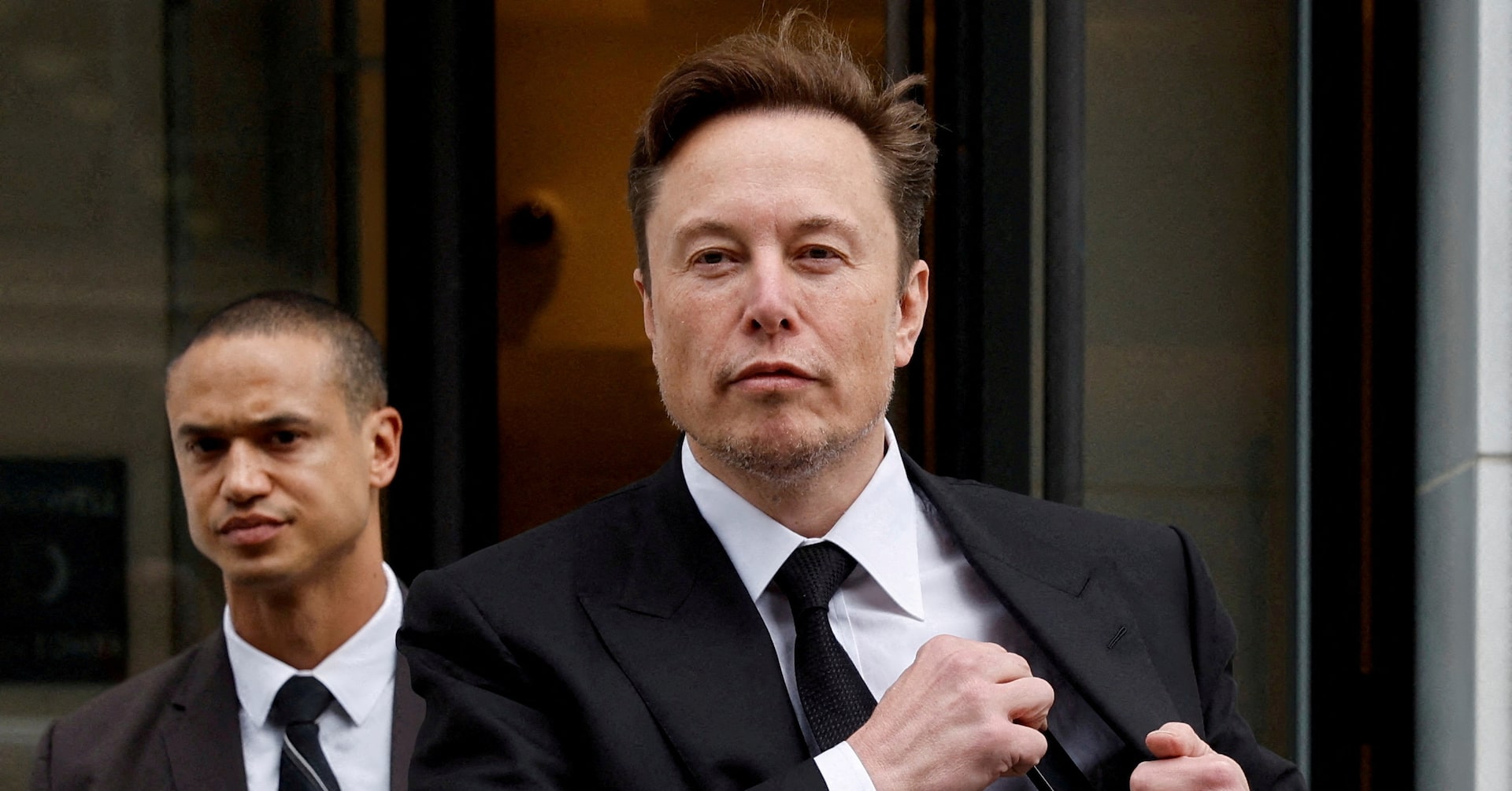
Market Comparison Between SpaceX and Tesla

- Valuation Discrepancy: SpaceX's IPO price was $135 per share, with a market cap exceeding $2 trillion, while Tesla went public in 2010 at $17 per share, highlighting a significant difference in market positioning between the two companies.
- Stock Split Potential: SpaceX briefly surged 50% post-IPO, and if its market cap reaches $10 trillion, a stock split could be considered, contrasting with Tesla's decade-long wait for its first split, indicating SpaceX's rapid growth potential.
- Technical Challenges and Opportunities: SpaceX aims to launch AI data center satellites by 2027, targeting 1 terawatt of computing power by 2030; if successful, it could become a key player in global AI infrastructure, significantly boosting the company's value.
- Investor Caution: Despite SpaceX's ambitious vision, a reported net loss in 2025 and potential technical and market challenges suggest investors should be cautious, recommending monitoring progress rather than investing blindly.

Rivian's R2 SUV Faces Supply Chain Challenges


- Supply Chain Risks: Rivian CEO RJ Scaringe stated that the success of the R2 SUV is critical for the company's future, highlighting that while consumer demand is strong, concerns over the global semiconductor shortage pose the greatest risk.
- Chip Shortage Impact: With explosive AI demand tightening memory chip supplies, Scaringe emphasized that uncertainties in the global supply chain could challenge R2 production and affect the company's delivery capabilities.
- Market Reaction: Rivian's stock fell 0.5% at the time of the report, as investors await the upcoming second-quarter delivery numbers, with retail sentiment remaining in the 'bearish' territory, although some users expressed optimism about the delivery figures.
- Competitive Landscape: Other automakers like General Motors and Tesla are also actively addressing chip shortages, with GM securing a strategic customer agreement with Micron Technology for long-term supply, while Tesla advances its Terafab semiconductor project to meet soaring demand.
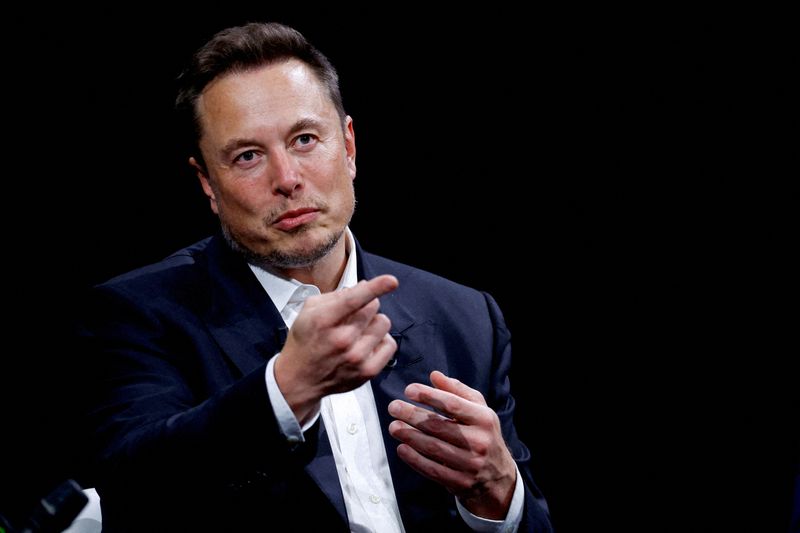
Tesla Vehicle Registrations Surge in Europe
- Strong Performance in Europe: Tesla's vehicle registrations surged in June across several European markets, with a 39% increase in Denmark, 56% in Sweden, a 5.6% rise in Spain, and more than doubling in France, indicating robust market demand and sales potential.
- Rising Delivery Expectations: Tesla is expected to deliver approximately 410,000 vehicles in Q2, representing a 7% year-over-year increase and exceeding Wall Street's consensus estimate of 406,000 units, primarily driven by surging oil prices that have boosted demand and further propelled the stock's rally.
- Shift in Investor Sentiment: Following Tesla's stock rally, investor sentiment on Stocktwits shifted from 'neutral' to 'bullish', although some users expressed concerns about the stock being 'overbought' and needing a pullback to $424 or lower, reflecting mixed views on Tesla's future trajectory.
- Short Position Opened: Investor Michael Burry opened a short position on Tesla at $416.22 and expressed satisfaction with the stock's rebound to this level, highlighting differing opinions in the market regarding Tesla's future performance.

Magnificent Seven Stocks Lose $2 Trillion in Market Cap

- Significant Market Cap Loss: As of Tuesday, the combined valuation of the Magnificent Seven stood at $21.7 trillion, yet they collectively lost approximately $2 trillion in June, indicating a waning investor confidence in these once-dominant tech giants.
- ETF Underperformance: The Roundhill Magnificent Seven ETF fell 9% in June, marking its second worst month since its 2023 launch, only behind a 10.5% drop in March 2025, reflecting increasing market concerns about these companies' future prospects.
- Declining Cash Flows: Free cash flow for four firms—Meta, Alphabet, Microsoft, and Amazon—has sharply declined from its 2024 peak into 2026, raising investor anxiety as these companies shift focus from buybacks to substantial AI expenditures.
- Diverging Investor Sentiment: Despite the overall decline in the Magnificent Seven, some Wall Street analysts remain bullish on companies like Amazon and Alphabet, suggesting that the recent pullback may be overdone and that AI investments could lead to future revenue growth.

Lucid's Layoffs and Executive Turnover Raise Concerns

- Workforce Reduction: Lucid announced layoffs of approximately 1,500 employees, representing 18% of its workforce, marking the second significant cut in four months, highlighting the urgency in addressing lower-than-expected consumer demand and bloated inventory.
- Production Shift Cancellation: The company eliminated the second production shift at its Casa Grande, Arizona factory to match production with demand, resulting in only 3,000 deliveries from 5,500 produced vehicles in Q1, forcing a withdrawal of its guidance.
- Executive Turnover: Lucid has experienced significant executive turnover, with founder and former CEO Peter Rawlinson unexpectedly resigning in February 2025, followed by several other executives, raising concerns about the strategic direction under new CEO Silvio Napoli, an outsider to the EV industry.
- Escalating Financial Struggles: While layoffs are expected to save about $158 million annually, Lucid's net loss reached $2.7 billion in 2025, with cash burn at $3.8 billion, intensifying the company's financial challenges and increasing bankruptcy risks if backing from the PIF were to cease.
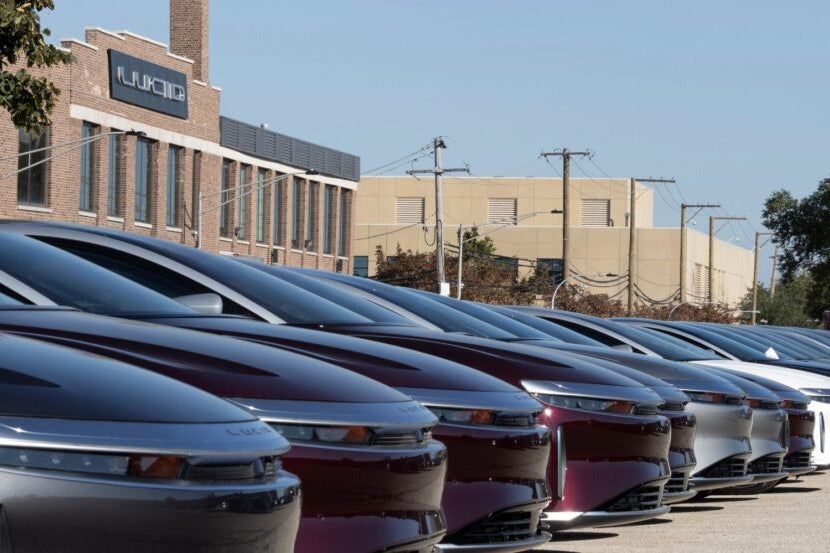
Lucid's Layoffs and Executive Turnover Raise Concerns
- Massive Layoffs: Lucid recently announced layoffs of approximately 1,500 employees, representing 18% of its workforce, marking the second significant workforce reduction in just four months, highlighting the urgency of addressing insufficient market demand.
- Production Adjustments: The company also eliminated the second production shift at its Casa Grande, Arizona factory to cope with bloated inventory and low consumer demand, producing 5,500 vehicles but delivering only 3,000 in Q1, forcing it to retract its guidance.
- Frequent Executive Changes: Lucid has seen a high turnover of executives, with over a dozen leaving since founder and CEO Peter Rawlinson's resignation in February 2025, and the recent elimination of the COO position raises concerns about the company's strategic direction and stability.
- Worrisome Financials: While the company aims to save about $158 million annually through layoffs, its net loss reached $2.7 billion in 2025, with a staggering cash burn of $3.8 billion, indicating significant challenges in achieving profitability and sustainable growth.
Market Comparison Between SpaceX and Tesla
- Valuation Discrepancy: SpaceX's IPO price was $135 per share, with a market cap exceeding $2 trillion, while Tesla went public in 2010 at $17 per share, highlighting a significant difference in market positioning between the two companies.
- Stock Split Potential: SpaceX briefly surged 50% post-IPO, and if its market cap reaches $10 trillion, a stock split could be considered, contrasting with Tesla's decade-long wait for its first split, indicating SpaceX's rapid growth potential.
- Technical Challenges and Opportunities: SpaceX aims to launch AI data center satellites by 2027, targeting 1 terawatt of computing power by 2030; if successful, it could become a key player in global AI infrastructure, significantly boosting the company's value.
- Investor Caution: Despite SpaceX's ambitious vision, a reported net loss in 2025 and potential technical and market challenges suggest investors should be cautious, recommending monitoring progress rather than investing blindly.
Rivian's R2 SUV Faces Supply Chain Challenges
- Supply Chain Risks: Rivian CEO RJ Scaringe stated that the success of the R2 SUV is critical for the company's future, highlighting that while consumer demand is strong, concerns over the global semiconductor shortage pose the greatest risk.
- Chip Shortage Impact: With explosive AI demand tightening memory chip supplies, Scaringe emphasized that uncertainties in the global supply chain could challenge R2 production and affect the company's delivery capabilities.
- Market Reaction: Rivian's stock fell 0.5% at the time of the report, as investors await the upcoming second-quarter delivery numbers, with retail sentiment remaining in the 'bearish' territory, although some users expressed optimism about the delivery figures.
- Competitive Landscape: Other automakers like General Motors and Tesla are also actively addressing chip shortages, with GM securing a strategic customer agreement with Micron Technology for long-term supply, while Tesla advances its Terafab semiconductor project to meet soaring demand.
Tesla Vehicle Registrations Surge in Europe
- Strong Performance in Europe: Tesla's vehicle registrations surged in June across several European markets, with a 39% increase in Denmark, 56% in Sweden, a 5.6% rise in Spain, and more than doubling in France, indicating robust market demand and sales potential.
- Rising Delivery Expectations: Tesla is expected to deliver approximately 410,000 vehicles in Q2, representing a 7% year-over-year increase and exceeding Wall Street's consensus estimate of 406,000 units, primarily driven by surging oil prices that have boosted demand and further propelled the stock's rally.
- Shift in Investor Sentiment: Following Tesla's stock rally, investor sentiment on Stocktwits shifted from 'neutral' to 'bullish', although some users expressed concerns about the stock being 'overbought' and needing a pullback to $424 or lower, reflecting mixed views on Tesla's future trajectory.
- Short Position Opened: Investor Michael Burry opened a short position on Tesla at $416.22 and expressed satisfaction with the stock's rebound to this level, highlighting differing opinions in the market regarding Tesla's future performance.
Magnificent Seven Stocks Lose $2 Trillion in Market Cap
- Significant Market Cap Loss: As of Tuesday, the combined valuation of the Magnificent Seven stood at $21.7 trillion, yet they collectively lost approximately $2 trillion in June, indicating a waning investor confidence in these once-dominant tech giants.
- ETF Underperformance: The Roundhill Magnificent Seven ETF fell 9% in June, marking its second worst month since its 2023 launch, only behind a 10.5% drop in March 2025, reflecting increasing market concerns about these companies' future prospects.
- Declining Cash Flows: Free cash flow for four firms—Meta, Alphabet, Microsoft, and Amazon—has sharply declined from its 2024 peak into 2026, raising investor anxiety as these companies shift focus from buybacks to substantial AI expenditures.
- Diverging Investor Sentiment: Despite the overall decline in the Magnificent Seven, some Wall Street analysts remain bullish on companies like Amazon and Alphabet, suggesting that the recent pullback may be overdone and that AI investments could lead to future revenue growth.
Lucid's Layoffs and Executive Turnover Raise Concerns
- Workforce Reduction: Lucid announced layoffs of approximately 1,500 employees, representing 18% of its workforce, marking the second significant cut in four months, highlighting the urgency in addressing lower-than-expected consumer demand and bloated inventory.
- Production Shift Cancellation: The company eliminated the second production shift at its Casa Grande, Arizona factory to match production with demand, resulting in only 3,000 deliveries from 5,500 produced vehicles in Q1, forcing a withdrawal of its guidance.
- Executive Turnover: Lucid has experienced significant executive turnover, with founder and former CEO Peter Rawlinson unexpectedly resigning in February 2025, followed by several other executives, raising concerns about the strategic direction under new CEO Silvio Napoli, an outsider to the EV industry.
- Escalating Financial Struggles: While layoffs are expected to save about $158 million annually, Lucid's net loss reached $2.7 billion in 2025, with cash burn at $3.8 billion, intensifying the company's financial challenges and increasing bankruptcy risks if backing from the PIF were to cease.
Lucid's Layoffs and Executive Turnover Raise Concerns
- Massive Layoffs: Lucid recently announced layoffs of approximately 1,500 employees, representing 18% of its workforce, marking the second significant workforce reduction in just four months, highlighting the urgency of addressing insufficient market demand.
- Production Adjustments: The company also eliminated the second production shift at its Casa Grande, Arizona factory to cope with bloated inventory and low consumer demand, producing 5,500 vehicles but delivering only 3,000 in Q1, forcing it to retract its guidance.
- Frequent Executive Changes: Lucid has seen a high turnover of executives, with over a dozen leaving since founder and CEO Peter Rawlinson's resignation in February 2025, and the recent elimination of the COO position raises concerns about the company's strategic direction and stability.
- Worrisome Financials: While the company aims to save about $158 million annually through layoffs, its net loss reached $2.7 billion in 2025, with a staggering cash burn of $3.8 billion, indicating significant challenges in achieving profitability and sustainable growth.