Tesla Launches Six-Seater Model Y
Written by Emily J. Thompson, Senior Investment Analyst
Updated: 2 hours ago
0mins
Should l Buy TSLA?
Source: Newsfilter
- New Model Launch: Tesla launched a six-seater version of its best-selling Model Y on Wednesday, priced at 6.2 million rupees ($66,324.35), further diversifying its product line to meet varied market demands.
- Market Positioning: The introduction of this new model aims to attract family users and consumers needing more seating space, which is expected to enhance Tesla's competitiveness in the Indian market, particularly as electric vehicle demand continues to rise.
- Pricing Strategy: With a price tag of 6.2 million rupees, Tesla maintains its brand image in the high-end electric vehicle market while providing consumers with more options, potentially driving sales growth.
- Strategic Implications: The launch of this new model not only showcases Tesla's innovation in the electric vehicle sector but also indicates the company's commitment to the Indian market, signaling potential future market expansion and sales growth.
Trade with 70% Backtested Accuracy
Stop guessing "Should I Buy TSLA?" and start using high-conviction signals backed by rigorous historical data.
Sign up today to access powerful investing tools and make smarter, data-driven decisions.
Analyst Views on TSLA
Wall Street analysts forecast TSLA stock price to rise
30 Analyst Rating
12 Buy
11 Hold
7 Sell
Hold
Current: 392.500

Low
25.28
Averages
401.93
High
600.00
Current: 392.500
Low
25.28
Averages
401.93
High
600.00
About TSLA
Tesla, Inc. designs, develops, manufactures, sells and leases high-performance fully electric vehicles and energy generation and storage systems, and offers services related to its products. Its segments include automotive, and energy generation and storage. The automotive segment includes the design, development, manufacturing, sales and leasing of high-performance fully electric vehicles, and sales of automotive regulatory credits. It also includes sales of used vehicles, non-warranty maintenance services and collisions, part sales, paid supercharging, insurance services revenue and retail merchandise sales. The energy generation and storage segment include the design, manufacture, installation, sales and leasing of solar energy generation and energy storage products and related services and sales of solar energy systems incentives. Its consumer vehicles include the Model 3, Y, S, X and Cybertruck. Its lithium-ion battery energy storage products include Powerwall and Megapack.
About the author

Emily J. Thompson
Emily J. Thompson, a Chartered Financial Analyst (CFA) with 12 years in investment research, graduated with honors from the Wharton School. Specializing in industrial and technology stocks, she provides in-depth analysis for Intellectia’s earnings and market brief reports.
Tesla Q1 Earnings Preview: Key Metrics and Market Expectations

- Earnings Expectations: Tesla is projected to report Q1 revenue of $22.3 billion, with an automotive gross margin of 16.0%, earnings per share of $0.36, energy storage deployment of 8.8 GWh, and free cash flow of -$1.8 billion, indicating financial pressure amid a weaker start to the year.
- Delivery Data: The company delivered 358,023 vehicles in Q1, falling short of the 365,000 vehicle consensus estimate, despite producing 408,386 vehicles, highlighting a mismatch between production capacity and market demand.
- Capital Expenditure Concerns: Analysts express concerns that Tesla may push capital spending above $20 billion in 2026 due to investments in Terafab and other AI-related projects, which could impact the company's financial health and future growth potential.
- Market Reaction Expectations: Options trading suggests a potential 6% share price move following the earnings report, with investors keenly awaiting Elon Musk's presentation, particularly regarding the robotaxi rollout, which could influence Tesla's competitive position against rivals.
See More
Tesla Faces Margin Pressure and Cash Burn Ahead of Q1 Earnings
- Significant Margin Pressure: Jefferies raised Tesla's price target from $300 to $350, still implying an 11% downside from current levels, with Q1 revenue expected around $21.2 billion and a core automotive gross margin of only 15.5%, highlighting the profitability challenges the company faces.
- Increased Cash Burn: Tesla's capital expenditures are projected to exceed $19 billion this year, more than doubling from $9 billion last year, leading to a cash burn of $4.9 billion, which could negatively impact the company's short-term financial health.
- Widening Delivery and Production Gap: Tesla delivered 358,023 vehicles in Q1, showing year-over-year growth, but produced 408,386 vehicles, resulting in a delivery-production gap of over 50,000 units, indicating pressure on demand absorption that investors will closely monitor.
- Shift in Future Investment Focus: Tesla plans to direct most of its investments towards Cybercab production lines and Optimus robots rather than traditional EV models, with CEO Elon Musk stating that 2026 will be a “big capex year,” indicating the company's preparation for future technological transformations.
See More

Tesla Launches Six-Seater Model Y
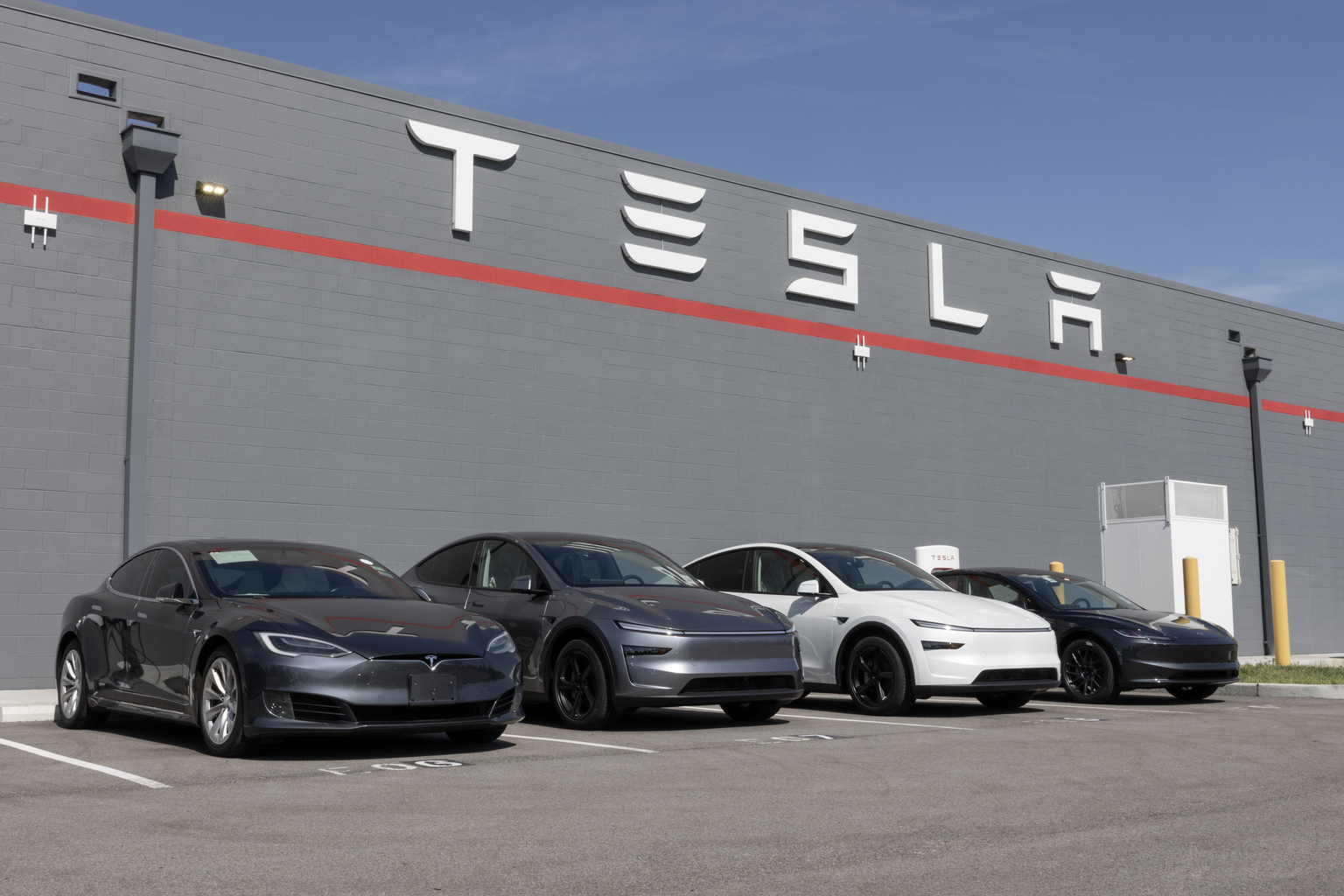
- New Model Launch: Tesla launched a six-seater version of its best-selling Model Y on Wednesday, priced at 6.2 million rupees ($66,324.35), further diversifying its product line to meet varied market demands.
- Market Positioning: The introduction of this new model aims to attract family users and consumers needing more seating space, which is expected to enhance Tesla's competitiveness in the Indian market, particularly as electric vehicle demand continues to rise.
- Pricing Strategy: With a price tag of 6.2 million rupees, Tesla maintains its brand image in the high-end electric vehicle market while providing consumers with more options, potentially driving sales growth.
- Strategic Implications: The launch of this new model not only showcases Tesla's innovation in the electric vehicle sector but also indicates the company's commitment to the Indian market, signaling potential future market expansion and sales growth.
See More
Trump Extends Iran Ceasefire Deadline Amid Market Uncertainty


- Ceasefire Extension: President Trump has extended the Iran ceasefire deadline by two weeks, a move that may exacerbate uncertainty in the Middle East conflict as Tehran shows reluctance to engage in diplomatic efforts, potentially impacting global market sentiment.
- Tariff Policy Impact: Trump expressed hope that U.S. companies that have not sought refunds for his tariffs will adhere to a 'no take back' policy, despite the Supreme Court ruling the tariffs illegal; major firms like Apple and Amazon have yet to file for refunds, which could affect their future financial performance.
- Market Reaction: Following Trump's announcement of the ceasefire extension, U.S. stock index futures rose, despite a lower close on Tuesday, while crude oil prices increased, indicating market sensitivity to developments in the Middle East.
- Aviation Industry Outlook: United Airlines has slashed its 2026 earnings outlook due to supply chain issues stemming from the Middle East conflict, reflecting the direct impact of soaring fuel prices on the airline industry and potentially leading to broader industry adjustments.
See More
TESLA INTRODUCES 6-SEATER MODEL Y L PREMIUM IN INDIA WITH A PRICE TAG OF 6.2 MILLION RUPEES - REPORT
Tesla Launches New Model: Tesla has introduced a new 6-seater Model Y premium variant in India.
Pricing Information: The new Model Y is priced at 6.2 million rupees.
See More
US Stock Futures Edge Up Amid Mixed Market Sentiment


- Market Sentiment Fluctuates: Following President Trump's announcement of a ceasefire extension with Iran, US stock index futures edged higher, with Nasdaq 100 futures up 0.68%, S&P 500 futures up 0.53%, and Dow futures up 0.47%, indicating cautious optimism among investors regarding future developments.
- Market Close Performance: Despite the uptick in futures, the S&P 500, Dow Jones Industrial Average, and Nasdaq Composite all declined about 0.6% at Monday's close, reflecting ongoing uncertainty surrounding peace negotiations that may impact short-term investment decisions.
- Oil Price Volatility: In Tuesday's trading, WTI crude futures fell 0.07% to $89.61 per barrel, while Brent crude futures dropped 0.02% to $98.46 per barrel, indicating market concerns over global economic prospects that could affect energy-related stocks.
- Stock Movements: Poet Technologies saw its shares rise after the CFO's dismissal, Navitas Semiconductor gained over 2% following the appointment of a new independent director, and Kyverna Therapeutics surged 29% after reporting positive results in a clinical trial, highlighting market interest in specific tech and biotech companies.
See More
Tesla Q1 Earnings Preview: Key Metrics and Market Expectations
- Earnings Expectations: Tesla is projected to report Q1 revenue of $22.3 billion, with an automotive gross margin of 16.0%, earnings per share of $0.36, energy storage deployment of 8.8 GWh, and free cash flow of -$1.8 billion, indicating financial pressure amid a weaker start to the year.
- Delivery Data: The company delivered 358,023 vehicles in Q1, falling short of the 365,000 vehicle consensus estimate, despite producing 408,386 vehicles, highlighting a mismatch between production capacity and market demand.
- Capital Expenditure Concerns: Analysts express concerns that Tesla may push capital spending above $20 billion in 2026 due to investments in Terafab and other AI-related projects, which could impact the company's financial health and future growth potential.
- Market Reaction Expectations: Options trading suggests a potential 6% share price move following the earnings report, with investors keenly awaiting Elon Musk's presentation, particularly regarding the robotaxi rollout, which could influence Tesla's competitive position against rivals.
See More
Tesla Faces Margin Pressure and Cash Burn Ahead of Q1 Earnings
- Significant Margin Pressure: Jefferies raised Tesla's price target from $300 to $350, still implying an 11% downside from current levels, with Q1 revenue expected around $21.2 billion and a core automotive gross margin of only 15.5%, highlighting the profitability challenges the company faces.
- Increased Cash Burn: Tesla's capital expenditures are projected to exceed $19 billion this year, more than doubling from $9 billion last year, leading to a cash burn of $4.9 billion, which could negatively impact the company's short-term financial health.
- Widening Delivery and Production Gap: Tesla delivered 358,023 vehicles in Q1, showing year-over-year growth, but produced 408,386 vehicles, resulting in a delivery-production gap of over 50,000 units, indicating pressure on demand absorption that investors will closely monitor.
- Shift in Future Investment Focus: Tesla plans to direct most of its investments towards Cybercab production lines and Optimus robots rather than traditional EV models, with CEO Elon Musk stating that 2026 will be a “big capex year,” indicating the company's preparation for future technological transformations.
See More
Tesla Launches Six-Seater Model Y
- New Model Launch: Tesla launched a six-seater version of its best-selling Model Y on Wednesday, priced at 6.2 million rupees ($66,324.35), further diversifying its product line to meet varied market demands.
- Market Positioning: The introduction of this new model aims to attract family users and consumers needing more seating space, which is expected to enhance Tesla's competitiveness in the Indian market, particularly as electric vehicle demand continues to rise.
- Pricing Strategy: With a price tag of 6.2 million rupees, Tesla maintains its brand image in the high-end electric vehicle market while providing consumers with more options, potentially driving sales growth.
- Strategic Implications: The launch of this new model not only showcases Tesla's innovation in the electric vehicle sector but also indicates the company's commitment to the Indian market, signaling potential future market expansion and sales growth.
See More
Trump Extends Iran Ceasefire Deadline Amid Market Uncertainty
- Ceasefire Extension: President Trump has extended the Iran ceasefire deadline by two weeks, a move that may exacerbate uncertainty in the Middle East conflict as Tehran shows reluctance to engage in diplomatic efforts, potentially impacting global market sentiment.
- Tariff Policy Impact: Trump expressed hope that U.S. companies that have not sought refunds for his tariffs will adhere to a 'no take back' policy, despite the Supreme Court ruling the tariffs illegal; major firms like Apple and Amazon have yet to file for refunds, which could affect their future financial performance.
- Market Reaction: Following Trump's announcement of the ceasefire extension, U.S. stock index futures rose, despite a lower close on Tuesday, while crude oil prices increased, indicating market sensitivity to developments in the Middle East.
- Aviation Industry Outlook: United Airlines has slashed its 2026 earnings outlook due to supply chain issues stemming from the Middle East conflict, reflecting the direct impact of soaring fuel prices on the airline industry and potentially leading to broader industry adjustments.
See More
TESLA INTRODUCES 6-SEATER MODEL Y L PREMIUM IN INDIA WITH A PRICE TAG OF 6.2 MILLION RUPEES - REPORT
Tesla Launches New Model: Tesla has introduced a new 6-seater Model Y premium variant in India.
Pricing Information: The new Model Y is priced at 6.2 million rupees.
See More
US Stock Futures Edge Up Amid Mixed Market Sentiment
- Market Sentiment Fluctuates: Following President Trump's announcement of a ceasefire extension with Iran, US stock index futures edged higher, with Nasdaq 100 futures up 0.68%, S&P 500 futures up 0.53%, and Dow futures up 0.47%, indicating cautious optimism among investors regarding future developments.
- Market Close Performance: Despite the uptick in futures, the S&P 500, Dow Jones Industrial Average, and Nasdaq Composite all declined about 0.6% at Monday's close, reflecting ongoing uncertainty surrounding peace negotiations that may impact short-term investment decisions.
- Oil Price Volatility: In Tuesday's trading, WTI crude futures fell 0.07% to $89.61 per barrel, while Brent crude futures dropped 0.02% to $98.46 per barrel, indicating market concerns over global economic prospects that could affect energy-related stocks.
- Stock Movements: Poet Technologies saw its shares rise after the CFO's dismissal, Navitas Semiconductor gained over 2% following the appointment of a new independent director, and Kyverna Therapeutics surged 29% after reporting positive results in a clinical trial, highlighting market interest in specific tech and biotech companies.
See More